Navigating the Divergent Pathways of High-End and Budget Vehicle Marketing
In the vast automotive landscape, the strategies employed to market luxury vehicles starkly contrast with those used for economy cars. Each segment targets distinct consumer bases with unique desires and expectations, necessitating tailored advertising approaches. Understanding these differences not only illuminates the nuanced art of automotive marketing but also underscores the intricate dance between brand perception and consumer aspiration.
The Essence of Brand Identity
Defining Luxury: Beyond the Surface
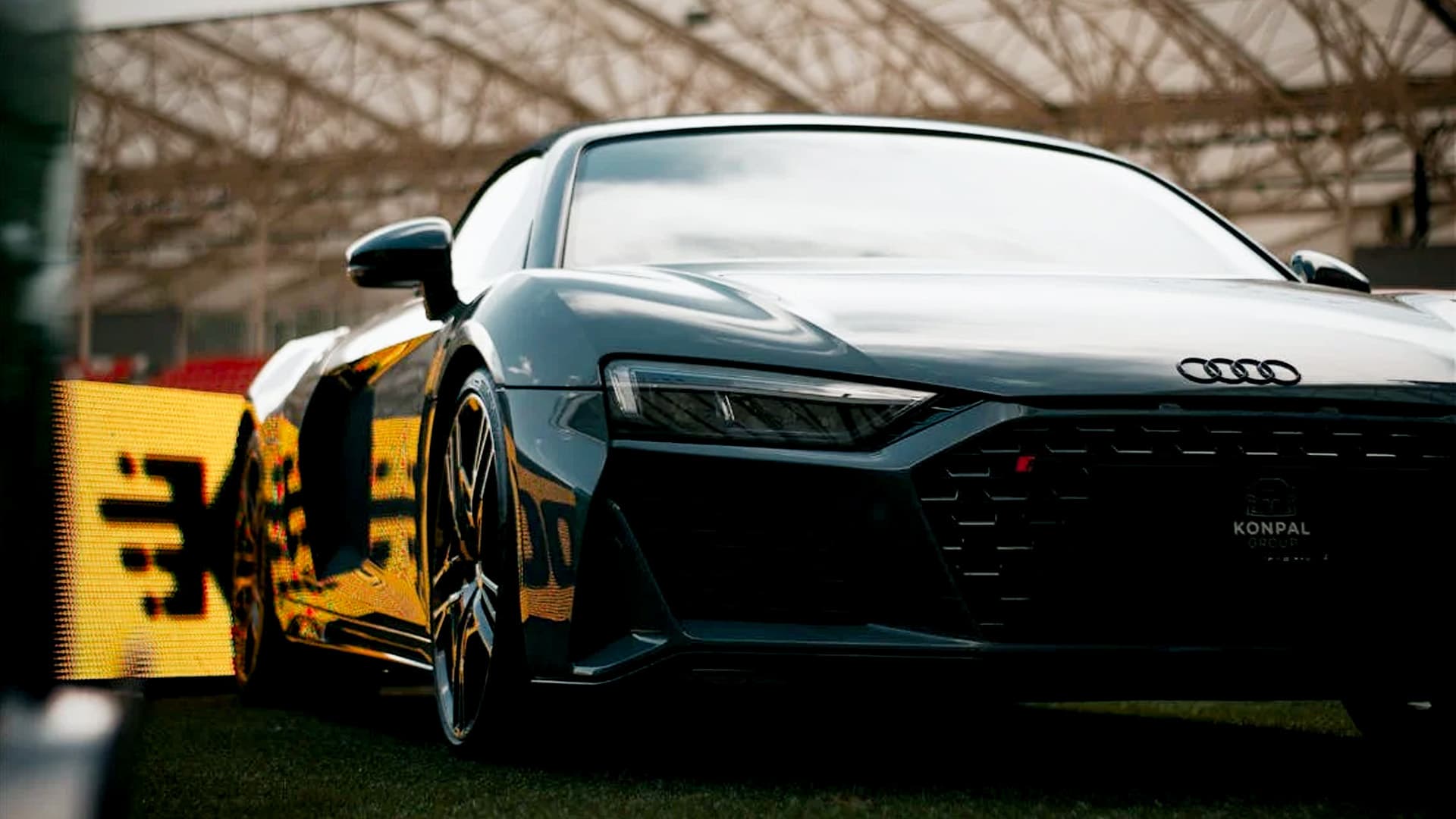
Luxury car advertisements transcend mere vehicle features, delving deep into the brand's heritage and exclusivity. These campaigns often highlight craftsmanship, bespoke customization, and the storied legacy of the marque. For instance, an ad for a high-end sedan might emphasize hand-stitched leather interiors and the meticulous attention to detail that sets it apart from mass-produced alternatives.
This focus on artisanal quality creates an aura of prestige, appealing to consumers who seek not just a car, but a statement of status. The narrative often paints the vehicle as a symbol of personal achievement and refined taste, resonating with those who value distinction over practicality.
Economy Cars: Emphasizing Value and Reliability
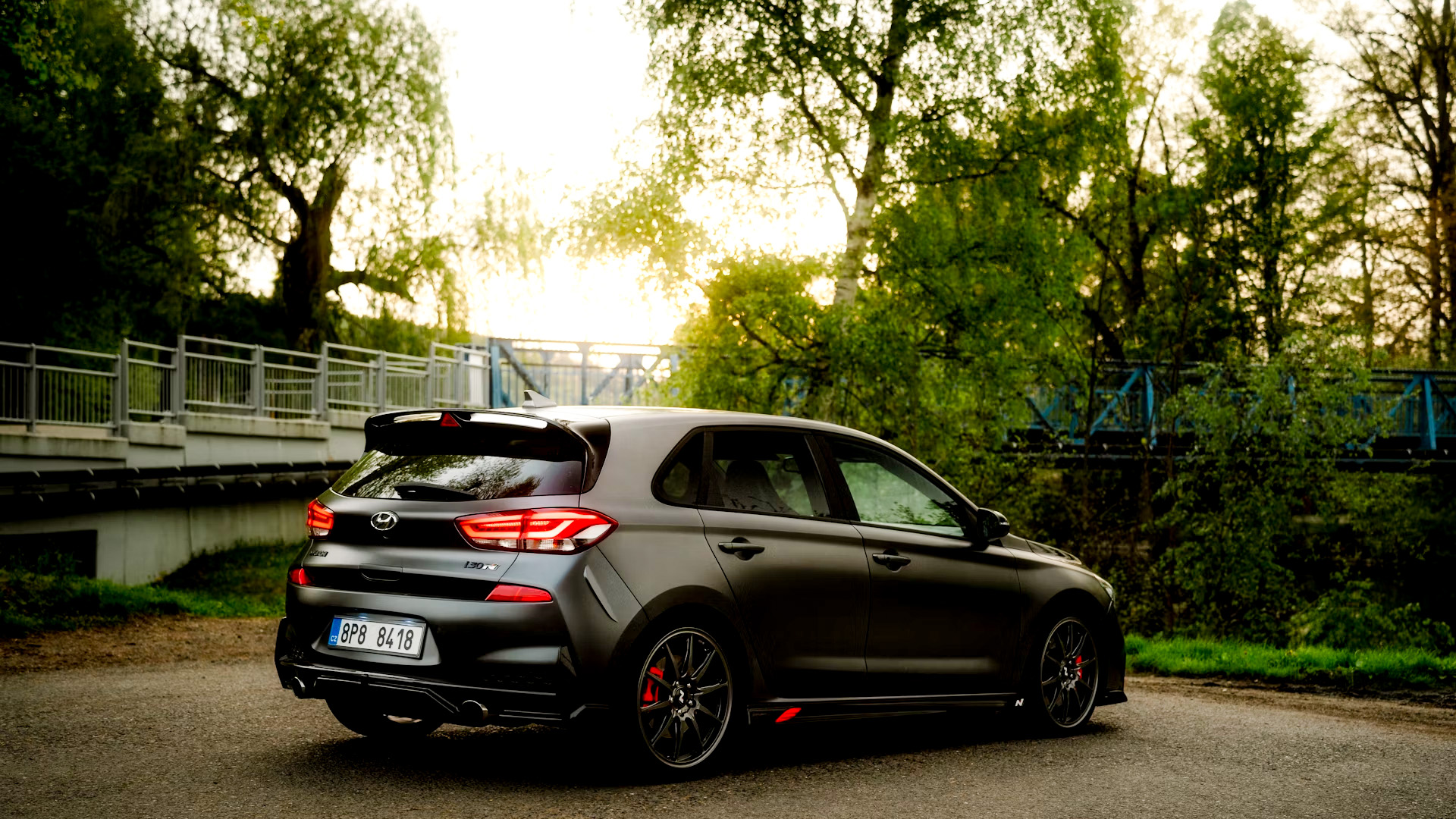
Conversely, advertising for economy vehicles prioritizes practicality, affordability, and reliability. These campaigns highlight fuel efficiency, low maintenance costs, and the versatility of the vehicle to meet everyday needs. An advertisement for a compact hatchback, for example, might showcase its spacious interior, advanced safety features, and competitive pricing.
The messaging is straightforward, aiming to connect with budget-conscious consumers who prioritize functionality and cost-effectiveness. By focusing on tangible benefits, economy car ads build trust and convey a sense of dependability that aligns with the target audience's priorities.
Crafting Emotional Resonance in Luxury Marketing
Luxury automotive ads often employ storytelling techniques that evoke emotion and aspiration. Narratives may center around the thrill of driving, the serenity of a secluded road, or the prestige of attending exclusive events. These stories create an emotional bond between the consumer and the brand, fostering a sense of belonging to an elite community.
This emotional resonance is further enhanced through the use of evocative imagery and sophisticated cinematography. The ambiance created in these ads is one of elegance and sophistication, reinforcing the brand's position in the luxury market and appealing to consumers' desires for a refined lifestyle.
Target Audience Segmentation
Understanding the Affluent Consumer
Marketing luxury cars requires a deep understanding of the affluent consumer's psyche. These individuals often seek products that reflect their success and provide a sense of exclusivity. Advertisements are meticulously crafted to appeal to their refined tastes and higher expectations, often showcasing the latest technological innovations and premium materials.
The affluent consumer values personalized experiences and exceptional service, so luxury car ads frequently highlight bespoke options and elite customer care. By catering to these specific desires, advertisers can effectively engage a discerning audience that prioritizes quality and exclusivity.
Addressing the Practical Needs of Economy Buyers
Economy car advertisements target a broader demographic, including first-time car buyers, young professionals, and families. These consumers are typically more price-sensitive and prioritize practicality over prestige. Ads focus on aspects like affordability, fuel efficiency, and safety features that address the everyday needs of these buyers.
Messaging is clear and direct, often incorporating comparisons to competitors to highlight superior value propositions. By emphasizing reliability and cost savings, economy car ads resonate with consumers looking for dependable transportation without the hefty price tag.
Leveraging Demographic Insights for Precision Marketing
Effective advertising leverages demographic data to tailor messages that resonate with specific segments within the luxury and economy markets. For luxury cars, this might involve targeting high-income individuals through exclusive events or premium media channels. In contrast, economy car marketing might utilize mass media platforms and digital advertising to reach a wider audience.
Understanding the distinct preferences and behaviors of each demographic allows marketers to craft more precise and impactful campaigns. This strategic segmentation ensures that advertising efforts are not only reaching the right people but also compelling them to take action.
Messaging and Communication Strategies
The Power of Exclusivity in Luxury Ads
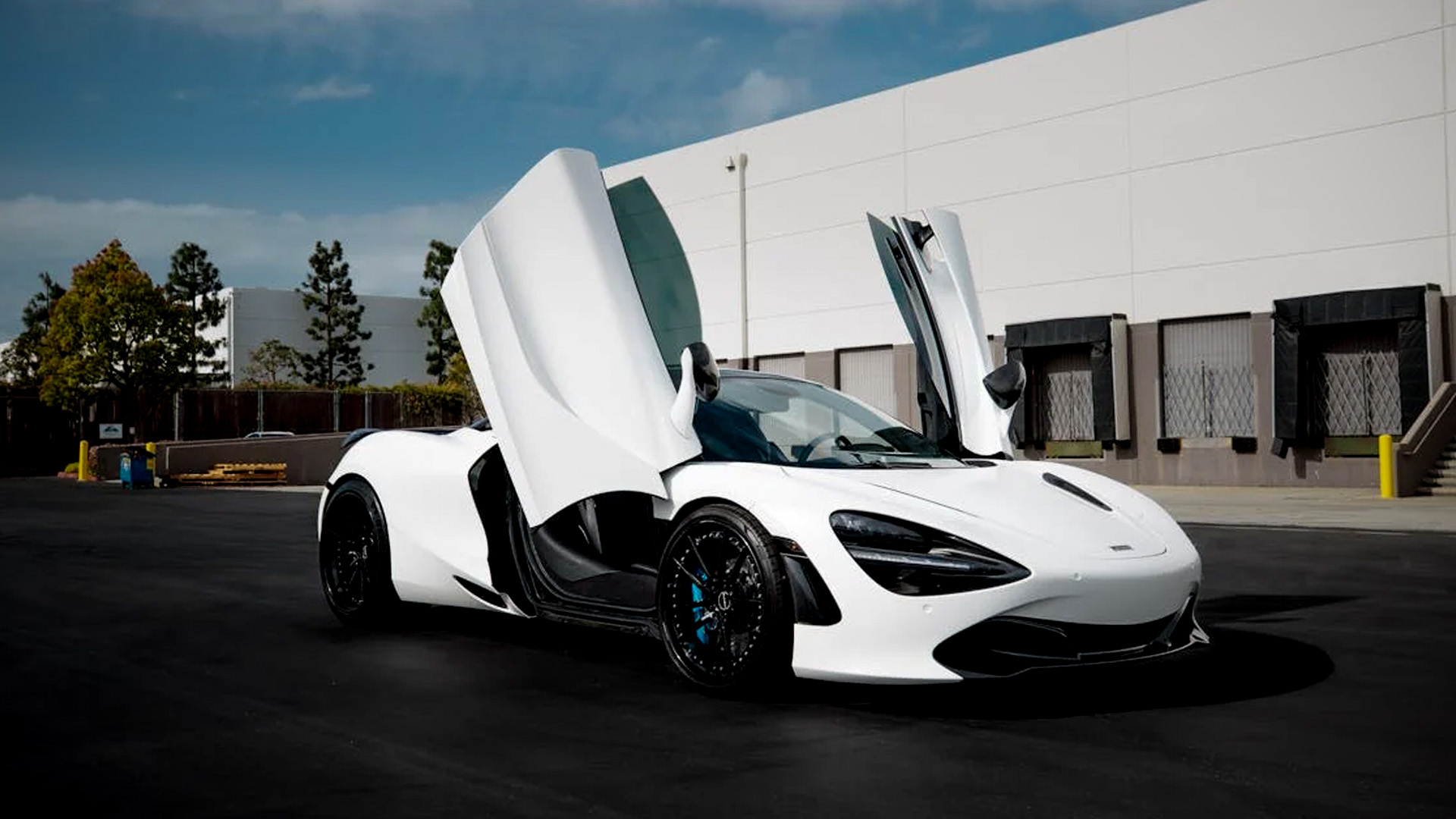
Luxury car advertisements often employ a language of exclusivity and sophistication. Phrases like "limited edition," "handcrafted," and "unparalleled performance" are common, creating a sense of rarity and desirability. The communication strategy focuses on differentiating the brand from mainstream competitors by highlighting unique selling points that justify a premium price.
Visuals in luxury ads are equally important, often featuring sleek designs, opulent settings, and aspirational lifestyles. This combination of refined language and high-quality imagery reinforces the brand's elite status and appeals to consumers' aspirations for a luxurious lifestyle.
Clear and Concise Messaging for Economy Vehicles
In contrast, economy car ads prioritize clarity and simplicity in their messaging. The focus is on conveying key benefits such as affordability, fuel efficiency, and practicality in a straightforward manner. Taglines are often catchy and memorable, designed to quickly communicate the vehicle's value proposition to a diverse audience.
Visuals in economy car advertisements typically showcase the vehicle in everyday settings, highlighting its versatility and suitability for various lifestyles. This approach ensures that the messaging is relatable and easily understood by consumers seeking reliable transportation solutions.
Balancing Emotion and Rationality in Advertising
Luxury car ads skillfully balance emotional appeal with rational benefits, creating a compelling narrative that engages consumers on multiple levels. While the emotional storytelling draws in the audience, the inclusion of technical specifications and performance metrics provides tangible reasons to consider the vehicle.
Economy car ads, on the other hand, lean more heavily on rational benefits, though they still incorporate elements of emotional appeal to connect with consumers' desires for security and reliability. This balance ensures that the messaging is both persuasive and credible, addressing the practical needs while also appealing to deeper motivations.
Visual and Aesthetic Elements
Sophisticated Design Aesthetics for Luxury Vehicles
The visual aesthetics of luxury car advertisements are meticulously crafted to reflect elegance and sophistication. High-resolution imagery, minimalist designs, and attention to detail are hallmarks of these campaigns. The use of premium materials, refined color palettes, and striking compositions enhances the perceived value of the vehicle.
Lighting and composition play crucial roles in creating a visually stunning advertisement that captures the essence of the brand. Whether showcasing the sleek lines of a sports car or the opulent interior of a sedan, the visual elements work in harmony to convey a sense of luxury and exclusivity.
Functional and Relatable Imagery for Economy Cars
Economy car advertisements utilize visuals that emphasize functionality and relatability. Images often feature the vehicle in everyday scenarios, such as family outings, commuting, or navigating urban environments. This approach highlights the practicality and versatility of the car, making it appealing to a broad audience.
The aesthetic is typically more vibrant and accessible, with a focus on demonstrating how the vehicle fits seamlessly into the consumer's daily life. By showcasing real-world applications, economy car ads build a connection with viewers and illustrate the vehicle's value in practical terms.
The Role of Color and Typography in Branding
Color and typography are integral components of automotive advertising, influencing how the brand is perceived. Luxury car ads often employ a muted, sophisticated color palette with elegant typography that exudes class and refinement. These design choices reinforce the brand's high-end image and appeal to consumers' sense of style.
Economy car ads, in contrast, utilize brighter and more energetic colors paired with bold, straightforward typography. These elements convey a sense of approachability and reliability, aligning with the practical nature of the vehicle. The strategic use of color and typeface ensures that the messaging is both visually appealing and aligned with the brand's identity.
Media Channels and Distribution Tactics
Exclusive Channels for Luxury Marketing
Luxury car brands often leverage exclusive media channels to reach their target audience. This includes high-end magazines, premium online platforms, and sponsorship of elite events such as fashion shows or golf tournaments. The choice of media is deliberate, ensuring that the advertisements are placed in environments that reflect the brand's upscale image.
Digital marketing strategies for luxury cars may also involve personalized approaches, such as targeted online campaigns and bespoke content tailored to individual consumer preferences. These tactics enhance the sense of exclusivity and foster a deeper connection with the affluent audience.
Mass Media and Digital Platforms for Economy Vehicles
Economy car advertising typically utilizes mass media channels to achieve widespread reach. Television commercials, radio spots, and online advertising on popular websites and social media platforms are common strategies. The goal is to maximize visibility and attract a diverse range of potential buyers.
Digital marketing plays a significant role, with search engine optimization (SEO), pay-per-click (PPC) advertising, and social media campaigns designed to engage budget-conscious consumers. These platforms offer cost-effective ways to promote the vehicle's key benefits and drive traffic to dealerships or online sales portals.
The Impact of Influencer and Affiliate Marketing
Both luxury and economy car brands increasingly turn to influencer and affiliate marketing to extend their reach. For luxury vehicles, collaborations with high-profile influencers and celebrities can enhance brand prestige and attract aspirational consumers. These partnerships often involve showcasing the vehicle in aspirational settings, aligning the brand with a desired lifestyle.
Economy car brands may partner with a broader range of influencers, including family-oriented bloggers, budget lifestyle experts, and automotive enthusiasts. These collaborations help to highlight the vehicle's practicality and value, reaching audiences that prioritize affordability and functionality.
Technological Integration in Advertising
Cutting-Edge Technology in Luxury Campaigns
Luxury car advertisements often incorporate advanced technology to showcase the vehicle's innovative features. Virtual reality (VR) and augmented reality (AR) experiences allow potential buyers to explore the car's interior and exterior in immersive detail. High-definition video and interactive online content further enhance the digital experience, providing a comprehensive view of the vehicle's capabilities.
Additionally, luxury brands utilize data analytics and personalized marketing techniques to deliver highly targeted advertisements. By analyzing consumer behavior and preferences, these campaigns can tailor messages that resonate deeply with individual prospects, increasing the likelihood of conversion.
Practical Tech Solutions for Economy Marketing
Economy car ads leverage technology to highlight features that enhance everyday usability. Interactive websites and mobile apps allow users to compare models, calculate financing options, and schedule test drives with ease. Social media integration and user-generated content campaigns encourage engagement and foster a sense of community around the brand.
Economy car advertisements often emphasize connectivity features such as Bluetooth integration, smartphone compatibility, and advanced safety systems. Showcasing these practical technological solutions underscores the vehicle's value proposition and appeals to consumers seeking reliable and modern transportation options.
The Role of Data-Driven Marketing Strategies
Data-driven marketing is pivotal in both luxury and economy car advertising, enabling brands to refine their strategies based on consumer insights. For luxury vehicles, data analytics can identify high-net-worth individuals and tailor campaigns to their specific interests and behaviors. This precision targeting ensures that marketing efforts are efficient and effective, reaching the right audience with the right message.
In the economy segment, data-driven approaches help to optimize advertising spend and maximize reach. By analyzing demographic data, purchasing patterns, and online behavior, economy car brands can develop campaigns that resonate with a wide audience while maintaining cost efficiency. This strategic use of data enhances the overall impact of marketing efforts, driving sales and fostering brand loyalty.
Differentiating Through Customer Experience
Personalized Experiences in Luxury Marketing
Customer experience is paramount in luxury car advertising, where personalization plays a critical role. Tailored marketing efforts, such as personalized test drive invitations or bespoke financing options, create a sense of exclusivity and attentiveness. Luxury brands often offer concierge services and VIP events, enhancing the overall customer journey and reinforcing the brand's premium status.
The emphasis on personalized experiences ensures that consumers feel valued and understood, fostering long-term loyalty and advocacy. By exceeding expectations and providing exceptional service, luxury car brands build strong, enduring relationships with their clientele.
Streamlined and Accessible Interactions for Economy Buyers
For economy car customers, the focus is on providing a seamless and accessible buying experience. Simplified online platforms, transparent pricing, and easy financing options are key components of the customer journey. Economy car brands strive to make the purchasing process straightforward and hassle-free, addressing the practical concerns of budget-conscious buyers.
Customer support and after-sales service are also highlighted, ensuring that consumers feel confident in their purchase and supported throughout their ownership experience. By prioritizing accessibility and reliability, economy car brands build trust and encourage repeat business.
Enhancing Post-Purchase Engagement
Post-purchase engagement is a crucial aspect of automotive marketing for both luxury and economy segments. Luxury brands often maintain ongoing relationships with customers through exclusive events, loyalty programs, and personalized communications. This continuous engagement reinforces the brand's prestige and encourages repeat purchases and referrals.
Economy car brands also focus on post-purchase engagement by offering reliable customer service, regular maintenance reminders, and incentives for future purchases. Building a positive post-purchase experience enhances customer satisfaction and fosters brand loyalty, driving long-term success in the competitive automotive market.
Measuring Advertising Effectiveness
Key Performance Indicators for Luxury Campaigns
Measuring the effectiveness of luxury car advertising involves tracking key performance indicators (KPIs) that reflect brand perception and consumer engagement. Metrics such as brand awareness, sentiment analysis, and engagement rates on premium media platforms are crucial. Additionally, tracking the number of high-quality leads and test drive appointments can provide insights into the campaign's impact on sales.
Luxury brands may also use exclusive events and personalized marketing initiatives as metrics for success, evaluating the level of participation and the quality of customer interactions. These KPIs help to assess whether the advertising efforts are effectively enhancing the brand's prestige and driving conversions among the target audience.
Evaluating ROI in Economy Marketing
For economy car advertisements, return on investment (ROI) is a primary metric for assessing campaign success. This involves analyzing the cost per lead, conversion rates, and overall sales generated from the advertising efforts. Additionally, tracking website traffic, social media engagement, and customer acquisition costs provides a comprehensive view of the campaign's performance.
Economy car brands may also monitor customer retention rates and repeat purchases as indicators of long-term success. By evaluating these metrics, marketers can determine the efficiency of their strategies and make data-driven adjustments to optimize future campaigns.
Utilizing Feedback for Continuous Improvement
Continuous improvement is essential for maintaining the effectiveness of automotive advertising. Both luxury and economy car brands benefit from collecting and analyzing consumer feedback to refine their marketing strategies. Surveys, focus groups, and online reviews offer valuable insights into consumer perceptions and preferences.
By leveraging this feedback, brands can identify areas for enhancement, whether it's improving the messaging, adjusting the visual elements, or exploring new media channels. This iterative approach ensures that advertising efforts remain relevant and impactful, adapting to changing market dynamics and consumer behaviors.
Case Studies: Success Stories in Automotive Advertising
Aston Martin: The Pinnacle of Luxury Marketing
Aston Martin's advertising campaigns exemplify the epitome of luxury automotive marketing. By weaving rich narratives that highlight the brand's heritage and unparalleled craftsmanship, Aston Martin creates an aspirational image that resonates with affluent consumers. High-profile collaborations, such as partnerships with luxury brands and exclusive events, amplify the brand's prestige and visibility.
Their advertisements often feature stunning visuals and evocative storytelling, showcasing the seamless blend of performance and elegance that defines the brand. This strategic approach not only reinforces Aston Martin's position in the luxury market but also fosters a deep emotional connection with its target audience.
Toyota: Mastering the Economy Market
Toyota's advertising strategies demonstrate a keen understanding of the economy car market. By emphasizing reliability, affordability, and advanced safety features, Toyota effectively appeals to a broad spectrum of consumers. Campaigns like "Let's Go Places" highlight the brand's commitment to quality and dependability, resonating with families and individuals seeking trustworthy transportation solutions.
Toyota's use of diverse media channels, including television, digital platforms, and social media, ensures widespread reach and engagement. Their focus on practical benefits, combined with a strong brand reputation, has solidified Toyota's standing as a leader in the economy car segment.
Tesla: Bridging Luxury and Economy with Innovation
Tesla's unique position in the automotive market blurs the lines between luxury and economy segments. By leveraging cutting-edge technology and sustainable innovation, Tesla appeals to environmentally conscious consumers while maintaining a sense of exclusivity. Their advertising emphasizes the vehicle's advanced features, performance, and commitment to a greener future.
Tesla's direct-to-consumer sales model and innovative marketing tactics, such as viral social media campaigns and strategic product launches, have disrupted traditional automotive advertising. This blend of luxury appeal and practical innovation allows Tesla to attract a diverse customer base, positioning the brand as a forward-thinking leader in the industry.
Adapting to Future Trends in Automotive Advertising
Embracing Sustainability in Marketing Messages
As sustainability becomes increasingly important to consumers, automotive advertising must evolve to reflect this shift. Luxury brands are incorporating eco-friendly materials and sustainable practices into their narratives, appealing to environmentally conscious buyers. Economy car ads also highlight fuel efficiency and low emissions, aligning with the growing demand for green transportation solutions.
By integrating sustainability into their messaging, both luxury and economy car brands can resonate with a broader audience and demonstrate their commitment to environmental responsibility. This trend not only enhances brand image but also meets the evolving expectations of modern consumers.
Leveraging Artificial Intelligence and Machine Learning
Artificial intelligence (AI) and machine learning are revolutionizing automotive advertising by enabling more personalized and efficient campaigns. Luxury brands can use AI to analyze consumer data and deliver highly targeted advertisements that align with individual preferences and behaviors. This level of personalization enhances the effectiveness of marketing efforts and fosters deeper connections with consumers.
Economy car brands also benefit from AI by optimizing ad placements, predicting consumer trends, and automating customer interactions. These technologies streamline marketing processes and improve the accuracy of targeting, ensuring that advertising efforts are both cost-effective and impactful.
The Rise of Interactive and Immersive Experiences
Interactive and immersive advertising experiences are becoming increasingly prevalent in the automotive industry. Virtual reality (VR) and augmented reality (AR) allow consumers to explore vehicles in a dynamic and engaging manner, enhancing their connection to the brand. Luxury car ads may feature VR test drives or virtual showrooms, providing an exclusive and immersive experience that highlights the vehicle's features and craftsmanship.
Economy car brands can use interactive tools to facilitate comparisons, customization, and virtual tours, making the car-buying process more engaging and informative. These immersive experiences not only attract tech-savvy consumers but also differentiate brands in a competitive market, driving engagement and conversions.
By meticulously tailoring advertising strategies to the distinct characteristics of luxury and economy car markets, automotive brands can effectively engage their target audiences and achieve sustained success. Whether through the refined elegance of high-end campaigns or the practical appeal of budget-focused messaging, understanding the unique dynamics of each segment is essential for crafting compelling and impactful advertisements.
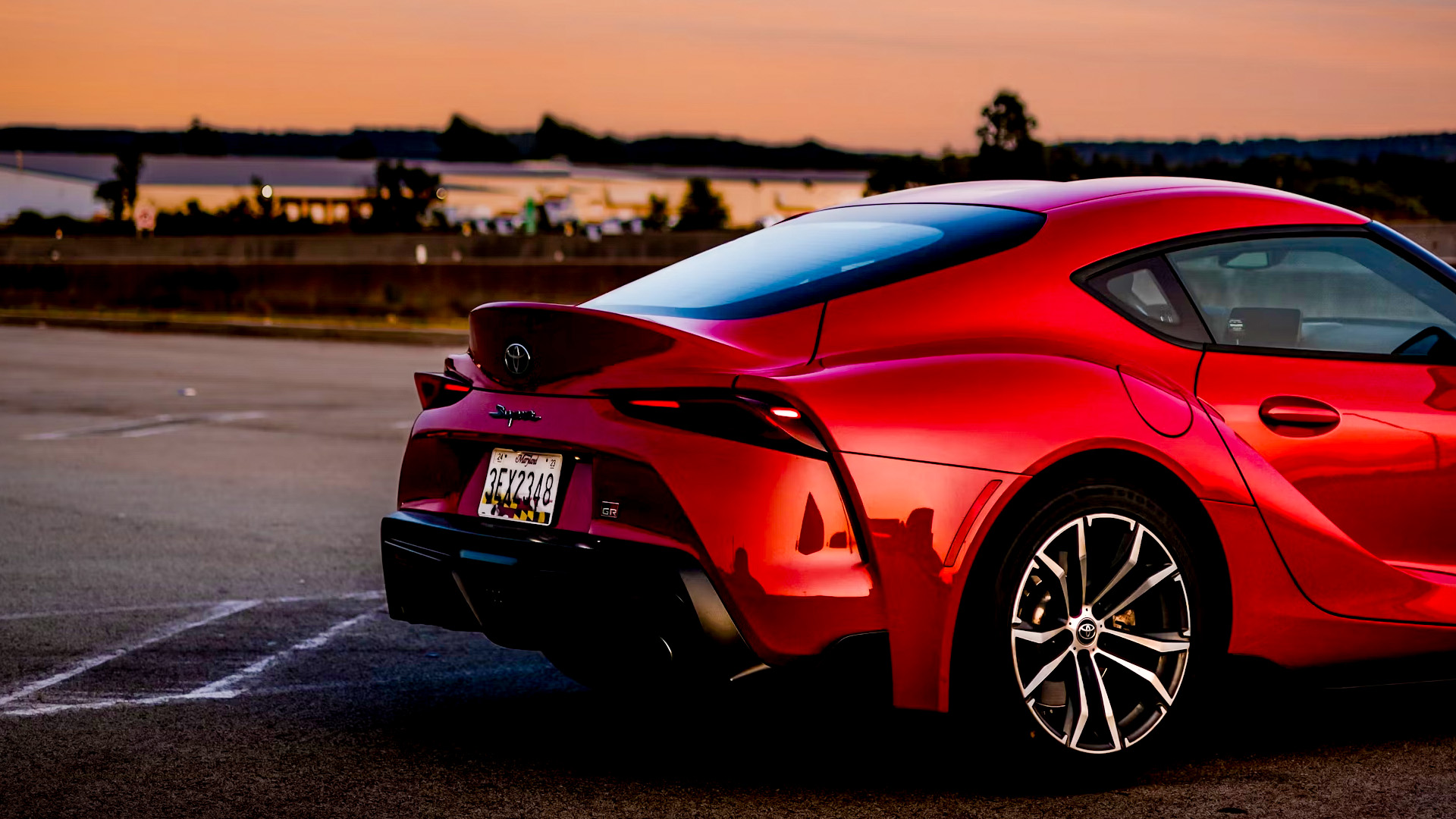
Success Stories In Automotive Advertising
Breyten Odendaal
Specializing in high-performance automotive advertising and digital marketing solutions, delivering cutting-edge insights and the latest news shaping the automotive industry in South Africa.
More From Advertising
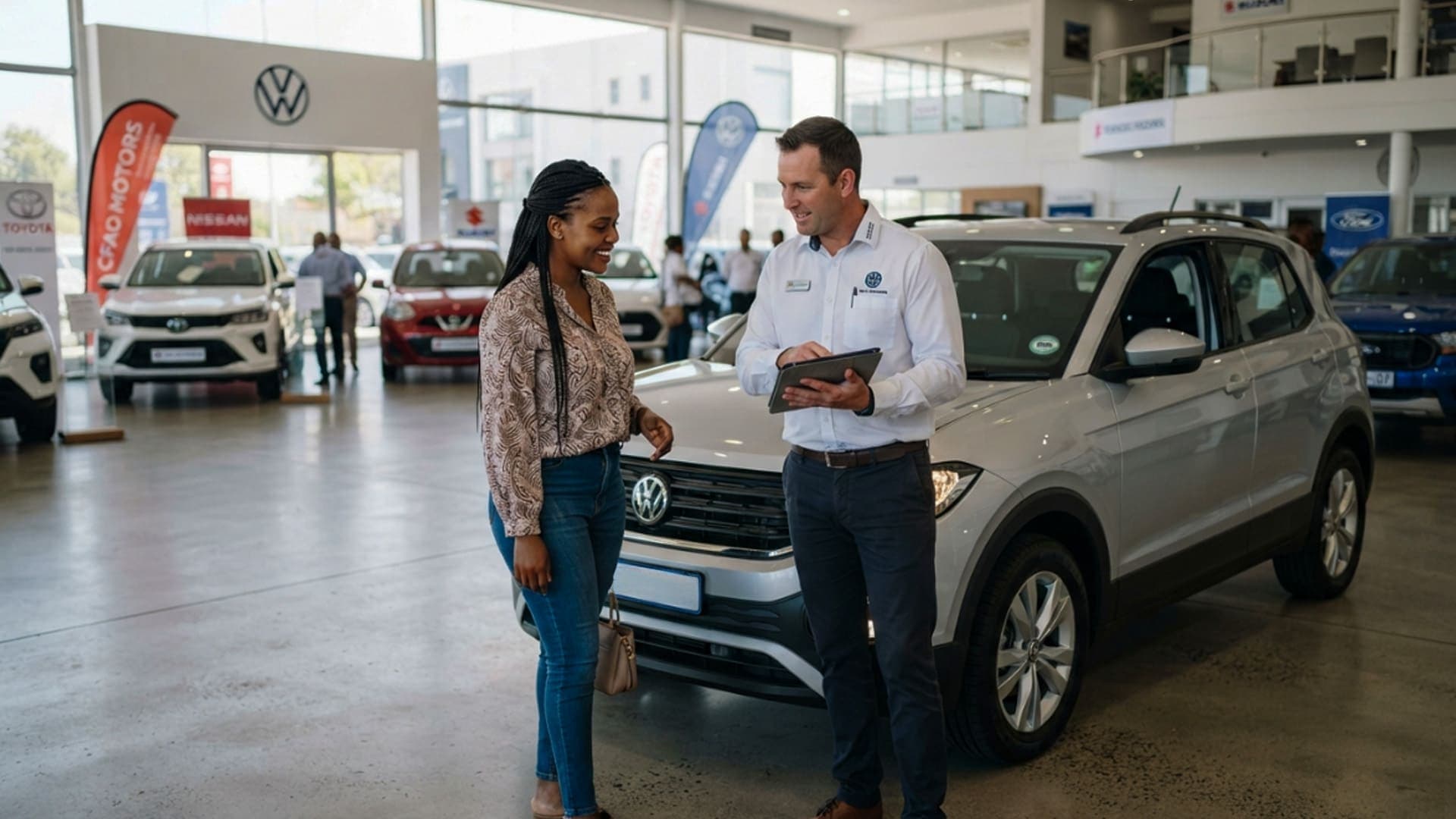
Automotive Advertising in 2026: Selling Confidence in a More Competitive Market
As South Africa’s vehicle market becomes more competitive, automotive advertising needs to do more than announce a price or specification. It needs to help buyers understand value, ownership costs and why a vehicle suits their lives.

Automotive Digital Ads in South Africa: A Shift
Exploring how South Africa’s automotive advertising evolved from print and broadcast to data-driven, programmatic digital ecosystems.

The Video Shift in Car Buying Decisions in SA
Explore how video content shapes car purchase decisions in South Africa, comparing short-form and long-form strategies for automotive marketers.