
In an era where digital interactions often precede physical visits, content marketing has become an indispensable tool for car dealerships. Potential buyers are no longer walking into showrooms without prior knowledge; instead, they arrive equipped with research, opinions, and preferences shaped by the content theyÔÇÖve consumed online. This shift means dealerships must embrace content marketing to connect with modern consumers, guiding them through the buyerÔÇÖs journey and building lasting relationships. Content marketing isnÔÇÖt just an option; itÔÇÖs the key to staying relevant in an increasingly competitive market.
Understanding the Shift in Buyer Behavior
How Digital Platforms are Changing the Car Buying Journey
The car buying journey has undergone a significant transformation over the past decade, driven largely by the rise of digital platforms. Consumers are now empowered to conduct extensive research online before visiting a dealership. They explore manufacturer websites, compare different models and features, read customer reviews, and watch video testimonials, all from the comfort of their homes. Social media, automotive forums, and review sites have become essential resources for potential buyers, allowing them to gather information, ask questions, and engage with other car enthusiasts. This shift to a digital-first approach means that dealerships must adapt to meet customers in the online realm. They need to provide engaging, informative, and relevant content that resonates with potential buyers at every stage of their journey, from initial research to the final purchase decision. By embracing this digital landscape, dealerships can enhance customer engagement, streamline the buying process, and ultimately drive more sales.
The Role of Content in Building Trust with Modern Consumers
In todayÔÇÖs automotive market, trust is the cornerstone of successful sales. Given that buying a car is one of the most significant financial commitments many consumers will make, establishing trust is crucial. Content marketing plays a vital role in fostering this trust by positioning dealerships as credible sources of information. By creating and sharing high-quality contentÔÇösuch as articles, how-to guides, videos, and customer testimonialsÔÇödealerships can demonstrate their expertise and commitment to transparency. This content not only highlights the vehicles available but also reflects the values and integrity of the dealership itself. When consumers encounter honest and informative content, they are more likely to feel confident in their purchasing decisions, ultimately bringing them closer to making a purchase. By prioritizing content that educates and engages, dealerships can cultivate a loyal customer base that views them as trusted advisors rather than just sellers.
Why Traditional Advertising No Longer Suffices
The effectiveness of traditional advertising methods, such as flashy TV commercials and radio spots, is declining in the face of changing consumer preferences. While these methods can still have a place in the marketing mix, they often lack the personalized engagement and depth that modern consumers expect. Today's buyers are looking for meaningful interactions that cater to their specific needs and interests. Content marketing has emerged as a solution to this challenge, providing an avenue for dealerships to offer personalized, informative, and interactive experiences. Unlike traditional ads, which can feel one-dimensional and impersonal, content marketing allows consumers to explore topics that matter to them at their own pace. Whether itÔÇÖs through informative blog posts, engaging social media content, or interactive virtual tours of vehicles, modern consumers want to feel understood and empowered throughout their decision-making process. By shifting focus from traditional advertising to robust content strategies, dealerships can better meet the expectations of todayÔÇÖs car buyers and enhance their overall customer experience.
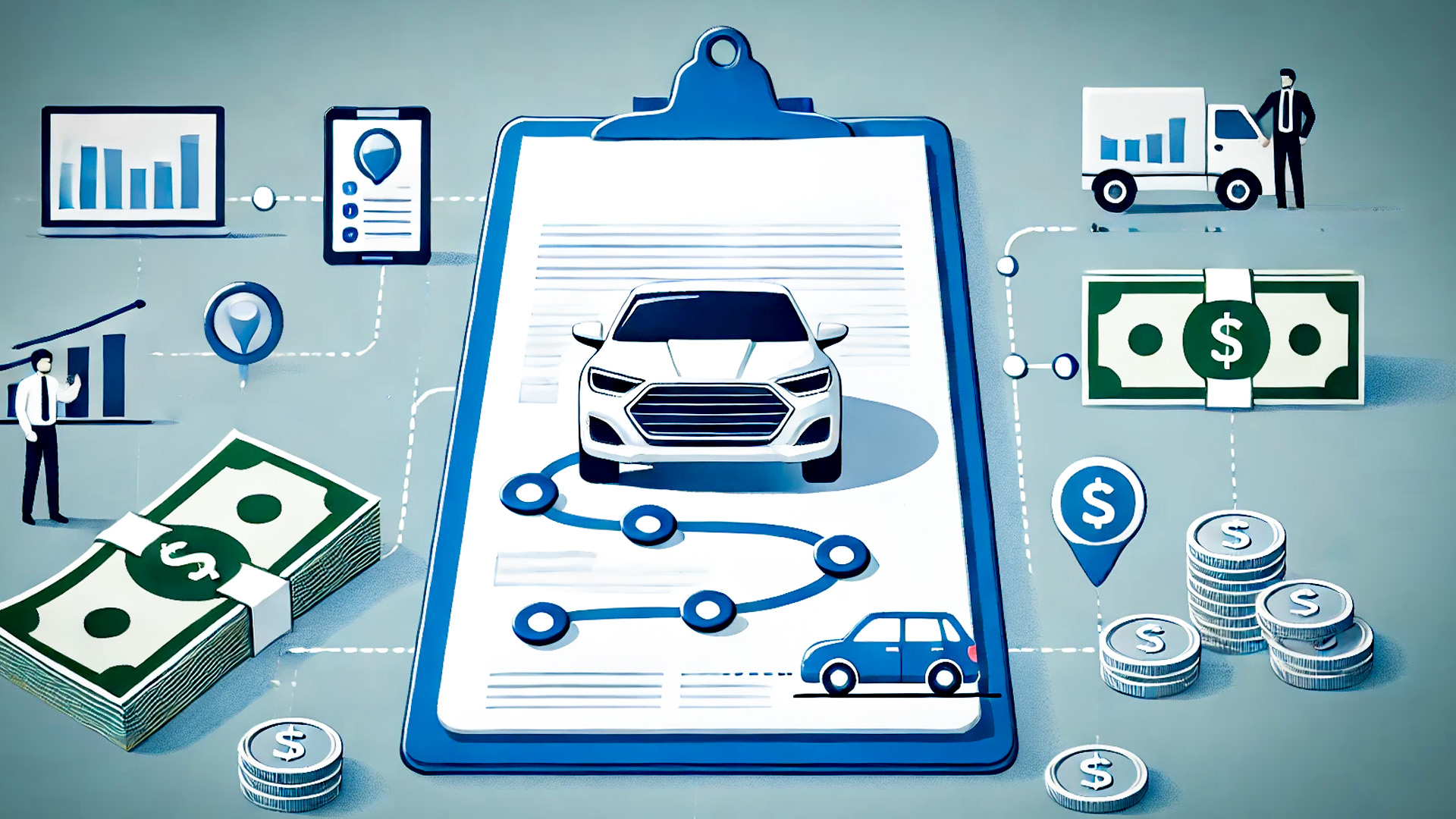
Building a Strong Online Presence Through Content
The Essential Elements of an Engaging Dealership Website
A dealershipÔÇÖs website serves as the digital showroom, reflecting the professionalism and customer-centric ethos of the business. To create an engaging online presence, the website must prioritize intuitive navigation, visually appealing design, and valuable content. High-quality images showcasing the inventory are essential, as they allow potential buyers to get a detailed view of the vehicles available. Clear calls-to-action (CTAs) guide visitors toward next steps, whether thatÔÇÖs scheduling a test drive or requesting more information. Incorporating customer testimonials adds credibility and fosters trust, while detailed product descriptions help inform buyers about the vehiclesÔÇÖ features and benefits. In todayÔÇÖs mobile-centric world, a streamlined, responsive design that functions seamlessly on smartphones and tablets is vital, as a significant portion of buyers conduct their research on mobile devices before visiting in person. A well-designed website not only enhances the user experience but also serves as a powerful tool for driving sales and building lasting relationships with customers.
Blog Content: Driving Traffic and Answering Key Buyer Questions
Blogs are a crucial asset for generating organic traffic and engaging potential buyers on a deeper level. By creating well-crafted blog posts that address common questions, concerns, and emerging automotive trends, dealerships can establish themselves as industry authorities. Prospective buyers frequently search for topics like ÔÇ£best family SUVsÔÇØ or ÔÇ£how to finance a car,ÔÇØ and a blog that provides thoughtful, informative answers can attract visitors and build trust. Beyond answering questions, consistent and insightful blog content that is optimized for search engines enhances visibility, driving more traffic to the dealershipÔÇÖs website. Over time, this approach not only positions the dealership as a go-to resource but also nurtures leads by turning casual readers into informed buyers who are more likely to engage with the dealership.
Visual Content: The Power of High-Quality Photos and Videos
In the car dealership space, the importance of visual content cannot be overstated. High-quality images and videos have the power to bring vehicles to life, offering potential buyers an in-depth look at the features and details that matter most. From 360-degree views of a vehicleÔÇÖs interior to walk-around videos that highlight key selling points, visual content can effectively capture attention and convert casual browsers into serious buyers. Additionally, well-produced videos can showcase the dealershipÔÇÖs personality and brand identity, fostering a connection that static text alone cannot achieve. By integrating compelling visual content throughout the website, dealerships can create a more engaging experience that resonates with potential buyers, making it easier for them to envision themselves in the vehicles being offered. This strategic focus on high-quality visuals ultimately enhances the likelihood of conversion, making it a vital component of an effective online presence.
Crafting Targeted Content for Different Buyer Stages
Awareness Stage: Informational Content that Educates First-Time Buyers
At the top of the sales funnel, potential buyers are in the research phase, seeking foundational information about car models, financing options, and essential features. Content created for this stage should prioritize education and aim to inform first-time buyers who may feel overwhelmed by the process. Resources such as infographics, explainer videos, and detailed guides can simplify complex topics, making them more accessible and engaging. For example, an infographic that outlines the differences between sedan and SUV models or a video explaining various financing options can resonate well with this audience. By providing valuable insights without a hard-sell approach, dealerships can build credibility and trust, laying the groundwork for a positive relationship as buyers move further along in their journey.
Consideration Stage: Content that Helps Buyers Compare and Decide
As potential buyers progress further down the funnel, they begin to actively compare different vehicles and weigh their options more carefully. Content that facilitates these comparisons, such as vehicle comparison guides, detailed customer reviews, and feature breakdowns, becomes crucial at this stage. Prospective buyers are looking for assurance that they are making the right choice, so content should be tailored to address their specific needs and concerns. For instance, a side-by-side comparison of two popular models highlighting safety ratings, fuel efficiency, and available features can significantly influence their decision-making process. Providing real-life testimonials from previous customers can also offer social proof, reassuring potential buyers that they are considering a reputable choice. This stage is all about providing information that empowers buyers, helping them feel confident as they move closer to making a decision.
Decision Stage: Compelling Calls-to-Action and Testimonials to Convert Leads
When buyers reach the decision stage, the content should be strategically designed to guide them toward making a purchase. At this point, persuasive testimonials from satisfied customers can play a pivotal role in alleviating any remaining doubts. Additionally, special offers, limited-time promotions, and clear, compelling calls-to-actionÔÇösuch as ÔÇ£Schedule a Test Drive TodayÔÇØ or ÔÇ£Get a Quote NowÔÇØÔÇöcan create a sense of urgency and encourage immediate action. ItÔÇÖs essential that the content in this phase not only reaffirms the buyerÔÇÖs choice but also provides a clear, frictionless path to conversion. By removing any barriers to purchasing and making the next steps easy to understand, dealerships can effectively motivate potential buyers to take the final leap into ownership. Ultimately, this strategic approach to content can significantly enhance conversion rates and foster long-term customer relationships.

Leveraging Social Media to Build Engagement
Choosing the Right Platforms for Your Audience
In today's digital landscape, not all social media platforms serve the same purpose, and understanding where your potential buyers spend their time is essential for effective outreach. Each platform has its unique strengths that cater to different demographics and engagement styles. For example, Facebook and Instagram are ideal for showcasing vehicles with visually appealing content, such as high-quality images and engaging videos that highlight features and special offers. Instagram Stories and Reels can be particularly effective for showcasing new arrivals or dealership events in a dynamic way. On the other hand, LinkedIn serves a different purpose and can be beneficial for targeting corporate buyers, fleet managers, and other business professionals. Understanding the nuances of each platform allows dealerships to tailor their content strategy, ensuring that their messages reach the right audience at the right time. By choosing the appropriate channels for communication, dealerships can maximize their engagement and foster stronger relationships with potential buyers.
How to Create Engaging and Shareable Social Media Content
Engagement is the currency of social media, and developing content that encourages interaction is key to fostering a vibrant online community. Short, snappy videos that capture attention within the first few seconds, behind-the-scenes glimpses of dealership operations, or interactive polls about automotive preferences can all spark meaningful conversations. Creative contests or challenges related to vehicles can also drive engagement by inviting users to participate and share their experiences. Moreover, social media thrives on shareability; therefore, creating content that is informative, entertaining, or emotionally resonant increases the likelihood that followers will share it with their networks. Infographics that convey automotive tips, fun facts about car history, or quizzes can also enhance engagement while providing value. Ultimately, engaging content not only strengthens the dealershipÔÇÖs presence but also encourages user interaction, thereby amplifying the reach of the dealership's message across social platforms.
User-Generated Content: Encouraging Reviews and Customer Stories
One of the most impactful forms of content marketing is user-generated content (UGC). Encouraging satisfied customers to share their experiencesÔÇöwhether through written reviews, social media posts, or video testimonialsÔÇöcreates authentic and relatable content that resonates with potential buyers. Dealerships can incentivize customers to share their stories by offering discounts on future services or entering them into contests for special prizes. Not only does this strategy enhance the dealershipÔÇÖs credibility, but it also fosters a sense of community and loyalty among customers. UGC acts as powerful social proof, as potential buyers are often more inclined to trust the experiences of their peers over traditional marketing messages. By showcasing real customer stories on social media, websites, and promotional materials, dealerships can effectively humanize their brand and encourage a deeper connection with both current and prospective customers. This approach not only builds trust but also amplifies the dealershipÔÇÖs online presence, creating a rich tapestry of content that highlights customer satisfaction and engagement.
Harnessing the Power of Video Marketing
Why Video is Essential for Showcasing Vehicles
In today's visually driven marketplace, video content has become an indispensable tool for showcasing vehicles in a dynamic and engaging manner. Unlike static images, videos provide potential buyers with an immersive experience, allowing them to see vehicles in motion, hear the engine's roar, and appreciate the design from multiple angles. This multisensory approach creates a stronger emotional connection, enabling viewers to visualize themselves behind the wheel and feel the excitement of driving the car. Moreover, videos can highlight key features, such as advanced technology, safety systems, and performance capabilities, in a way that is both informative and visually appealing. By utilizing video effectively, dealerships can capture attention, convey the essence of each vehicle, and significantly enhance the likelihood of converting viewers into buyers.
Virtual Test Drives: Bringing the Dealership Experience to the CustomerÔÇÖs Home
The advent of virtual test drives represents a transformative shift in automotive content marketing. This innovative approach allows potential buyers to experience a car from the comfort of their own homes, broadening the reach of dealerships and engaging a wider audience. Virtual test drives can take the form of interactive videos or live-streamed demonstrations, enabling buyers to explore a vehicleÔÇÖs features in real time without the pressure of a traditional sales environment. These immersive experiences can include 360-degree views of the interior, detailed explanations of unique features, and even simulated driving experiences. By facilitating this kind of exploration, dealerships can foster a sense of ownership and excitement, making it easier for buyers to take the next steps in the purchasing process.
How-to Guides and Walkthroughs: Educating Buyers with Helpful Content
In an era where information is readily available at our fingertips, educational content such as how-to guides and vehicle walkthroughs provides immense value to buyers, particularly those in the consideration stage. These videos can demonstrate how to utilize specific features, such as advanced infotainment systems, safety technologies, and maintenance tips, empowering potential customers with the knowledge they need to make informed decisions. By producing high-quality, informative content, dealerships position themselves as trusted resources, enhancing their credibility and fostering relationships with prospective buyers. Additionally, these guides can address common concerns or misconceptions, making the car-buying journey less daunting. By offering valuable insights, dealerships not only help customers feel more confident in their choices but also increase the likelihood of converting interest into actual sales.

Using Email Marketing to Nurture Leads
Personalization Tactics: Crafting Emails that Speak to Individual Needs
Email marketing continues to be one of the most effective tools for nurturing leads in the automotive industry, but the key to success lies in personalization. By segmenting email lists based on various criteriaÔÇösuch as demographics, purchase history, or the stage in the buyer's journeyÔÇödealerships can create tailored messages that resonate with individual recipients. For instance, a follow-up email after a test drive can highlight specific features of the vehicle the customer showed interest in, while another email can invite buyers who are exploring financing options to schedule a consultation. This level of personalization not only makes the communication feel more relevant and timely but also fosters deeper connections with potential buyers, ultimately enhancing the likelihood of conversion.
Drip Campaigns: Keeping Potential Buyers Engaged Over Time
Drip campaigns are an excellent strategy for maintaining engagement with potential buyers over an extended period. By sending a series of automated emails at set intervals, dealerships can gradually provide valuable information, showcase available inventory, and remind leads of special offers or events. These campaigns can include educational content about vehicle maintenance, updates on new arrivals, or testimonials from satisfied customers, helping to keep the dealership top-of-mind. The pacing of these communications ensures that leads receive consistent touchpoints without feeling overwhelmed, allowing them to stay engaged and informed throughout their decision-making process.
Follow-up Strategies: Turning Warm Leads into Sales
In the automotive industry, where purchases are high-consideration decisions, following up with leads is critical. Strategic follow-up emails can make a significant difference in converting warm leads into actual sales. These emails should offer additional resources tailored to the buyer's interests, address any questions or concerns they may have, and even provide special incentives or promotions to encourage a purchase. For example, if a customer has expressed interest in a specific model, a follow-up email could include a limited-time discount or invite them to a VIP event featuring that vehicle. Timely and thoughtful follow-up is often the pivotal factor that distinguishes a successful sale from a lost opportunity, as it demonstrates the dealership's commitment to customer service and attention to individual needs.
Tracking Performance and Optimizing Content for Results
The Key Metrics for Measuring Content Marketing Success
To optimize a content marketing strategy, car dealerships must focus on tracking key performance indicators (KPIs) that provide insights into the effectiveness of their efforts. Key metrics include:
By consistently tracking these KPIs, dealerships can make data-driven decisions, identifying what works and what needs adjustment to continually refine their content strategy for better results.
A/B Testing: Refining Content Based on Data
A/B testing is a powerful tool for optimizing content and improving engagement. By creating two variations of a piece of contentÔÇösuch as different headlines, calls-to-action (CTAs), or email designsÔÇödealerships can test which version performs better with their audience. This process involves:
SEO and Content Marketing: Ensuring Maximum Visibility in Search Engines
Search Engine Optimization (SEO) is a critical component of any effective content marketing strategy. By optimizing various elements of their content, dealerships can increase their visibility in search engine results. Key SEO practices include:
By implementing effective SEO strategies, dealerships can drive more organic traffic to their websites and position themselves as trusted authorities in the automotive space.
The Road Ahead for Dealership Content Marketing Strategies
In todayÔÇÖs digital landscape, content marketing for car dealerships has transitioned from an optional strategy to a necessity. By adopting a thoughtful and targeted approach, dealerships can engage potential buyers at every stage of their journeyÔÇöfrom initial research to final purchase.
As digital platforms continue to evolve, staying ahead with innovative and engaging content will be essential for long-term success. By understanding the metrics that matter, leveraging data to refine strategies, and embracing SEO best practices, dealerships can strengthen customer relationships and boost sales. In a world where content shapes buying decisions, the right content marketing strategy can pave the way to sustained growth and profitability.

The Road Ahead For Dealership Content Marketing Strategies
Breyten Odendaal
Specializing in high-performance automotive advertising and digital marketing solutions, delivering cutting-edge insights and the latest news shaping the automotive industry in South Africa.
More From Advertising
Automotive Advertising in 2026: Selling Confidence in a More Competitive Market
As South Africa’s vehicle market becomes more competitive, automotive advertising needs to do more than announce a price or specification. It needs to help buyers understand value, ownership costs and why a vehicle suits their lives.

Automotive Digital Ads in South Africa: A Shift
Exploring how South Africa’s automotive advertising evolved from print and broadcast to data-driven, programmatic digital ecosystems.

The Video Shift in Car Buying Decisions in SA
Explore how video content shapes car purchase decisions in South Africa, comparing short-form and long-form strategies for automotive marketers.