
In an age dominated by digital advertising and global campaigns, the heart of marketing is quietly shifting. While large-scale strategies and mass messaging have long been the cornerstone of automotive marketing, a new approach is emergingÔÇöone that places community at its center. Community-driven marketing is more than just a buzzword; it is a strategy that taps into local automotive culture, empowering enthusiasts, fostering engagement, and creating authentic connections between brands and their audiences.
This approach recognizes that cars are more than machinesÔÇöthey are symbols, lifestyle choices, and expressions of personal identity. When brands connect with communities on a local level, they are not just selling vehicles; they are cultivating culture.
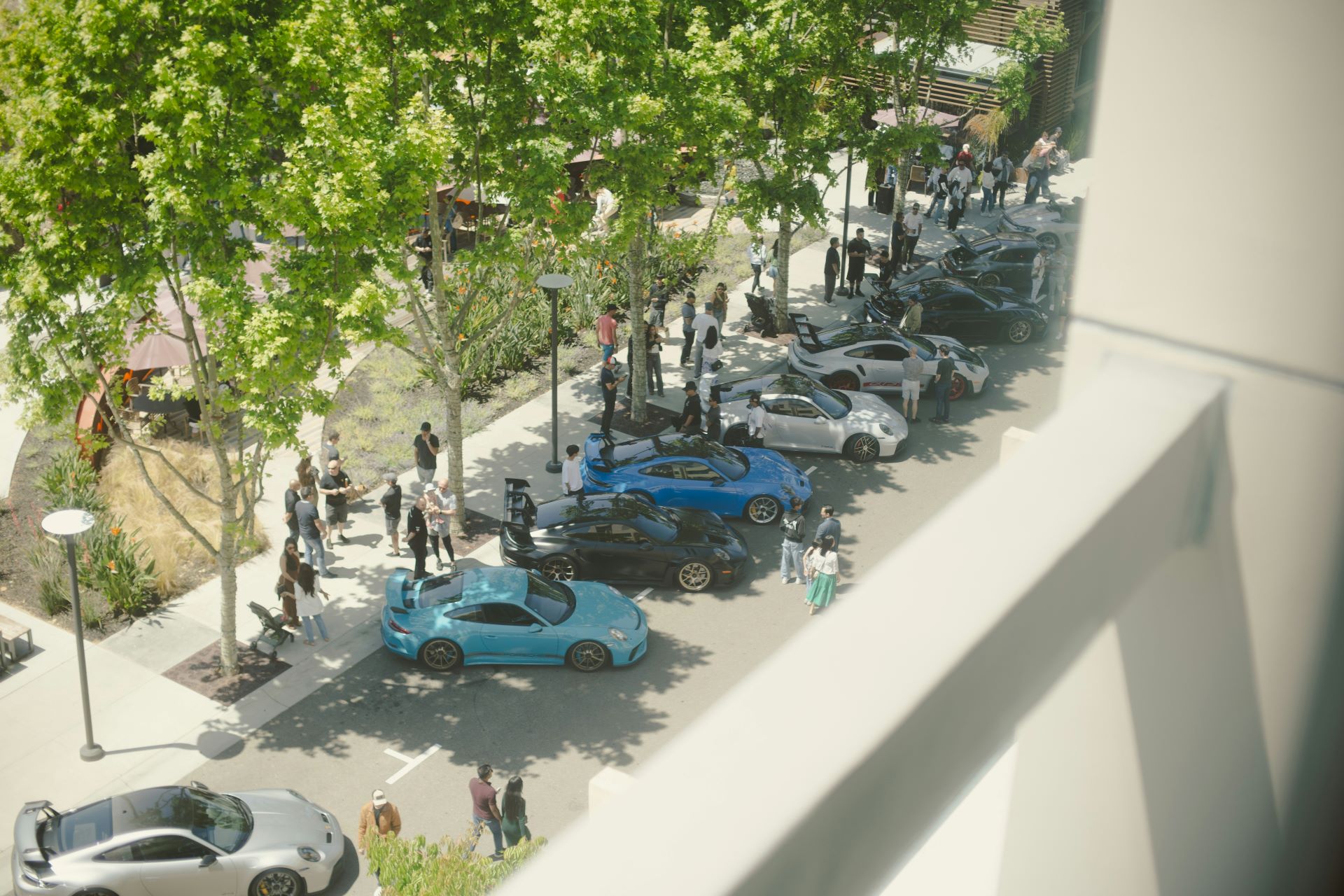
Understanding Community-Driven Marketing
At its core, community-driven marketing is about engagement rather than promotion. It is the practice of integrating a brand into the everyday lives of automotive enthusiasts, enthusiasts who congregate not just in showrooms or online forums but at local tracks, workshops, car clubs, and regional events. These communities are bound by shared interests, whether itÔÇÖs a love of performance tuning, classic restorations, or the latest electric vehicles.
Unlike traditional marketing, which often imposes messaging from above, community-driven strategies focus on listening, co-creating, and supporting initiatives that matter to the people within these networks. Brands that excel at this approach do not just broadcast messagesÔÇöthey participate in dialogue, facilitate experiences, and amplify the voices of enthusiasts.
The value of this strategy lies in authenticity. Consumers are increasingly resistant to conventional advertising. They trust peers, influencers, and fellow enthusiasts more than billboards or social media ads. By embedding themselves in the culture, brands create organic touchpoints that resonate deeply and foster long-term loyalty.
The Global Landscape: Lessons from Leading Markets
Globally, automotive brands are beginning to recognize the power of community as a growth driver. Tesla, for example, built much of its early momentum through fan-driven online forums, where owners shared experiences, troubleshooting tips, and product feedback. The brandÔÇÖs subsequent marketing relied less on traditional channels and more on fostering a devoted community that became evangelists for the products.
Similarly, MINI has long excelled in community-focused marketing. Its ÔÇÿMINI Takes the StatesÔÇÖ and other regional campaigns encouraged owners to participate in rallies and themed events, celebrating ownership as a lifestyle rather than just a transaction. Through these experiences, MINI created a network of loyalists who, in turn, became brand ambassadors, sharing their experiences organically.
Even outside the premium and niche segments, brands like Toyota and Ford are leveraging community initiatives. Pop-up track days, local club sponsorships, and engagement with youth driving programs are examples of how large automakers integrate into local ecosystems, fostering loyalty that is difficult to quantify in conventional ROI metrics but invaluable in cultural capital.
South Africa: A Unique Automotive Culture
South AfricaÔÇÖs automotive landscape provides fertile ground for community-driven marketing. With a deeply rooted car culture encompassing everything from high-performance motorsport to off-road adventures and classic restorations, there is a passion for vehicles that extends beyond simple ownership. Communities are vibrant and diverse: you have the motorsport enthusiasts who follow the GR Cup or WesBank Modified series, off-road adventurers exploring the Northern Cape dunes, and vintage car clubs celebrating South AfricaÔÇÖs automotive heritage.
What makes the South African market unique is the intersection of global influence and local identity. International trends filter in through media and digital platforms, yet regional sensibilitiesÔÇöclimate, terrain, road conditions, and socio-cultural factorsÔÇöshape how vehicles are experienced and celebrated. Brands that succeed in this environment are those that understand local dynamics and can adapt global strategies to resonate authentically with South African audiences.
Consider the rise of the 4x4 community in South Africa. For decades, enthusiasts have transformed rugged vehicles into overland rigs capable of enduring the harshest conditions. Local clubs frequently organize trail runs, bush excursions, and charity events, creating strong bonds among members. Automotive brands that support these initiatives, whether through event sponsorships, vehicle demos, or product clinics, cultivate goodwill and trust while simultaneously showcasing their vehicles in authentic use scenarios.
Experiential Engagement: Beyond the Dealership
Community-driven marketing thrives on experiences rather than passive observation. Experiential engagement allows enthusiasts to interact with brands in meaningful ways, often outside traditional sales contexts. Track days, off-road excursions, car meets, and restoration workshops serve as platforms for immersive experiences that strengthen brand affinity.
In South Africa, the emergence of experiential events tailored to local communities has been notable. Brands like Volkswagen and Toyota sponsor driver education and off-road clinics, while luxury automakers such as BMW and Mercedes-Benz host exclusive performance driving experiences. These events provide a dual benefit: enthusiasts gain memorable, hands-on experiences, and brands gain the opportunity to showcase vehicle capabilities in real-world conditions while building emotional connections.
Globally, automakers are adopting similar approaches. Porsche Experience Centers, NissanÔÇÖs NISMO track events, and HondaÔÇÖs community-oriented motorsport initiatives exemplify how brands turn customers into advocates by delivering tailored, memorable experiences. The key is authenticityÔÇöthe events must resonate with the target audienceÔÇÖs interests and provide value beyond mere promotion.
Digital Communities: The Modern Connection
While face-to-face engagement is invaluable, digital communities have become equally important in shaping automotive culture. Forums, social media groups, and content-sharing platforms allow enthusiasts to connect across regions and countries, transcending geographic limitations. Brands that actively participate in these online ecosystems can amplify their reach, respond to feedback in real time, and nurture a sense of belonging.
In South Africa, Facebook groups, WhatsApp clusters, and Instagram communities play pivotal roles in connecting enthusiasts. From supercar owners in Cape Town to classic Volkswagen Beetle aficionados in Johannesburg, these digital networks facilitate dialogue, share knowledge, and organize events. Brands that listen, contribute meaningful content, and support community initiatives online can cultivate loyal followings that translate into real-world engagement and sales.
The global automotive scene mirrors this trend. Tesla forums, Porsche ClubsÔÇÖ online portals, and MINI ownersÔÇÖ social networks demonstrate the power of digital communities in maintaining brand passion. For automakers, the opportunity lies in creating spaces where consumers feel heard, supported, and celebrated, transforming engagement from transactional to relational.

Co-Creation: Empowering Communities
One of the most powerful aspects of community-driven marketing is co-creation. Involving enthusiasts in the development of vehicles, aftermarket accessories, and brand initiatives not only improves products but also fosters a sense of ownership among participants. Feedback loops, beta testing programs, and design contests are examples of how brands can integrate community insights into tangible outputs.
South African automotive brands have increasingly experimented with co-creation. Limited-edition vehicle builds, user-driven customization workshops, and collaborative rally sponsorships are becoming more common. These initiatives allow brands to capture the creativity and expertise of enthusiasts while strengthening loyalty and engagement.
Internationally, the co-creation model has proved equally effective. Companies like Jeep and Subaru regularly engage owners in concept vehicle design feedback, event programming, and social campaigns. By inviting the community to participate, brands transform passive consumers into active collaborators, generating advocacy that extends far beyond paid advertising.
Building Local Automotive Culture
Community-driven marketing is not simply about salesÔÇöit is about culture. Successful brands contribute to, rather than disrupt, the ecosystems in which their audiences exist. This requires a deep understanding of the nuances of local automotive communities, respect for their values, and a willingness to invest in long-term engagement.
In South Africa, culture-building initiatives range from supporting classic car clubs in Cape Town to engaging with motorsport schools in Gauteng. These efforts foster pride, knowledge-sharing, and collaboration, establishing brands as integral players in the community. They signal that the brand values not just revenue but the well-being and growth of the local automotive culture.
Globally, brands that invest in community-building reap similar rewards. MINI, Volkswagen, and Porsche demonstrate that creating spacesÔÇöphysical and digitalÔÇöwhere enthusiasts feel valued strengthens brand identity, deepens loyalty, and nurtures a generation of advocates who carry the brandÔÇÖs story forward.
Measuring Success in Community-Driven Marketing
Unlike traditional campaigns measured primarily through sales metrics, the impact of community-driven marketing is multifaceted. Brand loyalty, advocacy, engagement levels, and cultural influence are all critical indicators of success. These are measured through qualitative feedback, social media interaction, event attendance, and long-term retention rates.
For South African brands, tracking success often involves monitoring community growth, event participation, and collaboration with influencers who have credibility within the automotive scene. Globally, brands measure success through a combination of social metrics, net promoter scores, and brand sentiment analysis. While harder to quantify than traditional KPIs, these measures capture the intangible yet vital outcomes of community-driven initiatives: trust, affinity, and cultural relevance.
Challenges and Considerations
Community-driven marketing is not without challenges. Misalignment between brand objectives and community values can erode trust, while poorly executed initiatives may appear opportunistic or superficial. Brands must navigate sensitivities around exclusivity, representation, and authenticity, particularly in diverse markets such as South Africa.
Additionally, sustaining engagement requires ongoing investment. Unlike traditional campaigns that operate in bursts, community-driven strategies demand consistent dialogue, event programming, and content creation. It is a long-term commitment but one that pays dividends in the form of deep-rooted loyalty and cultural integration.

The Future of Automotive Communities
As the automotive landscape evolvesÔÇöelectrification, autonomy, and shared mobility reshape vehicle ownershipÔÇöcommunity-driven marketing will become increasingly vital. Enthusiasts will continue to seek connection, experiences, and authenticity, whether they are early adopters of electric vehicles or passionate restorers of vintage models. Brands that understand the value of local culture, invest in communities, and empower enthusiasts will not only sell carsÔÇöthey will shape automotive culture itself.
In South Africa and globally, the road ahead is clear: building community is building culture, and building culture is building brand legacy. Community-driven marketing is not just a strategy; it is a philosophy that elevates the automotive experience from ownership to belonging.
Breyten Odendaal
Specializing in high-performance automotive advertising and digital marketing solutions, delivering cutting-edge insights and the latest news shaping the automotive industry in South Africa.
More From Advertising
Automotive Advertising in 2026: Selling Confidence in a More Competitive Market
As South Africa’s vehicle market becomes more competitive, automotive advertising needs to do more than announce a price or specification. It needs to help buyers understand value, ownership costs and why a vehicle suits their lives.

Automotive Digital Ads in South Africa: A Shift
Exploring how South Africa’s automotive advertising evolved from print and broadcast to data-driven, programmatic digital ecosystems.

The Video Shift in Car Buying Decisions in SA
Explore how video content shapes car purchase decisions in South Africa, comparing short-form and long-form strategies for automotive marketers.