The Emergence of Filmic Car Advertising
In an era dominated by attention scarcity and digital fragmentation, automotive brands have had to evolve beyond traditional marketing tactics. Long gone are the days when a simple montage of glossy metal, horsepower figures, and price tags could persuade a consumer to choose one vehicle over another. Today, the most memorable campaigns are those that borrow from the lexicon of cinemaÔÇöthose that make the audience feel, rather than just see. Cinematic storytelling in automotive advertising has emerged as a pivotal strategy, allowing brands to create emotional resonance that outlives the lifespan of a single campaign.
Consider BMWÔÇÖs iconic The Hire series, a set of short films released in the early 2000s. With renowned directors such as Ang Lee and Guy Ritchie at the helm, the series transformed the brand from a manufacturer of high-performance vehicles into a storyteller of intrigue, suspense, and sophistication. Here, the car was never merely a product; it was a protagonist, facilitating daring escapes, embodying freedom, and projecting a lifestyle aspiration. Similarly, JaguarÔÇÖs British Villains campaign celebrated the marqueÔÇÖs heritage with a roster of charismatic British actors portraying stylish antiheroes. The vehicles were framed not just as tools of transportation but as instruments of personality, rebellion, and drama.
The rise of filmic automotive advertising is not coincidental. In a market flooded with technological parity, narrative has become a crucial differentiator. Modern consumers are exposed to thousands of messages daily. To break through the noise, automotive brands must offer more than featuresÔÇöthey must tell stories that reflect values, identity, and aspiration. Narrative-driven campaigns accomplish this by creating a cinematic space where the audience can project themselves into the story. In doing so, the car ceases to be a mere commodity; it becomes a symbol, a vessel through which emotions, ambitions, and fantasies are experienced.
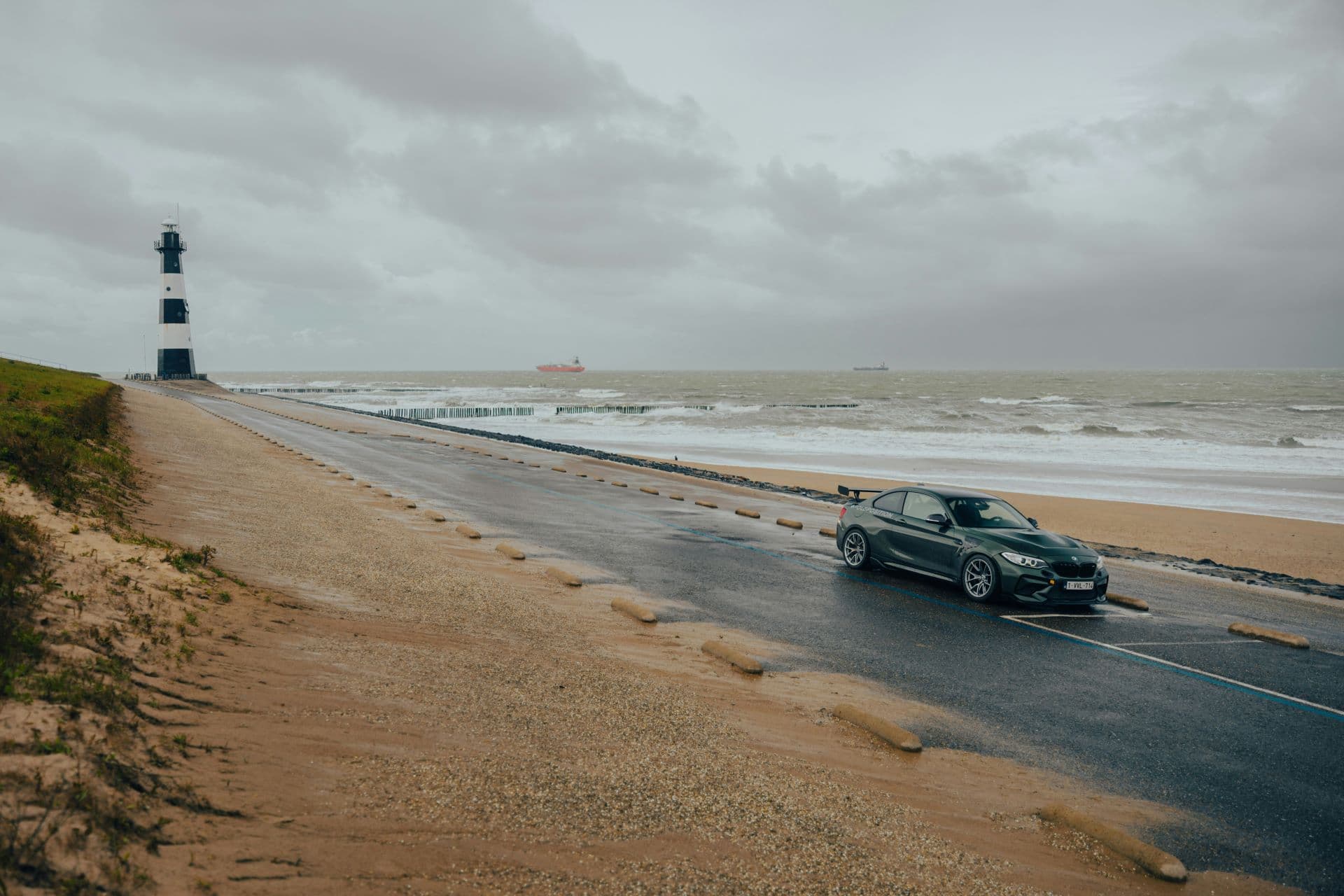
From a marketing perspective, this approach capitalizes on the emotional brain. Neuroscientific research consistently shows that humans remember stories more vividly than facts alone. While horsepower numbers may inform a decision, feelings influence loyalty. Cinematic storytelling leverages this, embedding the brand into the emotional memory of the consumer. Whether itÔÇÖs the thrill of a high-speed chase, the intimacy of a quiet drive along coastal roads, or the aspirational aura of sophistication, these campaigns craft an emotional narrative that canÔÇÖt be replicated through specs or brochures.
Moreover, cinematic campaigns often transcend media boundaries. The Hire was released online at a time when internet streaming was novel, prefiguring todayÔÇÖs dominance of digital platforms. JaguarÔÇÖs British Villains spanned TV, cinema, and online channels, demonstrating how storytelling can unify multi-platform campaigns under a single narrative vision. In an age where attention is fragmented across screens, the cohesive story is a bridge that draws consumers from curiosity to engagement. The cinematic metaphor thus becomes a versatile tool, capable of creating brand ecosystems rather than isolated marketing touchpoints.
Anatomy of a Cinematic Car Campaign
Creating a car advertisement that feels like a film requires more than high production values. It demands a meticulous understanding of narrative architecture, character, and pacing. At the core, cinematic car ads share structural similarities with short films: they introduce characters, set a conflict, and resolve a narrative arcÔÇöusually within a minute to several minutes. Every frame is an opportunity to communicate emotion, brand values, and product utility, all while maintaining cinematic authenticity.
Characterization is central. In The Hire, the Driver was a minimalist protagonist, whose personality was expressed through action rather than dialogue. His interactions with the car became a dance of anticipation and performance, subtly reinforcing the BMW brand as synonymous with precision, control, and exhilaration. Jaguar, conversely, used iconic British actors to personify traits like cunning, style, and rebelliousness. The vehicles became extensions of these personalities, embodying traits the audience might aspire to or admire. In both cases, the narrative logic dictated how the car was presentedÔÇönot the other way around. The carÔÇÖs specifications were implied through its narrative performance rather than overtly explained, proving that storytelling trumps technical exposition.
Visual language plays an equally critical role. Cinematic ads employ lighting, composition, and camera movement to create atmosphere and mood. High-contrast lighting might evoke tension; sweeping drone shots can elicit awe. Sound design, including engine notes, ambient effects, and score, becomes a character in itself. Consider The Hire: StarÔÇöthe revving of the BMW engine, the screeching tires, and the swelling score coalesce to produce a sensory experience that heightens the narrative. In this sense, the campaign is more than an ad; itÔÇÖs a cinematic experience that the audience inhabits.
The pacing of cinematic car ads is also distinctive. Unlike traditional advertising, which often rushes to highlight product features, cinematic storytelling allows for tension, pause, and rhythm. In a world saturated with instant gratification, this measured pacing demands attention and engagement, compelling viewers to invest in the story before revealing the car. When executed successfully, this results in a cognitive and emotional reward: the audience feels a sense of discovery, triumph, or exhilaration by the conclusion of the spot.
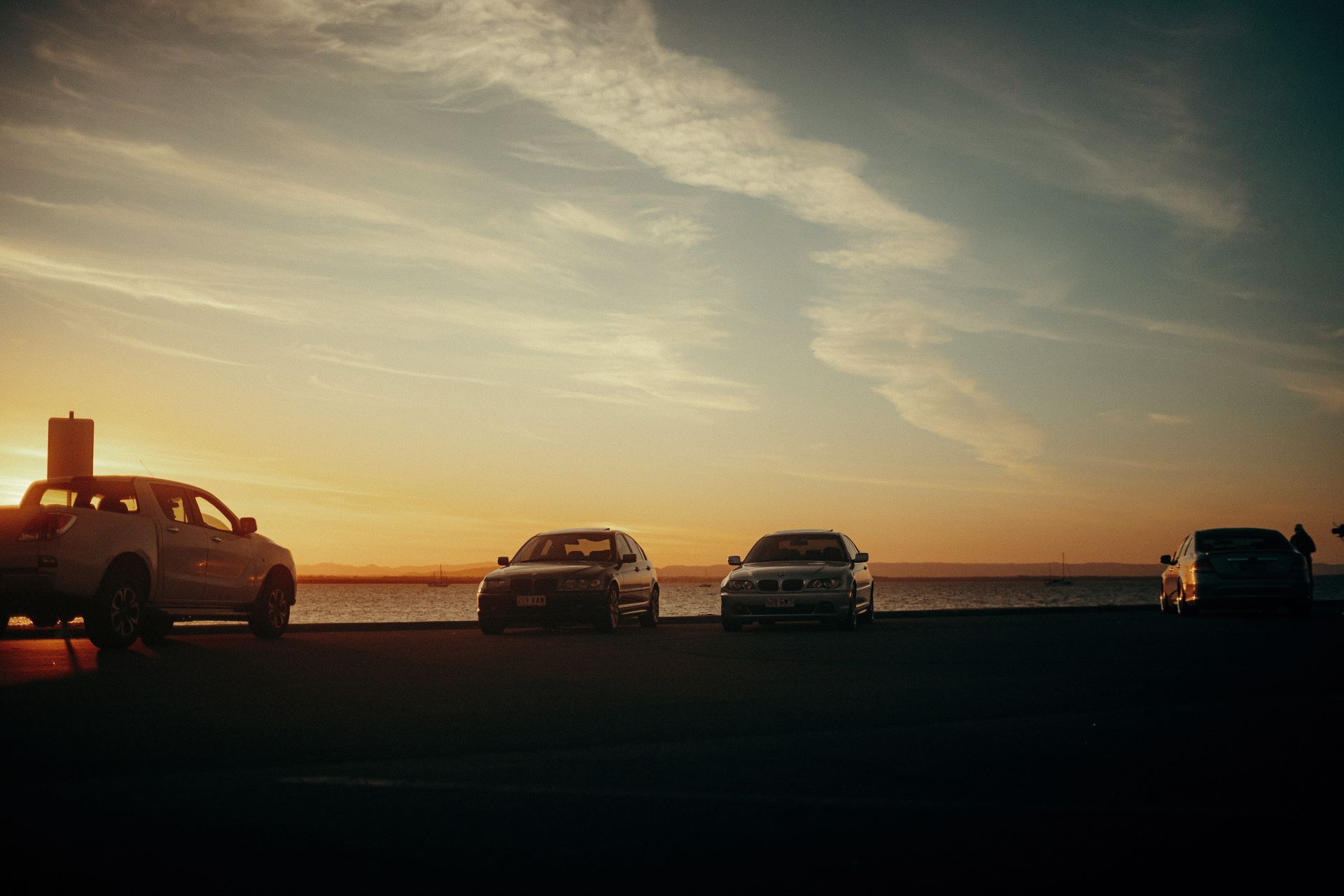
A hallmark of cinematic storytelling in automotive advertising is integration of setting. Urban landscapes, coastal highways, or deserted industrial sites are more than backdrops; they are narrative devices. Each setting interacts with the car and the character, reflecting values like sophistication, adventure, or rebelliousness. The setting amplifies the brandÔÇÖs identity without a single word being spoken, demonstrating that marketing can communicate as much through context as through copy or voiceover.

Emotional Resonance over Features
One of the most compelling lessons from cinematic car advertising is that emotion often eclipses functionality in driving consumer engagement. Traditional car advertising fixates on specifications: acceleration times, fuel efficiency, cargo capacity. While these metrics matter in purchase decisions, they rarely create lasting brand attachment. Emotional resonance, by contrast, fosters loyalty, advocacy, and cultural relevance.
Take AudiÔÇÖs The Art of the Heist or LexusÔÇÖ Emotion in Motion campaigns as illustrative examples. Both leaned heavily into storytelling, emphasizing desire, elegance, and drama. Technical features were embedded in narrative action rather than overtly described. The audience absorbed the carÔÇÖs attributes intuitively, through observation and association. This method transforms abstract specs into visceral experiences. A tight suspension system isnÔÇÖt just a number; itÔÇÖs the exhilaration of cornering on a winding road at dawn. Quattro drive isnÔÇÖt merely a drivetrain; itÔÇÖs mastery over the elements. Narrative converts engineering into feeling.
Moreover, cinematic storytelling aligns with aspirational marketing. Cars are not just purchasedÔÇöthey are inhabited. They express identity, communicate status, and evoke emotion. When brands frame their vehicles within cinematic narratives, they allow audiences to envision themselves within those stories, experiencing moments of triumph, thrill, or serenity. In doing so, the ad becomes a vicarious journey, one that the viewer internalizes, remembers, and shares. This aspirational resonance is often more persuasive than traditional demonstrations of utility, because it engages the psychological desire for lifestyle and self-expression.
The success of such campaigns also hinges on authenticity. Audiences are adept at detecting contrived storytelling. The most effective cinematic ads integrate the product seamlessly, so that it feels natural within the narrative. BMW and Jaguar achieved this by ensuring the car was not merely a prop but an active participant in the story. Every action, from high-speed maneuvers to subtle interactions with the environment, reinforced the brandÔÇÖs values organically. The result is an experience that feels both credible and emotionally compelling.
Finally, cinematic advertising encourages repeat engagement. In a media landscape where brands struggle to secure attention, campaigns that invite discussion, analysis, and sharing extend their reach beyond traditional channels. The Hire gained cult status partly because viewers revisited episodes to catch nuances and Easter eggs. JaguarÔÇÖs narrative-driven campaigns generated buzz and cultural conversation, amplifying impact well beyond initial impressions. Emotional and narrative resonance thus not only persuadesÔÇöit perpetuates brand presence.
Integrating Cinema into Modern Marketing
The challenge today is not just creating cinematic contentÔÇöitÔÇÖs embedding it into a coherent marketing ecosystem. The modern consumer interacts with multiple touchpoints: social media, digital streaming, experiential events, and dealership experiences. Cinematic storytelling is most effective when it operates not as an isolated spectacle but as the backbone of an integrated strategy.
Digital platforms, in particular, provide unprecedented opportunities for narrative expansion. Mini-series, web films, and interactive stories allow brands to extend narratives beyond traditional TV slots. A campaign can introduce characters online, evolve the story over multiple releases, and engage audiences through social interactions and gamification. This not only maximizes the investment in production but fosters community and shared experience. Audiences become co-participants in the story, deepening attachment to both the narrative and the brand.
Experiential marketing can also borrow cinematic principles. Branded test drives, virtual reality experiences, and immersive events can recreate narrative arcs in physical or digital space. A test drive becomes a storyÔÇÖs chapter; a VR simulation, a cinematic adventure. These tactics reinforce the emotional associations cultivated through advertising, ensuring that engagement translates into memory, preference, and ultimately, purchase consideration.
Partnerships with talent, directors, and influencers remain pivotal. BMWÔÇÖs collaboration with celebrated filmmakers underscored that storytelling excellence requires professional craft. By leveraging expertise in cinematography, scoring, and direction, automotive brands can produce content that meets the aesthetic and emotional standards audiences expect from cinema itself. The payoff is twofold: prestige and memorability. Consumers perceive the brand as sophisticated and culturally attuned, aligning the car with desirable qualities beyond performance metrics.
Finally, data and analytics allow brands to measure engagement in ways traditional campaigns could not. Metrics such as view completion rates, social shares, and emotional sentiment tracking provide insight into how effectively a cinematic narrative resonates. These insights inform iteration, enabling campaigns to evolve in response to audience reception. In effect, cinematic storytelling in automotive marketing is not only an artÔÇöit is a science, marrying creativity with measurable impact.
Lessons for Future Automotive Marketing
Cinematic storytelling has proven that in the battle for consumer attention, emotion and narrative often outweigh the cold facts of engineering. The enduring success of campaigns like The Hire or JaguarÔÇÖs British Villains demonstrates that vehicles are most compelling when they become participants in a larger story. For automotive marketers, the lesson is clear: design campaigns that communicate more than functionalityÔÇöthey must convey identity, lifestyle, and aspiration.
Looking forward, the convergence of new technologies, changing media habits, and evolving consumer expectations will further elevate cinematic approaches. Augmented reality, AI-driven personalization, and immersive streaming experiences will allow brands to craft stories tailored to individual preferences, extending narrative intimacy while maintaining cinematic quality. The essence remains the same: the car is a character, the narrative a conduit for emotion, and the audience an active participant.
Brands that invest in cinematic storytelling cultivate more than awarenessÔÇöthey foster loyalty, admiration, and cultural relevance. These campaigns inspire conversation, encourage sharing, and generate a sense of belonging among audiences. The car ceases to be a product; it becomes a narrative device, a symbol of identity, and a source of aspiration. This approach is particularly critical in a market saturated with parity, where differentiation can no longer rely solely on specifications.
In essence, cinematic storytelling transforms automotive marketing from a transactional exercise into an artistic, emotional, and culturally resonant practice. By embracing narrative, visual sophistication, and emotional engagement, brands can create campaigns that endure, inspire, and ultimately, drive preference. The road ahead for automotive marketing is cinematic, and the brands that master this language will define the benchmarks for both creativity and effectiveness in the industry.
Breyten Odendaal
Specializing in high-performance automotive advertising and digital marketing solutions, delivering cutting-edge insights and the latest news shaping the automotive industry in South Africa.
More From Advertising

Automotive Advertising in 2026: Selling Confidence in a More Competitive Market
As South Africa’s vehicle market becomes more competitive, automotive advertising needs to do more than announce a price or specification. It needs to help buyers understand value, ownership costs and why a vehicle suits their lives.

Automotive Digital Ads in South Africa: A Shift
Exploring how South Africa’s automotive advertising evolved from print and broadcast to data-driven, programmatic digital ecosystems.

The Video Shift in Car Buying Decisions in SA
Explore how video content shapes car purchase decisions in South Africa, comparing short-form and long-form strategies for automotive marketers.