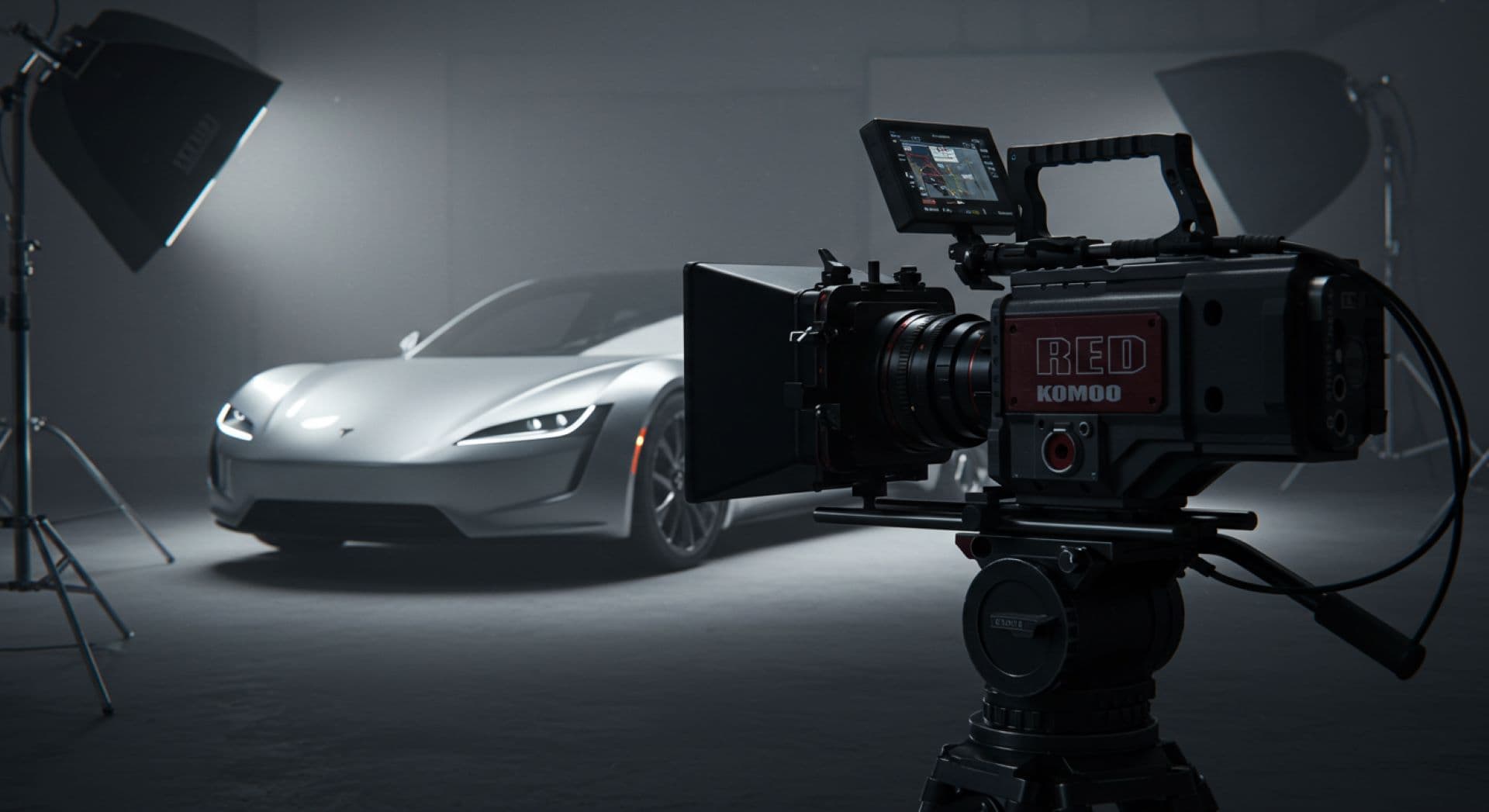
Lights, Camera, Horsepower!
When the DeLorean DMC-12 first burst onto screens in Back to the Future (1985), it wasnÔÇÖt just the flux capacitor or time travel that captured heartsÔÇöit was the car. With its stainless-steel sheen, gullwing doors, and futuristic aura, the DeLorean didnÔÇÖt just transport Marty McFly through timeÔÇöit transported audiences into a new realm of automotive desire. This isnÔÇÖt a one-off phenomenon. Time and again, cars have leapt from the realm of transportation into the annals of pop culture legend, thanks to the silver screen and the booming bass of a music video.
Film and music have the unique power to mythologize machines. In an era where brands compete not just for attention but adoration, the cinematic and musical lens can elevate a car from mere metal to cultural icon. From the smoky tire marks of a Hollywood car chase to the shimmering reflection of a Lamborghini in a rap video, visual media doesnÔÇÖt just show carsÔÇöit sells dreams, thrills, and status.
This article dives into the high-octane relationship between film, music, and motoring. WeÔÇÖll explore how cars have become supporting actors, style icons, and emotional totems in the stories we loveÔÇöigniting desires far beyond the showroom floor.
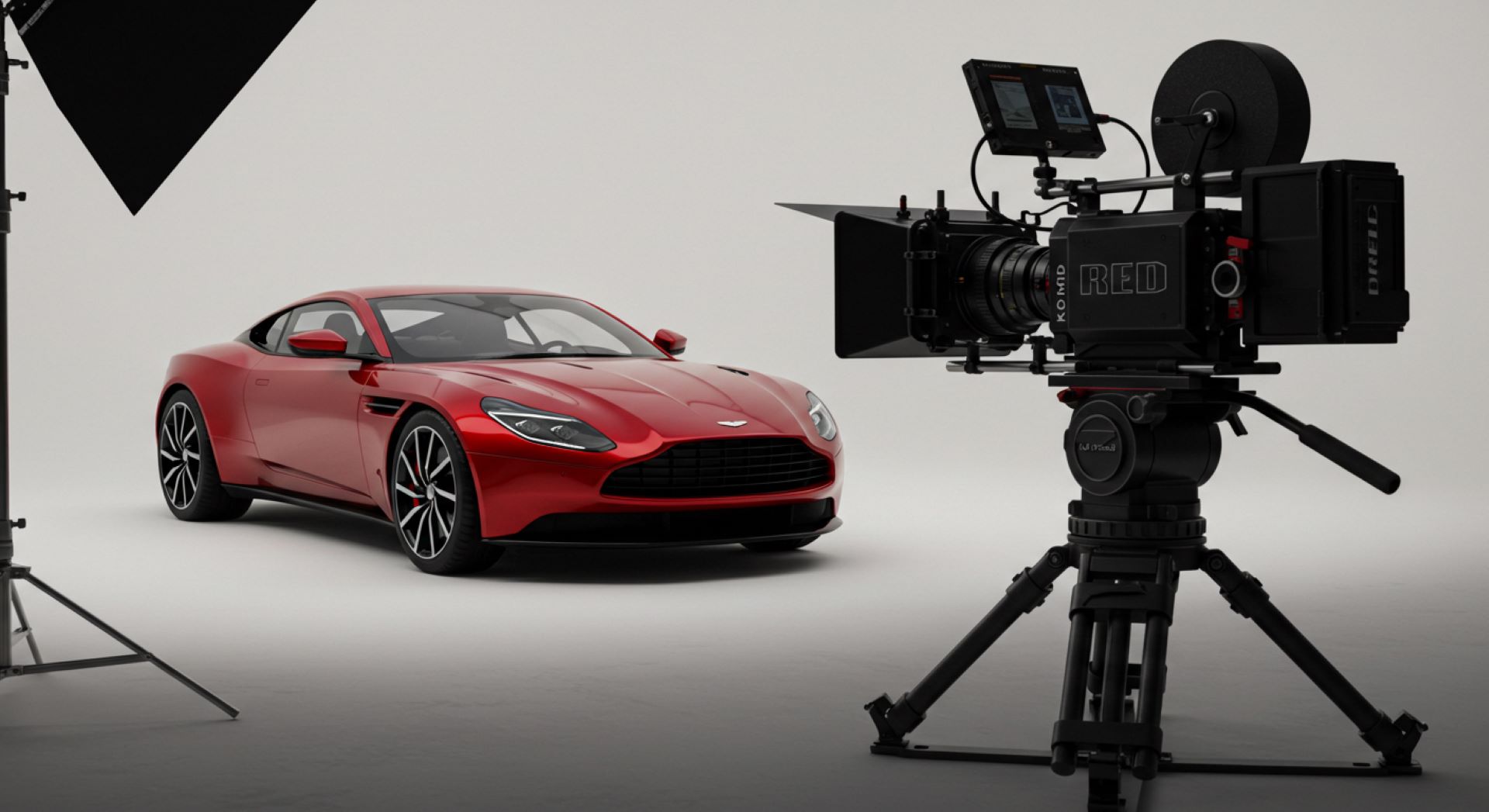
Historical Context: From Silent Film to the Soundtrack of Speed
The love affair between cinema and cars began almost as soon as film itself. In the early 20th century, as moving pictures evolved, so too did their vehicular stars. Silent films like The Great Train Robbery (1903) hinted at the thrill of motion, but it was the car chase scenes of Buster Keaton and Harold Lloyd that truly set the stage for what was to come.
By the 1960s, cars were more than just propsÔÇöthey were symbols of freedom, rebellion, and sex appeal. Think of Steve McQueenÔÇÖs Mustang GT 390 in Bullitt (1968). That raw, unfiltered car chase through the hills of San Francisco wasn't just thrilling cinemaÔÇöit was a revolution in how cars were perceived. It turned a Mustang into a must-have.
Meanwhile, music videos, which began to explode with the advent of MTV in the early 1980s, added a new, hyper-stylized dimension. Cars became visual metaphors for power, wealth, and freedom. Whether it was ZZ Top cruising in their Eliminator coupe or Madonna in a classic Thunderbird, the message was clear: cool people drive cool cars.
As films and music videos gained global reach, so did the cars within them. The Aston Martin DB5 became forever associated with James BondÔÇÖs suave espionage. The Mini Cooper earned a cheeky coolness in The Italian Job (1969 and 2003). And who could forget The Fast and the Furious franchise, which turned tuning culture into a billion-dollar global obsession?
Impact of Music Videos: Fast Beats and Faster Cars
Music videos have become a visual playground for automotive fantasy. From the synth-driven ÔÇÿ80s to the hyper-polished hip-hop and trap videos of today, cars have remained central figures.
In the 1980s, MTV ushered in a new era of pop-cultural expression. Artists like Prince and Bruce Springsteen often featured muscle cars and convertibles as part of their rebellious personas. Fast-forward to the ÔÇÿ90s and 2000s, hip-hop took the wheel. The Cadillac Escalade, Hummer H2, and Lamborghini Murci├®lago werenÔÇÖt just luxury vehiclesÔÇöthey were badges of success, often appearing in videos by Jay-Z, Missy Elliott, and 50 Cent.
Today, artists like Travis Scott, Bad Bunny, and Doja Cat blend surreal visual effects with hypercars like the Bugatti Chiron or Tesla Cybertruck to create futuristic fantasies. The cultural shift is notable: itÔÇÖs not just about owning the car, itÔÇÖs about creating a dreamscape around it.
Interestingly, electric vehicles are starting to take up this mantle. In videos by Billie Eilish or Jaden Smith, the sleek silence of an EV adds a new layer of coolÔÇöa calm rebellion against the combustion-powered bravado of the past.
Psychological and Cultural Influence: The Allure Behind the Lens
What is it about seeing a car on screen that makes us want one? Psychologists would argue that the connection is rooted in identification and aspiration. When a character we admire commands a powerful car, it activates our own desires for status, control, and adventure.
Cars also symbolize autonomyÔÇöespecially in Western cultures. In many coming-of-age films, the protagonist getting behind the wheel is a metaphor for freedom. Media taps into this rite of passage, often wrapping it in luxury, speed, and sex appeal.
Culturally, the cars featured in media often reflect societal values. In the ÔÇÿ60s, it was muscle cars and rebellion. In the ÔÇÿ80s, it was opulence. Today, itÔÇÖs a mixÔÇöperformance, sustainability, and identity.
Experts like Dr. Charles Taylor, a marketing professor at Villanova University, note that "product placement in films is far more powerful than traditional advertising because it's seamless and aspirational." Simply put, we donÔÇÖt feel like weÔÇÖre being sold toÔÇöwe feel like weÔÇÖre being shown who we could become.
Marketing and Industry Benefits: Product Placement on Overdrive
The automotive industry has long recognized the ROI of cinematic exposure. Strategic partnerships between filmmakers and car brands are now standard practice.
AudiÔÇÖs collaboration with Marvel for Tony StarkÔÇÖs garage of R8s and e-trons didnÔÇÖt just scream luxuryÔÇöit whispered innovation. BMWÔÇÖs long-running involvement in the Mission: Impossible series kept the brand relevant to thrill-seeking professionals. Even niche cars, like the Lexus LC 500 in Black Panther, gained a sudden surge in attention and showroom visits post-release.
Music labels and auto manufacturers have also found common ground. Companies like Mercedes-Benz have invested in music marketing campaigns, offering vehicles as part of set design or even co-branding entire clips. ItÔÇÖs a symbiosis: the artist gets sleek visuals, and the brand gets street cred.
This synergy often extends to social media, where behind-the-scenes footage or teaser campaigns amplify engagement before the film or video even drops.
The Road Ahead
From Steve McQueenÔÇÖs tire-squealing chases to Kanye WestÔÇÖs chromed-out Maybach, the relationship between media and motoring is deeply entrenched in our collective psyche. These moving pictures do more than entertainÔÇöthey accelerate desire.
As we look to the future, with the rise of virtual production, digital influencers, and immersive content, cars will continue to evolve as on-screen protagonists. Electric vehicles, autonomous tech, and even concept cars are stepping into the limelight, poised to redefine what it means to be desirable.
So next time you see a car gliding across the screen with cinematic flair or idling in slow motion under neon lights in a music videoÔÇöremember: youÔÇÖre not just watching a vehicle. YouÔÇÖre watching a story, a lifestyle, a symbol of something more.
And thatÔÇÖs the real power of cinematic machines.
Breyten Odendaal
Specializing in high-performance automotive advertising and digital marketing solutions, delivering cutting-edge insights and the latest news shaping the automotive industry in South Africa.
More From Advertising

Automotive Advertising in 2026: Selling Confidence in a More Competitive Market
As South Africa’s vehicle market becomes more competitive, automotive advertising needs to do more than announce a price or specification. It needs to help buyers understand value, ownership costs and why a vehicle suits their lives.

Automotive Digital Ads in South Africa: A Shift
Exploring how South Africa’s automotive advertising evolved from print and broadcast to data-driven, programmatic digital ecosystems.

The Video Shift in Car Buying Decisions in SA
Explore how video content shapes car purchase decisions in South Africa, comparing short-form and long-form strategies for automotive marketers.