Driving Beyond Transportation
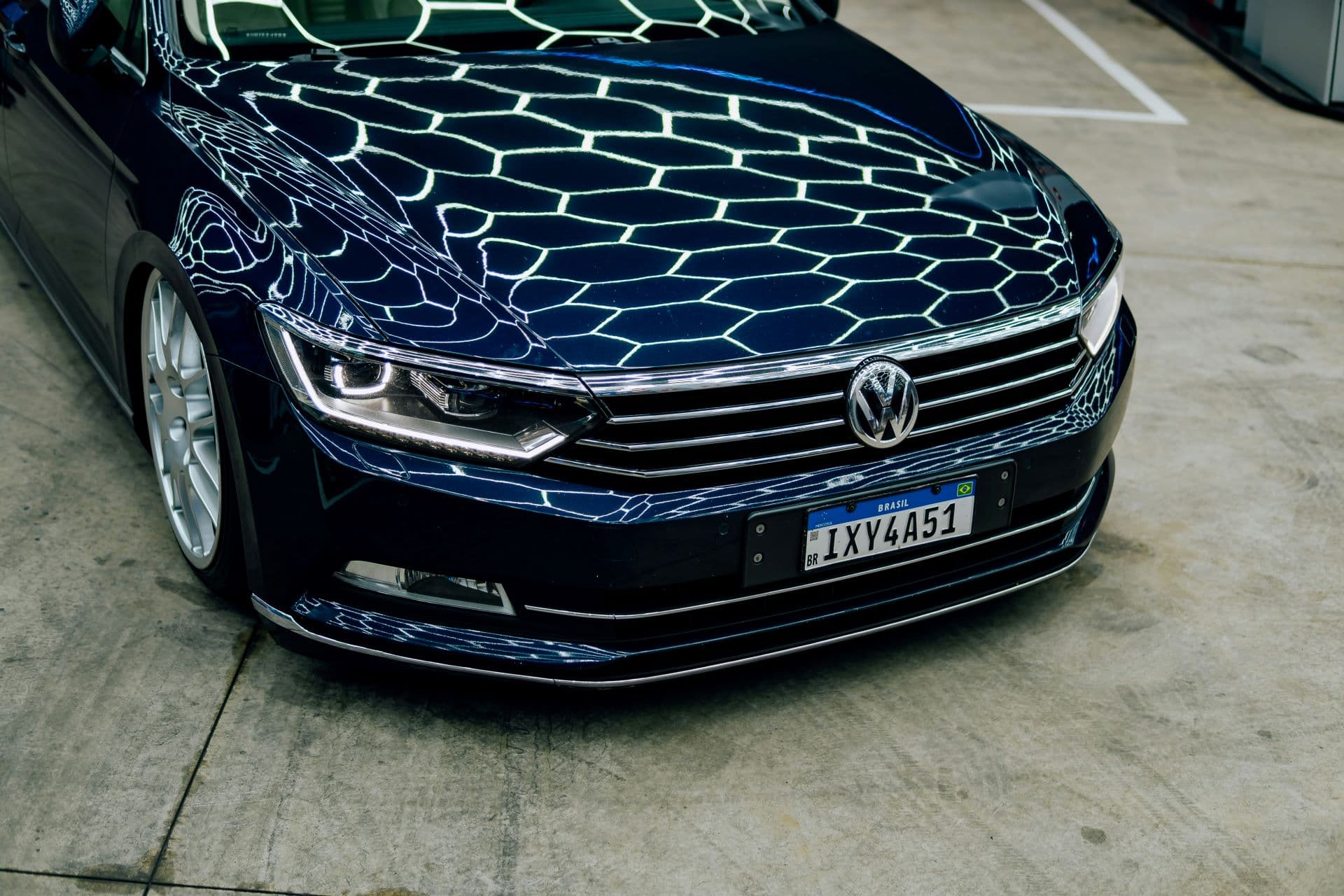
Cars have always been more than metal and machinery. For decades, vehicles have acted as extensions of personality, status, and lifestyle. While traditional marketing focused on performance, safety, or economy, modern automotive marketing has shifted toward selling identity. The vehicle becomes a canvas for self-expression, an emblem of taste, and a tool for shaping perception.
For marketers, this shift is profound. The product is no longer just a car; it is a personal statement. Brands that understand this nuance have the opportunity to connect with consumers on a deeply emotional level, offering more than utilityÔÇöthey offer recognition, belonging, and aspiration.

Personalization as a Core Strategy
One of the most effective ways brands communicate identity is through personalization. Customization options, ranging from interior trims and color palettes to infotainment systems and badges, allow consumers to tailor vehicles to their taste. The key is not just functional choice but expressive freedom.
When brands provide platforms for self-expression, they foster emotional attachment. TeslaÔÇÖs online configurator, for instance, allows buyers to visualize and design a vehicle that aligns with their personality. Similarly, MINIÔÇÖs ÔÇ£Build Your OwnÔÇØ campaigns position the car as a statement piece, highlighting the ownerÔÇÖs individuality. Each color, accessory, and interior detail becomes part of a narrative that communicates who the owner is without a single word.
Storytelling Through Aspirational Messaging
Beyond personalization, aspirational marketing plays a pivotal role in connecting vehicles to identity. Brands craft narratives that suggest a lifestyle rather than just a mode of transport. A luxury SUV is not merely about cargo spaceÔÇöit symbolizes freedom, sophistication, and influence. A sports car is not only about speedÔÇöit embodies daring, ambition, and performance.
Campaigns that highlight aspirational lifestyles tap into desires that transcend the car itself. AudiÔÇÖs ÔÇ£Vorsprung durch TechnikÔÇØ messaging, for instance, positions technology and engineering excellence as a reflection of the driverÔÇÖs intellect and taste. The narrative isnÔÇÖt about horsepower alone; itÔÇÖs about the identity associated with driving a forward-thinking, refined brand.
Communities and Cultures Around Cars
Identity is often reinforced in social contexts. Car enthusiasts gravitate toward communities that reflect their values, from off-road adventurers to sports car aficionados. Brands that facilitate these communities strengthen emotional connections.
Events like MINIÔÇÖs ÔÇ£JCW Club DaysÔÇØ or Land RoverÔÇÖs off-road experiences do more than promote vehiclesÔÇöthey create shared spaces where owners express themselves collectively. These gatherings reinforce identity both internally (personal satisfaction) and externally (social recognition). Marketing campaigns that emphasize these networks signal that owning the car is not merely a transactionÔÇöit is an entry into a lifestyle.
Influencers and Co-Creation
In todayÔÇÖs digital-first world, influencers amplify identity-driven marketing. Automotive brands partner with personalities whose own identities align with the carÔÇÖs narrative. Customization stories shared on Instagram or TikTok amplify aspirational messaging, reaching audiences in ways traditional advertising cannot.
Moreover, co-creation initiativesÔÇöallowing consumers to design unique accessories or limited editionsÔÇöstrengthen this identity connection. BMWÔÇÖs Individual program, for example, lets clients personalize their vehicles with exotic materials and bespoke features, transforming ownership into an artistic and personal experience.
Bridging Digital and Physical Identity
The rise of digital identity has further blurred the line between self-expression online and offline. Virtual showrooms, AR configurators, and digital twin experiences let consumers project their desired identities before committing to a purchase. Gamified experiences, such as driving simulators that showcase custom builds, reinforce this identity-based decision-making.
Marketing campaigns that integrate these digital experiences position cars as both lifestyle and personal branding tools. Ownership becomes a statement not only in the physical world but also within digital social spheres, where peers recognize and validate the choice.
Emotional Connection and Retention
Identity-driven marketing does more than attract buyersÔÇöit fosters long-term loyalty. When a consumer feels that a car truly reflects who they are, the purchase becomes deeply personal. They are less likely to switch brands, not because of features alone, but because of the emotional resonance attached to the vehicle.
Retention strategies that build on identityÔÇösuch as personalized service, exclusive events, or ongoing customization optionsÔÇöreinforce the bond between consumer and brand. This creates advocates who are not only repeat buyers but also evangelists, spreading the aspirational narrative organically.
The Future of Identity in Automotive Marketing
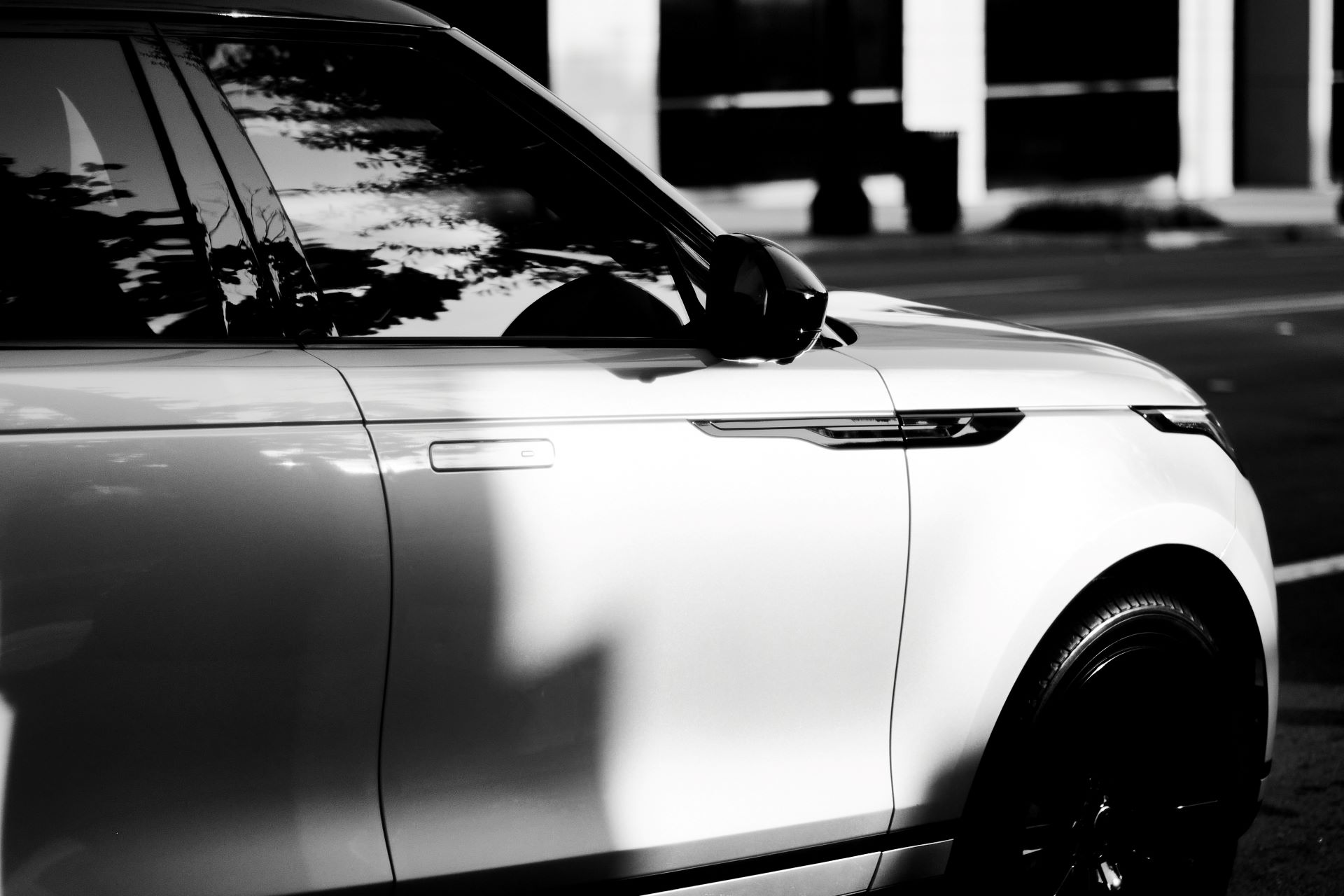
As technology evolves, the scope of identity-driven marketing expands. Electric vehicles, autonomous driving, and digital dashboards offer new canvases for personal expression. Ownership is no longer static; it is dynamic, interactive, and deeply personal.
Marketers who understand that vehicles function as identity tools will thrive in this landscape. Those who focus purely on functionality risk being perceived as utilitarian, while identity-focused campaigns cultivate loyalty, emotional attachment, and cultural relevance.
In essence, cars are no longer sold as machinesÔÇöthey are sold as statements. They are tools for storytelling, symbols of aspiration, and instruments of self-expression. For brands willing to embrace this philosophy, the road ahead is limitless.
Breyten Odendaal
Specializing in high-performance automotive advertising and digital marketing solutions, delivering cutting-edge insights and the latest news shaping the automotive industry in South Africa.
More From Advertising
Automotive Advertising in 2026: Selling Confidence in a More Competitive Market
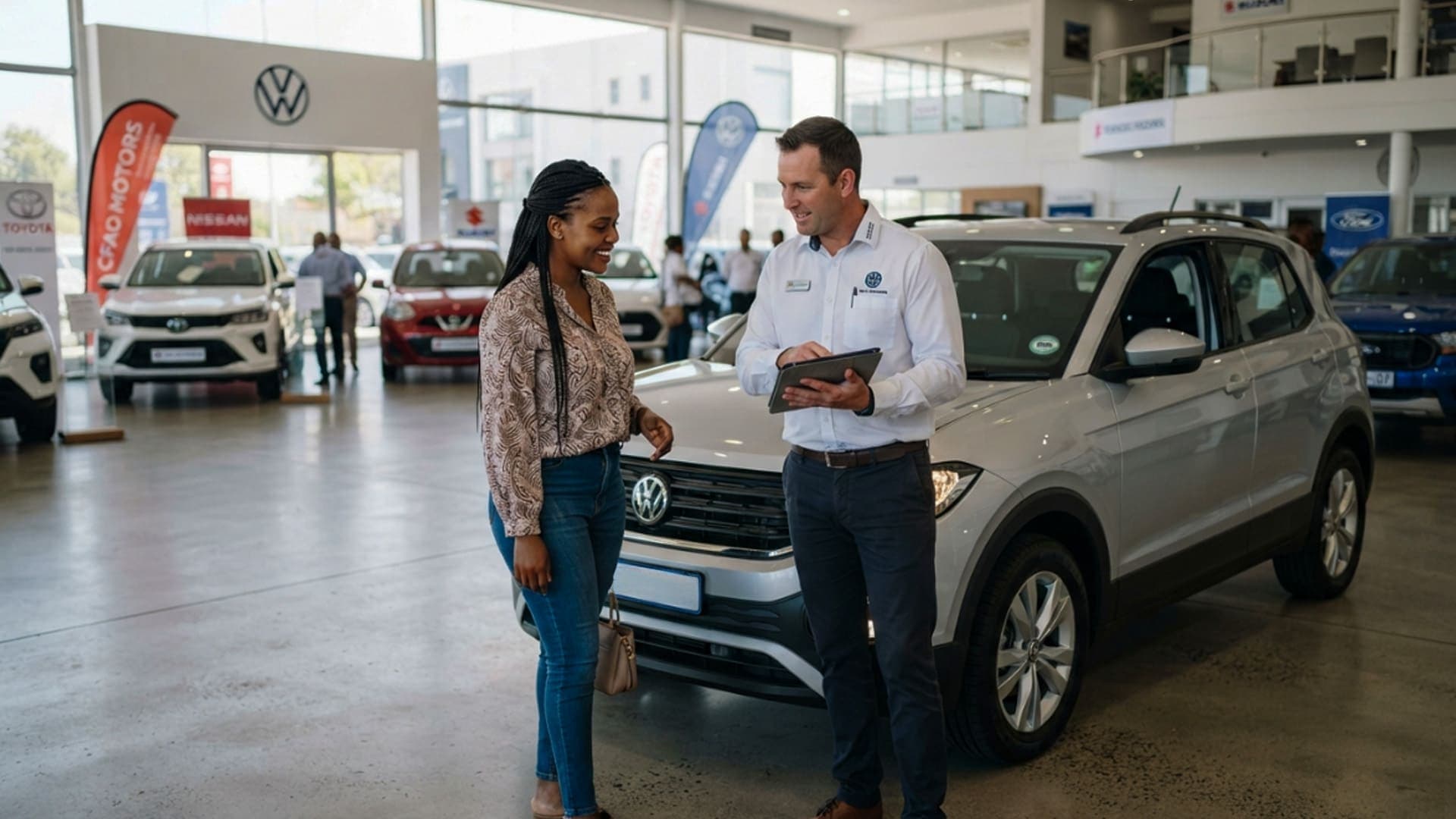
As South Africa’s vehicle market becomes more competitive, automotive advertising needs to do more than announce a price or specification. It needs to help buyers understand value, ownership costs and why a vehicle suits their lives.

Automotive Digital Ads in South Africa: A Shift
Exploring how South Africa’s automotive advertising evolved from print and broadcast to data-driven, programmatic digital ecosystems.

The Video Shift in Car Buying Decisions in SA
Explore how video content shapes car purchase decisions in South Africa, comparing short-form and long-form strategies for automotive marketers.