
The way car brands launch vehicles has undergone a dramatic transformation over the past decade. In 2025, traditional press events and auto show unveilings are increasingly being complementedÔÇöor outright replacedÔÇöby digitally-driven campaigns built for virality, engagement, and global reach. Powered by AI-driven content strategies, influencer ecosystems, and immersive experiences, automakers are redefining how they reveal their latest creations.
So, whatÔÇÖs actually working in 2025? We explore the most effective and innovative strategies car brands are using today to turn unveilings into cultural moments and leverage the full potential of social media platforms.

The Evolving Landscape of Automotive Launches
In the pre-social media era, car launches were typically reserved for exclusive events, media previews, and glossy TV spots. However, the explosion of digital platforms has shifted the spotlight from static spectacle to real-time, always-on engagement.
In 2025, nearly every major automaker now builds its car launch strategies around a digitally native audience. These launches arenÔÇÖt just eventsÔÇötheyÔÇÖre campaigns designed to build anticipation long before the curtain lifts and to keep consumers engaged long after.
Social platforms like TikTok, Instagram, YouTube, and now X (formerly Twitter), as well as newer contenders like BeReal+ and Loop, are all part of the toolbox. But knowing where to post is only half the battle; knowing how to tell the story makes all the difference.
Pre-Launch: Seeding Anticipation in a Saturated Market
The most successful campaigns of 2025 begin months before the official reveal. Carmakers now treat a launch like a TV series: drip-feeding teasers, behind-the-scenes clips, and cryptic content to stoke curiosity.
Case Study: BMWÔÇÖs Teaser Trail for the Neue Klasse EV
BMWÔÇÖs much-anticipated Neue Klasse EV reveal in April 2025 is a masterclass in pre-launch storytelling. Through a three-phase content rollout strategyÔÇöÔÇ£Concept | Craft | CreationÔÇØÔÇöthe company used immersive Instagram Reels to spotlight design meetings, engineering milestones, and even design sketches ÔÇÿleakedÔÇÖ by the team.
BMW worked with creators like @DrivenByDesign (5.2M followers) and @VantaVox (an AI-generated virtual car reviewer) to maintain the mystique. By the time the vehicle was officially revealed via a TikTok Live session hosted at CES 2025, millions had already been emotionally invested in the narrative arc.
What Worked:
Platform-Specific Strategies: Playing to the Strengths
In 2025, a one-size-fits-all approach to social media doesn't work. Instead, successful campaigns tailor messaging and content formats to the DNA of each platform.
TikTok & Reels: Short-Form Stories with Bite
TikTok remains the reigning king of short-form content, especially for Gen Z and younger millennials. Car brands are creating fun, fast-paced, and sometimes tongue-in-cheek content to reach younger audiences.
Winning Formula:
Take KiaÔÇÖs PV5 launch earlier this year: the brand invited 50 creators across mobility, design, and lifestyle to test the vehicle over a two-week challenge across Europe. Each TikTok post ended with a ÔÇ£Next clue drops tomorrowÔÇØ CTA, gamifying the experience and spiking watch-time.
YouTube: The Domain of Deep Dives
Long-form video still rules for enthusiasts. Whether it's Doug DeMuro-style breakdowns, cinematic launch films, or candid factory walkarounds, YouTube is where storytelling and technical detail intersect.
Mercedes-Benz leaned into this with the S-Class EV reveal in January. Instead of a press event, the brand dropped a 30-minute short film styled as a spy thriller. Within two weeks, the video had amassed 18 million views and was even adapted into a limited ad campaign on Netflix.
Instagram: The Visual Tease & Highlight Reel
Instagram remains the go-to for aesthetic presentation. Grid posts, Reels, and Stories allow brands to curate a highly visual narrative while experimenting with formats like carousels, polls, and influencer takeovers.
AudiÔÇÖs ÔÇ£Shadow FormÔÇØ campaign for the new Q6 e-tron relied on black-and-white abstract shots, bold typography overlays, and AR filters that let users project the vehicle into their driveways. This visual storytelling gave fans just enough to speculate without spoiling the reveal.
Influencers: Authenticity Over Authority
The traditional motoring journalist still plays a key role, but their influence is now shared with lifestyle, tech, and even comedy creators. In 2025, a viral launch often depends not on one big name, but a constellation of voices aligned with the brand's identity.
Micro-Influencers and Niche Voices
ItÔÇÖs not just about reachÔÇöitÔÇÖs about resonance. Brands are partnering with micro-influencers (10kÔÇô100k followers) who speak to specific communities: electric vehicle dads, minimalist lifestyle vloggers, female bikers, and digital nomads, to name a few.
FordÔÇÖs Maverick Flex reveal was co-created with @EcoNomadLife (a couple living full-time in a converted van), resulting in the most-watched Ford post of the year across all platforms.
The Rise of Virtual Influencers
2025 has also seen a sharp rise in AI-generated personas. LexusÔÇÖ campaign for the LF-ZC featured a digital-only test drive by AVA, a virtual influencer developed in-house. The campaign allowed fans to interact with AVAÔÇÖs responses in real time, turning what mightÔÇÖve been a passive video into an active conversation.
Immersive Tech: Augmented & Virtual Launches
AR and VR are no longer experimentalÔÇötheyÔÇÖre essential. From filter-enabled sneak peeks to full VR showroom experiences, brands are inviting users to experience cars before they touch them.
AR Filters & Configurators
JeepÔÇÖs Gladiator Trailhawk campaign used AR to let users ÔÇ£buildÔÇØ and visualise the vehicle in their driveway. Engagements tripled versus a static photo post, and over 120,000 users shared their builds via Instagram Stories.
Virtual Worlds & Metaverse Tie-Ins
While the hype around the Metaverse has cooled, select platforms like Horizon Auto and StreamLoop have maintained strong automotive appeal. NissanÔÇÖs recent Z-Rider Edition was unveiled in a Horizon-hosted drifting tournament, complete with digital trophies and exclusive NFT drops tied to early reservations.
Launch Timing: Owning the Moment
In 2025, success often comes down to timingÔÇönot just when a car is ready, but when attention is available.
Many brands now avoid crowded launch months and instead aim for cultural sync points: Earth Day for EVs, Back to School for compact crossovers, or award season for luxury saloons.
Pro Tip: Mid-week mornings, when engagement rates are high and competition is low, continue to outperform other windows across most social platforms.
Media and Press: Still Relevant, But Evolved
While social media drives direct-to-consumer engagement, earned media still plays a vital role in credibility. Car brands now provide embeddable assets, vertical videos, and exclusive first-look Reels tailored to digital outlets.
In 2025, embargoed media kits often include:
Publications like Top Gear and MotorTrend often get early access, but instead of waiting weeks for print reviews, their embargoed YouTube shorts are often the first wave of public opinion.
The Metrics That Matter in 2025
The old KPIsÔÇöimpressions, likes, and sharesÔÇöarenÔÇÖt enough. Successful campaigns today focus on:
Ultimately, a good car launch doesn't just go viralÔÇöit translates to action. Test drive signups, pre-order reservations, and CRM entries are the new north star metrics.
WhatÔÇÖs Not Working
For every brilliant launch, there are lessons from what didn't work:
Looking Ahead: What's Next for 2026 and Beyond?
As AI tools evolve and content creation becomes even more democratised, car brands in 2026 may find themselves collaborating not just with influencersÔÇöbut with their audiences directly. Imagine a car co-designed by a fanbase, revealed through a global live stream, and test-driven by drone.
Voice-based interaction (through assistants like Alexa Drive or Apple's CarMind), spatial computing experiences (via Apple Vision Pro or Meta's HorizonGlass), and advanced synthetic media will further blur the lines between watching a launch and participating in one.
The Road to Connection
Car launches in 2025 are less about spectacle and more about story. They succeed when they connect with peopleÔÇöemotionally, culturally, and personally. From immersive AR previews to creator-led adventures, the best launches today are those that put the audience in the driverÔÇÖs seat, both figuratively and literally.
The winners in this space are no longer just carmakersÔÇötheyÔÇÖre content creators, experience designers, and community builders.
And in the social media age, thatÔÇÖs exactly what drives success.
Breyten Odendaal
Specializing in high-performance automotive advertising and digital marketing solutions, delivering cutting-edge insights and the latest news shaping the automotive industry in South Africa.
More From Advertising
Automotive Advertising in 2026: Selling Confidence in a More Competitive Market
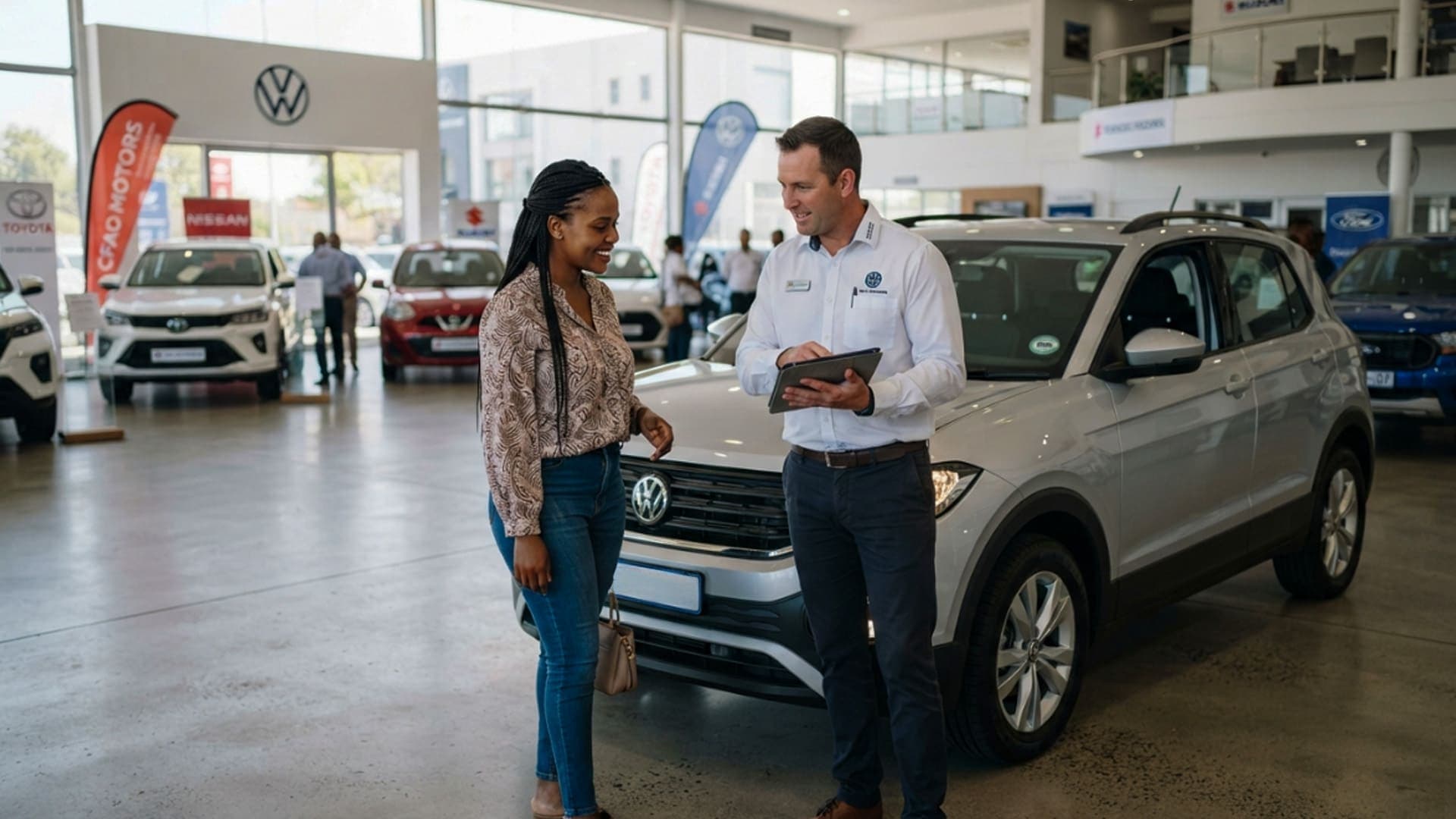
As South Africa’s vehicle market becomes more competitive, automotive advertising needs to do more than announce a price or specification. It needs to help buyers understand value, ownership costs and why a vehicle suits their lives.

Automotive Digital Ads in South Africa: A Shift
Exploring how South Africa’s automotive advertising evolved from print and broadcast to data-driven, programmatic digital ecosystems.

The Video Shift in Car Buying Decisions in SA
Explore how video content shapes car purchase decisions in South Africa, comparing short-form and long-form strategies for automotive marketers.