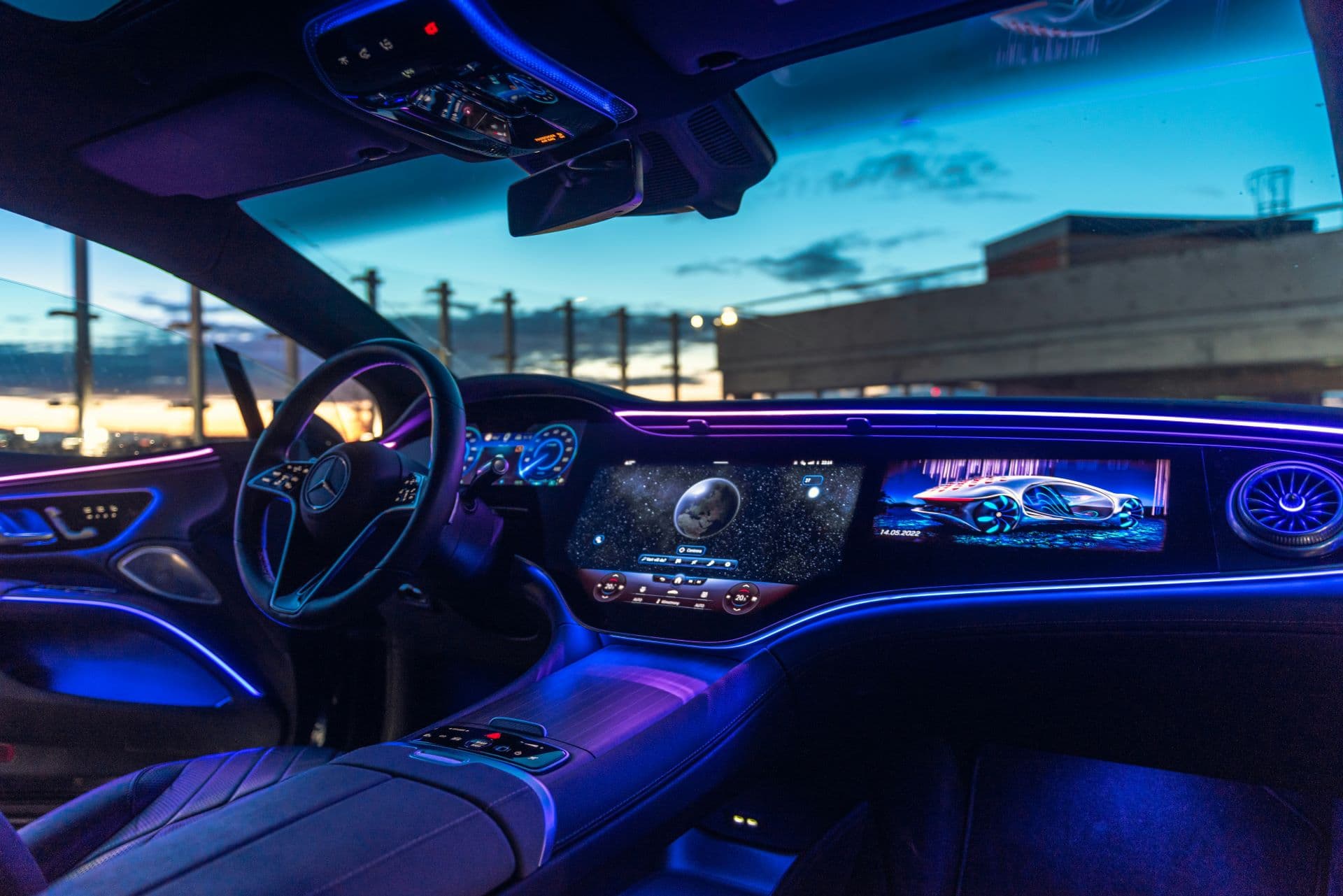
The world of car customisation is evolving at a pace faster than ever. Enthusiasts are no longer content with factory-standard paint jobs or off-the-shelf options; they want vehicles that express their personality, lifestyle, and tastes. In 2025, the art of personalising your car has entered a new era, blending high-tech innovation, sustainability, and aftermarket creativity. Whether you are drawn to factory-backed builds or the vast universe of aftermarket modifications, thereÔÇÖs a wealth of options available to make your vehicle truly one of a kind.
This article explores the trends, technologies, and techniques shaping the car customisation landscape in 2025, and how drivers around the globe are personalising their rides like pros.
Factory Builds: Personalisation Straight from the Assembly Line
For decades, customisation was synonymous with aftermarket modifications, often requiring trade-offs in warranty or reliability. Today, automakers are recognising that drivers want individuality without compromise. Factory-backed customisation programmes have become a major selling point for premium and mainstream brands alike.
Modern factory customisation allows car buyers to select from an expanded palette of options. Beyond traditional paint finishes, options now include pearlescent coatings, matte textures, and even colour-shifting pigments that change hue depending on lighting conditions. The rise of UV-reactive and thermochromic paints allows drivers to create a statement even while on the move.
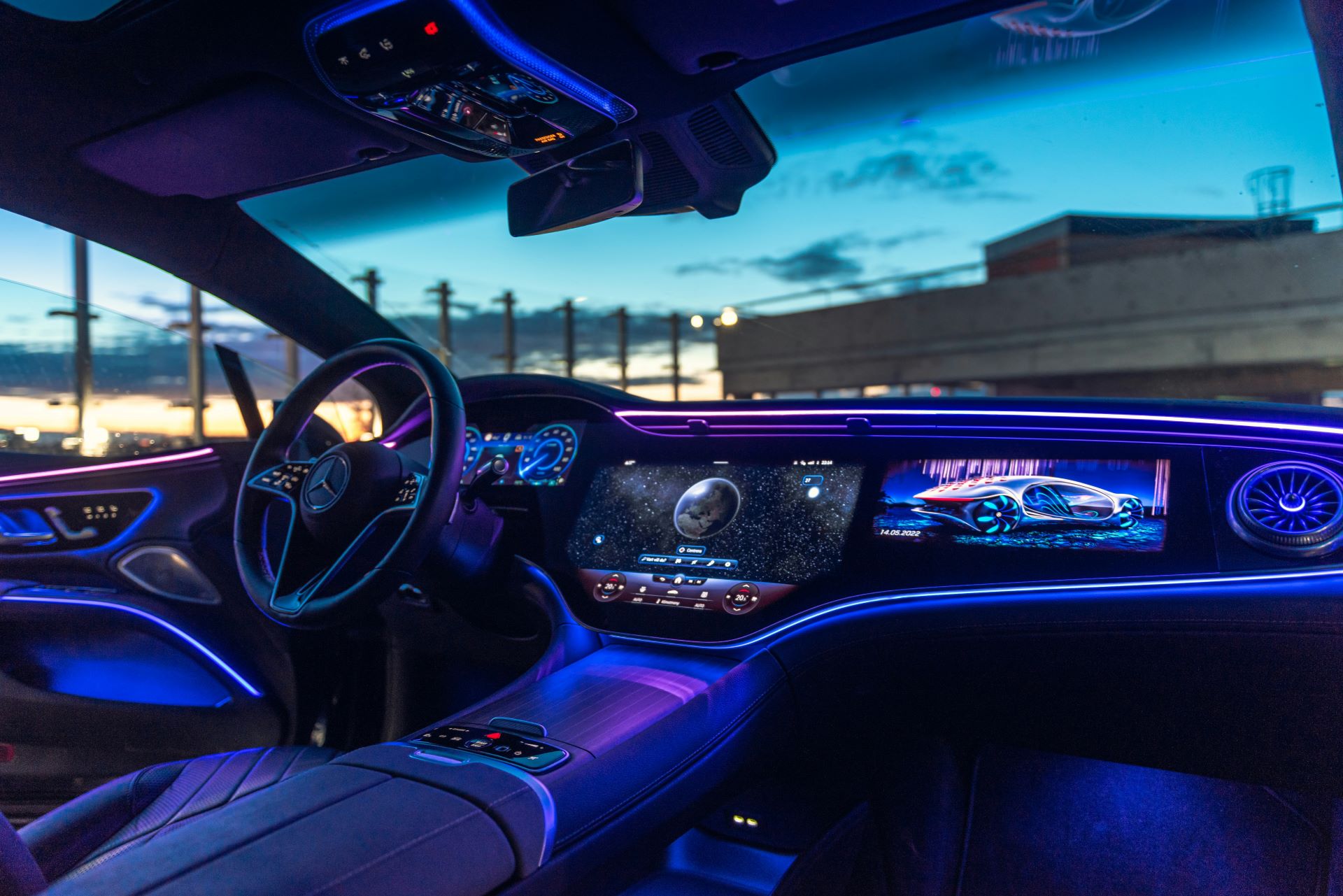
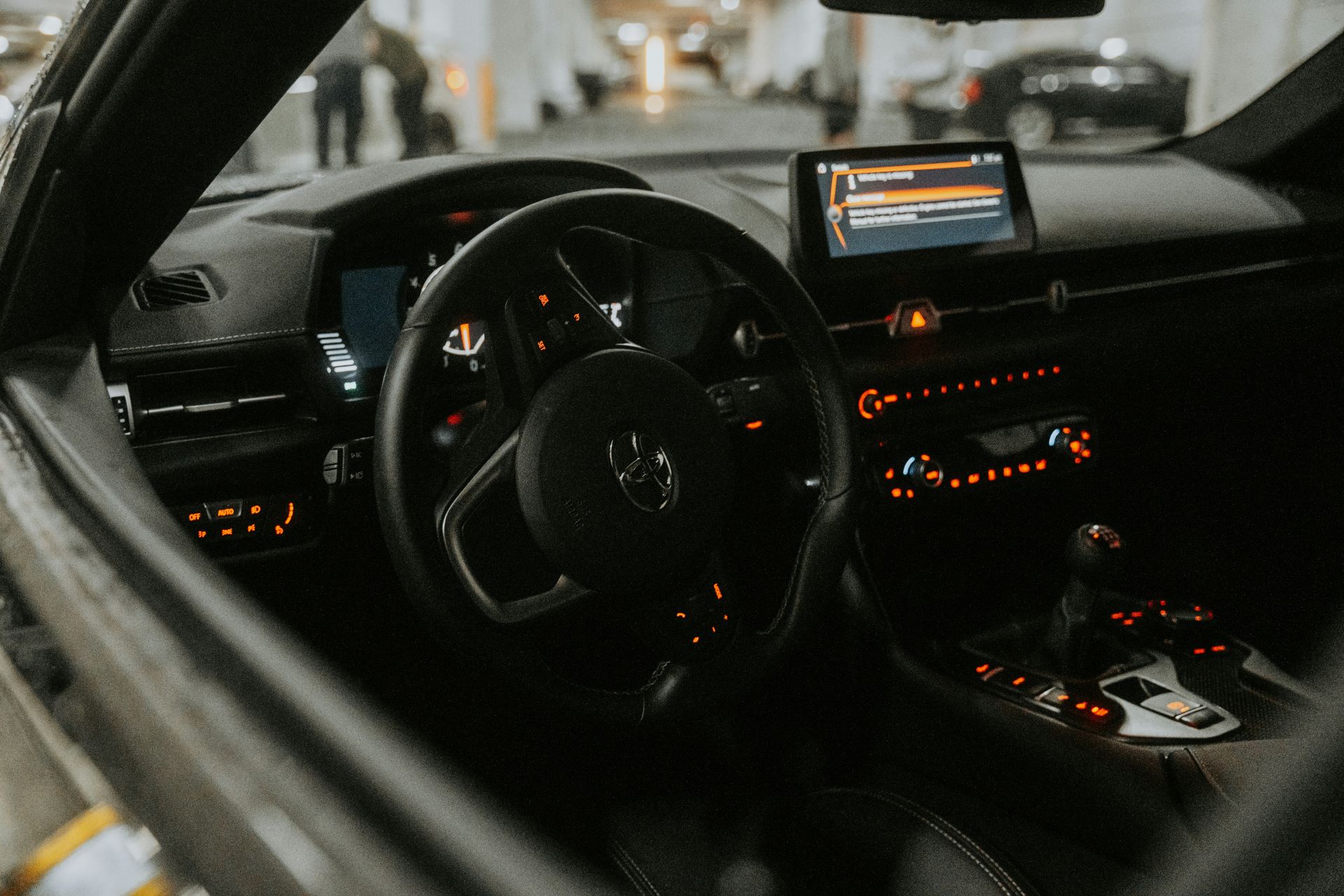
Inside the cabin, bespoke interior packages are now the norm rather than the exception. Leather seats with custom stitching, premium trim materials, and ambient lighting can all be tailored to suit personal tastes. Manufacturers like BMW, Mercedes-Benz, and Lexus are leading the way, offering interior programmes that combine luxury with personality. Even in non-luxury segments, manufacturers are expanding interior options to include colour-coded trims, premium upholstery, and digital interfaces that reflect driver preferences.
Performance packages are another area where factory builds shine. Modern automakers are integrating optional performance enhancements such as adaptive suspensions, upgraded brakes, and tuned engines into their customisation programmes. Unlike aftermarket modifications, these upgrades are designed, tested, and validated by the manufacturer, ensuring reliability and maintaining warranty coverage.
Factory personalisation offers a seamless experience that bridges individuality and engineering excellence. It eliminates the uncertainty often associated with aftermarket solutions while delivering vehicles that feel unique, high-quality, and tailored.
Aftermarket Innovations: Expanding the Boundaries
While factory programs provide a guaranteed level of quality, the aftermarket scene remains the true playground for automotive creativity. In 2025, aftermarket customisation is more sophisticated, innovative, and accessible than ever. From performance tuning to cosmetic transformations, enthusiasts have a wealth of tools to redefine their vehicles.
Advanced engine tuning and ECU remaps have become mainstream. Drivers can adjust fuel maps, turbo boost levels, and throttle response to optimise either performance or efficiency. These modifications are now often OEM-approved, reducing the risk of reliability issues while delivering the thrill of enhanced performance.
Suspension upgrades and wheel packages are also experiencing a renaissance. Adaptive shocks, air suspension, and adjustable coilovers allow owners to alter the handling dynamics of their cars at the push of a button. Bespoke alloy wheels are now produced in smaller runs with intricate designs, allowing for truly personalised aesthetics.
Lighting technology has leapt forward as well. High-end LED and laser headlights, custom underglow kits, and smart interior ambient lighting give vehicles a futuristic flair. Aftermarket technology integrations, including AI-enhanced driver assistance, digital instrument clusters, and connected infotainment systems, are blurring the line between tuned cars and high-tech concept vehicles.
The modern aftermarket also reflects a growing awareness of quality and safety. Certified parts, OEM-compliant components, and professional installation services make it possible to pursue ambitious customisation projects without compromising reliability or roadworthiness.
Personalisation Meets Sustainability
Sustainability is no longer a niche consideration; itÔÇÖs influencing every aspect of car customisation. In 2025, enthusiasts are increasingly conscious of the environmental footprint of their modifications. Factory programs now offer eco-friendly options such as vegan leather interiors, recycled trim materials, and paints with lower volatile organic compounds (VOCs).
Electric conversions of classic vehicles are also gaining momentum. Retrofitting a vintage car with an electric drivetrain allows enthusiasts to preserve the style and character of their ride while reducing emissions. Lightweight materials, including carbon-fibre composites and aluminium alloys, are being used to reduce vehicle weight and improve efficiency.
Eco-conscious choices donÔÇÖt mean sacrificing style or performance. From sustainable interiors to efficient powertrains, car owners can now customise responsibly. In fact, sustainability has become a point of pride in personalisation, with drivers showcasing both their individuality and commitment to a cleaner future.
Digital and Virtual Customisation
The digital age is revolutionising the way drivers customise their vehicles. Virtual reality (VR), augmented reality (AR), and advanced configurators allow enthusiasts to explore modifications without ever touching a wrench.
Virtual configurators enable users to test colours, trim options, and performance upgrades in 3D environments before making a purchase. Some platforms even simulate real-world lighting conditions, so owners can see how a paint finish will look in different environments. AR garage previews project potential upgrades onto the vehicle, allowing owners to visualise changes to wheels, body kits, and even lighting.
The online community has also become a key part of the personalisation process. Platforms dedicated to car mods allow enthusiasts to share designs, receive feedback, and crowdsource ideas for unique customisations. Social media has transformed personalisation into a collaborative and interactive experience, connecting modders, manufacturers, and buyers in real time.
Regional Trends and Cultural Influences
Customisation trends vary widely across regions, reflecting local tastes, lifestyles, and environmental conditions.
In South Africa, rugged upgrades dominate. Adventure-seekers are increasingly outfitting vehicles with off-road suspension kits, snorkels, and protective underbody plating to tackle the countryÔÇÖs varied terrain. Premium SUVs and bakkies (pickup trucks) are particularly popular targets for factory and aftermarket enhancements.
In Europe, understated elegance and high-tech enhancements prevail. German, Italian, and Scandinavian markets favour subtle performance tuning, digital interior upgrades, and minimalist aesthetic improvements. Modifications here often focus on technology integration and driver comfort rather than bold visual statements.
North America continues to embrace bold, expressive modifications. Streetwear-inspired vehicle wraps, high-output exhaust systems, and performance-oriented upgrades dominate the scene. Enthusiasts often balance visual flair with power, making every modification a statement of identity and performance.
Asia-Pacific markets, particularly in Japan and South Korea, favour precision, tuning culture, and innovative electronics. Limited edition wraps, bespoke interiors, and smart AI systems are popular, reflecting a blend of performance and technology.
Understanding these regional preferences is crucial for manufacturers, aftermarket suppliers, and marketers looking to appeal to diverse global audiences.
Customisation as a Lifestyle
Personalising a vehicle is no longer solely about aesthetics or performance. In 2025, it is increasingly a reflection of lifestyle and personal values. Car ownership has become intertwined with identity, social expression, and even environmental consciousness.
Subscription-based personalisation services are beginning to emerge. These programs allow drivers to swap interiors, exterior finishes, and tech packages seasonally. Dynamic personalisation ensures that vehicles evolve alongside their ownersÔÇÖ tastes and life stages.
Events, clubs, and online communities are reinforcing the lifestyle aspect of customisation. From weekend track days to curated car shows, enthusiasts now celebrate not just their vehicles, but the culture surrounding them. Cars have become moving canvases, platforms for self-expression, and symbols of individuality in a connected world.
Case Studies: Factory and Aftermarket Success Stories
Several automakers are setting benchmarks in 2025 with their personalisation programs:
Toyota South Africa: Offering factory-backed Hilux custom builds that allow bakkie owners to outfit their vehicles for both urban commuting and rugged adventure without compromising warranty or quality.
Mercedes-Benz Designo: Expanding options for interior trims, leather colours, and digital interfaces that reflect personal taste and luxury preferences.
BMW Individual: Providing tailored paint finishes, bespoke leather, and performance packages designed to match each driverÔÇÖs lifestyle.
On the aftermarket side, brands like Hennessey, Brabus, and ABT continue to push performance and visual modifications to extremes, while companies like LetTech in Europe focus on specialised off-road conversions that integrate seamlessly with OEM platforms.
Customer stories reinforce the power of personalisation. A South African off-road enthusiast outfitting a Hilux with snorkel kits, winches, and reinforced suspension finds the vehicle a perfect reflection of adventure lifestyle. In Europe, a Tesla owner using VR-based configurators selects subtle carbon fibre trims, digital displays, and unique paint colours to express modern sophistication.
The Role of Technology in Future Customisation
Looking ahead, several technological trends are poised to redefine personalisation further:
AI-Driven Vehicle Customisation: Artificial intelligence will analyse driving habits, preferences, and environmental conditions to optimise performance, interiors, and lighting automatically.
Connected Ecosystems: Vehicles will integrate with smart homes, wearables, and IoT platforms to adjust cabin ambiance, driving modes, and infotainment systems dynamically.
3D Printing and On-Demand Parts: Enthusiasts may soon be able to order bespoke interior trim, body panels, or even wheels, manufactured on-demand using 3D printing technology, allowing for virtually limitless creativity.
Enhanced Safety with Customisation: Future modifications will include integrated safety tech, ensuring that both factory and aftermarket upgrades maintain or enhance vehicle safety.
How to Approach Personalisation Like a Pro
Personalising a vehicle requires careful planning, strategy, and knowledge. Here are key considerations for 2025:
Balance creativity and practicality: Ensure modifications donÔÇÖt compromise reliability or safety.
Understand regional regulations: Some aftermarket changes may require certification to remain road-legal.
Plan for the long term: Consider resale value and evolving tastes. Factory-backed modifications can provide flexibility without reducing vehicle value.
Leverage digital tools: Use AR/VR configurators, online communities, and expert consultations to refine ideas before committing.
Consider sustainability: Opt for eco-conscious materials, retrofits, or electric conversions where possible.
By combining these strategies with the latest trends, drivers can craft a vehicle that is not only unique but also sophisticated, functional, and aligned with their lifestyle.
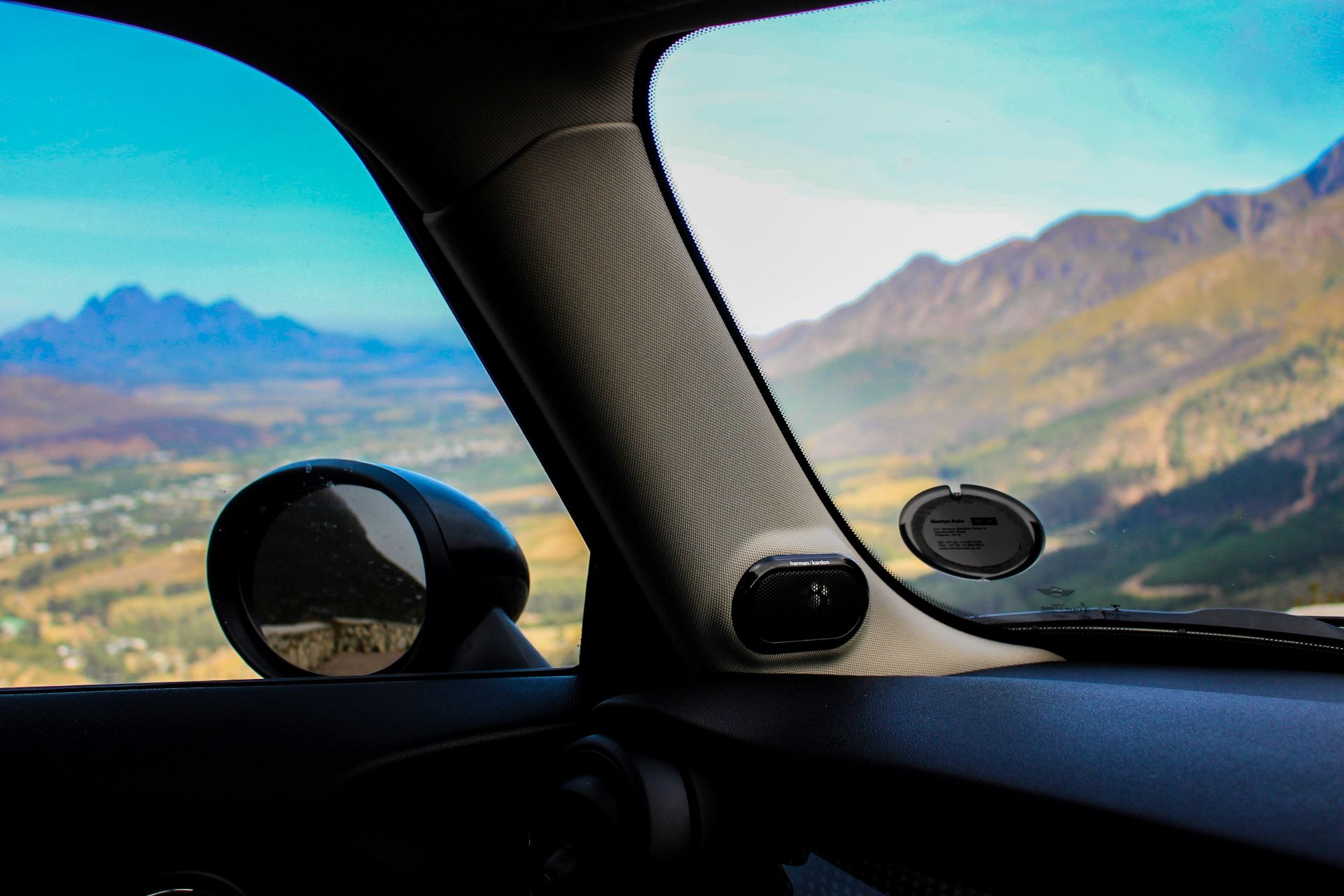
Car customisation in 2025 is more than a trendÔÇöitÔÇÖs a revolution. Factory programs, aftermarket innovations, sustainability-focused options, and digital tools are merging to create a personalisation ecosystem that is sophisticated, safe, and limitless.
The modern driver is empowered to express individuality, lifestyle, and values through their vehicle. Whether itÔÇÖs a rugged bakkie for South African adventures, a subtle European luxury SUV, or a bold North American street machine, the tools and technology are now at every enthusiastÔÇÖs fingertips.
In a world where vehicles are increasingly high-tech, efficient, and connected, personalisation ensures that every ride remains an extension of its owner. The ultimate goal is simple yet powerful: make your car truly your own, safely, sustainably, and stylishly.
The future of automotive personalisation has arrived, and 2025 is just the beginning. Drivers are no longer passive consumersÔÇöthey are creators, visionaries, and storytellers behind the wheel.
Breyten Odendaal
Specializing in high-performance automotive advertising and digital marketing solutions, delivering cutting-edge insights and the latest news shaping the automotive industry in South Africa.
More From Advertising

Automotive Advertising in 2026: Selling Confidence in a More Competitive Market
As South Africa’s vehicle market becomes more competitive, automotive advertising needs to do more than announce a price or specification. It needs to help buyers understand value, ownership costs and why a vehicle suits their lives.

Automotive Digital Ads in South Africa: A Shift
Exploring how South Africa’s automotive advertising evolved from print and broadcast to data-driven, programmatic digital ecosystems.

The Video Shift in Car Buying Decisions in SA
Explore how video content shapes car purchase decisions in South Africa, comparing short-form and long-form strategies for automotive marketers.