
Once upon a time, a car was just a machineÔÇöa marvel of engineering built to take us from point A to B. Today, it represents far more. For automotive enthusiasts, the car has evolved into a symbol of personal identity, belonging, aspiration, and expression. In parallel, the brands behind these machines have undergone a transformation of their own. No longer just manufacturers, automotive brands are emerging as storytellers, entertainers, and lifestyle curators. Welcome to the era where car culture is content.
This cultural pivot isnÔÇÖt just a marketing evolution; itÔÇÖs a fundamental shift in how car brands engage with the people who love them. From cinematic YouTube documentaries and influencer partnerships to immersive Instagram reels and branded streetwear drops, automotive companies are leveraging the tools of modern media to build emotional resonance. For enthusiasts, this means more ways to connect with their passionÔÇöbeyond the garage or racetrack.
So why does this matter? Because content is currency in a digitally driven world. And for automotive brands, becoming media-savvy storytellers isnÔÇÖt just about visibilityÔÇöitÔÇÖs about relevance. As digital natives demand authenticity and experience, the most forward-thinking automakers are shifting gears from selling horsepower to selling a way of life. And for car lovers, this opens the door to a richer, more immersive cultural experience.
Historical Context
Traditionally, automotive marketing was straightforward: slick TV ads, glossy magazine spreads, and dealership brochures. These materials emphasized features, specs, and performanceÔÇöa product-first approach rooted in utility and prestige. While effective, this method spoke more to function than feeling.
But the seeds of lifestyle integration were planted decades ago. Take the 1960s, for instance, when the Ford Mustang was positioned not just as a car, but as an emblem of youthful rebellion and freedom. Volkswagen's iconic Beetle campaigns used wit and minimalism to emotionally engage audiences in ways that transcended engineering. These early campaigns hinted at what was possible when brands tapped into human emotion.
The 1980s and 1990s saw car manufacturers sponsoring sporting events, music tours, and fashion shows, gradually aligning themselves with broader cultural moments. Yet it wasnÔÇÖt until the rise of the internet and social media that the floodgates truly opened.
By the early 2000s, brands like BMW began experimenting with narrative storytelling, such as the groundbreaking "The Hire" short film series starring Clive Owen. These films werenÔÇÖt about MPG or trunk space; they were cinematic experiences that drew audiences into a world of style, suspense, and emotion. And they worked.
From there, content marketing became an integral part of the automotive playbook. Blogs, behind-the-scenes factory tours, lifestyle partnerships, and motorsport documentaries became tools to reach a digitally connected, experience-hungry audience. Car brands realized that to remain culturally relevant, they had to be more than makersÔÇöthey had to be media.
Current Landscape
Fast forward to today, and automotive brands are crafting multi-channel content strategies that would make traditional publishers envious. From Instagram reels that highlight modified rides in downtown Tokyo to podcast series unpacking the history of iconic models, the breadth and quality of automotive content is staggering.
Take Porsche, for example. Through its "Type 7" platformÔÇöa digital magazine blending architecture, design, photography, and, of course, carsÔÇöthe brand curates content that speaks to the creative soul of its audience. Lamborghini, meanwhile, partners with influencers and lifestyle creators to embed its vehicles into fashion shoots, luxury travel blogs, and digital art campaigns.
YouTube has become an essential battleground. Brands like Toyota and BMW have launched their own channels featuring everything from race highlights and car builds to interviews with engineers and celebrity collaborations. HondaÔÇÖs "DreamLab" initiative dives into innovation stories that blend science, engineering, and philosophyÔÇöturning content into a thought leadership tool.
Instagram, TikTok, and even Pinterest are not just auxiliary platformsÔÇötheyÔÇÖre essential storytelling mediums. MINI embraces retro-futurism and community engagement on social media, tapping into nostalgia while promoting electric models. Dodge amps up adrenaline with high-octane reels that capture drag races and burnout challenges.
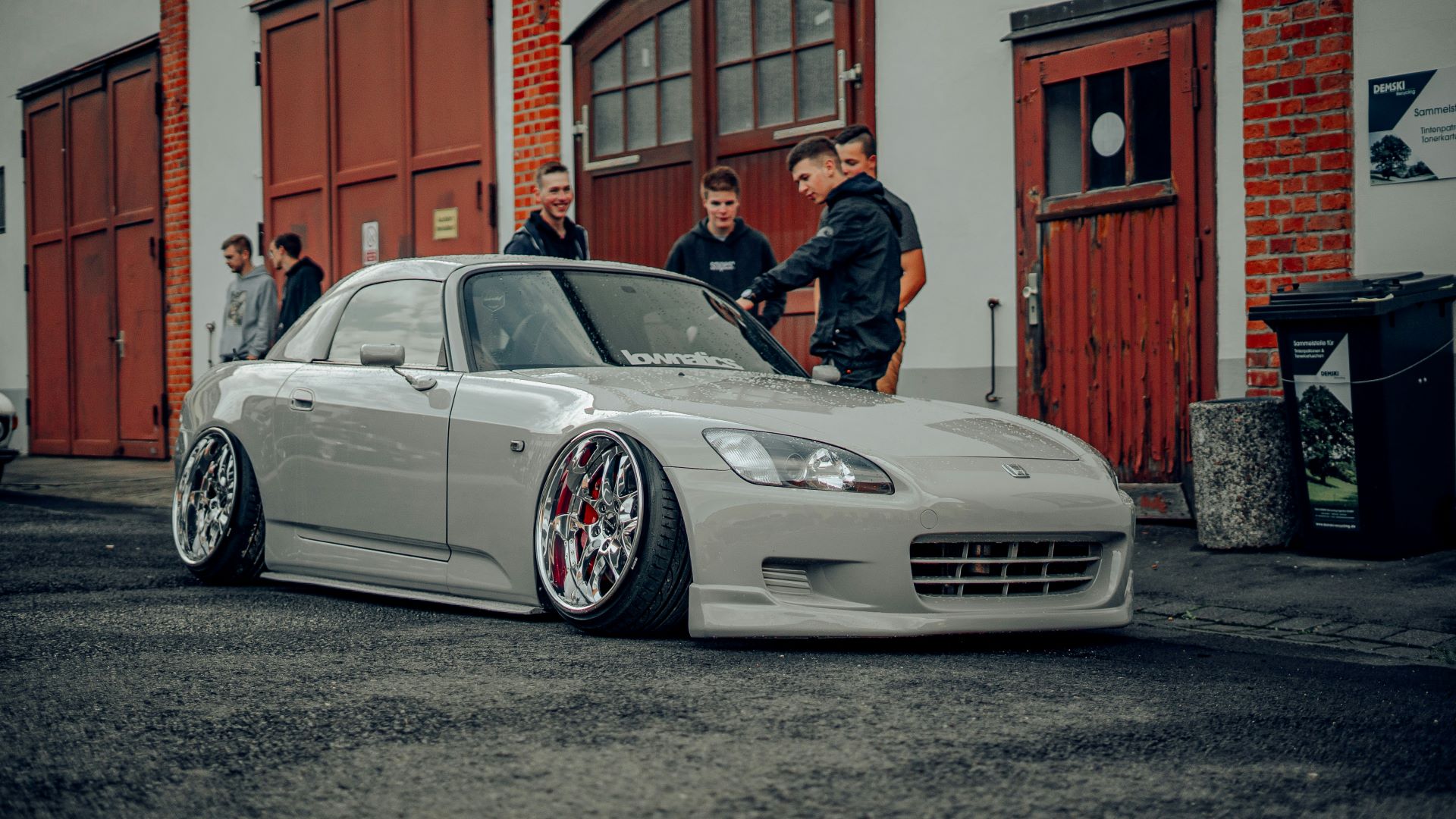
Crucially, this ecosystem thrives because of the existing passion within car culture. Car meets, track days, tuning communities, and fan conventions have long been spaces of content creationÔÇönow amplified by smartphones and social sharing. Enthusiasts themselves have become content producers, and brands are collaborating rather than competing.
In essence, the car is no longer just the product. ItÔÇÖs the platformÔÇöa canvas on which both brand and audience co-create.
Audience Engagement
This shift to content-driven branding is underpinned by one crucial element: engagement. Car lovers donÔÇÖt want to be sold to; they want to be spoken with, not at. Lifestyle content allows brands to meet enthusiasts where they areÔÇöon forums, social feeds, YouTube comment sections, and Discord servers.
Jaguar's #JaguarElectrifies campaign, for instance, encouraged fans to share their own EV experiences, creating a ripple effect of user-generated content. Nissan's GT-R community thrives through custom build showcases and owner spotlight videos, offering fans a moment in the digital sun.
Live events have taken on hybrid formats, blending physical presence with live-streamed panels, Q&As, and interactive polls. Ferrari's online configurator tools now double as entertainment experiences, with influencers walking fans through dream builds.
Influencer and creator partnerships are another core strategy. From Supercar Blondie to grassroots vloggers, brands are recognizing the power of authentic voices. These creators arenÔÇÖt just spokespeople; they're cultural intermediaries.
Lifestyle content blurs the line between consumer and contributor. Enthusiasts are no longer passive audiencesÔÇötheyÔÇÖre collaborators helping shape the brand narrative.
Challenges and Opportunities
This evolution isnÔÇÖt without friction. Content fatigue is real. With every brand becoming a content creator, standing out is increasingly difficult. Authenticity is the new gold standard, and audiences can sniff out disingenuous attempts to pander.
Budget constraints, platform algorithms, and the pressure for virality add complexity. Additionally, shifting from product-focused storytelling to emotionally driven content requires new skillsets, often necessitating in-house content teams or agency collaborations.
Yet the opportunities are vast. Lifestyle content opens new revenue streams through merchandise, licensing deals, and paid subscriptions. It deepens loyalty by building identity-based communities. And it creates data-rich feedback loops that help brands fine-tune both product and message.
Automotive brands that embrace transparency, diversity, and user collaboration will find themselves not just surviving, but thriving in this new era. Content isn't a side hustleÔÇöit's the engine.
Future Trends
Looking ahead, the fusion of content and car culture will only intensify. Expect more integration of augmented and virtual reality in car reveals and configurators. Gamification will extend beyond mobile apps into digital showrooms and online test drives.
AI-generated content will become commonplace, from voice assistants offering car facts on YouTube videos to algorithmically tailored TikTok reels. Sustainability narratives will grow louder, with electric vehicle content framed around lifestyle impact, not just efficiency.
Moreover, weÔÇÖll see more crossover collaborationsÔÇöautomakers working with fashion labels, tech brands, and even filmmakers to craft hybrid experiences. Imagine a limited-edition EV co-designed by a streetwear icon and revealed through a cinematic miniseries.
The line between car enthusiast and content creator will blur even further, ushering in a participatory era where everyone has a stake in the story.
From horsepower to heartstrings, automotive brands are no longer just selling carsÔÇötheyÔÇÖre selling culture. The pivot toward lifestyle media is not a departure from tradition, but an evolution of it. Rooted in decades of passion, car culture is now being reimagined through content.
For enthusiasts, this means more ways to connect: deeper stories, richer visuals, shared experiences. ItÔÇÖs no longer about what you drive, but how your car reflects who you are and what you value.
As the digital landscape continues to evolve, automotive brands have a rare opportunity to become more than manufacturersÔÇöto become cultural curators, conversation starters, and community builders.
The next time you scroll through your feed and see a car brand telling a story that resonates with your lifestyle, know this: you're not just the audience. You're part of the narrative. And the road ahead is only getting more exciting.
Breyten Odendaal
Specializing in high-performance automotive advertising and digital marketing solutions, delivering cutting-edge insights and the latest news shaping the automotive industry in South Africa.
More From Advertising

Automotive Advertising in 2026: Selling Confidence in a More Competitive Market
As South Africa’s vehicle market becomes more competitive, automotive advertising needs to do more than announce a price or specification. It needs to help buyers understand value, ownership costs and why a vehicle suits their lives.

Automotive Digital Ads in South Africa: A Shift
Exploring how South Africa’s automotive advertising evolved from print and broadcast to data-driven, programmatic digital ecosystems.

The Video Shift in Car Buying Decisions in SA
Explore how video content shapes car purchase decisions in South Africa, comparing short-form and long-form strategies for automotive marketers.