
The Rise of Grassroots Engagement
Automotive marketing has entered a fascinating era. No longer is brand awareness built solely through glossy television ads, billboards, or expensive event sponsorships. Instead, some of the most effective campaigns are emerging from the grassrootsÔÇöthose authentic, community-driven spaces where enthusiasts gather to share their passion. Car clubs, coffee meets, and brand ambassadors are proving to be more powerful than polished campaigns because they speak directly to the human side of automotive culture.
This shift is not just about cutting costs or targeting niches. It is about understanding that in a world oversaturated with digital noise, real-world connection stands out. A customer may scroll past a banner ad, but they will remember the feeling of a Saturday morning coffee meet, when they were able to admire a rare classic or talk to a proud owner about their modifications. Such moments build emotional connections to brandsÔÇöconnections that last longer than a thirty-second spot on TV.
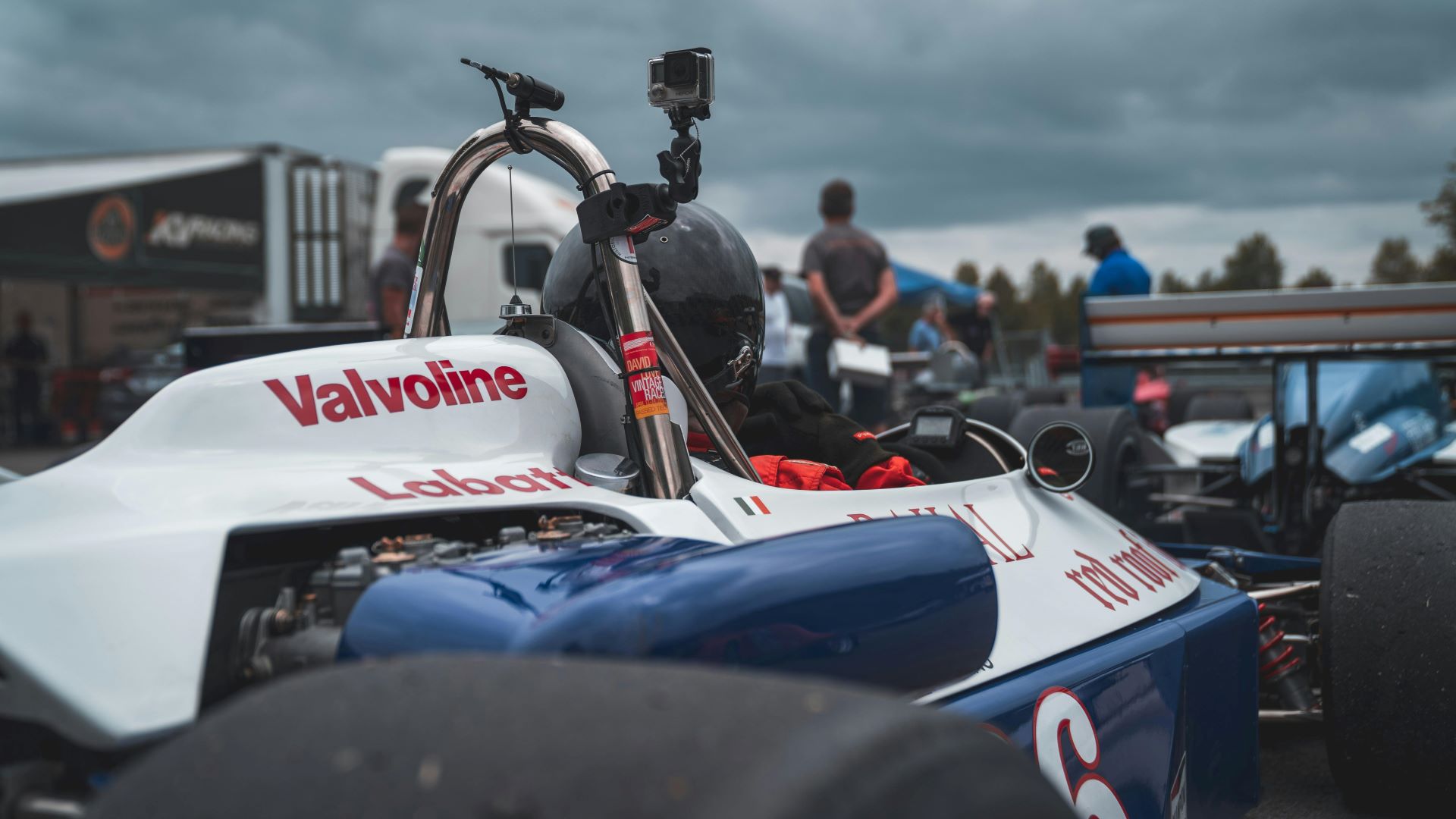
Car Clubs: The Heart of Automotive Culture
Car clubs have long been a cornerstone of automotive enthusiasm. Whether organised around a specific marque, model, or driving style, they form the cultural backbone of the motoring world. For decades, clubs dedicated to BMW, Porsche, or muscle cars have been a place where like-minded individuals congregate to share advice, display their vehicles, and organise drives. What has changed in recent years is how these groups have become fertile ground for marketing strategies.
Manufacturers have started to realise that car clubs are more than just social circles. They are communities of influence. When a respected member recommends a productÔÇöbe it a performance part, detailing solution, or even a new carÔÇöthe endorsement carries immense credibility. Automakers that partner with clubs, sponsoring events or offering special test drives, benefit from an audience that is already predisposed to engage with them on a deeper level. Instead of speaking at customers, they become part of the conversation.
At the same time, car clubs often maintain online spaces where discussions continue long after the engines are switched off. Facebook groups, Discord channels, and dedicated forums allow brands to monitor sentiment, answer questions, and subtly integrate themselves into the dialogue. The trick lies in doing so without being heavy-handed. Enthusiasts are sensitive to overt marketing, but they welcome genuine interaction.
Coffee Meets: The New Car Show
The traditional car show, once a key marketing avenue, has slowly been supplanted by more casual, accessible alternatives. The rise of ÔÇ£cars and coffeeÔÇØ events over the past decade illustrates a desire for simplicity. Instead of travelling to a convention centre and paying for tickets, enthusiasts now gather in parking lots and caf├®s to enjoy their machines in a laid-back atmosphere.
These events are marketing goldmines precisely because they do not feel like marketing. They attract everyone from supercar owners showing off their latest acquisition to families enjoying a Sunday outing. For brands, the potential is enormous. Dealerships can send demo vehicles for display, tyre companies can sponsor coffee and pastries, and aftermarket suppliers can offer discount codes to attendees. All of this happens within an environment that feels authentic, not staged.
The informal nature of coffee meets also encourages cross-pollination of demographics. A young tuner may find themselves chatting with a seasoned collector, both united by their love of cars. For manufacturers, this is invaluable. It allows their products to reach across age brackets and socio-economic groups in ways that traditional media cannot. The ÔÇ£halo effectÔÇØ of being present at these gatherings means a brand becomes part of the culture rather than an outsider looking in.
Brand Ambassadors: Passion as Marketing Power
If car clubs and coffee meets provide the setting, then brand ambassadors are the human face of grassroots marketing. These individuals are not celebrities in the conventional sense. They are often everyday enthusiasts who have built credibility within their circles through expertise, personality, and consistency. When such individuals align themselves with a brand, the effect can be profound.
A brand ambassador may be a local track-day regular who swears by a certain tyre compound, a YouTuber documenting their restoration project, or a detailing specialist who explains why one polish outperforms another. What unites them is authenticity. Unlike paid actors, they live the culture. Their endorsements feel genuine because they are rooted in personal experience.
Automotive brands have become increasingly adept at identifying and nurturing these ambassadors. They provide them with early access to products, invite them to events, and amplify their voices through official channels. The relationship is symbiotic: ambassadors gain recognition and resources, while brands tap into grassroots credibility that cannot be faked.
However, this strategy requires careful handling. Audiences are quick to spot when an ambassador becomes too corporate. The strongest partnerships are those where the individual maintains independence and continues to provide honest feedbackÔÇöeven if that feedback includes constructive criticism. Such transparency only strengthens trust.

Blending Digital and Physical Worlds
What makes grassroots automotive marketing particularly compelling is its fusion of physical and digital spaces. A coffee meet might be experienced by a hundred people in person, but photos and videos shared on social media extend its reach to thousands more. Car clubs often livestream their gatherings, and ambassadors upload behind-the-scenes content to platforms like TikTok and Instagram.
Brands that support these communities benefit from amplification that feels organic. A photo of a new model casually parked at a meet will often gain more engagement than a polished ad campaign because it appears in a context of authenticity. The vehicle is not being ÔÇ£soldÔÇØ; it is being experienced.
Moreover, digital tools allow brands to deepen these connections. Loyalty programmes, event apps, and QR codes linking to exclusive offers can bridge the gap between physical gatherings and online engagement. By following up with personalised content, brands can maintain momentum long after the event ends.
The Emotional Economy of Cars
At the heart of grassroots automotive marketing lies an appreciation for the emotional economy of cars. People do not just buy vehicles for transportation. They buy them for identity, for freedom, for community. Car clubs, coffee meets, and ambassadors tap into this emotional landscape in a way that traditional campaigns often fail to do.
Consider how a person feels when they take their first drive with a club, or when a stranger at a meet compliments their car. These experiences become stories they tell for years. If a brand facilitates that memoryÔÇöby sponsoring the event, by providing the vehicle, or by enabling the ambassadorÔÇöthey are forever linked to the emotion. Marketing at this level is less about features and horsepower figures, and more about belonging.
Challenges and Pitfalls
Despite its potential, grassroots marketing is not without challenges. One risk is over-commercialisation. If brands dominate events with heavy signage and aggressive sales tactics, they strip away the authenticity that makes grassroots spaces appealing in the first place. Another risk lies in neglecting diversity. Car culture is vast, encompassing everything from lowriders to hypercars, and brands must be careful not to alienate groups by favouring only one segment.
There is also the issue of scalability. What works for a local coffee meet may not translate to a national campaign. Brands must resist the urge to homogenise these gatherings, allowing local organisers to maintain control and preserve authenticity. The role of the brand is to support, not to dictate.
Looking Ahead: The Future of Grassroots Marketing
The evolution of automotive marketing suggests that grassroots strategies will only grow in importance. As younger generations place higher value on experiences than possessions, brands that integrate themselves into communities will thrive. We are likely to see more hybrid events combining coffee meets with digital engagement, more collaborations between manufacturers and niche clubs, and a rise in micro-influencers serving as brand ambassadors.
What will remain constant is the emphasis on authenticity. In a world where artificial intelligence and virtual reality increasingly shape interactions, the simple act of gathering in person to admire cars holds a timeless appeal. Brands that respect this truthÔÇöand position themselves as facilitators rather than intrudersÔÇöwill build loyalty that endures.
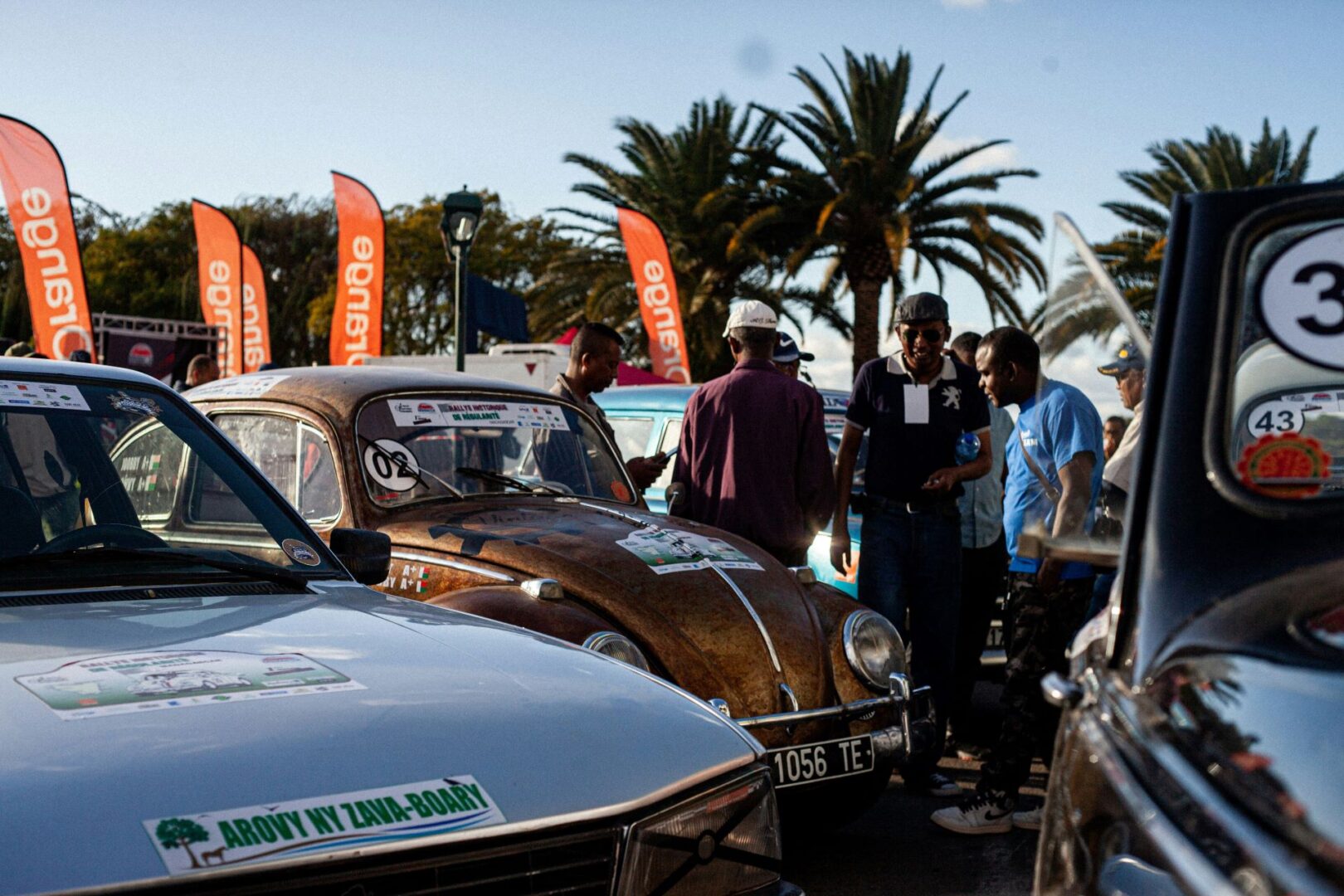
Car clubs, coffee meets, and brand ambassadors are not just accessories to the marketing landscape; they are becoming its core. They embody the essence of automotive culture: passion, community, and storytelling. By aligning with these grassroots movements, brands do more than sell carsÔÇöthey join a tradition of human connection that has defined motoring for over a century.
In the end, the most powerful form of marketing is not a slogan or a campaign. It is the shared smile between strangers at a coffee meet, the roar of engines during a club drive, or the honest recommendation from an ambassador whose love of cars is undeniable. That is the kind of marketing that cannot be manufacturedÔÇöit must be lived.
Breyten Odendaal
Specializing in high-performance automotive advertising and digital marketing solutions, delivering cutting-edge insights and the latest news shaping the automotive industry in South Africa.
More From Advertising

Automotive Advertising in 2026: Selling Confidence in a More Competitive Market
As South Africa’s vehicle market becomes more competitive, automotive advertising needs to do more than announce a price or specification. It needs to help buyers understand value, ownership costs and why a vehicle suits their lives.

Automotive Digital Ads in South Africa: A Shift
Exploring how South Africa’s automotive advertising evolved from print and broadcast to data-driven, programmatic digital ecosystems.

The Video Shift in Car Buying Decisions in SA
Explore how video content shapes car purchase decisions in South Africa, comparing short-form and long-form strategies for automotive marketers.