In the ever-competitive automotive industry, advertising has become more than just a medium for product promotionÔÇöit has evolved into an art form. High-concept creative campaigns are at the forefront of this evolution, often transcending the traditional expectations of car commercials. These campaigns are not simply about selling a product; they are about conveying an idea, an emotion, or a vision that resonates deeply with automotive enthusiasts and the general public alike.
High-concept ads captivate viewers by leveraging creativity, storytelling, and visual artistry in ways that make a lasting impression. For automotive enthusiasts, these ads are more than just persuasive tactics; they speak to their passion, their values, and their connection to the world of cars. Whether itÔÇÖs the thrill of speed, the elegance of design, or the innovation behind the wheel, these ads tap into the heart of what makes cars so compelling.
This article will explore the key elements of high-concept car advertisements, dissecting how they engage with their audience and elevate brands in a crowded marketplace. From historical campaigns that have reshaped the automotive industry to the latest trends that continue to push creative boundaries, we'll examine how high-concept ads continue to inspire and influence consumer behavior. Along the way, weÔÇÖll uncover how these ads not only capture attention but also foster brand loyalty and shift consumer perceptions.
Defining High-Concept Creative Campaigns
At their core, high-concept creative campaigns are advertisements that focus on a powerful, often abstract idea that transcends the product being sold. These campaigns go beyond showcasing features and specifications to tell a story or express an emotion that connects deeply with the target audience. In the case of automotive ads, the target audience often includes automotive enthusiastsÔÇöindividuals who appreciate not only the mechanics of a car but also its design, history, and the lifestyle it represents.
What differentiates high-concept ads from conventional ones is the level of creativity and depth involved. While traditional car advertisements might focus on a carÔÇÖs performance, fuel efficiency, or safety features, high-concept campaigns often elevate these features into a narrative that appeals to the viewerÔÇÖs emotions and aspirations. For instance, the "Think Different" campaign by Apple, although not automotive, can be considered high-concept as it evoked a vision of individuality and progress, inspiring consumers to connect with a larger idea. Similarly, automotive brands have employed similar tactics to forge connections with consumers beyond the technical aspects of their vehicles.
A prime example within the automotive industry would be the "The Force" ad for Volkswagen in 2011. The ad didnÔÇÖt rely on the car's technical specifications; instead, it used a child dressed as Darth Vader trying to use "the Force" on a Volkswagen Passat. The ad captivated audiences through humor, creativity, and emotional resonance, making it a hallmark of high-concept advertising.
The Anatomy of a Successful Car Ad
A successful high-concept car advertisement is much more than just flashy visuals or clever dialogue. ItÔÇÖs a harmonious blend of several key elements that work together to create a memorable experience for the viewer. LetÔÇÖs break down these components:
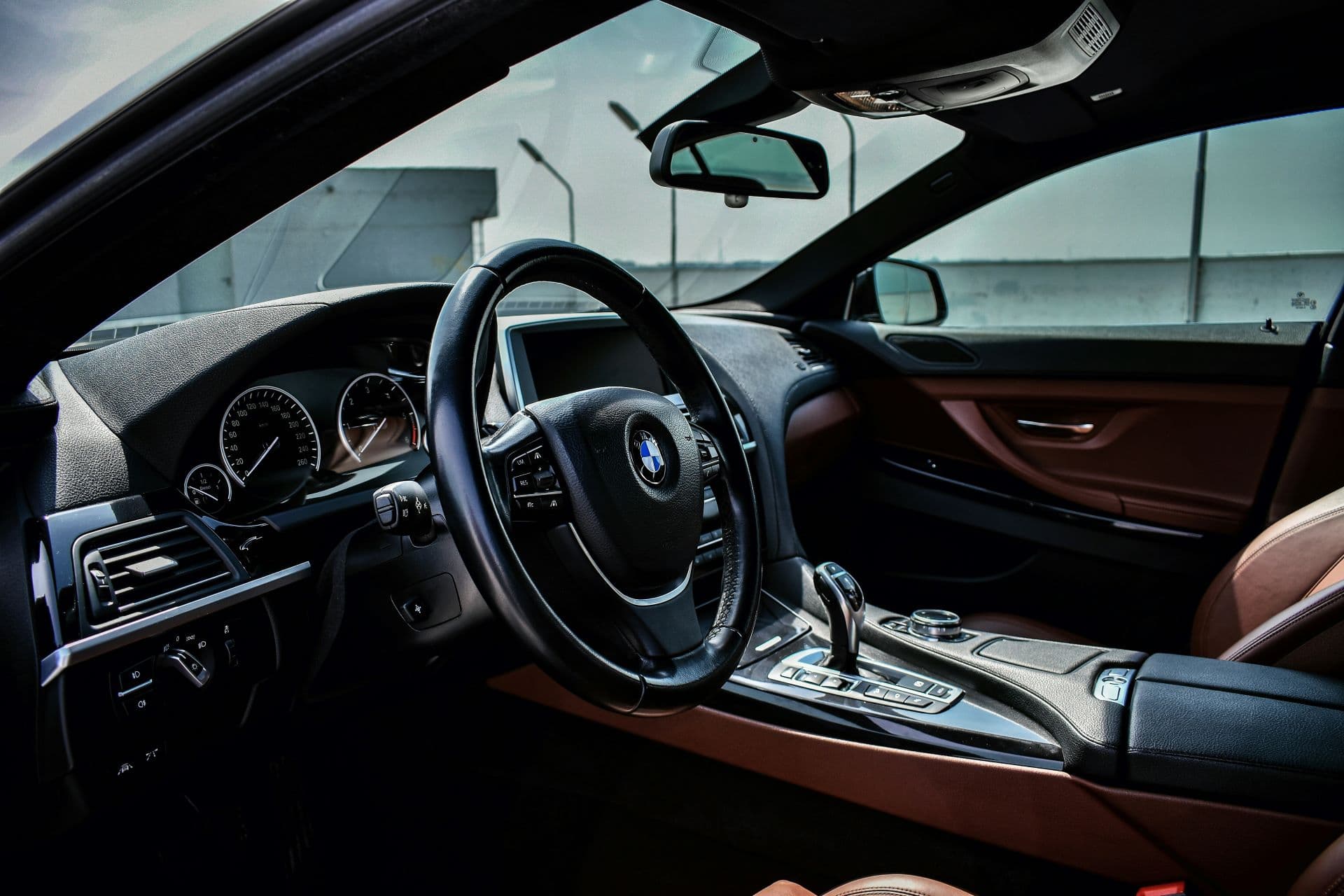
StorytellingCentral to any high-concept ad is a compelling narrative. The story can be as simple as a day in the life of a car owner or as grand as an epic journey across the globe. What matters is that it taps into universal themes like freedom, adventure, or aspiration, which automotive enthusiasts can relate to. A great example is BMW's "The Ultimate Driving Machine" campaign, which told stories of individuals experiencing freedom and exhilaration through the sheer joy of driving.
Emotional AppealCar ads often evoke emotionsÔÇöwhether it's the thrill of driving, the safety of family, or the excitement of discovery. AudiÔÇÖs "Vorsprung Durch Technik" campaign has consistently used emotional resonance, emphasizing how technology enhances the driving experience while also positioning Audi as a brand for those who seek innovation.
Innovative VisualsThe impact of a high-concept ad is often heightened by striking, innovative visuals. A well-crafted visual not only captures attention but also reinforces the narrative. One standout example of this is the Chrysler "Imported from Detroit" campaign, which juxtaposed powerful imagery of Detroit's industrial background with the sleek lines of ChryslerÔÇÖs vehicles, drawing on a sense of pride and legacy that resonated with both car lovers and the broader public.
Sound and MusicMusic and sound can play a pivotal role in reinforcing the emotional tone of a high-concept car ad. Think of the iconic "Like a Rock" ad for Chevrolet, which used Bob SegerÔÇÖs song to invoke feelings of strength and reliability. The music subtly communicates the values of the brand without needing to be explicitly stated.
Through case studies like these, we see how these elements combine to target automotive enthusiasts specifically. Ads that emphasize driving dynamics, engineering precision, or design sophistication speak directly to the passions of those who live and breathe cars.
Historical Impact of High-Concept Car Ads
The automotive industry has a rich history of creative advertising, with numerous high-concept campaigns marking turning points in how cars are marketed to the public. One such pivotal moment occurred in the 1960s when Volkswagen launched the "Think Small" campaign. In an era dominated by extravagant car ads featuring sleek models and luxurious settings, VolkswagenÔÇÖs minimalist, almost anti-advertisement approach to marketing the Beetle turned the industry on its head. By focusing on the car's practical qualities and small size in a humorous, self-deprecating tone, Volkswagen created a lasting emotional connection with consumers. The campaign didnÔÇÖt just sell a car; it sold an idea of practicality, reliability, and individuality.
Another landmark campaign was DodgeÔÇÖs ÔÇ£Built Ram ToughÔÇØ series. It didnÔÇÖt focus on a singular feature of the truck but instead leveraged the rugged, American spirit that the brand represented. These ads didnÔÇÖt just aim at the consumerÔÇÖs practical needs; they tapped into the emotional connection that truck enthusiasts feel about their vehiclesÔÇöstrength, dependability, and resilience.
These high-concept campaigns shaped not only how cars were advertised but also how consumers began to perceive them. The iconic "Think Small" campaign for instance, set a new standard for authenticity in advertising and helped solidify Volkswagen as a global brand synonymous with individuality and practicality. Such campaigns proved that a clever idea could resonate far beyond the product itself, creating a deep emotional bond between the consumer and the brand.
Current Trends in Automotive Advertising
As the automotive advertising landscape continues to evolve, new trends are emerging, driven by advances in technology and shifting consumer expectations. TodayÔÇÖs high-concept car ads are pushing the boundaries of creativity in several ways.
Integration of TechnologyWith the rise of digital media, car ads have become more immersive, incorporating augmented reality (AR) and virtual reality (VR) to offer interactive experiences. For example, AudiÔÇÖs VR experience allows consumers to take a virtual test drive of their vehicles, creating a sense of connection that goes beyond traditional advertisements.
Sustainability and InnovationAs electric vehicles (EVs) become increasingly popular, ads are shifting to focus on sustainability and eco-friendly innovation. TeslaÔÇÖs ads, though sparse in traditional media, focus heavily on the company's groundbreaking approach to clean energy, appealing directly to enthusiasts who prioritize environmental responsibility alongside performance.
PersonalizationWith the advent of big data, personalized advertising has become more prominent in the automotive industry. Car brands are now able to tailor ads based on individual preferences, whether that means targeting a specific demographic group or presenting a tailored message based on a customerÔÇÖs past interactions with the brand. BMWÔÇÖs "The Road Ahead" campaign uses personalized content that resonates with the values of potential customers, reinforcing its brand positioning as the ultimate driving experience.
These trends point to the fact that high-concept ads are no longer confined to traditional formats; they are now using new technologies and platforms to engage with audiences in deeper, more meaningful ways.
Impact on Consumer Perception and Brand Loyalty
High-concept car ads have a profound impact on consumer perception and brand loyalty. A well-executed campaign not only promotes a car but also fosters a deeper connection between the consumer and the brand. Take the aforementioned "Think Small" campaign for VolkswagenÔÇöits success wasnÔÇÖt just in selling cars; it helped to cultivate a lasting image of the brand as innovative, humble, and consumer-oriented. For decades, the Beetle became a symbol of counterculture, appealing to those who valued practicality and authenticity over flashiness and status.
Similarly, AudiÔÇÖs "Vorsprung Durch Technik" campaign, with its consistent focus on technological superiority, has helped solidify Audi as a brand for enthusiasts who value cutting-edge engineering. This consistent messaging has contributed significantly to AudiÔÇÖs brand loyalty, particularly among customers who are not just looking for a car, but a driving experience that reflects their passion for performance and innovation.
For automotive enthusiasts, these ads speak to more than just product featuresÔÇöthey speak to a shared ideology and a sense of belonging to a larger automotive community. High-concept campaigns resonate because they position the car not just as an object, but as a symbol of a lifestyle or an aspiration.
The Future of High-Concept Campaigns in the Automotive Industry
As the automotive industry embraces new technologies, sustainability, and evolving consumer preferences, the future of high-concept advertising looks both exciting and challenging. Advances in artificial intelligence (AI), augmented reality (AR), and virtual reality (VR) present new opportunities for brands to engage consumers in unprecedented ways.
Imagine an ad campaign where potential buyers can take a virtual test drive, exploring the car's performance, design, and features in a fully immersive environment. Interactive experiences like these are likely to become more commonplace, with brands using advanced technology to create hyper-personalized ad campaigns that resonate with specific target audiences.
However, with these new possibilities come new challenges. Automotive brands will need to balance the allure of innovation with the fundamental principles that have made high-concept campaigns successful: emotion, storytelling, and connection. As the industry shifts toward sustainability and electric vehicles, brands will need to rethink their approach to advertising, ensuring that their high-concept ads not only highlight cutting-edge technology but also reflect a commitment to environmental responsibility.

High-concept creative car ads have the power to not only captivate viewers but also shape the perception of an entire brand. Through compelling storytelling, emotional appeal, and innovative visuals, these campaigns have the ability to resonate deeply with automotive enthusiasts and beyond, elevating the car from a mere mode of transportation to a symbol of freedom, innovation, and aspiration. By examining the history of these campaigns and the current trends driving them forward, it becomes clear that the future of automotive advertising is rich with potentialÔÇöoffering endless possibilities for brands to inspire, engage, and connect with their audiences in meaningful ways.
Whether through cutting-edge technology, personalized experiences, or compelling narratives, high-concept car ads will continue to inspire automotive enthusiasts for years to come. And as long as car enthusiasts remain driven by their passion for performance, innovation, and design, the industryÔÇÖs most creative minds will undoubtedly continue to fuel that fire with ads that speak to the heart and soul of driving.
Breyten Odendaal
Specializing in high-performance automotive advertising and digital marketing solutions, delivering cutting-edge insights and the latest news shaping the automotive industry in South Africa.
More From Advertising

Automotive Advertising in 2026: Selling Confidence in a More Competitive Market
As South Africa’s vehicle market becomes more competitive, automotive advertising needs to do more than announce a price or specification. It needs to help buyers understand value, ownership costs and why a vehicle suits their lives.

Automotive Digital Ads in South Africa: A Shift
Exploring how South Africa’s automotive advertising evolved from print and broadcast to data-driven, programmatic digital ecosystems.

The Video Shift in Car Buying Decisions in SA
Explore how video content shapes car purchase decisions in South Africa, comparing short-form and long-form strategies for automotive marketers.