
Picture this: a sleek car, the kind you only see in your dreams (and maybe the occasional car ad), zooming down an endless, deserted highway. The sun is setting, the music is loud, and everything feels well, a little bit too perfect. It's the kind of scene that gets your heart racing, right? But waitlet's pump the brakes here for a moment. We've all seen it beforefast cars, beautiful landscapes, and dramatic close-ups of drivers with windswept hair. Sound familiar? Car ads have long relied on a playbook of predictable stereotypes, and its time we talk about it.
In this article, weÔÇÖll dive deep into the world of car advertising clich├®sÔÇöthose formulas that have become as well-worn as a leather steering wheel. But here's the twist: weÔÇÖll also explore how modern brands are challenging these stereotypes and bringing fresh, innovative ideas to the table. So buckle up, automotive enthusiasts; itÔÇÖs going to be an exciting ride!
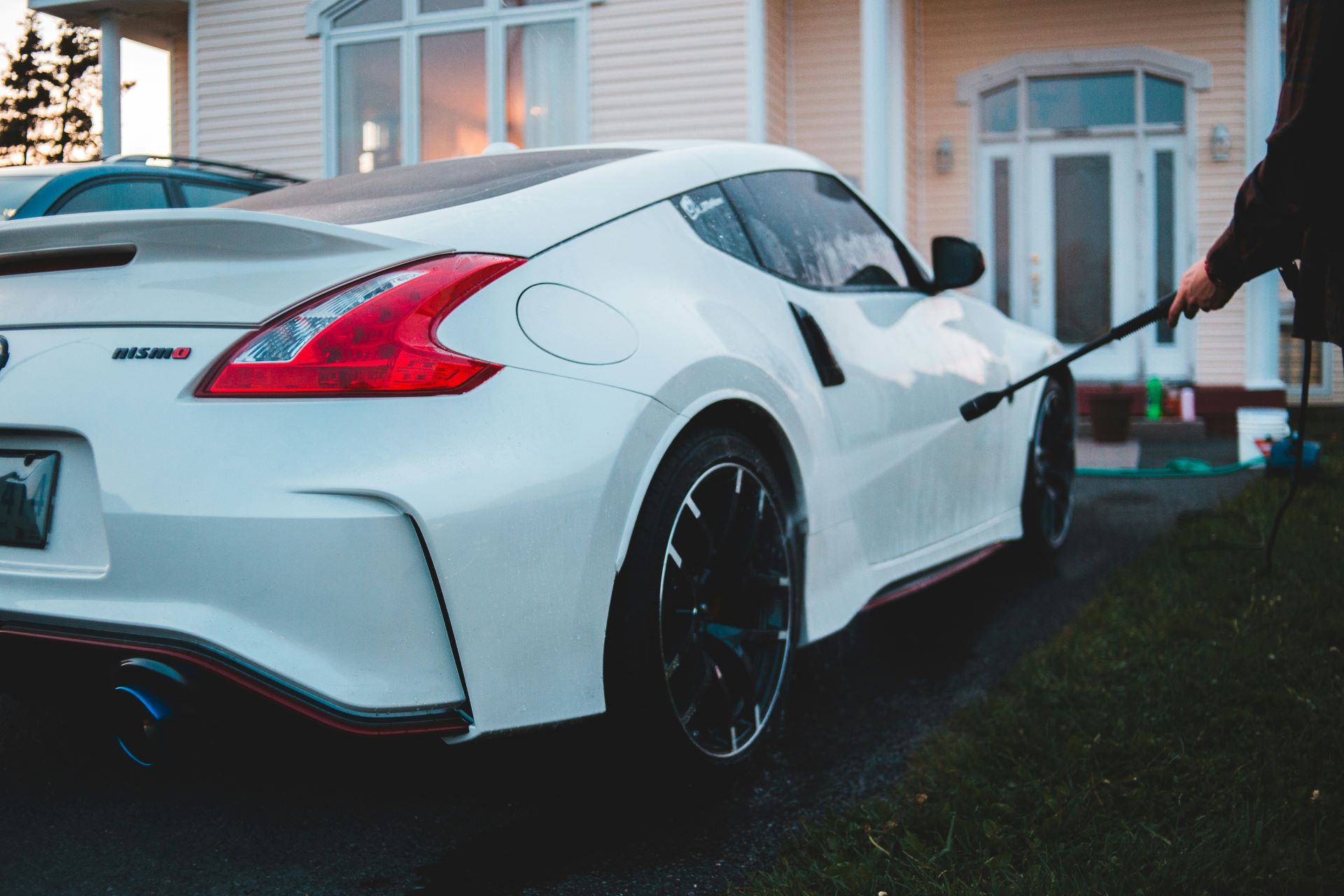
Overview of Traditional Car Ad Stereotypes: The Same Old Road
LetÔÇÖs start with a trip down memory lane (or should we say the ÔÇ£ad laneÔÇØ?) where the usual car ad stereotypes hit us at every turn. We've all seen them: the fast car on a lonely stretch of highway, the rugged man conquering mountains, and the polished luxury vehicle with more leather and chrome than your grandmaÔÇÖs antique cabinet. These arenÔÇÖt just stereotypesÔÇötheyÔÇÖre practically car ad law.
The Need for Speed (on an Endless Highway)
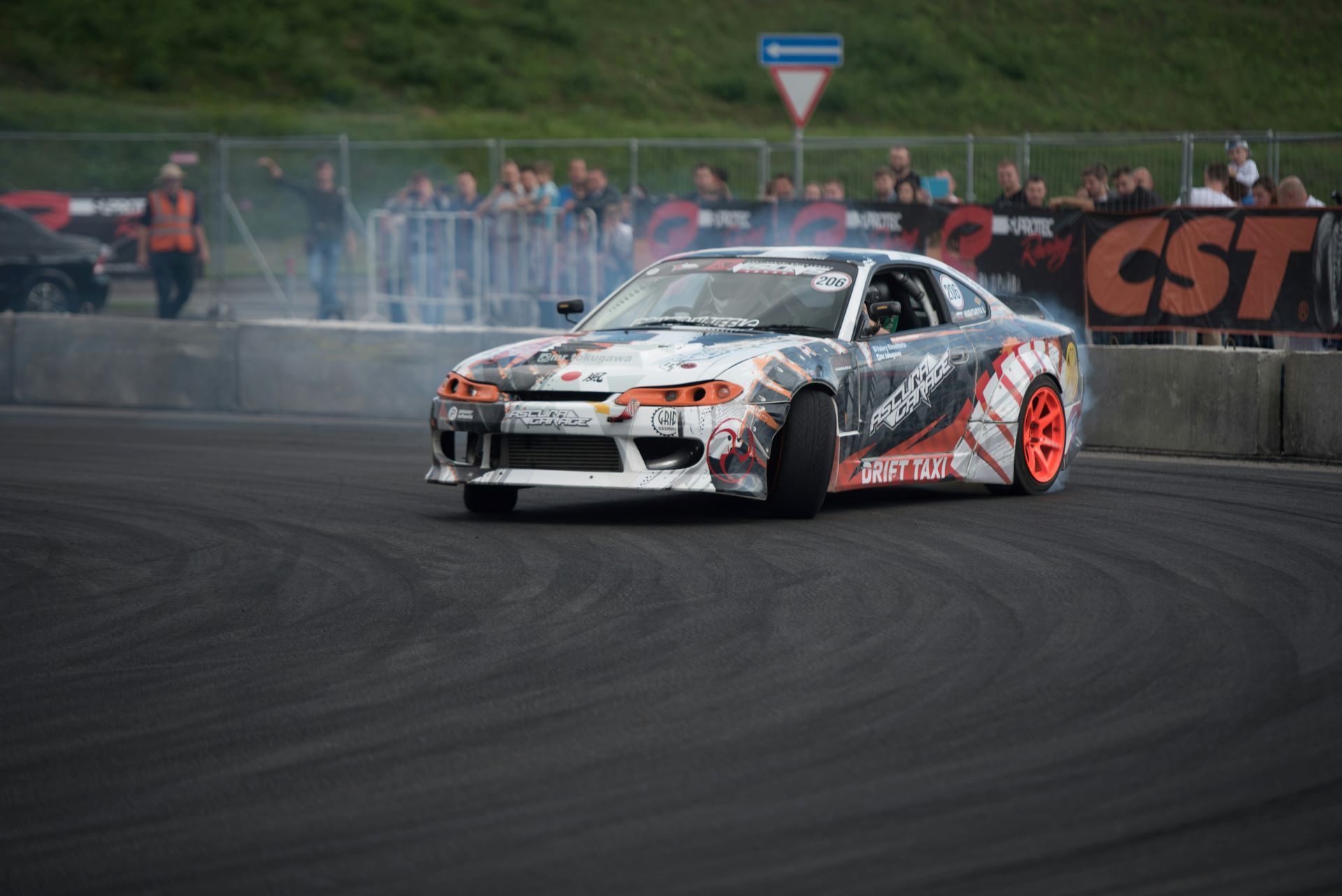
WeÔÇÖve all witnessed the exhilarating scenes where a car is driven at breakneck speeds on an open road, the engine growling as the car swerves, drifts, and corners like itÔÇÖs competing in an action movie. But hereÔÇÖs the kickerÔÇöhow often do we actually get to drive like that? Never. Most of us are just trying to avoid traffic or find parking at the supermarket, and here comes a car ad showcasing impossible levels of speed and daredevil maneuvers.
Take, for instance, the classic commercials for luxury sports cars. The carÔÇÖs speed is often emphasized, with the driverÔÇÖs facial expressions giving off that ÔÇ£IÔÇÖve got this under controlÔÇØ vibe. Meanwhile, the only thing you're controlling is the urge to reach for the remote. And then there's the epic soundtrack that pumps you full of adrenalineÔÇöbecause apparently, all you need to feel the thrill of speed is to watch someone else do it.
The Rugged, Manly Adventurer
ThereÔÇÖs another stereotype thatÔÇÖs been around since the dawn of car ads: the rugged, outdoorsy type, usually a man (because of course), dominating the terrain in a massive truck or SUV. These ads typically feature the vehicle tackling mountains, rivers, and mud, all while the driverÔÇöletÔÇÖs face it, probably wearing a plaid shirt and bootsÔÇölooks cool under pressure. But is this really a reflection of the average consumer? Maybe we should give the ÔÇ£adventurousÔÇØ SUV a little more credit, but unless youÔÇÖre navigating a dirt trail on your way to your weekend cabin getaway, we might want to dial down the ruggedness just a notch.
Luxury as Status Symbol
Next up: the luxury car ad. Think high-end sedans and sports cars, usually set against a backdrop of a mansion or penthouse. These ads tend to emphasize the status of the driver, who, let's be honest, probably isn't just an affluent personÔÇöthey're often depicted as a mysterious figure who steps out of the car like they're auditioning for a role in a Bond film. ItÔÇÖs all about statusÔÇödriving a luxury car says, ÔÇ£IÔÇÖve made it.ÔÇØ But in reality, many of us just want a car that wonÔÇÖt break down in the middle of a busy intersection.
While these types of ads work for some, they perpetuate the idea that owning a luxury vehicle is the ultimate goalÔÇöa notion that may be increasingly less appealing in todayÔÇÖs world, where sustainability and practicality are gaining traction.
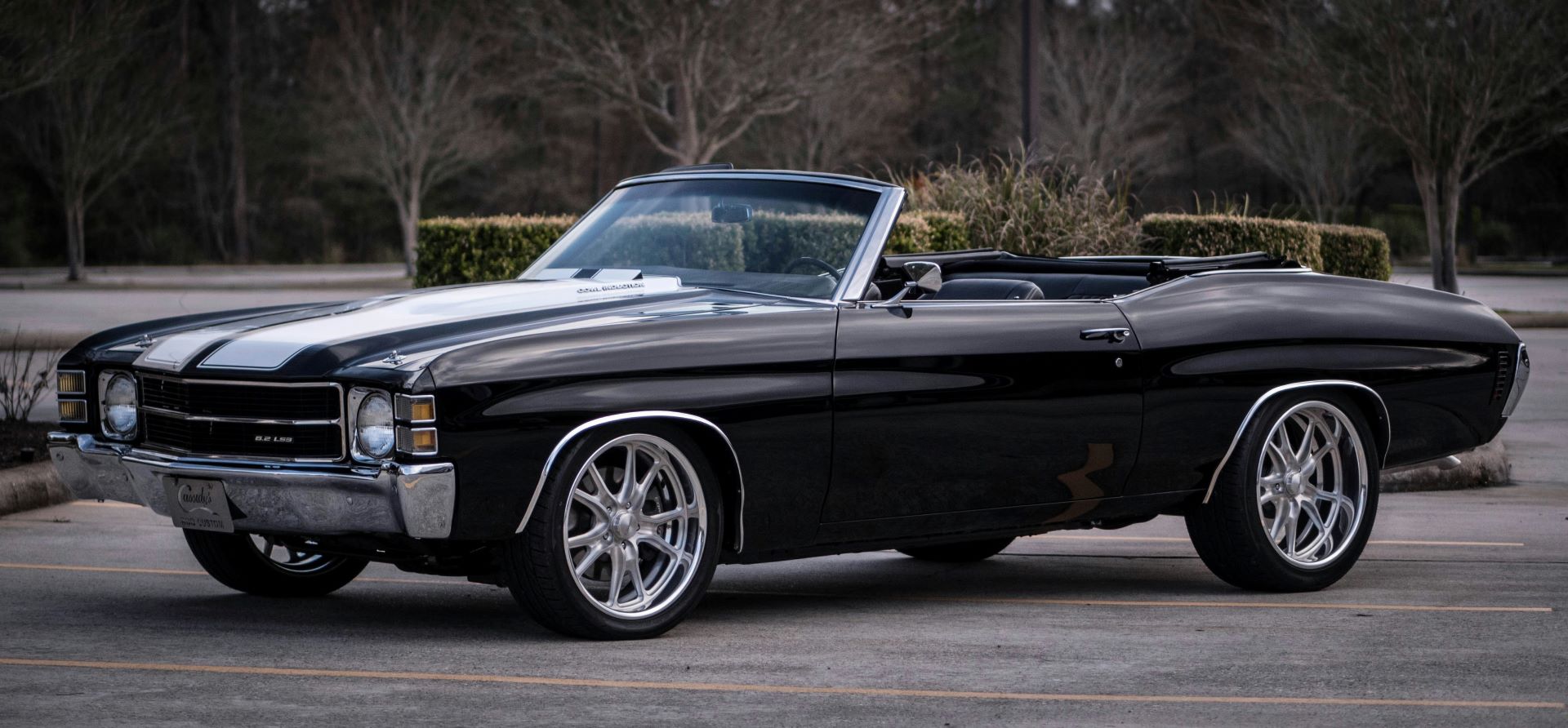
Impact of Stereotypes on Consumer Perception: Expectation vs. Reality
LetÔÇÖs face itÔÇöthose ads are spectacular, arenÔÇÖt they? But when it comes to the car-buying experience, how often do we find ourselves channeling our inner James Bond as we park in the lot of our local supermarket? (Spoiler: Not often.) These stereotypes in advertising have shaped our expectations of what cars should do and how they should make us feel. But the reality? Not so glamorous.
Take the ÔÇ£fast car on an open roadÔÇØ ad, for example. The ad promises an adrenaline-pumping experience, yet most drivers can barely hit the speed limit on their daily commute. What happens when the adÔÇÖs promise of speed and freedom clashes with the mundane reality of rush-hour traffic? The disconnect can be jarring.
Similarly, the ÔÇ£rugged adventurerÔÇØ trope can leave some consumers feeling left out. If you donÔÇÖt spend your weekends off-roading through mountains or hauling gear to remote locations, does the SUV still appeal to you? The answer, for many, is no. The reality is that most of us use our cars to navigate city streets and get from point A to point B.
But perhaps the most pervasive stereotype in car advertising is the luxury vehicle as a status symbol. The idea that a luxury car is the key to unlocking happiness, success, or societal approval is, frankly, a little dated. The average consumer is becoming more conscious of the environmental and practical aspects of car ownership. Suddenly, the flashy luxury car with its grand promise of prestige isnÔÇÖt as alluring as it once was.
Breaking the Mold: Fresh Approaches in Automotive Advertising
So, whatÔÇÖs the solution to all these tired car ad stereotypes? Well, some brave brands are shifting gears and taking a more innovative, diverse, and fun approach to car advertising.
Real People, Real Stories
Some brands have moved away from portraying unattainable perfection, opting instead for more relatable, down-to-earth portrayals of everyday drivers. Take, for example, ToyotaÔÇÖs ÔÇ£Start Your ImpossibleÔÇØ campaign. The company took a completely different direction by showcasing athletes with disabilities overcoming obstacles, highlighting the inclusivity and adaptability of their vehicles. This broke away from the typical ÔÇ£perfect, idealized lifeÔÇØ stereotype and presented real, human stories of perseverance and triumph.
Humor and Playfulness
Humor is another powerful tool in breaking away from car ad clich├®s. For instance, AudiÔÇÖs hilarious ÔÇ£LifeguardÔÇØ ad poked fun at the idea of the ÔÇ£perfectÔÇØ car by showing a lifeguard being overzealous in his duties, rescuing a swimmer from a pool with an Audi car key. It was a playful way to communicate AudiÔÇÖs precision engineering while simultaneously poking fun at the seriousness of typical luxury car ads.
Sustainability and Innovation
Another fresh approach comes in the form of sustainability. As the world shifts towards electric vehicles (EVs), many car brands are tapping into the growing desire for eco-friendly options. BMWÔÇÖs ÔÇ£The Power of ChoiceÔÇØ campaign emphasizes the freedom of driving an electric car while promoting a sustainable future. TheyÔÇÖve crafted an ad thatÔÇÖs not just about the carÔÇÖs features but about its role in shaping a greener world.
The Role of Digital Media and Technology in Advertising Innovation
LetÔÇÖs talk about the digital revolution. Gone are the days when car ads were confined to the TV screen or billboard. With the rise of digital media, technology has opened new avenues for creative, interactive, and personalized advertising.
Interactive Ads and Social Media Campaigns
Automotive brands are now leveraging digital platforms to create interactive and engaging experiences. For example, FordÔÇÖs social media campaigns have allowed users to virtually customize their vehicles, offering a more hands-on approach to car advertising. Similarly, the rise of virtual reality (VR) experiences has allowed consumers to take a virtual test drive from the comfort of their homes, all while being immersed in the vehicleÔÇÖs features.
Influencer Partnerships
Influencer marketing has taken car advertising to a whole new level. Brands are increasingly teaming up with social media influencers to showcase their vehicles in a more relatable and authentic way. Instead of just a flashy car ad, viewers are getting an insiderÔÇÖs look at the car in real-life situations. This method brings authenticity and trustworthiness into playÔÇöqualities that traditional ads often lack.
The Future of Automotive Advertising
The future of automotive advertising is all about engagement, authenticity, and innovation. With advances in AI, augmented reality, and data-driven campaigns, the next wave of car ads will be more personalized and interactive than ever before. We can expect to see more diverse representations of drivers, more emphasis on sustainability, and even more humor as brands seek to connect with their audiences in fresh ways.
Imagine being able to tailor a car ad just for you, one that reflects your lifestyle, your values, and maybe even your quirky sense of humor. The possibilities are endless!
A New Road Ahead
Car ads have been stuck in a rut for decades, relying on the same old stereotypes to capture our attention. But as the automotive world changes, so too must its advertising strategies. The brands that are succeeding today are those that break free from the conventional and embrace fresh, innovative approaches that resonate with a modern, diverse audience.
So next time you see a car ad, ask yourself: Is it playing to the same old clich├®s, or is it breaking the mold? And who knowsÔÇömaybe itÔÇÖs time to create your own ad that pushes the limits of what a car commercial can be. The road to change is wide open.
Breyten Odendaal
Specializing in high-performance automotive advertising and digital marketing solutions, delivering cutting-edge insights and the latest news shaping the automotive industry in South Africa.
More From Advertising

Automotive Advertising in 2026: Selling Confidence in a More Competitive Market
As South Africa’s vehicle market becomes more competitive, automotive advertising needs to do more than announce a price or specification. It needs to help buyers understand value, ownership costs and why a vehicle suits their lives.

Automotive Digital Ads in South Africa: A Shift
Exploring how South Africa’s automotive advertising evolved from print and broadcast to data-driven, programmatic digital ecosystems.

The Video Shift in Car Buying Decisions in SA
Explore how video content shapes car purchase decisions in South Africa, comparing short-form and long-form strategies for automotive marketers.