Revving Up Nostalgia
Picture this: YouÔÇÖre driving down the highway, wind in your hair, and suddenly, you spot a shiny 1960s Mustang gliding by. ItÔÇÖs impossible not to think: Wow, thatÔÇÖs timeless. But letÔÇÖs rewind a few decades and imagine a time when Mustangs werenÔÇÖt just coolÔÇöthey were everything. Ah, classic cars. TheyÔÇÖre more than just metal and rubber; theyÔÇÖre icons. Over the years, these machines have been glorified in movies, music, and, of course, advertising. And while theyÔÇÖve evolved in design and technology, the essence of classic car branding still runs like high-octane fuel through the veins of modern marketing.
In this article, weÔÇÖre going to take you on a quirky ride through the history of classic car branding, how itÔÇÖs influenced modern campaigns, and why it still holds an iron grip on the automotive world. From the roaring engines of yesteryear to the sleek digital ads of today, classic car branding has remained a trusted playbook for making cars feel like more than just a means of transportation. Let's buckle up!
A Glimpse into Classic Car Branding
Classic car branding isnÔÇÖt just a marketing strategyÔÇöitÔÇÖs an institution. The Chevrolet Corvette, Ford Mustang, Volkswagen Beetle, and Ferrari are all more than just carsÔÇötheyÔÇÖre legends. And while each of these brands has undergone its own evolution, theyÔÇÖve stayed true to a core message: character. These brands didnÔÇÖt just sell cars; they sold lifestyles.
LetÔÇÖs dive into a few historical highlights:
Ford Mustang (1964)The Mustang wasnÔÇÖt just a car; it was a cultural revolution. FordÔÇÖs marketing team hit the nail on the head with their tagline, "The MustangÔÇöThe car that made going places a lot more fun." It wasnÔÇÖt about specs or performanceÔÇöit was about being cool.
Chevrolet Corvette (1953)From the moment the first Corvette rolled off the assembly line, Chevy was aiming at glamour. The 'VetteÔÇÖs sleek curves and luxury appeal were pushed in ads as the ultimate symbol of American style and performance. Today, the Corvette still carries that torch, with new models embracing the same distinct shape and attitude.
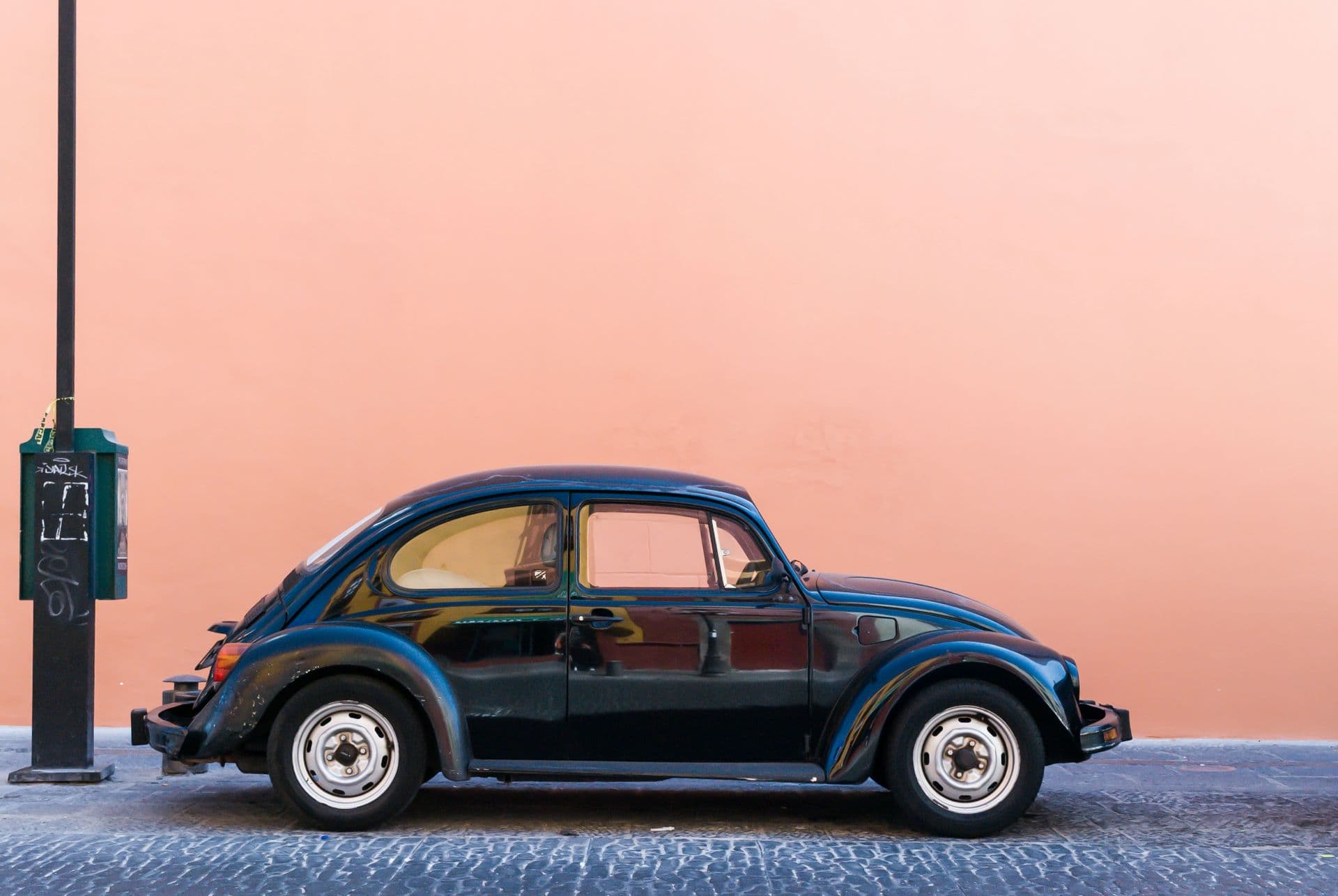
Volkswagen Beetle (1960s)With its quirky design and marketing genius, Volkswagen took a humble, quirky car and turned it into an icon of counterculture. Who could forget the ads featuring the "Think Small" campaign, turning simplicity into sophistication?
Ferrari (1950s-Present)With Ferrari, branding is more about an exclusive aura. The brandÔÇÖs sleek design, powerhouse engines, and FerrariÔÇÖs Formula 1 pedigree have created a mystique around owning a piece of automotive history.
These brands understood that cars werenÔÇÖt just for getting from point A to point BÔÇöthey were a reflection of identity. Their advertisements often played up their ethos: the ruggedness of Ford, the performance of Chevrolet, the charm of Volkswagen, and the exclusivity of Ferrari. And despite the changing times, the personality of these brands remains as sharp as ever.
Fun Fact
Did you know that in 1965, Ford introduced a 2-door Mustang in an ad that featured a very peculiar line? The headline read: "Mustang: All American, All Woman." Seems Ford knew what they were doingÔÇöpushing the envelope before it was even cool.
The Legacy of Classic Car Branding on Modern Campaigns
Fast-forward to today, and youÔÇÖll notice something: classic car branding isnÔÇÖt a relic of the past; itÔÇÖs alive and kicking in modern automotive marketing campaigns. The trick lies in blending nostalgia with innovation. LetÔÇÖs explore how that works.
Nostalgic Aesthetics in Modern Ads
One of the most enduring elements of classic car branding is its nostalgic appeal. Modern car ads often nod to vintage styles by using sepia tones, retro fonts, or even resurrecting old jingles. Take for example:
Ford Mustang (2023)The latest Mustang ads channel the original 1960s vibe, with a modern twist. Classic revs, retro sounds, and sleek new visuals show that the Mustang has evolved, but its roots are never far behind.
Volkswagen ID. Buzz (2022)VWÔÇÖs electric revival of the iconic Beetle in the form of the ID. Buzz embraces vintage charm. Its marketing campaigns intentionally evoke the feel of the 1960s with bold graphics and images of the old Beetle road trips, all while promoting cutting-edge electric technology.
Brand Ethos and Storytelling
The stories behind classic car brands are timeless, and modern campaigns are adept at weaving these narratives into their advertising. Why? Because humans love storiesÔÇöespecially the ones that speak to emotions like freedom, adventure, or rebellion. In todayÔÇÖs world of hyper-connected tech, these brands are a link to a simpler, bolder time.
For instance, ChevroletÔÇÖs ad campaigns with the Corvette continue to play up the themes of performance and luxury that the brand has always stood for. The latest Corvette Z06 ad features the car in all its muscle-bound glory, echoing the old-school promise of power, style, and exclusivity.
Similarly, Jeep continues to ride on the coattails of its Willys Jeep heritage, presenting the brand as a rugged pioneerÔÇöwhether youÔÇÖre off-roading through the desert or navigating the urban jungle.
Emotional Impact
Classic car branding appeals to our emotions like no other. Modern campaigns often leverage these emotional triggers, evoking feelings of nostalgia and connection to something bigger than ourselves. Take Aston Martin: The brand isnÔÇÖt just selling cars; itÔÇÖs selling the idea of British luxury and sophistication. By tapping into its storied legacy (from Bond films to historic racing wins), Aston Martin continues to be synonymous with success and elegance.
Expert Insight
David Smith, a branding consultant, says, ÔÇ£The appeal of classic car branding lies in its emotional impact. These brands have managed to capture moments in history and encapsulate them in a car. ThatÔÇÖs powerful.ÔÇØ
Why It Works
Why does this blend of old and new work so well? Well, letÔÇÖs put it simply: people love quirky things. And when nostalgia is involved, itÔÇÖs even better. Modern campaigns that combine cutting-edge tech with vintage allure tap into several psychological drivers:
The Power of Nostalgia
Studies show that nostalgia can make consumers feel good about themselves, leading to a stronger emotional connection with the brand. When we see an ad that references our pastÔÇöwhether itÔÇÖs an old ad, a familiar logo, or a nostalgic car designÔÇöwe feel a little more connected to our memories and ourselves.
Creating a Sense of Belonging
Classic car branding appeals to a desire for community. Owning a vintage carÔÇöor even just recognizing its iconic designÔÇögives enthusiasts a sense of belonging to an exclusive club. Brands like Mini Cooper have long played on this concept, combining fun, quirky designs with a sense of exclusivity.
Bringing It BackÔÇöFuture Trends in Classic-Inspired Branding
Looking ahead, itÔÇÖs clear that classic car branding isnÔÇÖt going anywhere. In fact, we may see an evolution of this trend, as automakers strive to connect with younger generations without losing the magic of their heritage.
Heritage Meets Sustainability
As we head into an era of electric vehicles and sustainability, classic car branding will evolve to emphasize not just tradition but innovation. Expect to see more campaigns that combine the nostalgia of classic car designs with environmentally friendly technology.
Tesla RoadsterThe upcoming Tesla Roadster might tap into the same ethos as the Corvette, but with a sustainable twist, appealing to both nostalgia and the future.
The Pitfalls of Nostalgia
However, leaning too heavily on nostalgia can be a double-edged sword. If automakers arenÔÇÖt careful, they may end up stuck in the past, unable to innovate in ways that truly excite modern consumers. The challenge will be finding the sweet spot where nostalgia doesnÔÇÖt hold the brand back from moving forward.
Beyond the Auto Industry
WhatÔÇÖs interesting is that classic car branding might not stay confined to the automotive world for long. Brands in fashion, technology, and even food could start drawing inspiration from classic car designs and branding strategies. After all, who wouldnÔÇÖt want to buy a high-tech smartwatch with the same flair as a classic car dashboard?
Full Throttle Ahead
The power of classic car branding is undeniable. These brands didnÔÇÖt just sell productsÔÇöthey sold an experience. From the open road to the iconic ads, classic car brands have become synonymous with freedom, adventure, and status. And while the times may change, the pull of nostalgia remains a constant. So, the next time you see an ad featuring a Mustang or a Corvette, just remember: that gleaming beauty isnÔÇÖt just a carÔÇöitÔÇÖs a legacy on wheels, one thatÔÇÖs still driving modern marketing campaigns into the future.
Now, if youll excuse me, Im off to look for my own vintage ride Just dont tell my bank account.
Breyten Odendaal
Specializing in high-performance automotive advertising and digital marketing solutions, delivering cutting-edge insights and the latest news shaping the automotive industry in South Africa.
More From Advertising

Automotive Advertising in 2026: Selling Confidence in a More Competitive Market
As South Africa’s vehicle market becomes more competitive, automotive advertising needs to do more than announce a price or specification. It needs to help buyers understand value, ownership costs and why a vehicle suits their lives.

Automotive Digital Ads in South Africa: A Shift
Exploring how South Africa’s automotive advertising evolved from print and broadcast to data-driven, programmatic digital ecosystems.

The Video Shift in Car Buying Decisions in SA
Explore how video content shapes car purchase decisions in South Africa, comparing short-form and long-form strategies for automotive marketers.