
In todayÔÇÖs rapidly evolving automotive landscape, brands face the formidable challenge of speaking to an audience that spans generationsÔÇöeach with its own unique set of expectations, values, and media habits. The automotive industry, more than ever, must bridge the generational gap between millennials and baby boomers, two groups whose purchasing behaviors and emotional connections to vehicles diverge yet occasionally converge on shared ideals. While baby boomers often view cars as symbols of reliability and tradition, millennials see them as extensions of their lifestyle, reflecting innovation, sustainability, and connectivity. This divergence poses a complex puzzle for automotive marketers tasked with creating campaigns that resonate broadly.
Automotive ads historically leaned towards the established trust and familiarity cherished by older generations. However, as technological advancements continue to reshape consumer behavior, younger buyers demand a fresh narrativeÔÇöone that intertwines cutting-edge features with personal storytelling. Marketers now need to blend the reassuring reliability of long-established brands with the dynamic, forward-thinking qualities that millennials value. This dual appeal is essential not only for capturing immediate market share but also for building long-term brand loyalty across generational divides.
Understanding these two generations is the first step in creating effective, inclusive campaigns. Baby boomers, born roughly between 1946 and 1964, have long held a preference for traditional values, face-to-face communication, and a steadfast commitment to brand heritage. They often favor in-depth, fact-based information and appreciate the nuance of craftsmanship and performance reliability. Millennials, on the other hand, born between 1981 and 1996, navigate a world saturated with digital information. They prioritize authenticity, social responsibility, and innovation, and are quick to share their experiences through social media platforms. These inherent differences demand a thoughtful approach to advertising that neither alienates nor dilutes the core message.
For automotive brands, crafting campaigns that span these generational nuances means more than simply adjusting the tone or medium of their adsÔÇöit requires a strategic melding of values, storytelling, and innovation. In an era where consumer expectations are higher than ever, the ability to articulate a message that resonates with both the nostalgic comfort of baby boomers and the forward-looking aspirations of millennials is a marker of industry leadership. This article will explore the intricacies of these generational differences and outline how automotive marketers can harness tailored messaging, strategic channel selection, and compelling case studies to craft ads that appeal to a broad spectrum of car enthusiasts. By examining the interplay of tradition and modernity, we aim to provide a roadmap for brands to not only meet but exceed the expectations of both generations in an honest, authentic, and engaging manner.
Understand the Generations
To bridge the generational gap in automotive advertising, it is crucial to understand the distinct characteristics of millennials and baby boomers. Each generationÔÇÖs values, purchasing behaviors, and media consumption habits have been shaped by unique historical, social, and technological contexts. A detailed understanding of these factors enables marketers to create campaigns that are as nuanced as they are impactful.
Demographic Overview
Baby boomers were born in the post-World War II era, a time characterized by economic prosperity, rapid industrial growth, and a deep-rooted trust in established institutions. As a result, this generation grew up with an appreciation for quality, reliability, and the tangible benefits of hard work. Their lifetime experiences have cemented a preference for well-crafted, detail-oriented information and a respect for brand heritage. For automotive enthusiasts, baby boomers tend to value vehicles that embody tradition, robust engineering, and a sense of permanence. They are often loyal to brands that have a long-standing reputation for reliability and safety, and they respond well to messaging that reinforces these themes.
Millennials, in contrast, were born into an era of technological revolution and global connectivity. Growing up during the advent of the internet and social media, they have been immersed in a digital-first culture. This exposure has fostered a generation that is highly adaptive, socially conscious, and eager to embrace change. For millennials, cars are not just machines for transportation but are seen as reflections of their personal identity and lifestyle. They lean towards vehicles that incorporate the latest technology, offer enhanced connectivity, and align with their values of sustainability and innovation. Millennials prefer marketing that is authentic, relatable, and engagingÔÇöone that tells a story rather than just listing features.
Values and Interests
While baby boomers tend to prioritize stability, craftsmanship, and the enduring quality of a product, millennials are drawn to experiences and the integration of technology into everyday life. Baby boomers are more likely to be influenced by a brandÔÇÖs legacy and reputation, seeking assurance that their investment is in a product that stands the test of time. In automotive advertising, this translates into a preference for ads that emphasize durability, performance, and after-sales support. Millennials, however, value innovation and the overall experience associated with driving a car. They are more interested in how a vehicle enhances their lifestyle through connectivity features, environmental efficiency, and a design that reflects their personal style.
Media Consumption Habits
The way each generation consumes media further influences their interaction with automotive advertising. Baby boomers often gravitate towards traditional media outlets such as television, radio, and print, where information is presented in a more linear and detailed format. Their media habits are rooted in trust and the long-standing credibility of these channels. Conversely, millennials are digital natives who engage with content primarily through online platforms, including social media, streaming services, and blogs. They prefer bite-sized, visually appealing content that they can quickly share and discuss within their networks.
Influence on Purchasing Decisions
These differences in values and media consumption naturally extend to purchasing decisions. Baby boomers are generally more risk-averse, favoring products with a proven track record and solid customer reviews. They appreciate detailed product specifications and expert testimonials, which help them make informed decisions. Millennials, on the other hand, tend to rely on peer reviews, influencer opinions, and the overall digital presence of a brand. Their purchasing decisions are heavily influenced by the perceived lifestyle that a vehicle can offer, as well as the brandÔÇÖs commitment to innovation and social responsibility.
By understanding these fundamental distinctions, automotive marketers can tailor their messaging to address the specific needs and expectations of each generation. This nuanced approach is essential for designing campaigns that not only capture attention but also foster long-term loyalty among a diverse audience.
Shared Themes and Values
Despite the distinct characteristics of millennials and baby boomers, there are universal themes that resonate with both groupsÔÇövalues that can serve as common ground for automotive advertising. Identifying and leveraging these shared values can be the key to creating campaigns that appeal to the broader automotive enthusiast community.
Reliability and Trust
One of the most significant values for both generations is reliability. Baby boomers have long associated reliability with the heritage of a brand, while millennials, though more tech-savvy and experience-driven, still demand consistency in performance. In automotive advertising, highlighting the robustness of engineering, the longevity of vehicles, and the reputation for safety can build trust across the board. Campaigns that showcase rigorous testing, quality assurance processes, and endorsements by experts can reassure baby boomers while simultaneously appealing to millennials who value transparency and integrity in a brand.
Innovation and Technological Advancement
Innovation is another area where both generations find common ground. While baby boomers appreciate innovation when it enhances reliability and performance, millennials actively seek out the latest technological advancements that improve the driving experience. For instance, advanced driver-assistance systems, connectivity features, and eco-friendly technologies are aspects that can bridge the gap. Automotive brands that can illustrate how their vehicles incorporate cutting-edge technologyÔÇöwithout sacrificing the core attributes of durability and performanceÔÇöstand to capture the interest of both demographics.
Value for Money
Value for money is a theme that cuts across generational lines. Baby boomers often look for the long-term value of a purchase, including after-sales service and the overall cost of ownership. Millennials, however, evaluate value through the lens of both functionality and experience. They want vehicles that offer high performance, aesthetic appeal, and advanced features, all at a reasonable price point. Ads that combine testimonials, case studies, and transparent pricing strategies can effectively communicate this dual promise of value.
Emotional Connection and Storytelling
Storytelling is a powerful tool that resonates with both baby boomers and millennials. For baby boomers, a well-crafted narrative that reflects the brandÔÇÖs legacy, quality, and commitment to tradition can evoke a sense of nostalgia and trust. Millennials, conversely, are drawn to stories that are authentic, relatable, and reflective of their aspirations. An automotive campaign that marries the rich heritage of a brand with modern storytelling elements can create an emotional connection that transcends generational divides. By focusing on shared human experiencesÔÇösuch as the joy of the open road, the excitement of discovery, and the comfort of a reliable companionÔÇöbrands can create ads that are both heartfelt and universally appealing.
Case Examples of Shared Values in Action
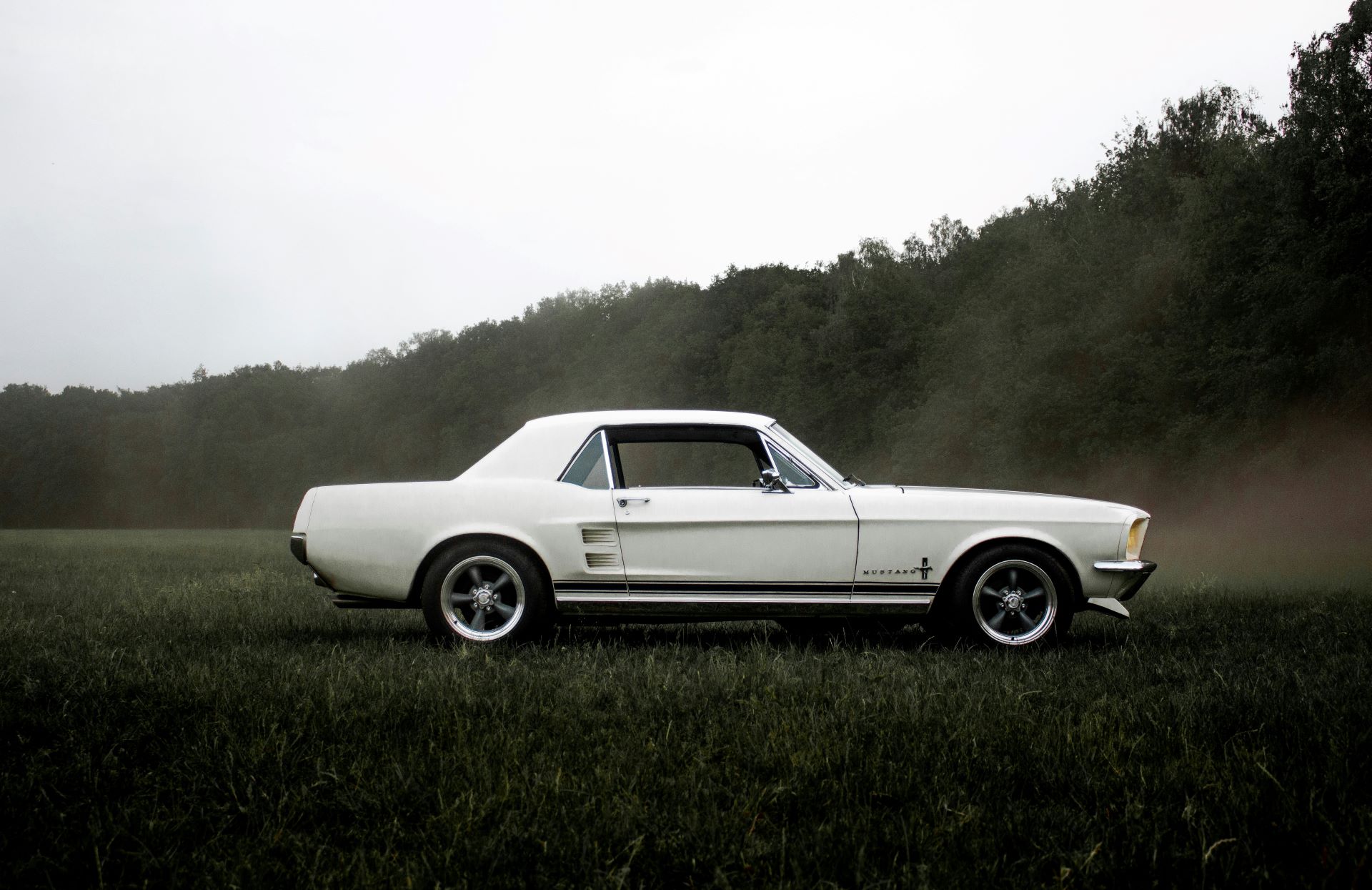
Consider the example of a longstanding automotive brand that has successfully adapted its messaging over the years. A campaign featuring a classic car model revived with modern technological enhancements can evoke both nostalgia and admiration for innovation. The narrative might detail the journey of a timeless design that has evolved to meet modern demands, thereby reinforcing the brandÔÇÖs commitment to both tradition and progress. Similarly, a campaign that focuses on the safety features of a vehicle, backed by testimonials from satisfied customers across different age groups, can highlight reliability and trustÔÇöcore values that resonate with all.
By anchoring advertisements in these shared themesÔÇöreliability, innovation, value, and emotional storytellingÔÇöautomotive brands can create a unified message that speaks to the heart of both baby boomers and millennials. The key lies in balancing the narrative so that it honors the legacy of the past while embracing the promise of the future, ensuring that every campaign reflects a commitment to excellence, regardless of the audienceÔÇÖs age.
Tailored Messaging Strategies
Crafting ads that effectively engage both baby boomers and millennials requires a tailored approach to messaging and visual design. The art of communication in automotive advertising is not solely about relaying technical specifications or feature listsÔÇöit is about evoking emotions, painting a vivid picture of the driving experience, and telling a story that each viewer can see themselves a part of. To achieve this, marketers must blend universal themes with targeted messaging strategies that address the specific preferences of each generation.
The Power of Storytelling
Storytelling remains one of the most potent strategies in advertising. For baby boomers, narratives steeped in tradition, legacy, and reliability can evoke a sense of familiarity and trust. These stories might recount the heritage of a brand, the meticulous craftsmanship behind a vehicleÔÇÖs design, or a testimonial that highlights the long-term reliability of a car. For millennials, however, storytelling must be dynamic, interactive, and grounded in contemporary experiences. Their stories often focus on innovation, sustainability, and the lifestyle enhancements that modern vehicles offer. By weaving together narratives that speak to both the past and the present, brands can create a layered story that appeals to the emotional sensibilities of both generations.
Visual and Aesthetic Considerations
Visual elements play a crucial role in bridging generational gaps. For baby boomers, a clean, straightforward aesthetic that emphasizes clarity and detail can be highly effective. High-quality visuals that highlight craftsmanship, rich textures, and classic design elements can evoke a sense of enduring quality. In contrast, millennials respond well to sleek, modern visuals that incorporate bold colors, dynamic compositions, and innovative design techniques. A dual approach might involve creating a visual campaign that includes both classic imageryÔÇösuch as heritage shots of vehicles in timeless settingsÔÇöand modern, digitally enhanced visuals that emphasize cutting-edge technology. This balanced visual narrative can capture the attention of both demographics without alienating either.
Crafting the Message
The language used in automotive advertising should be as carefully calibrated as the visuals. For baby boomers, the tone should be respectful, detailed, and reassuringÔÇöemphasizing words like ÔÇ£trust,ÔÇØ ÔÇ£heritage,ÔÇØ and ÔÇ£durability.ÔÇØ For millennials, the language should be vibrant, energetic, and forward-thinking, with an emphasis on ÔÇ£innovation,ÔÇØ ÔÇ£sustainability,ÔÇØ and ÔÇ£experience.ÔÇØ One effective strategy is to develop a core message that reflects the brandÔÇÖs universal values, then adapt this message with tailored subtexts. For example, a tagline such as ÔÇ£Driven by Legacy, Powered by InnovationÔÇØ can serve as the central theme, while additional messaging layers provide context specific to each audience. This dual-layer approach ensures that both generations feel recognized and valued.
Practical Tips for Consistency
Maintaining consistency while tailoring messages is paramount. Here are some practical tips for achieving this balance:
Balancing Tradition and Modernity
Striking a balance between tradition and modernity is not just a creative challengeÔÇöit is also a strategic imperative. By acknowledging the timeless qualities that appeal to baby boomers while simultaneously embracing the progressive attributes that attract millennials, automotive brands can build campaigns that stand the test of time. The art of tailored messaging lies in its ability to be both specific and inclusiveÔÇöa narrative that is detailed enough to speak to individual values, yet broad enough to unify diverse audiences under a single brand identity.
Ultimately, the goal is to create messaging that does not merely inform but inspires. When automotive ads succeed in this dual objective, they become more than just advertisementsÔÇöthey become part of a larger dialogue that spans generations, inviting consumers to embark on a journey that is as much about heritage as it is about the promise of the future.
Channel Selection and Optimization
In todayÔÇÖs multifaceted media environment, selecting the right channels is as crucial as crafting the perfect message. For automotive brands looking to appeal to both millennials and baby boomers, an integrated approach that leverages both digital innovation and traditional media channels is essential. Each generation has its preferred platforms and engagement styles, and understanding these differences can significantly optimize campaign reach and impact.
Traditional Media Channels
Baby boomers continue to rely on traditional media channels such as television, radio, and print. These platforms offer a sense of credibility and familiarity that is deeply valued by this generation. High-production television commercials that feature detailed storytelling and endorsements from industry experts can resonate well with baby boomers. Similarly, print advertisements in reputable magazines and newspapers, known for their in-depth analysis and high-quality visuals, provide a tangible and trusted medium for communicating the brandÔÇÖs heritage and reliability. Automotive campaigns that incorporate these elements can effectively capture the attention of an audience that appreciates traditional values and proven track records.
Digital Platforms
Millennials, as digital natives, consume content predominantly through online channels. Social media platforms like Instagram, Facebook, YouTube, and TikTok offer dynamic and interactive environments where automotive brands can showcase the latest innovations and lifestyle experiences. Short-form videos, influencer collaborations, and immersive digital experiences such as virtual test drives and interactive ads can engage millennials on a personal level. These platforms allow for rapid content dissemination and real-time feedback, enabling marketers to adjust their strategies quickly. The use of targeted advertising tools and analytics also ensures that messages reach the appropriate demographic segments, maximizing both reach and engagement.
Mixed Media Approaches
A mixed media strategy that combines the strengths of both traditional and digital channels is particularly effective for bridging the generational gap. For example, a campaign might begin with a broad-reaching television commercial that establishes the brandÔÇÖs core values and heritage, followed by targeted digital ads that dive deeper into the innovative features and user experiences of the vehicle. This layered approach not only reinforces the overall message but also provides multiple touchpoints that cater to the specific media consumption habits of each generation. Cross-channel campaigns allow for a seamless integration of storytelling and technology, ensuring that the message remains consistent and impactful across diverse platforms.

Optimizing Engagement and Reach
To maximize engagement, brands should consider several optimization strategies:
The Impact of Emerging Technologies
Emerging technologies such as augmented reality (AR) and virtual reality (VR) are also beginning to play a significant role in automotive advertising. These technologies offer innovative ways to engage both generations. For instance, an AR-enabled app that allows users to visualize how a new model would look in their driveway can captivate tech-savvy millennials, while an immersive VR test drive experience can appeal to baby boomers by offering a safe yet thrilling way to experience the vehicleÔÇÖs features. Such interactive experiences not only enhance engagement but also create memorable brand interactions that leave a lasting impression.
The Cross-Generational Approach
The cross-generational appeal in channel selection lies in understanding that while the platforms may differ, the underlying goal remains the sameÔÇöto create an engaging, informative, and emotionally resonant brand experience. By combining the broad reach of traditional media with the precision and innovation of digital channels, automotive brands can create campaigns that speak to the values and habits of both baby boomers and millennials. This comprehensive strategy ensures that no matter the medium, the message is delivered with clarity and consistency, ultimately driving engagement and loyalty across the generational spectrum.
Lessons Learned
These case studies reveal several key lessons for automotive marketers:
By analyzing these examples, automotive brands can extract actionable insights on how to craft ads that are both compelling and inclusive, ultimately overcoming the challenges of generational differences and creating campaigns that resonate on multiple levels.
Challenges and Solutions
Despite the clear benefits of bridging generational divides in automotive advertising, brands inevitably encounter challenges when attempting to create campaigns that resonate across diverse age groups. The primary challenges include balancing traditional and modern messaging, avoiding alienation of any segment, and managing the complexities of multi-channel communication. However, with a proactive and flexible approach, these challenges can be transformed into opportunities for innovation.
Common Challenges
Practical Solutions and Strategies
Flexibility and Adaptability
The automotive market is dynamic, and consumer preferences are continually evolving. Flexibility is keyÔÇöbrands must be prepared to adjust their strategies based on market feedback and emerging trends. Regular performance reviews and agile campaign management can help identify areas for improvement and ensure that the messaging remains both relevant and effective. By staying adaptable, automotive marketers can turn challenges into opportunities, transforming potential obstacles into strategic advantages that drive long-term success.

In a world where consumer demographics are increasingly diverse, the ability to craft automotive ads that resonate with both baby boomers and millennials is not just an advantageÔÇöitÔÇÖs a necessity. By understanding the unique characteristics of each generation, identifying shared values, and implementing tailored messaging strategies, brands can create campaigns that honor tradition while embracing innovation. This holistic approach not only bridges generational divides but also strengthens brand loyalty and fosters deeper emotional connections with consumers.
Throughout this exploration, we have seen that successful automotive advertising hinges on a balance: integrating the reliability and heritage that baby boomers cherish with the dynamic, experience-driven values that millennials demand. Multi-channel strategies, innovative storytelling, and a steadfast commitment to authenticity have emerged as the pillars of campaigns that transcend age and appeal to a broad audience. The case studies presented serve as concrete examples of how this balance can be achieved, offering valuable lessons for brands willing to embrace both the past and the future.
As the automotive industry continues to evolve, so too must the strategies that drive it forward. Marketers are encouraged to view the generational diversity not as a barrier, but as an opportunityÔÇöa chance to innovate, adapt, and ultimately redefine what automotive advertising can achieve. Whether you are a seasoned marketer or a brand new to the industry, now is the time to invest in creating campaigns that speak to the heart of every consumer.
Call to Action:Automotive brands and marketers, itÔÇÖs time to bridge the generational divide. Embrace the challenge by adopting innovative strategies, leveraging both traditional and digital channels, and most importantly, telling stories that resonate with every driver. Start today by re-examining your brandÔÇÖs narrative, engage with your diverse audience, and drive your message forward with authenticity and passion.
Breyten Odendaal
Specializing in high-performance automotive advertising and digital marketing solutions, delivering cutting-edge insights and the latest news shaping the automotive industry in South Africa.
More From Advertising

Automotive Advertising in 2026: Selling Confidence in a More Competitive Market
As South Africa’s vehicle market becomes more competitive, automotive advertising needs to do more than announce a price or specification. It needs to help buyers understand value, ownership costs and why a vehicle suits their lives.

Automotive Digital Ads in South Africa: A Shift
Exploring how South Africa’s automotive advertising evolved from print and broadcast to data-driven, programmatic digital ecosystems.

The Video Shift in Car Buying Decisions in SA
Explore how video content shapes car purchase decisions in South Africa, comparing short-form and long-form strategies for automotive marketers.