
A New Era in Car Buying
The traditional car buying experience has long been defined by showroom visits, test drives, and in-person interactions with salespeople. For many, the excitement of buying a car has revolved around the tactile experienceÔÇöstepping into the vehicle, hearing the engine roar, and feeling the grip of the wheel as they take it for a spin. But the winds of change are blowing through the automotive industry, and they carry with them an exhilarating new approach: the digital showroom and virtual test drive.
The digital transformation in the automotive world has opened up new possibilities, allowing consumers to explore, research, and even purchase cars without stepping foot into a dealership. As technology evolves, the experience of buying and owning a car is undergoing a radical shift. The rise of digital showrooms and virtual test drives has made car shopping more accessible, convenient, and tailored to individual preferences. In a world where instant gratification is the norm, these innovations are offering a new kind of car-buying experienceÔÇöone thatÔÇÖs on the consumer's terms, not the dealershipÔÇÖs.
The digital transformation within the automotive industry is more than just a passing trend; itÔÇÖs an evolution. As digital tools and virtual experiences gain traction, more and more car buyers are embracing these new methods of interaction, enabling them to research, compare, and even experience cars from the comfort of their homes. In this article, weÔÇÖll explore how digital showrooms and virtual test drives are shaping the future of automotive retail, offering consumers unparalleled freedom and convenience.
The Changing Landscape of Car Buying
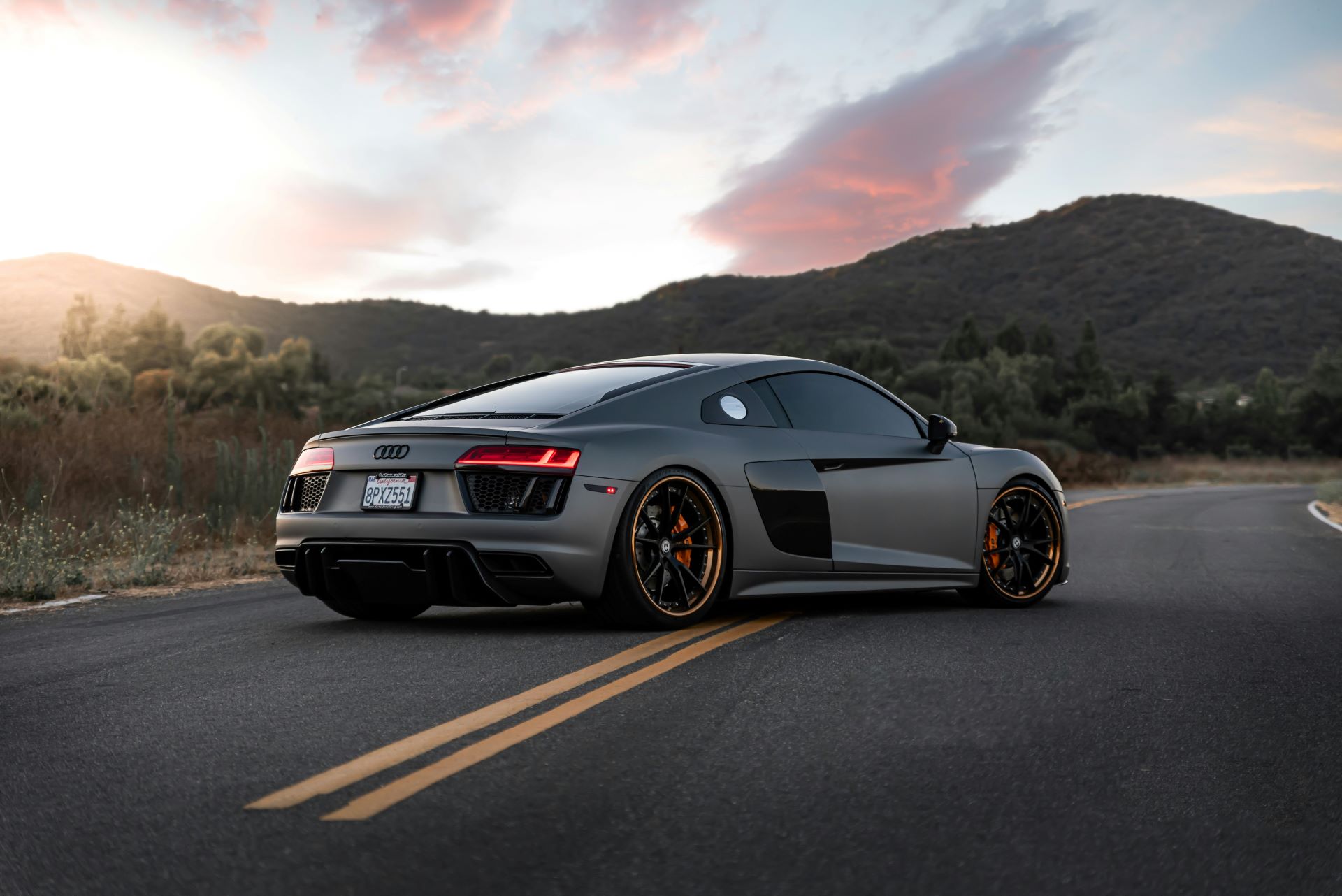
Gone are the days when the car-buying journey began and ended within the walls of a dealership. While physical dealerships still hold a strong presence, they are no longer the sole avenue for car shopping. The digital world has ushered in a paradigm shift in consumer behavior, and the automotive industry is rapidly adapting to these changes.
One of the main challenges of traditional dealerships is their reliance on in-person visits. While some car buyers still enjoy the tactile nature of test-driving a car, many are finding the process time-consuming and cumbersome. With busy schedules and hectic lives, consumers are increasingly turning to digital platforms to conduct research, compare models, and even make purchasing decisions from the comfort of their homes.
Statistics reveal the extent of this shift. According to a report by McKinsey, 80% of car buyers now conduct online research before visiting a dealership, and 50% of buyers are open to making their car purchases entirely online. The internet has become a treasure trove of information, with potential car buyers diving deep into reviews, specs, and pricing from their phones and computers. Moreover, many of todayÔÇÖs consumersÔÇöparticularly younger generationsÔÇöare looking for a seamless and frictionless experience. The digital experience now has to match or surpass the allure of the physical showroom.
Industry experts agree that the future of car buying lies in integrating digital tools with traditional practices. "The future of the automotive retail experience will be a hybrid of online and offline interactions," says John Murphy, an automotive analyst at Bank of America. "Consumers will be able to research, customize, and virtually experience cars in digital showrooms before making a final decision at the dealership, or even completing the purchase entirely online."
This new approach isnÔÇÖt just about convenience; itÔÇÖs also about offering a tailored experience for consumers. No longer do buyers have to contend with high-pressure sales tactics or limited showroom hours. Instead, they have the freedom to explore cars at their own pace, compare different models, and make decisions when it suits them.
Innovations in Digital Showrooms
Digital showrooms are revolutionizing the way car buyers interact with vehicles online. By merging cutting-edge technology with virtual reality (VR), augmented reality (AR), and 3D visualization, these virtual platforms are offering consumers an immersive experience that replicates, and sometimes even exceeds, what theyÔÇÖd find in a traditional dealership.
So, what exactly is a digital showroom? ItÔÇÖs an online platform that allows users to explore cars in a fully interactive virtual environment. Unlike static images on a website, digital showrooms are dynamic spaces where potential buyers can virtually walk around cars, explore their interiors, and customize them in real-time. Whether itÔÇÖs selecting a new paint color, upgrading the wheels, or experimenting with interior features, digital showrooms empower consumers to design their dream cars without leaving their homes.
At the heart of digital showrooms are technologies like 3D visualization, which allows users to rotate vehicles and view them from every angle, and augmented reality, which overlays virtual elements onto the real world. For instance, a user could use their phone or tablet to point at their driveway and see how a new car would look parked outside their home. This level of interactivity brings a new dimension to the car-buying process, making it more engaging and personalized.
Several major automotive brands are already making strides in digital showrooms. BMWÔÇÖs "BMW i Virtual Showroom" provides an immersive 3D experience where buyers can interact with and customize their chosen vehicle. Similarly, AudiÔÇÖs "Audi City" digital showroom combines high-definition 3D displays with interactive screens to allow customers to design and visualize their ideal car. These digital showrooms break away from the constraints of traditional dealerships, enabling customers to explore vehicles on their own terms.
For consumers, digital showrooms offer numerous advantages. They can browse and compare different models, view real-time pricing, and even complete a purchaseÔÇöall without having to visit a physical location. This accessibility and convenience are particularly appealing to those with busy lifestyles. Additionally, digital platforms allow for a level of transparency that is often lacking in traditional car dealerships. Buyers can instantly access detailed information on every vehicle feature, without relying on salespeople to provide them with answers.
Experiencing Cars Virtually: Virtual Test Drives
One of the most exciting innovations to emerge from digital showrooms is the virtual test drive. Unlike traditional test drives, which require scheduling appointments and physically visiting a dealership, virtual test drives allow consumers to experience a car's driving dynamics from anywhere in the world. These digital experiences use cutting-edge VR and simulation technology to offer a realistic and immersive test-driving experience.
So how do virtual test drives work? Through the use of VR headsets or desktop simulations, potential buyers can "drive" a car in a virtual environment. They can experience the feel of the carÔÇÖs handling, its acceleration, and even hear the engine soundÔÇöall without leaving their living rooms. These virtual experiences can be highly detailed, with users able to navigate through city streets, winding country roads, or highways, all while interacting with the carÔÇÖs controls as they would in the real world.
Virtual test drives offer a wealth of advantages over traditional methods. First and foremost, they allow for complete flexibility. ThereÔÇÖs no need to schedule a test drive or even leave the houseÔÇöconsumers can experience multiple cars at any time of day or night. Additionally, virtual test drives can simulate different driving conditions that might not be easily replicated in the real world. For example, a driver can experience how a car handles in adverse weather conditions, such as rain or snow, or take it on a high-speed chase through a simulated race track.
From a business perspective, virtual test drives provide numerous benefits as well. They eliminate the need for physical inventory and reduce costs associated with maintaining a fleet of test vehicles. Moreover, these digital experiences help brands reach a wider audience, including international customers who may not have access to a physical dealership.
Case Studies and Success Stories
Several automotive brands are already capitalizing on digital showrooms and virtual test drives, and their success stories provide valuable insights into the future of car buying.
Tesla, for example, has pioneered the online car-buying model. With its sleek digital platform, Tesla allows customers to configure their vehicles, purchase them online, and have them delivered directly to their homesÔÇöall without visiting a dealership. The companyÔÇÖs virtual test drive experiences allow buyers to see the car in action via immersive video content, further streamlining the buying process.
Another success story is that of Jaguar Land Rover, which has embraced virtual reality for its "InControl Touch" digital showroom. Customers can explore various models and features in stunning detail, from engine specifications to color choices. This immersive environment not only enhances customer engagement but also increases the likelihood of conversions by providing a personalized and highly interactive experience.
Challenges and Considerations
While the benefits of digital showrooms and virtual test drives are undeniable, there are some challenges to consider. Privacy and security concerns are paramount, especially when dealing with sensitive consumer data. Brands must ensure robust measures are in place to protect personal information, particularly in online transactions.
Another challenge is the technological access gap. While most consumers now have access to smartphones and computers, not everyone has the equipment necessary for an optimal virtual experience. High-end VR headsets, for example, can be expensive and may not be accessible to all buyers.
Finally, thereÔÇÖs the issue of learning curves. For some customers, navigating a digital showroom or participating in a virtual test drive may be daunting. Clear, user-friendly interfaces and ample support resources will be key to ensuring that all consumers, regardless of tech-savviness, can enjoy a smooth and engaging experience.
Future Trends and Developments
The automotive retail landscape will continue to evolve with advancements in AI, machine learning, and immersive technologies. Future digital showrooms may use AI to provide hyper-personalized recommendations based on a customerÔÇÖs preferences, driving history, and lifestyle needs. Similarly, virtual test drives may become even more realistic, incorporating haptic feedback and advanced simulations to replicate the feel of driving a real car.
As these technologies evolve, they will increasingly blend with physical showrooms, creating a seamless hybrid experience where digital tools complement traditional in-person visits. In the future, we may even see fully automated digital sales assistants, capable of guiding consumers through every step of the car-buying journey.
Embracing the Future of Car Buying
The shift to digital showrooms and virtual test drives is not a passing trend, but a fundamental change in the way cars are sold and experienced. By offering consumers unprecedented convenience, flexibility, and engagement, these innovations are transforming the car-buying process. As technology continues to advance, we can expect these digital experiences to become even more immersive and integrated into our everyday lives, ensuring that the future of car shopping is as dynamic and exciting as the vehicles themselves.
Breyten Odendaal
Specializing in high-performance automotive advertising and digital marketing solutions, delivering cutting-edge insights and the latest news shaping the automotive industry in South Africa.
More From Advertising
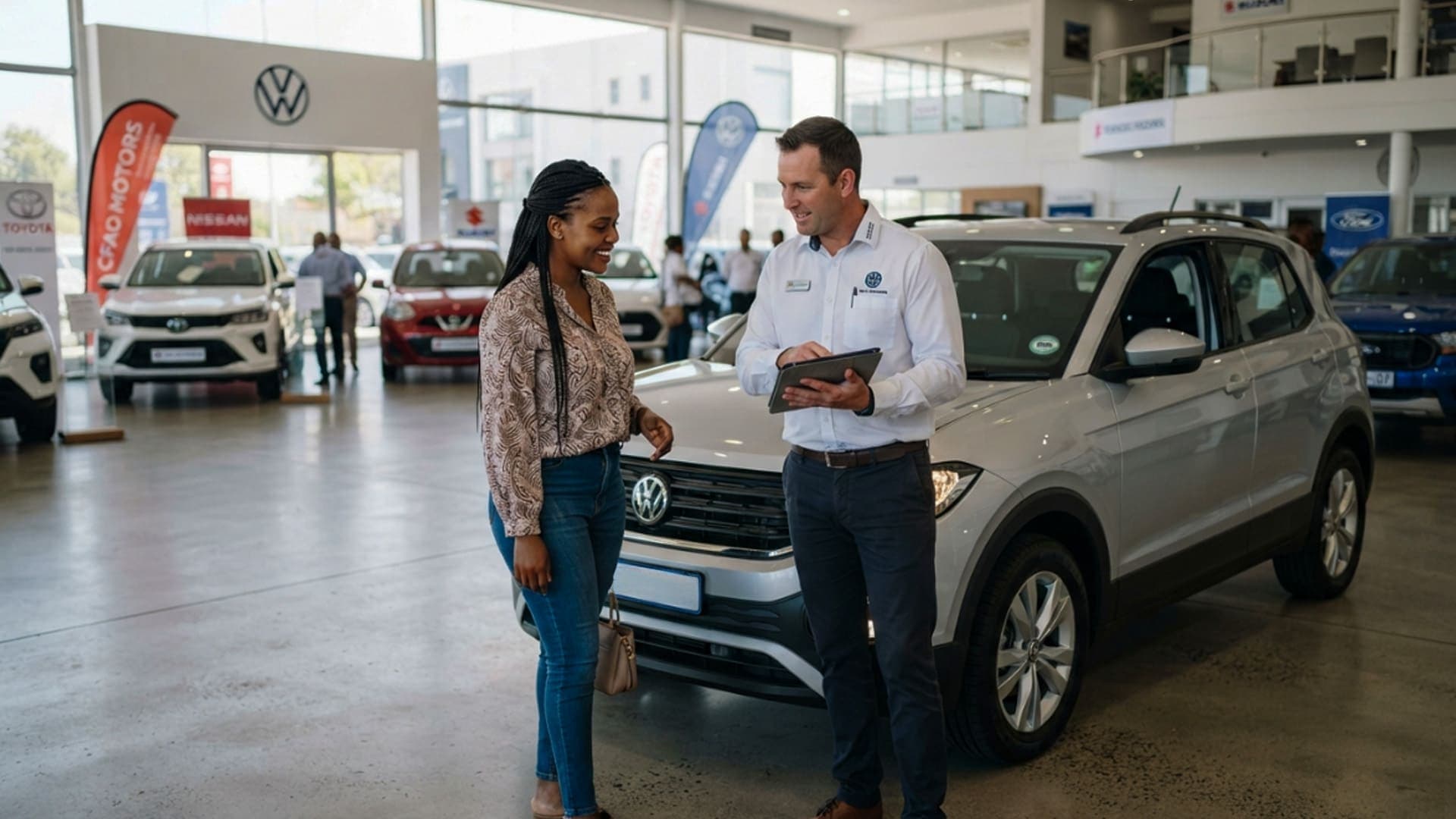
Automotive Advertising in 2026: Selling Confidence in a More Competitive Market
As South Africa’s vehicle market becomes more competitive, automotive advertising needs to do more than announce a price or specification. It needs to help buyers understand value, ownership costs and why a vehicle suits their lives.

Automotive Digital Ads in South Africa: A Shift
Exploring how South Africa’s automotive advertising evolved from print and broadcast to data-driven, programmatic digital ecosystems.

The Video Shift in Car Buying Decisions in SA
Explore how video content shapes car purchase decisions in South Africa, comparing short-form and long-form strategies for automotive marketers.