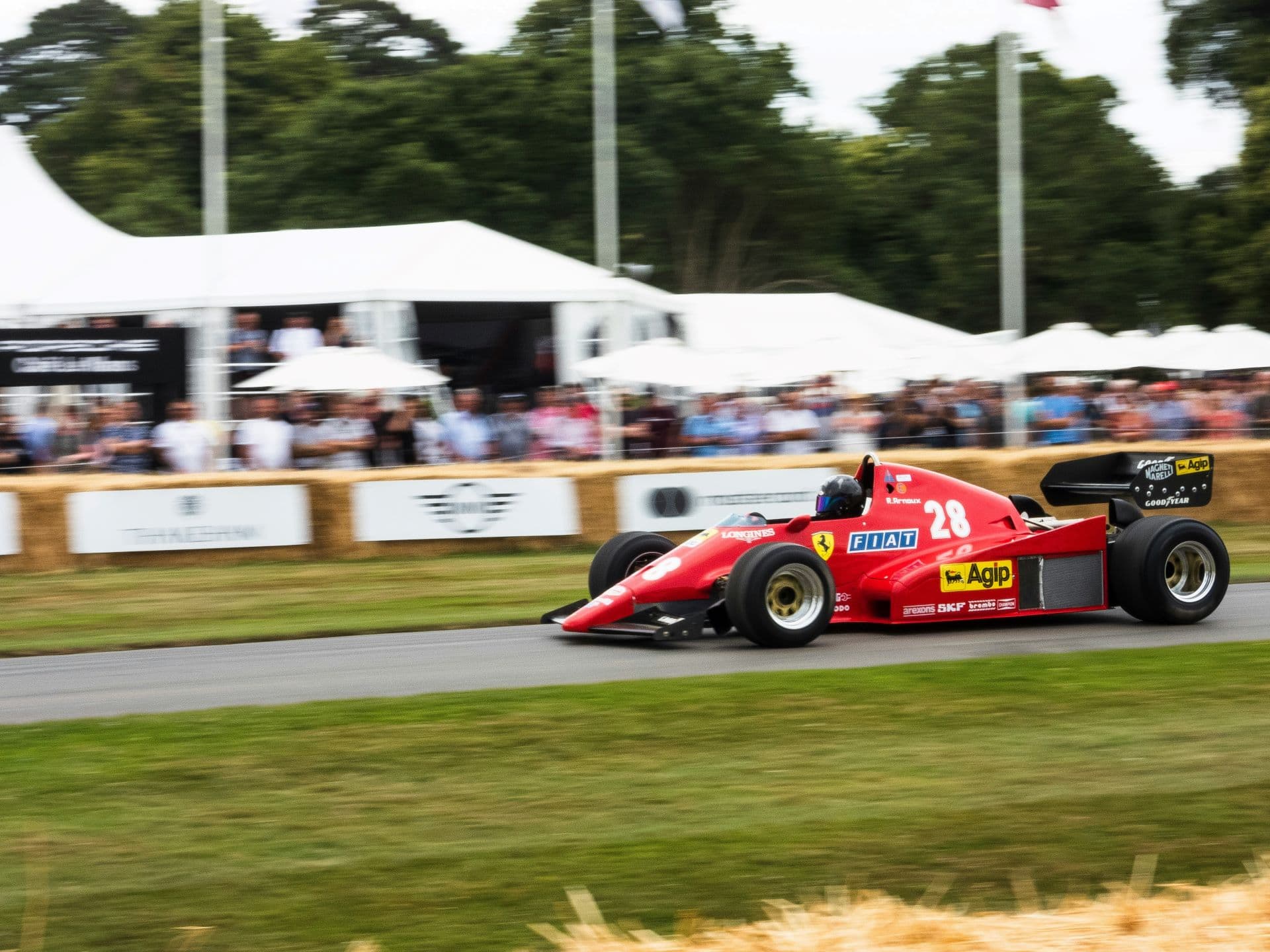
In an era where consumers are bombarded with advertisements at every turn, the automotive industry is breaking free from the confines of traditional billboards and TV commercials. Enter guerilla advertising: a bold, unconventional, and often surprising approach that leaves a lasting impression. With its roots in ingenuity and resourcefulness, guerilla advertising has become a playground for automakers to engage with their audience in dynamic and memorable ways. This article explores why this method is reshaping automotive marketing and captivating enthusiasts worldwide.
Understanding Guerilla Advertising
Guerilla advertising, derived from guerilla warfare tactics, focuses on surprise and creativity to capture attention. Unlike traditional methods, which rely on broad and repetitive messaging, guerilla marketing thrives on unexpected, localized, and experiential campaigns.
Key Characteristics:
Why It Works in Automotive Marketing
The automotive industry is inherently visual and experiential, making it an ideal canvas for guerilla tactics. From turning vehicles into mobile advertisements to creating immersive urban installations, brands can demonstrate their identity while engaging enthusiasts.
Historical Context and Evolution
Guerilla marketing first gained traction in the 1980s, coined by Jay Conrad Levinson in his book "Guerrilla Marketing." The approach aimed to empower small businesses to compete with larger corporations through unconventional methods. Over time, the automotive industry adopted these strategies, recognizing their potential to connect with an increasingly distracted audience.
Milestones in Automotive Guerilla Marketing:
Notable Guerilla Campaigns in the Automotive Industry
1. Mini CooperÔÇÖs Parking Billboards
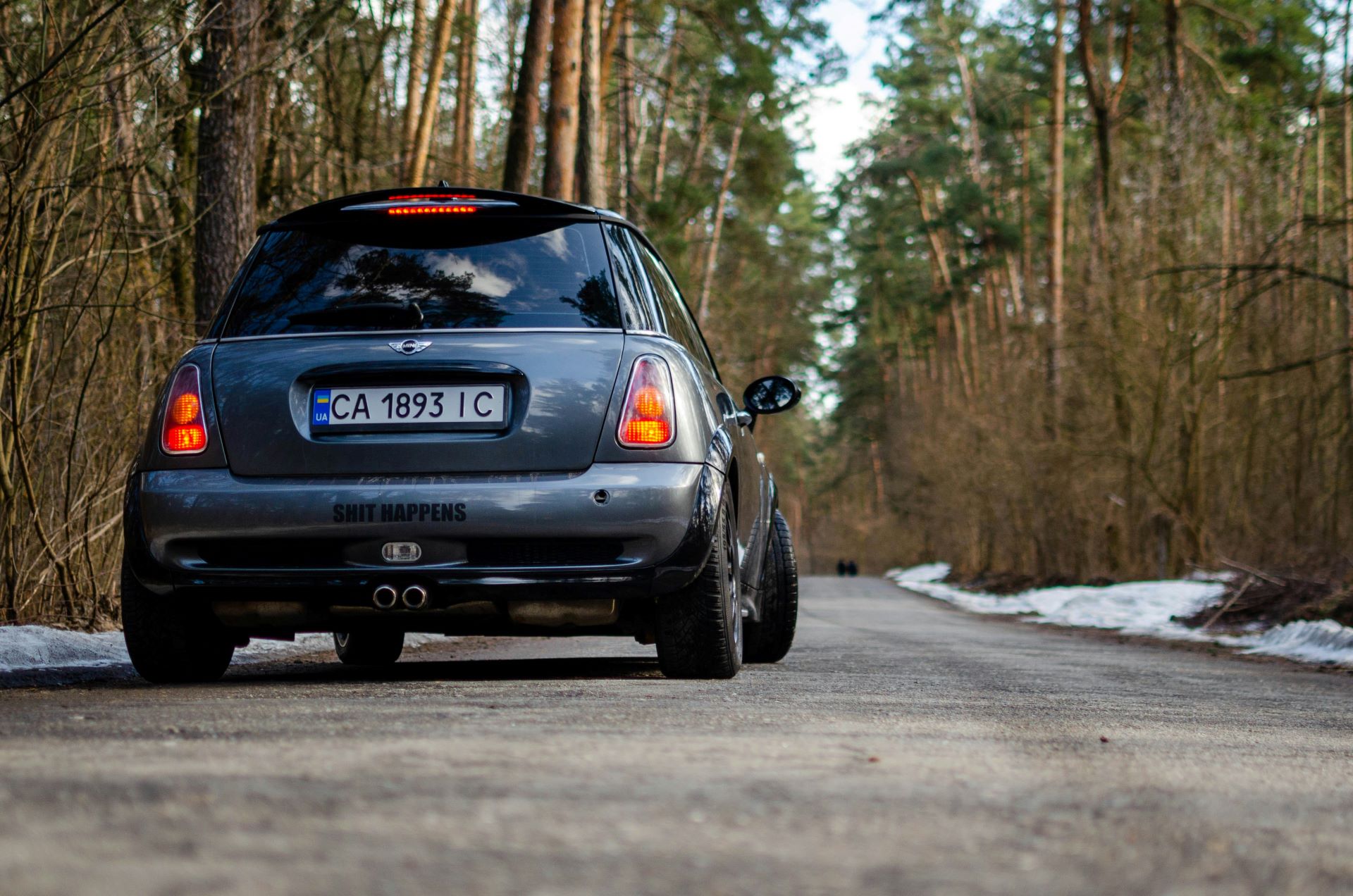
Mini Cooper turned parking spaces into eye-catching billboards by placing fake cars in unusual spots like walls and ceilings. The playful campaign highlighted the vehicleÔÇÖs compact size and urban agility, resonating with city dwellers.
2. BMWÔÇÖs Viral ValentineÔÇÖs Day Campaign
BMW cleverly placed a giant "break-up letter" addressed to Mercedes-Benz outside a dealership. The cheeky message, ÔÇ£I found a better partner,ÔÇØ sparked conversations online, reinforcing BMWÔÇÖs brand confidence.
3. ToyotaÔÇÖs AR Graffiti Walls
To promote the Toyota C-HR, the brand installed AR graffiti walls in urban areas. Passersby could create digital art that appeared on the walls via their smartphones, showcasing the C-HRÔÇÖs youthful and creative spirit.
The Mechanics of a Successful Campaign
Essential Elements:
Execution Tips:
Challenges and Risks
While guerilla advertising offers significant rewards, itÔÇÖs not without risks. Misinterpretation or controversy can backfire, damaging brand reputation. Ethical considerations, such as respecting public spaces and avoiding disruptive behavior, are paramount.
Notable Pitfalls:
The Future of Guerilla Advertising in Automotive
As technology advances, the potential for guerilla advertising grows exponentially.
Emerging Trends:
Vision for Tomorrow:
Imagine a holographic projection of a car model appearing on city streets at night or autonomous vehicles delivering branded surprises to consumers. The fusion of innovation and creativity will keep guerilla advertising at the forefront of automotive marketing.
Guerilla advertising has redefined how automakers communicate with their audience, proving that bold ideas can create lasting impressions. As the automotive industry evolves, so too will the methods used to engage and inspire enthusiasts. By embracing creativity and leveraging technology, guerilla marketing will continue to push boundaries and fuel the passion of car lovers worldwide.
Are you ready to witness the next revolution in automotive advertising? Keep an eye on the streets ÔÇô the future of marketing might just pull up beside you.
Breyten Odendaal
Specializing in high-performance automotive advertising and digital marketing solutions, delivering cutting-edge insights and the latest news shaping the automotive industry in South Africa.
More From Advertising

Automotive Advertising in 2026: Selling Confidence in a More Competitive Market
As South Africa’s vehicle market becomes more competitive, automotive advertising needs to do more than announce a price or specification. It needs to help buyers understand value, ownership costs and why a vehicle suits their lives.

Automotive Digital Ads in South Africa: A Shift
Exploring how South Africa’s automotive advertising evolved from print and broadcast to data-driven, programmatic digital ecosystems.

The Video Shift in Car Buying Decisions in SA
Explore how video content shapes car purchase decisions in South Africa, comparing short-form and long-form strategies for automotive marketers.