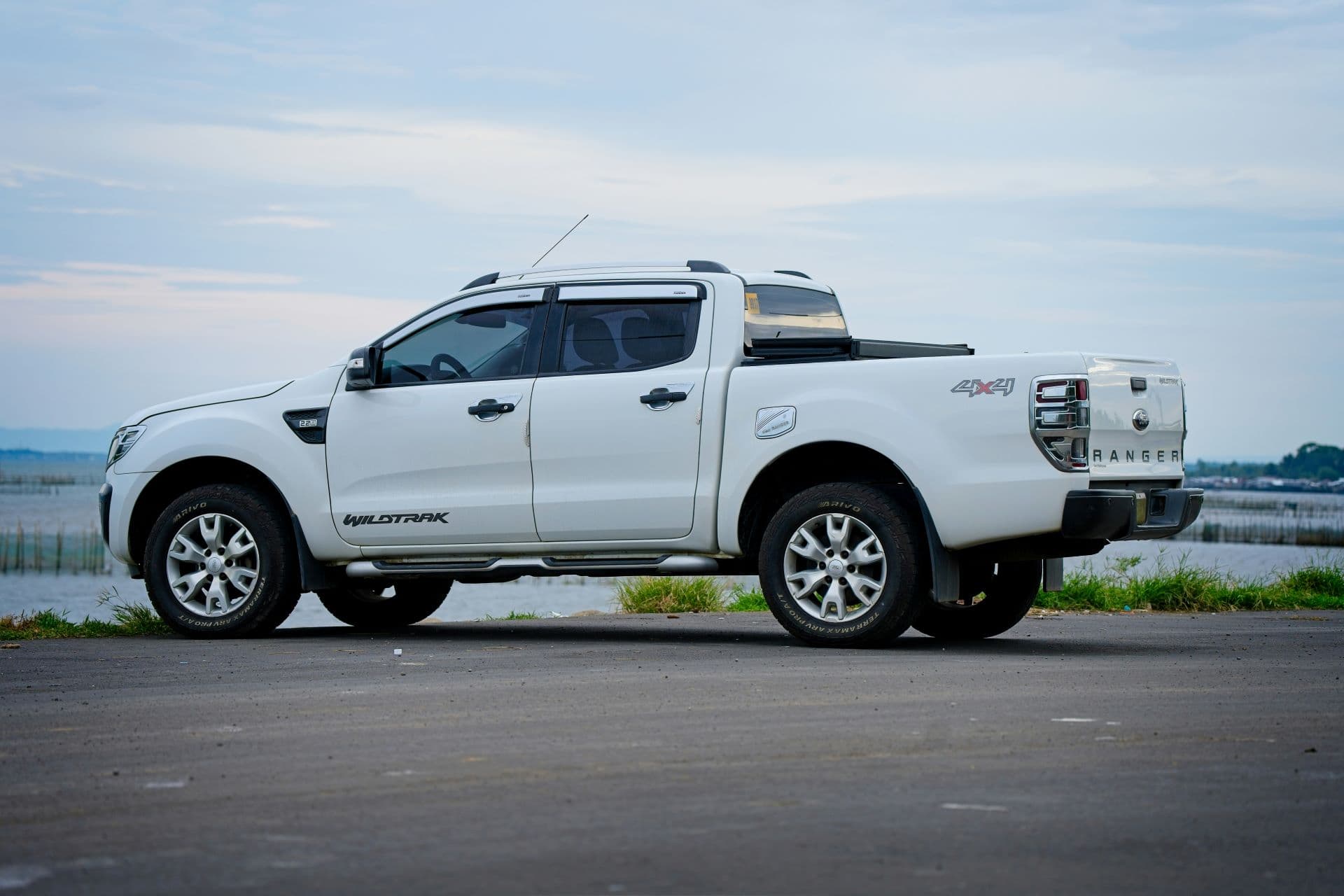
From Workhorse to Cultural Symbol
In South Africa, few vehicles carry the weight of cultural significance like the bakkie. More than a mode of transport, the bakkie is a symbol of identity, resilience, and lifestyle. Historically designed for utilityÔÇöhauling goods, navigating rough terrain, and serving the everyday needs of tradespeopleÔÇöthese vehicles have evolved into powerful conduits of emotional connection and brand loyalty.
For automotive marketers, this evolution presents both opportunity and responsibility. The bakkie market is fiercely competitive, yet loyalty is not won solely through technical performance or pricing. It is cultivated by understanding the vehicleÔÇÖs place in South African culture, acknowledging its symbolic resonance, and crafting narratives that resonate with pride, reliability, and lifestyle integration.
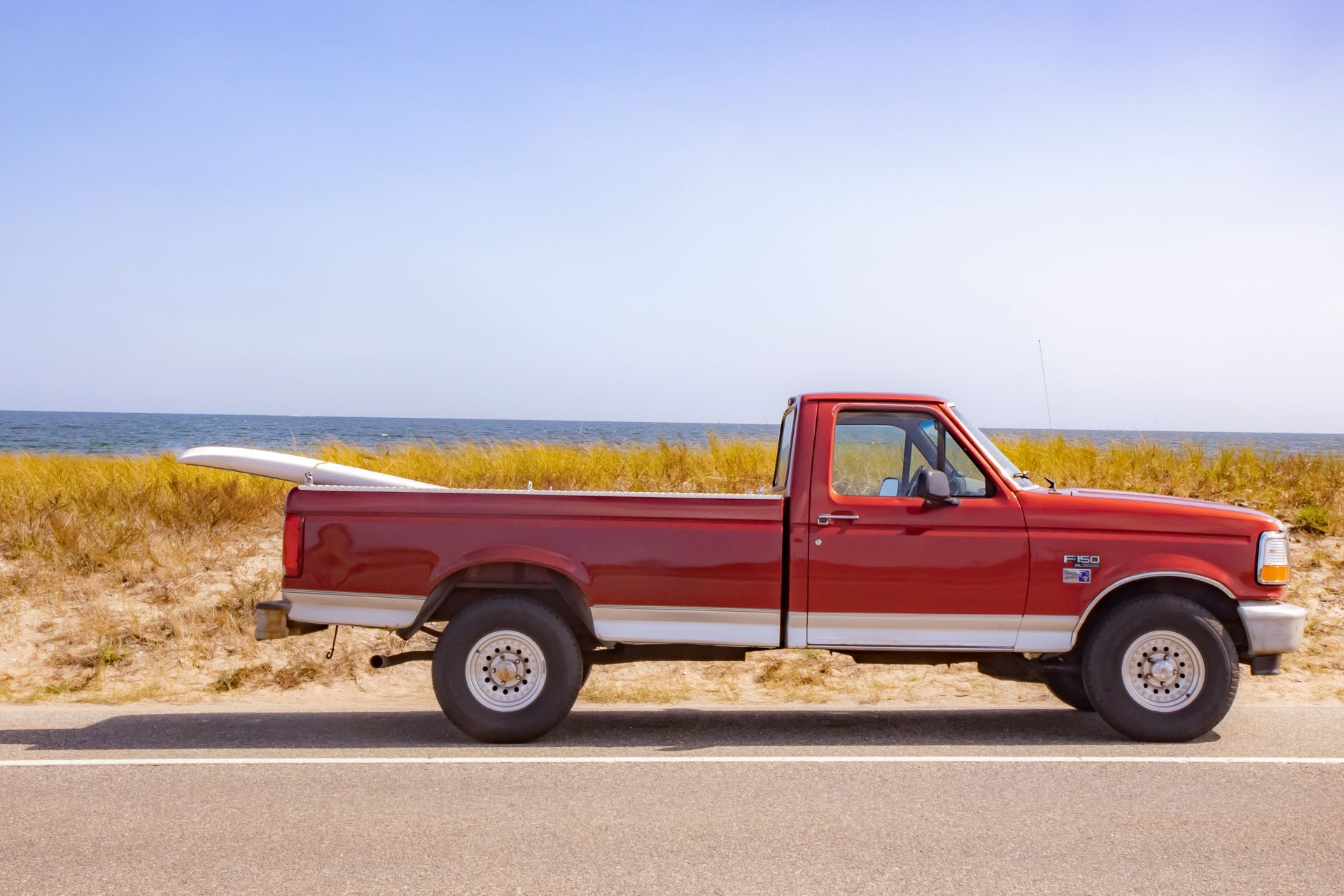
Historical Context: The BakkieÔÇÖs Evolution in South Africa
South AfricaÔÇÖs unique combination of geography, economy, and culture shaped the bakkieÔÇÖs rise as a national icon. Rugged rural landscapes, mining and agricultural industries, and the need for versatile vehicles created fertile ground for bakkies to thrive. Early models focused on functionalityÔÇöpayload capacity, durability, and ease of maintenance. Brands like Toyota, Ford, Isuzu, and Nissan emerged as leaders by consistently delivering on these fundamentals.
Over time, these vehicles became embedded in daily life. Tradespeople relied on them to sustain livelihoods, families used them to explore the country, and off-road enthusiasts embraced them as tools of adventure. The bakkieÔÇÖs dual identity as both workhorse and lifestyle enabler laid the foundation for its transformation into a cultural icon.
Today, South African consumers perceive bakkies as symbols of independence, strength, and communityÔÇöa perception that marketers must understand and strategically harness.
Emotional Branding: Creating Loyalty Beyond Utility
Technical specifications alone no longer dictate buying decisions. Consumers now seek emotional resonance and lifestyle alignment. For bakkies, brand loyalty is fueled by the narratives and experiences surrounding ownership.
Marketing campaigns that focus on emotional storytelling rather than product features see higher engagement. Highlighting weekend getaways, trade successes, or off-road adventures positions the bakkie as a partner in consumersÔÇÖ lives. This approach turns vehicles from tools into symbols of identity.
By fostering a sense of pride, reliability, and shared values, automotive marketers can cultivate enduring loyalty. Emotional branding also allows brands to command premium positioning, as consumers are willing to pay for vehicles that align with their lifestyle and cultural identity.
Advertising with Cultural Insight
In South Africa, bakkies are more than vehiclesÔÇöthey are cultural touchstones. Advertising campaigns that recognize this connection perform better because they reflect real-life experiences and shared values.
Consider the weekend braai, long road trips, and community gatherings. Campaigns capturing these moments present bakkies as central to social and family life, not just a means of transportation. Humor, nostalgia, and heritage are powerful tools in crafting these narratives.
Limited editions, partnerships with local personalities, and sponsorship of community events further reinforce cultural relevance. These marketing strategies deepen consumer connection by portraying the bakkie as an integral part of South African life rather than a transactional purchase.

Utility as a Marketing Advantage
A bakkieÔÇÖs practical attributesÔÇödurability, payload, towing capacity, and off-road performanceÔÇöremain critical selling points. Unlike luxury sedans or city-focused vehicles, bakkies straddle functionality and aspiration. Marketing that emphasizes this versatility resonates with practical-minded consumers.
Campaigns can highlight dual-purpose usage: a Hilux or Ranger is equally competent on a construction site and a family beach trip. By balancing emotional storytelling with functional superiority, brands can differentiate themselves in a competitive market, building credibility and long-term loyalty.
Building and Nurturing Brand Communities
Community engagement is central to bakkie loyalty. Owners often participate in forums, social media groups, and clubs where experiences, modifications, and advice are shared. Brands that support these communities through engagement programs, loyalty initiatives, and experiential events strengthen emotional attachment.
4x4 adventures, off-road challenges, and trade expos create opportunities for hands-on interaction with the brand. These experiences transform ownership from a transactional relationship into a lifestyle identity, fostering advocacy, repeat purchases, and word-of-mouth marketing.
Case Studies: How Brands Turn Utility into Loyalty
Toyota Hilux
The Hilux is South AfricaÔÇÖs benchmark for reliability. ToyotaÔÇÖs marketing emphasizes ruggedness, heritage, and versatility, creating an emotional connection beyond utility. Storytelling campaigns showcase families, adventurers, and tradespeople, reinforcing the Hilux as an integral part of South African life.
Ford Ranger
Ford positions the Ranger around strength and adaptability. Marketing campaigns highlight resilience in challenging conditions and lifestyle versatility, appealing to both tradespeople and adventure enthusiasts. Strategic partnerships with sporting and community events further solidify its cultural relevance.
Isuzu D-Max & Nissan Navara
These brands focus on practicality, durability, and value, appealing to budget-conscious consumers and commercial fleets. Case studies reveal that consistent messaging around reliability and utility nurtures long-term loyalty even in a competitive landscape.
Across all brands, the common thread is recognizing the bakkie as both a practical tool and a lifestyle symbol, creating a dual narrative that fosters deep consumer loyalty.
Technological Innovation and the Future of Bakkies
As consumer expectations evolve, so too must bakkie marketing. Hybrid and electric bakkies, smart connectivity, and enhanced safety features are reshaping perceptions. Marketing strategies must integrate these innovations without undermining the vehicleÔÇÖs cultural and emotional resonance.
Campaigns that merge technological advancement with heritage storytelling position brands as forward-thinking yet grounded in South African identity. Consumers respond positively to innovation that complements, rather than replaces, established cultural and emotional values.
Measuring Success: Metrics Beyond Sales
Success in bakkie marketing is not measured solely by units sold. Brand equity, community engagement, social media interaction, and customer retention are equally critical. Loyalty programs, experiential events, and owner communities create measurable touchpoints that reflect the depth of consumer connection.
Marketers must adopt a holistic view, tracking both quantitative and qualitative metrics to ensure campaigns resonate culturally and emotionally, translating into long-term brand allegiance.
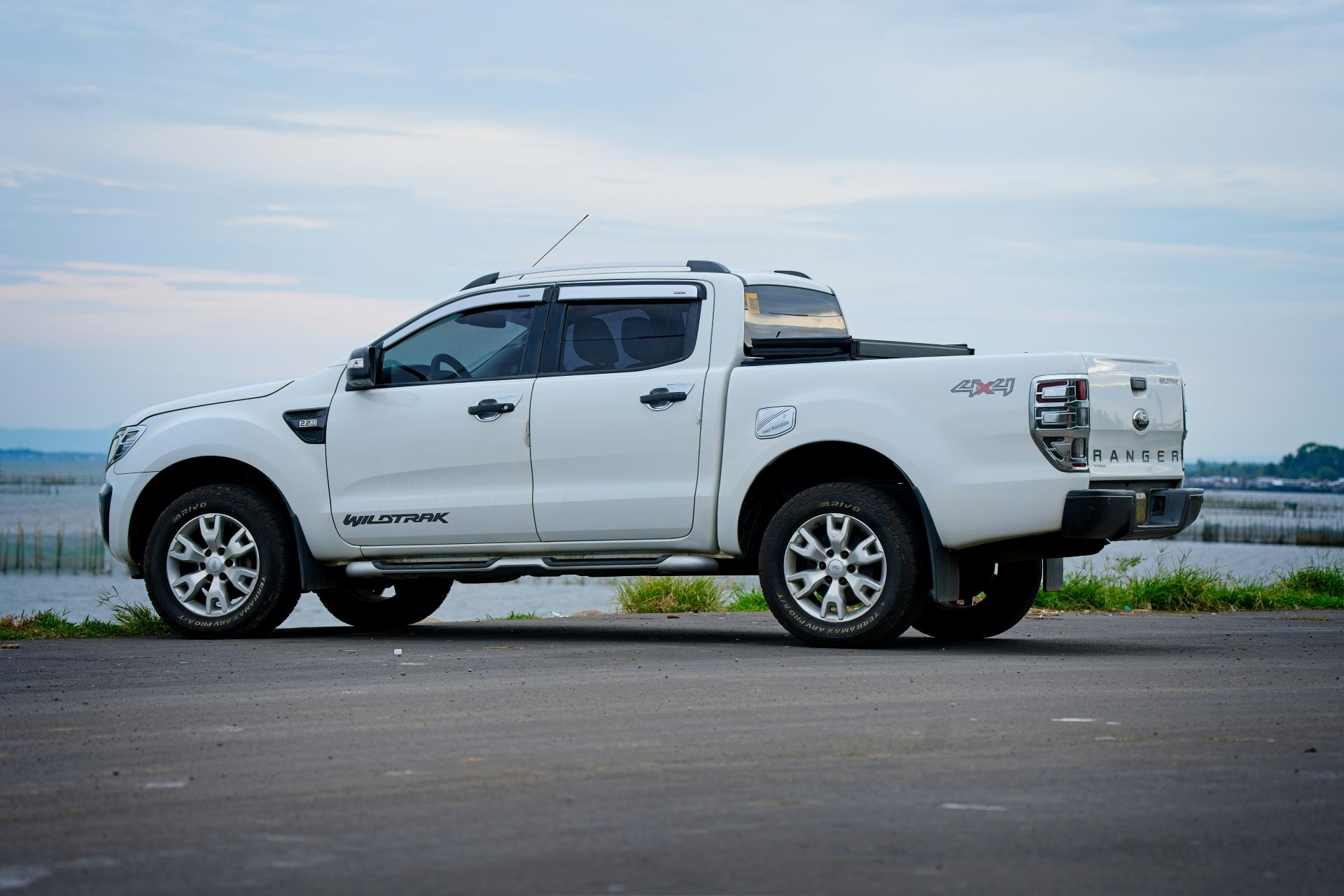
Utility as a Pathway to Enduring Loyalty
In South Africa, the bakkie has transcended its utilitarian origins to become a cultural icon. For automotive marketers, the lesson is clear: utility alone is not enough. By understanding the bakkieÔÇÖs symbolic role, leveraging emotional storytelling, and fostering community engagement, brands can cultivate loyalty that withstands market volatility and competitive pressures.
Bakkies demonstrate that a productÔÇÖs value is inseparable from the cultural, emotional, and social narratives that surround it. For marketers, the bakkie offers a blueprint for turning functional vehicles into icons that resonate across generations.
Breyten Odendaal
Specializing in high-performance automotive advertising and digital marketing solutions, delivering cutting-edge insights and the latest news shaping the automotive industry in South Africa.
More From Advertising

Automotive Advertising in 2026: Selling Confidence in a More Competitive Market
As South Africa’s vehicle market becomes more competitive, automotive advertising needs to do more than announce a price or specification. It needs to help buyers understand value, ownership costs and why a vehicle suits their lives.

Automotive Digital Ads in South Africa: A Shift
Exploring how South Africa’s automotive advertising evolved from print and broadcast to data-driven, programmatic digital ecosystems.

The Video Shift in Car Buying Decisions in SA
Explore how video content shapes car purchase decisions in South Africa, comparing short-form and long-form strategies for automotive marketers.