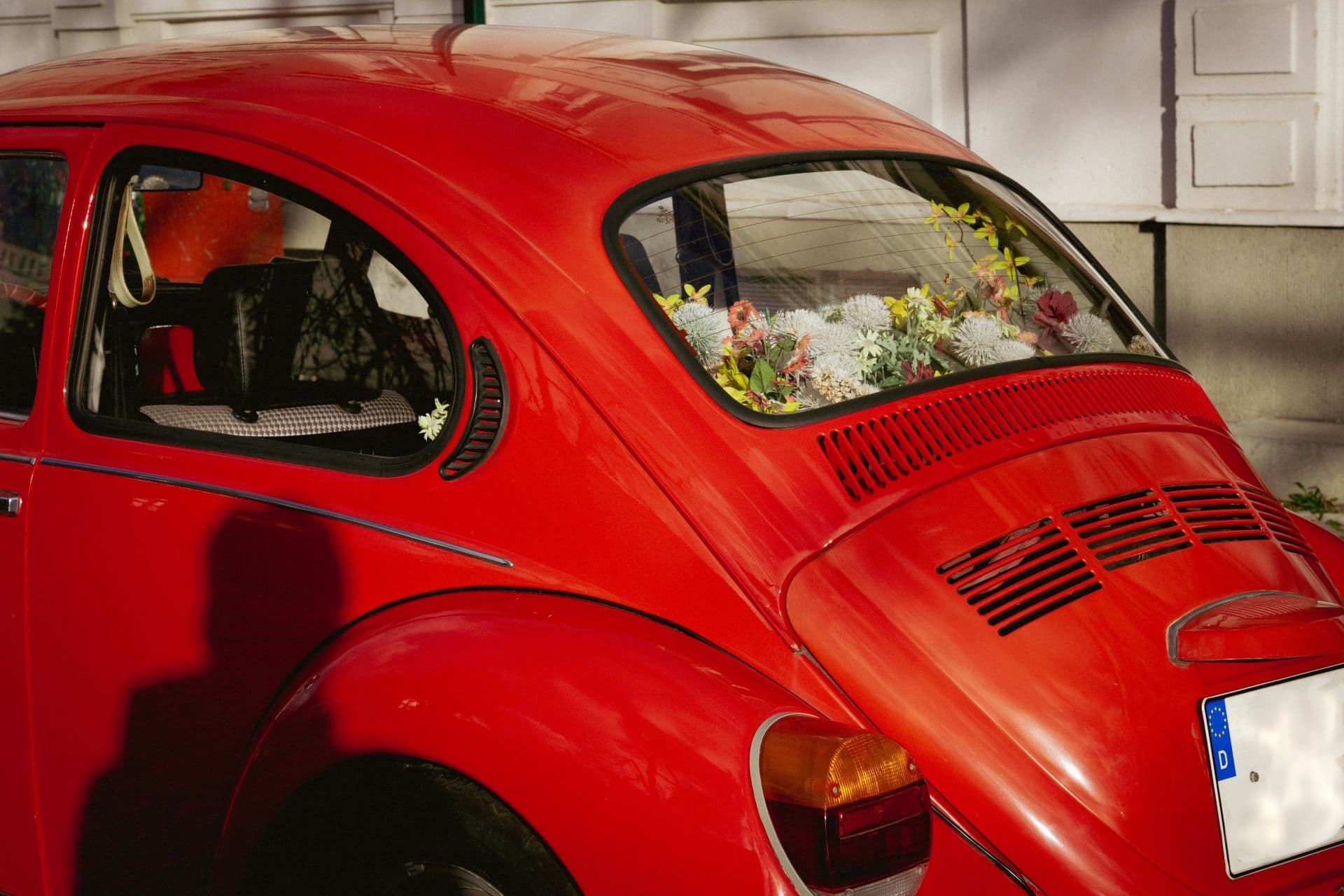
In the contemporary automotive market, consumers no longer buy cars solely for their horsepower, fuel efficiency, or safety ratings. Today, a vehicle is an extension of oneÔÇÖs identityÔÇöa statement of who we are, what we value, and how we aspire to live. The shift from specs-focused marketing to lifestyle-driven storytelling reflects a fundamental transformation in how automakers communicate value. It is a world where emotion, aspiration, and personal narrative often outweigh technical specifications in driving consumer decisions.
Automotive storytelling is no longer a mere adjunct to advertisingÔÇöit is central to brand positioning. From luxury sedans that embody status and sophistication, to electric vehicles that signal environmental consciousness and innovation, cars have become vessels of personal expression. Marketers now recognize that appealing to a consumerÔÇÖs lifestyle and identity can create emotional resonance that technical specs alone cannot achieve.
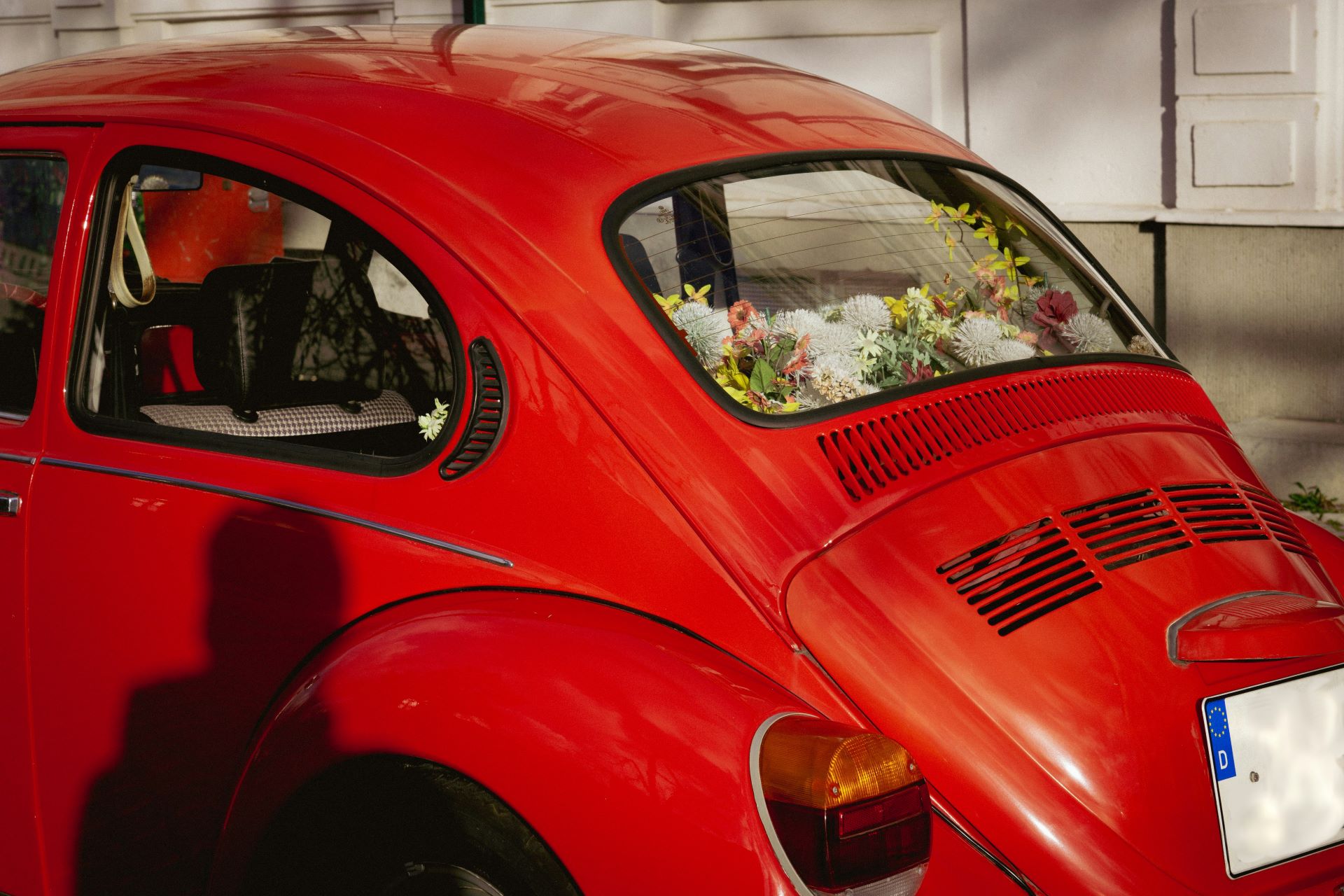
The Evolution of Automotive Marketing
Historically, automotive advertising emphasized what could be quantified: engine displacement, torque, braking distance, and fuel economy. Ads were technical manuals dressed up as print spreads or TV commercials. The narrative was simple: ÔÇ£Our car outperforms competitors.ÔÇØ While effective in a less crowded market, this approach has limits. Modern consumers are overwhelmed with similar performance claims, often finding it difficult to differentiate one model from another based purely on numbers.
As markets matured and consumer sophistication increased, automakers began experimenting with campaigns that blended emotion with product messaging. A shift occurred, from ÔÇ£what the car doesÔÇØ to ÔÇ£what the car says about you.ÔÇØ This evolution mirrors broader trends in marketing: the rise of experiential advertising, the personalization of brand experiences, and the integration of lifestyle narratives into product campaigns.
Campaigns like BMWÔÇÖs ÔÇ£The Ultimate Driving MachineÔÇØ evolved beyond a tagline about performance. Over the decades, it came to represent not just engineering excellence but a sophisticated, confident, and successful lifestyle. Mercedes-Benz, similarly, transitioned from promoting safety and performance to emphasizing elegance, achievement, and social status. The underlying principle is simple yet powerful: consumers buy the image of the life a car promises as much as the car itself.
The Psychology Behind Automotive Storytelling
Why does storytelling work so effectively in automotive marketing? The answer lies in human psychology. Cars are deeply personal productsÔÇöthey are not merely transportation; they occupy a space in our daily lives that intersects with identity, social perception, and aspiration. The decision to purchase a car often reflects a desire for status, a longing for freedom, or an alignment with personal values.
Research in marketing psychology reveals that emotional engagement is a stronger predictor of brand loyalty than cognitive evaluations of product features. Humans are narrative-driven beings; we understand our world through stories and are naturally drawn to brands that tell compelling, relevant narratives. In automotive marketing, this translates to campaigns that emphasize experiences, lifestyle alignment, and aspirational identity.
Key psychological drivers in automotive storytelling include:
By tapping into these psychological triggers, automakers can craft campaigns that resonate on a deeper, more personal level than technical specifications alone ever could.
Case Studies: Aspirational Automotive Campaigns
BMW: Driving Success and Sophistication
BMW has mastered the art of connecting vehicle ownership with aspiration. Their campaigns consistently portray drivers as confident, successful, and independent. A notable example is the ÔÇ£BMW StoriesÔÇØ initiative, which showcases real drivers whose lifestyles are intertwined with their vehicles. Rather than focusing solely on speed or handling, these campaigns explore the narrative of personal achievement and the emotional satisfaction of driving a BMW. The result is an image of the brand as a symbol of accomplishment, elegance, and refined taste.
Mercedes-Benz: Elegance Meets Identity
Mercedes-Benz has similarly leveraged lifestyle storytelling. Campaigns such as ÔÇ£Grow Up. But Never OldÔÇØ highlight elegance, sophistication, and the pursuit of a life well-lived. These advertisements are not about engine specificationsÔÇöthey are about how driving a Mercedes situates the owner in a narrative of refinement, success, and enduring style. By emphasizing identity over features, Mercedes connects emotionally with aspirational buyers, reinforcing loyalty and desirability.
Tesla: Innovation as Lifestyle
TeslaÔÇÖs marketing strategy provides a compelling contrast to traditional luxury brands. Tesla owners are often portrayed as forward-thinking, tech-savvy, and environmentally conscious. The campaigns do not just sell a carÔÇöthey sell a vision of the future. Tesla vehicles become symbols of innovation and sustainability, reflecting the values of consumers who wish to project a progressive identity. Elon MuskÔÇÖs presence in media amplifies this storytelling, blurring the line between product and visionary lifestyle.
Audi: Performance Meets Modernity
Audi blends performance, technology, and design into a cohesive lifestyle narrative. Campaigns often feature visually striking imagery and storylines emphasizing urban sophistication, adventure, and innovation. AudiÔÇÖs ÔÇ£Vorsprung Durch TechnikÔÇØ (Progress Through Technology) is more than a sloganÔÇöit is a promise that ownership signals intellectual curiosity, modernity, and engagement with cutting-edge technology. The messaging resonates deeply with a demographic that values status and technological leadership.
MINI and Range Rover: Community and Cultural Identity
Brands like MINI and Range Rover have cultivated communities and cultural identity as central to their marketing. MINI campaigns often celebrate individuality, creativity, and playful rebellion, while Range Rover emphasizes exploration, heritage, and rugged luxury. Both strategies showcase how vehicles can embody a lifestyle and attract buyers who see ownership as an extension of self-expression.
Digital-First Storytelling and Social Media
In todayÔÇÖs automotive landscape, digital channels have transformed storytelling possibilities. Social media platforms, influencer collaborations, and user-generated content allow brands to reach highly targeted audiences while maintaining authenticity. Automotive marketers can now craft multi-layered narratives that extend beyond traditional advertising, engaging consumers across experiences that blend online and offline touchpoints.
For example, influencer partnerships enable brands to showcase vehicles in aspirational lifestyles. Instagram and TikTok campaigns often depict luxury cars in exotic locales or integrated into the daily routines of successful, fashionable personalities. Beyond reach, these campaigns drive authenticity: potential buyers see real people enjoying real experiences, reinforcing the narrative that the brand supports a desired lifestyle.
Digital-first storytelling also allows for interactivity. Brands can leverage augmented reality, immersive videos, and online configurators to involve consumers in the narrative. A viewer can imagine themselves behind the wheel, visualizing how the car fits into their own life storyÔÇötransforming marketing from passive to participatory.
Customer-Led Narratives
Beyond celebrity and influencer-driven storytelling, featuring real customer stories has become a powerful strategy. Campaigns that highlight individual journeys, road trips, or personal milestones humanize the brand. They communicate that the vehicle is not just a commodityÔÇöit is a companion, an enabler of life experiences.
VolkswagenÔÇÖs ÔÇ£Drive BiggerÔÇØ campaign, for example, features ordinary people achieving extraordinary things with the help of their vehicles. These narratives foster authenticity, emotional connection, and community. Consumers are more likely to identify with peers than with idealized models, making these stories particularly effective in building trust and loyalty.
Customer-led narratives also bridge storytelling and social proof. When potential buyers see relatable owners living aspirational lifestyles, the desire to emulate those experiences strengthens their perception of the brand as a vehicle for self-expression.
The Metrics and Impact of Storytelling
Emotional and lifestyle-driven storytelling does more than just entertainÔÇöit drives measurable business outcomes. Studies show that emotionally connected consumers are more loyal, more likely to recommend the brand, and less sensitive to price. For automotive brands, this translates to higher retention rates, repeat purchases, and increased lifetime value.
Campaigns that integrate lifestyle and identity also help differentiate brands in crowded markets. When multiple vehicles offer comparable specifications, the story surrounding a carÔÇöits emotional resonance, social symbolism, and alignment with personal valuesÔÇöoften becomes the deciding factor in purchase decisions.
The Future of Automotive Storytelling
As the automotive landscape continues to evolve with electrification, autonomous driving, and digital innovation, the role of storytelling will only grow. Vehicles will increasingly serve as platforms for personal expression, with marketing that emphasizes experience, identity, and societal values over traditional specs.
Brands will need to integrate multi-sensory experiences, immersive content, and hyper-personalized narratives to stay relevant. Future campaigns may combine AI-driven personalization with real-time storytelling, adapting narratives to individual consumer lifestyles, social networks, and aspirations.
The challenge will be maintaining authenticity while scaling reach. Consumers are savvyÔÇöthey can detect contrived messaging. The brands that succeed will be those that seamlessly blend emotional resonance, lifestyle alignment, and product credibility.

Automotive marketing has moved far beyond specifications and performance charts. Modern campaigns position vehicles as extensions of identity, tools for personal expression, and markers of aspiration. By tapping into emotional storytelling, lifestyle alignment, and consumer psychology, automakers can create narratives that resonate deeply, fostering loyalty, differentiation, and long-term engagement.
From luxury sedans to electric vehicles, from SUVs to cult brands, the power of storytelling lies in its ability to transform a car from a commodity into a symbolÔÇöa reflection of the life we want to lead. In a market where features alone no longer suffice, the story is the ultimate differentiator.
Breyten Odendaal
Specializing in high-performance automotive advertising and digital marketing solutions, delivering cutting-edge insights and the latest news shaping the automotive industry in South Africa.
More From Advertising
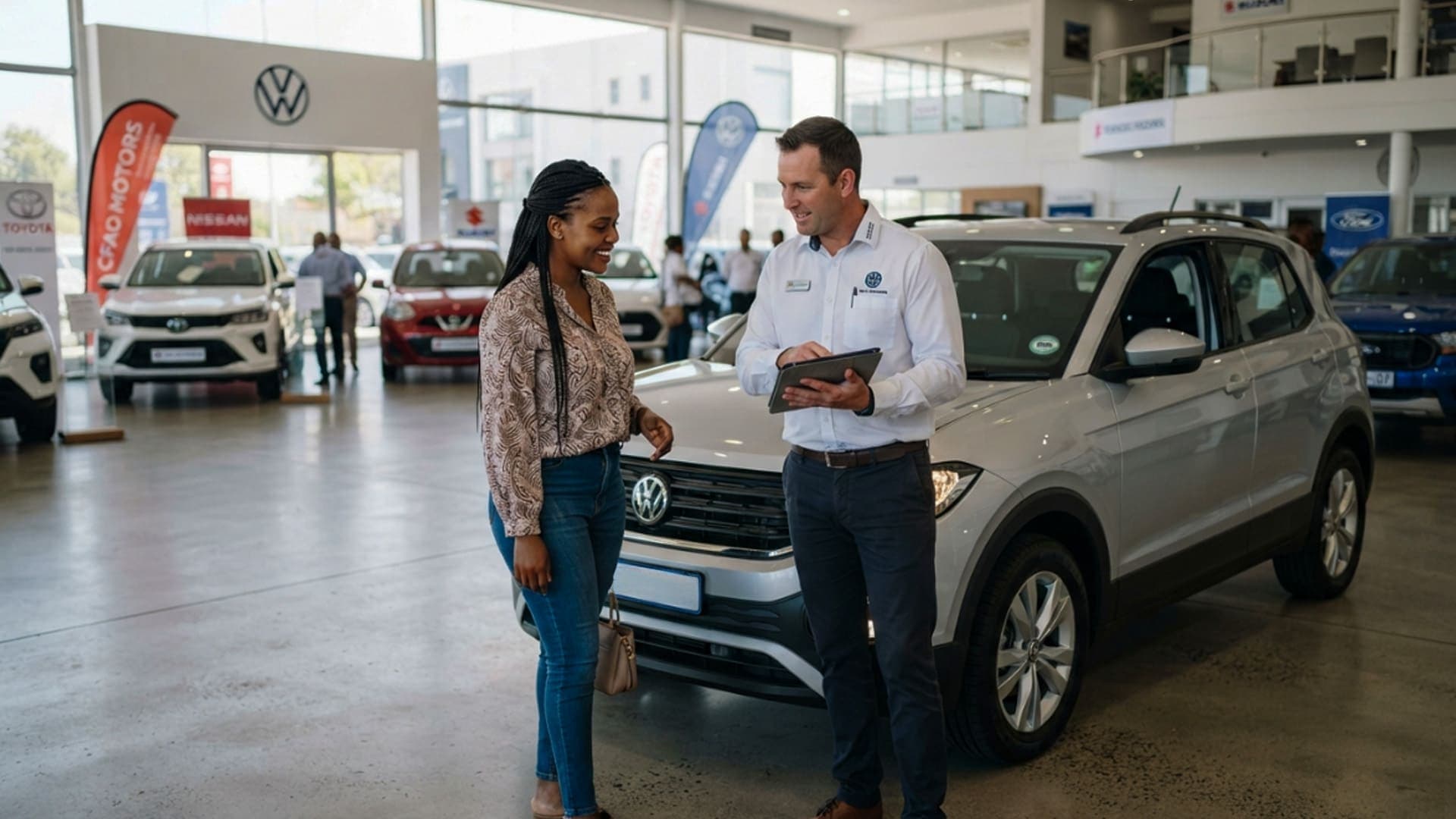
Automotive Advertising in 2026: Selling Confidence in a More Competitive Market
As South Africa’s vehicle market becomes more competitive, automotive advertising needs to do more than announce a price or specification. It needs to help buyers understand value, ownership costs and why a vehicle suits their lives.

Automotive Digital Ads in South Africa: A Shift
Exploring how South Africa’s automotive advertising evolved from print and broadcast to data-driven, programmatic digital ecosystems.

The Video Shift in Car Buying Decisions in SA
Explore how video content shapes car purchase decisions in South Africa, comparing short-form and long-form strategies for automotive marketers.