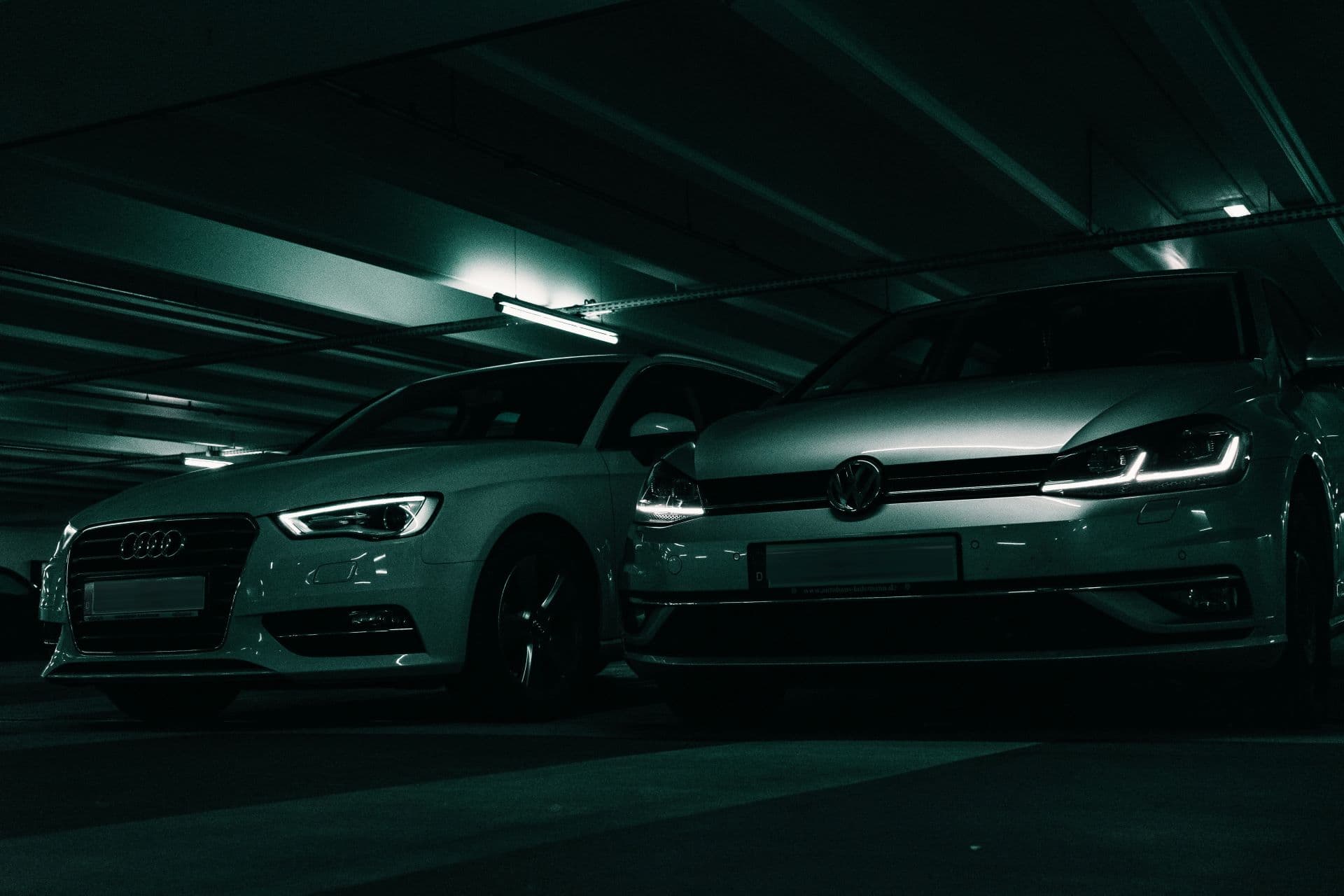
When the Screen Meets the Road
Cars have always been more than modes of transport. They are vessels of identity, style, and aspiration. Nowhere is this more evident than in the realms of film and music, where the right vehicle can embody a characterÔÇÖs essence, elevate a story, or become a cultural touchstone in its own right. From the sleek silhouettes of James BondÔÇÖs Aston Martins to the futuristic appeal of Tesla gliding through music videos, automobiles have consistently blurred the lines between entertainment and marketing. For decades, pop culture has been a silent salesman, reminding audiences that cars are not simply machines but symbols of power, romance, rebellion, and progress.
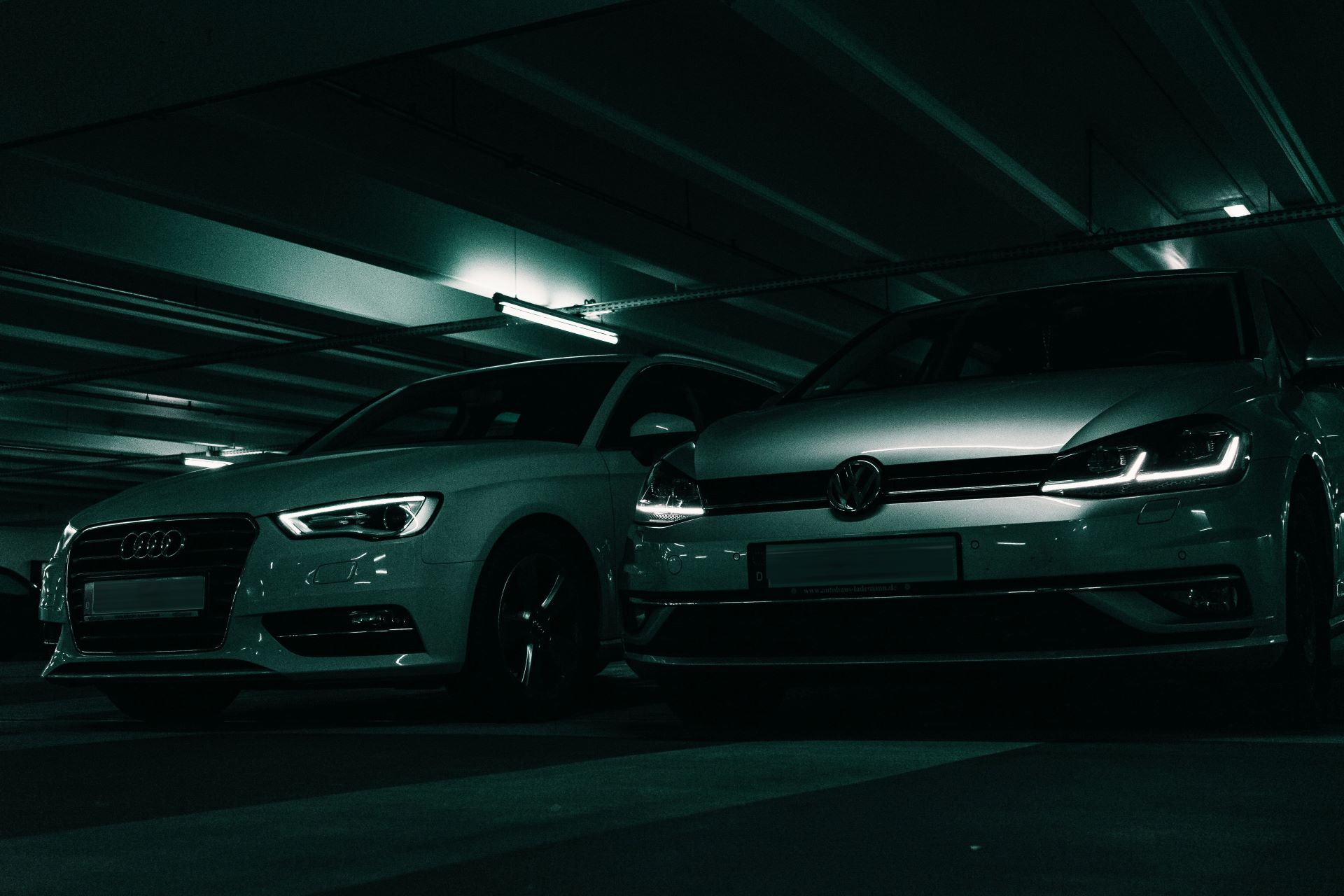
The Cinematic Stage: Cars as Characters
In cinema, cars are rarely just props. They often become central characters, carrying narratives on their wheels and embedding themselves in collective memory. James BondÔÇÖs association with Aston Martin is a case study in cinematic branding. The DB5, first appearing in Goldfinger in 1964, wasnÔÇÖt just an accessoryÔÇöit was a narrative device that complemented BondÔÇÖs sophistication, danger, and technological edge. Aston MartinÔÇÖs enduring bond with Bond is not only responsible for increased visibility but has cemented the marque as shorthand for British elegance and espionage cool.
Equally powerful is the franchise appeal of The Fast and the Furious, which transformed a niche subculture of street racing into a global box-office powerhouse. The films turned once-obscure models like the Toyota Supra Mk4 and Nissan Skyline GT-R into international icons, sparking demand and reviving interest in performance imports long after production ceased. In these cases, the car transcends utilityÔÇöit becomes aspirational, a totem of identity and belonging within the wider narrative.
Even beyond action films, vehicles have symbolised entire eras. The Volkswagen Beetle in Herbie: The Love Bug became synonymous with quirky charm, while the DeLorean in Back to the Future transformed an otherwise commercially unsuccessful vehicle into one of the most recognisable cultural artifacts of the 1980s. Films give cars a stage, and with it, immortality.
Soundtracks on Wheels: Cars in Music Culture
If cinema turns cars into characters, music transforms them into metaphors. Songs, music videos, and live performances often leverage automotive imagery to communicate status, freedom, or rebellion. Rock ÔÇÿnÔÇÖ roll of the 1950s and 1960s was infused with car culture, where the open road was a lyrical shorthand for independence. Chuck BerryÔÇÖs ÔÇ£MaybelleneÔÇØ didnÔÇÖt just describe a chaseÔÇöit reflected AmericaÔÇÖs postwar fascination with speed and modernity.
Fast-forward to the hip-hop era, and the automobile became a rolling stage for success. Cadillac Escalades, Lamborghinis, and Maybachs appeared as fixtures of aspiration, their appearances in music videos reinforcing their status as cultural currency. The car wasnÔÇÖt simply transportationÔÇöit was wealth on display, a moving canvas of personal triumph.
More recently, Tesla has emerged as a fixture in pop music, its electric minimalism symbolising innovation, exclusivity, and sustainability wrapped in luxury. Artists weave Teslas into lyrics and videos not merely as vehicles but as markers of belonging to a technologically forward, environmentally conscious elite. Just as Detroit muscle cars once defined American rebellion, Silicon ValleyÔÇÖs automotive child now defines cultural progress.
The Power of Product Placement
The deliberate placement of vehicles in movies and music videos underscores the symbiotic relationship between entertainment and commerce. When Transformers reimagined Bumblebee as a Chevrolet Camaro rather than the original Volkswagen Beetle, it was not only a creative decision but also a calculated marketing move. ChevroletÔÇÖs association with a beloved franchise reignited interest in the Camaro, driving sales while modernising the carÔÇÖs appeal.
This strategy isnÔÇÖt confined to Hollywood blockbusters. In the music world, partnerships between automakers and artists are increasingly formalised. Luxury brands like Mercedes-Benz, Rolls-Royce, and Bentley often serve as silent collaborators in videos, allowing their vehicles to feature prominently without overt advertising. The impact is subtle but profound: the vehicle becomes aspirational by association, wrapped in the glamour and lifestyle of the artist.
Cars as Cultural Symbols
What makes these appearances so effective is that cars carry meanings beyond their mechanical nature. They become shorthand for values, identities, and even political statements. The Mini CooperÔÇÖs role in The Italian Job turned a compact British car into a symbol of cleverness and charm, reflecting national pride at a time when the UK sought to project cultural cool.
Conversely, the 1977 Pontiac Trans Am in Smokey and the Bandit epitomised rebellious Americana, a countercultural emblem in a decade of shifting values. Even today, that model carries the residue of its cinematic role, decades after production ended.
Cultural associations also extend to global markets. Bollywood films often feature vehicles as status symbols, with premium brands integrated to showcase wealth or romance. Similarly, K-pop music videos increasingly highlight futuristic electric vehicles, aligning South KoreaÔÇÖs cultural exports with technological ambition. Cars in these contexts become more than machinesÔÇöthey embody national narratives, generational aspirations, and cultural zeitgeists.
The Evolution of Influence: From Muscle Cars to EVs
As society evolves, so too do the automotive icons it celebrates. Where the mid-20th century associated cars with horsepower and chrome, the 21st century finds cultural cachet in efficiency, connectivity, and sustainability. TeslaÔÇÖs omnipresence in pop culture reflects not just clever placement but a shift in cultural desireÔÇöfrom roaring engines to silent acceleration, from petrol fumes to clean energy.
Meanwhile, brands like BMW and Mercedes are increasingly integrating their electric vehicles into cinematic universes and music videos, hoping to reposition themselves not merely as heritage marques but as vanguards of a new mobility age. Just as James Bond once legitimised Aston Martin, todayÔÇÖs blockbusters and chart-topping singles might do the same for electric SUVs and futuristic sedans.
The Reciprocal Nature of Fame
ItÔÇÖs important to recognise that the relationship between pop culture and cars is reciprocal. While film and music elevate automobiles into icons, cars often help define the characters or artists themselves. Would James Bond be as timeless without the DB5? Would The Fast and the Furious franchise exist without its roster of tuner legends? Would hip-hopÔÇÖs visual language carry the same impact without fleets of high-performance vehicles?
Cars amplify the identity of those who drive them on screen and stage, while simultaneously gaining cultural immortality through association. ItÔÇÖs a mutually reinforcing cycle of desire, identity, and commerce.

Still Selling Dreams
Despite the radical shifts in media consumption and marketing channels, the presence of cars in movies and music remains one of the most effective forms of cultural branding. These vehicles transcend their mechanical origins, embodying aspiration, rebellion, sophistication, or progress depending on the narrative. From BondÔÇÖs timeless Aston Martins to TeslaÔÇÖs sleek cameos in pop videos, the marriage of automobiles and entertainment continues to sell more than carsÔÇöit sells dreams.
In the end, we donÔÇÖt merely remember the films, songs, or videos. We remember the machines that moved through them, carving their silhouettes into the fabric of popular culture. And as long as audiences crave stories of identity, ambition, and transformation, cars will continue to roll across our screens and into our imaginationsÔÇöstill selling not just transport, but desire itself.
Breyten Odendaal
Specializing in high-performance automotive advertising and digital marketing solutions, delivering cutting-edge insights and the latest news shaping the automotive industry in South Africa.
More From Advertising

Automotive Advertising in 2026: Selling Confidence in a More Competitive Market
As South Africa’s vehicle market becomes more competitive, automotive advertising needs to do more than announce a price or specification. It needs to help buyers understand value, ownership costs and why a vehicle suits their lives.

Automotive Digital Ads in South Africa: A Shift
Exploring how South Africa’s automotive advertising evolved from print and broadcast to data-driven, programmatic digital ecosystems.

The Video Shift in Car Buying Decisions in SA
Explore how video content shapes car purchase decisions in South Africa, comparing short-form and long-form strategies for automotive marketers.