
The automotive industry has long been a champion of captivating advertising, from awe-inspiring TV commercials featuring sleek new models to magazine spreads that showcase the latest innovations. However, as technology has advanced, so too has the way brands engage with their audiences. Today, automotive advertising is not just about showcasing a product; it's about creating a multi-sensory experience that actively involves the consumer.
Interactive and immersive campaigns have become a cornerstone of modern automotive marketing. Brands are no longer relying solely on traditional forms of advertising; theyÔÇÖre embracing cutting-edge technologies that allow customers to step into the world of their vehicles before ever stepping into a showroom. With advancements like virtual reality (VR), augmented reality (AR), and interactive configurators, consumers can explore, engage, and even personalize their vehicles in unprecedented ways.
This article explores how automotive brands are harnessing these immersive techniques to engage their audiences in new, innovative ways. We will look at the evolution of automotive advertising, the role of interactive experiences, the technological innovations driving change, and how these campaigns are reshaping the industry. Most importantly, weÔÇÖll explore how these immersive experiences are influencing the target audienceÔÇöautomotive enthusiastsÔÇöand revolutionizing the way they interact with brands.
Historical Context
For decades, the automotive industry relied on traditional advertising methods, such as print media, TV commercials, and billboards, to introduce consumers to the latest models. These campaigns often relied on flashy visuals, catchy jingles, and celebrity endorsements to capture attention. However, as digital technology evolved, so did the advertising landscape.
The shift from print and TV ads to digital platforms began in the early 2000s, as online content and social media emerged as the dominant forces in communication. Automotive brands quickly recognized the need to adapt, creating websites, social media profiles, and digital ads to reach a wider, more engaged audience. However, even with these innovations, traditional advertising still largely remained a one-way street: brands delivered a message, and consumers received it.
The emergence of interactive advertising in the 2010s marked a dramatic shift. Brands began using technologies like AR, VR, and 3D configurators to allow consumers to actively engage with their content. No longer passive recipients of advertising, consumers could now participate in the experienceÔÇöexploring vehicles virtually, customizing features, and even participating in games and challenges. This transition represents the automotive industry's recognition of the growing demand for more personalized, engaging, and interactive content.
Definition and Importance of Interactive Advertising
Interactive advertising refers to campaigns that encourage active participation from the consumer, often through digital means. In the automotive industry, this can take many forms: from customizing a carÔÇÖs features via an online configurator to using VR to test-drive a vehicle from the comfort of home. The key element of interactive advertising is its ability to engage consumers in a way that traditional ads cannot.
For automotive enthusiasts, these experiences are particularly compelling. Enthusiasts are often highly knowledgeable about vehicles and seek out deep, engaging content that allows them to explore every facet of a car's design, technology, and performance. Interactive advertising taps into this passion by allowing them to test, tweak, and personalize vehicles to their heart's content.
The importance of interactive advertising lies in its ability to create stronger brand recall, enhance engagement, and foster a deeper emotional connection between the consumer and the brand. By offering immersive experiences that go beyond passive consumption, brands can increase customer loyalty, drive conversions, and generate buzz.
Technological Innovations
Several technologies have paved the way for immersive automotive advertising, each adding layers of depth and interactivity to campaigns. Let's explore some of the most significant technological innovations driving these changes:
Augmented Reality (AR)
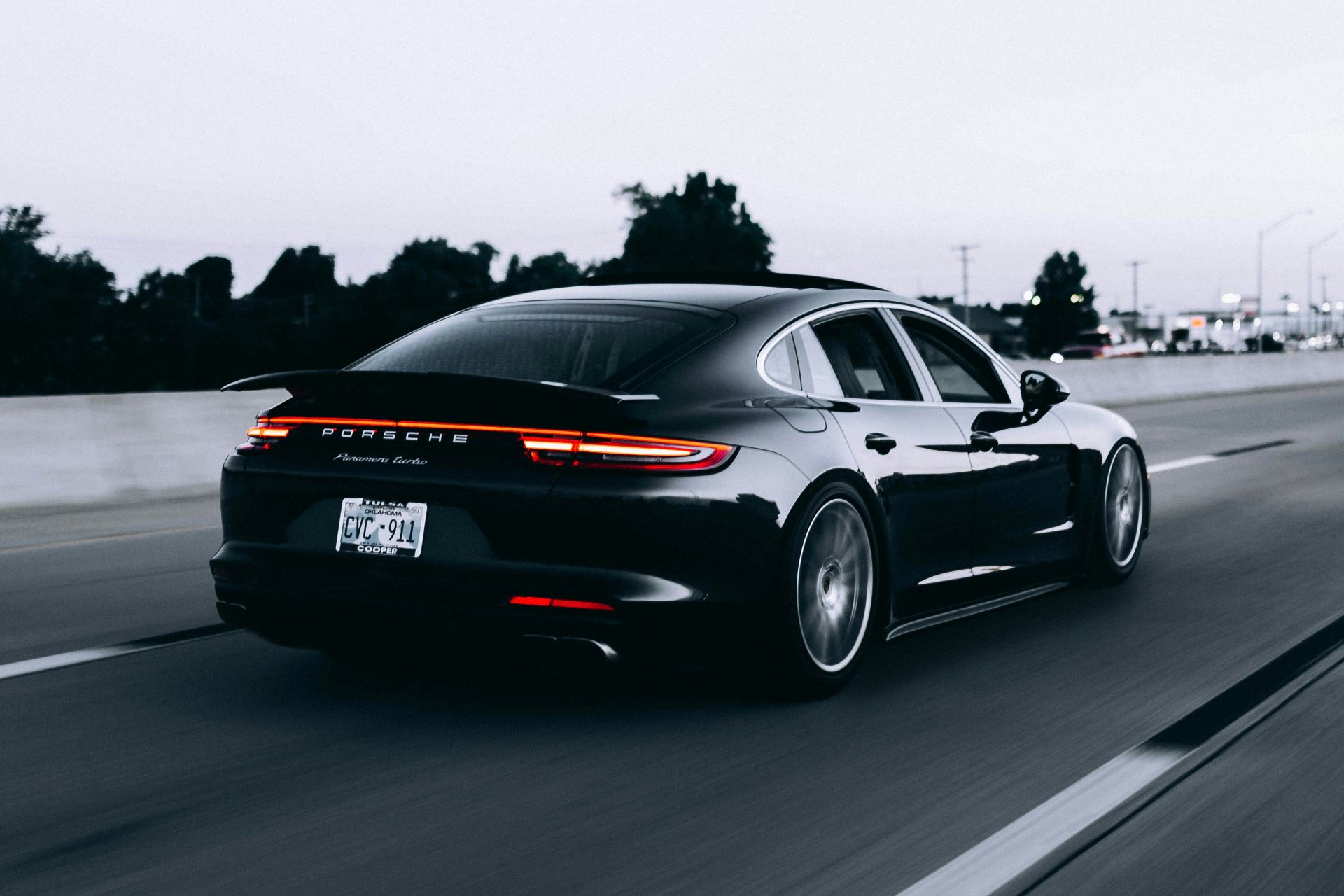
AR technology overlays digital content onto the real world, allowing users to interact with virtual objects in their environment. Automotive brands are leveraging AR in a variety of ways. For example, Porsche used AR in its "Porsche AR Visualizer" app, allowing customers to place a virtual Porsche car in their driveway and explore its features in real time. This level of interactivity gives users a personalized, hands-on experience that static images or videos simply cannot offer.
Virtual Reality (VR)
VR allows consumers to immerse themselves in a fully digital environment. Through VR headsets, automotive brands can create virtual showrooms where potential buyers can take a car for a simulated test drive, explore its interior, and experience its performance without leaving their homes. AudiÔÇÖs "Virtual Showroom" allows customers to engage with a vehicle in a fully immersive environment, making it easier for them to explore all the carÔÇÖs features in a way thatÔÇÖs more engaging than simply viewing a promotional video.
3D Configurators
A 3D configurator is a powerful tool that allows users to customize vehicles in real time. By interacting with an online 3D model, consumers can change the car's color, wheels, interior features, and even technical specifications to create a personalized version of the car. This is particularly effective for automotive enthusiasts who value the ability to explore every detail of their dream car. Mercedes-Benz's "Mercedes-Benz Car Configurator" is an excellent example, offering users an intuitive, interactive way to design their own car and visualize the results in high detail.
Mobile Apps and Virtual Showrooms
Mobile apps have become integral to interactive automotive advertising. Brands are using apps to offer customers real-time experiences, such as virtual test drives, 360-degree car views, and even remote customization options. With these tools, consumers can interact with their potential purchase anywhere, at any time. Brands like Tesla have taken it a step further by integrating virtual showrooms into their apps, providing a seamless, immersive journey from initial interest to final purchase.

Case Studies
To understand how these technologies are being put to use, letÔÇÖs explore a few case studies from the automotive world:
1. AudiÔÇÖs "Audi VR Experience"
AudiÔÇÖs VR Experience is one of the most prominent examples of immersive advertising in the automotive industry. Using VR headsets, customers can experience a simulated test drive, exploring different environments while interacting with various features of the car. This campaign was highly successful in creating a unique, engaging experience that not only attracted potential buyers but also garnered extensive media coverage.
2. BMWÔÇÖs "The Ultimate Test Drive"
BMW introduced an interactive campaign called "The Ultimate Test Drive," where consumers could experience a virtual test drive using a VR headset. This experience allowed users to feel as though they were driving a BMW on a winding mountain road, complete with sound effects, movement, and immersive visuals. By offering a virtual test drive, BMW was able to engage potential buyers in a way that transcended traditional advertising.
3. FordÔÇÖs "FordPass" App
Ford took a more practical approach to interactive advertising with its FordPass app, which provides users with features like remote vehicle control, scheduling maintenance, and even navigating the nearest Ford dealership. The app also includes augmented reality features, such as finding a parking space using live mapping data. This combination of functionality and immersive experiences has made the FordPass app a central part of FordÔÇÖs advertising strategy, enhancing the brandÔÇÖs relationship with its customers.
Impact on the Audience
Interactive campaigns have a profound impact on automotive enthusiasts. The ability to personalize a car, experience a test drive virtually, or engage with a brand in an immersive environment strengthens the emotional connection between the consumer and the brand. For automotive enthusiasts, these experiences satisfy a deep desire for knowledge and involvement in the car-buying process.
The interactive nature of these campaigns also leads to higher engagement rates. Consumers are spending more time with brands, exploring virtual showrooms, engaging with configurators, and sharing their experiences on social media. As a result, brands are seeing higher conversion rates, with customers who engage in interactive experiences more likely to make a purchase.
However, there are challenges. Not every consumer has access to the technology required to fully participate in immersive campaigns, and some may find the experiences overwhelming or confusing. Brands must address these challenges by ensuring their interactive tools are user-friendly and accessible to a broad audience.
Future Trends
As technology continues to evolve, so too will the world of interactive automotive advertising. The rise of 5G networks promises to further enhance AR and VR experiences, allowing for smoother, faster interactions. We may also see the integration of artificial intelligence (AI) in advertising, enabling more personalized experiences based on user data and preferences.
The future of automotive advertising will likely see even greater integration of virtual showrooms and test drives, with consumers able to experience cars in full 360-degree detail from their own homes. Additionally, expect to see more use of AI-driven chatbots and virtual assistants, providing customers with real-time, personalized advice and answers to their questions.

Interactive advertising has changed the way automotive brands connect with their customers. By offering immersive, engaging experiences, brands are creating deeper emotional connections with consumers, while also providing the tools necessary for making informed purchase decisions. As technology continues to advance, the future of automotive advertising is brightÔÇöfull of limitless possibilities for innovative, immersive campaigns that will continue to captivate automotive enthusiasts worldwide.
As these technologies evolve, one thing is clear: interactive advertising is not just a trendÔÇöitÔÇÖs the future of automotive marketing.
Breyten Odendaal
Specializing in high-performance automotive advertising and digital marketing solutions, delivering cutting-edge insights and the latest news shaping the automotive industry in South Africa.
More From Advertising

Automotive Advertising in 2026: Selling Confidence in a More Competitive Market
As South Africa’s vehicle market becomes more competitive, automotive advertising needs to do more than announce a price or specification. It needs to help buyers understand value, ownership costs and why a vehicle suits their lives.

Automotive Digital Ads in South Africa: A Shift
Exploring how South Africa’s automotive advertising evolved from print and broadcast to data-driven, programmatic digital ecosystems.

The Video Shift in Car Buying Decisions in SA
Explore how video content shapes car purchase decisions in South Africa, comparing short-form and long-form strategies for automotive marketers.