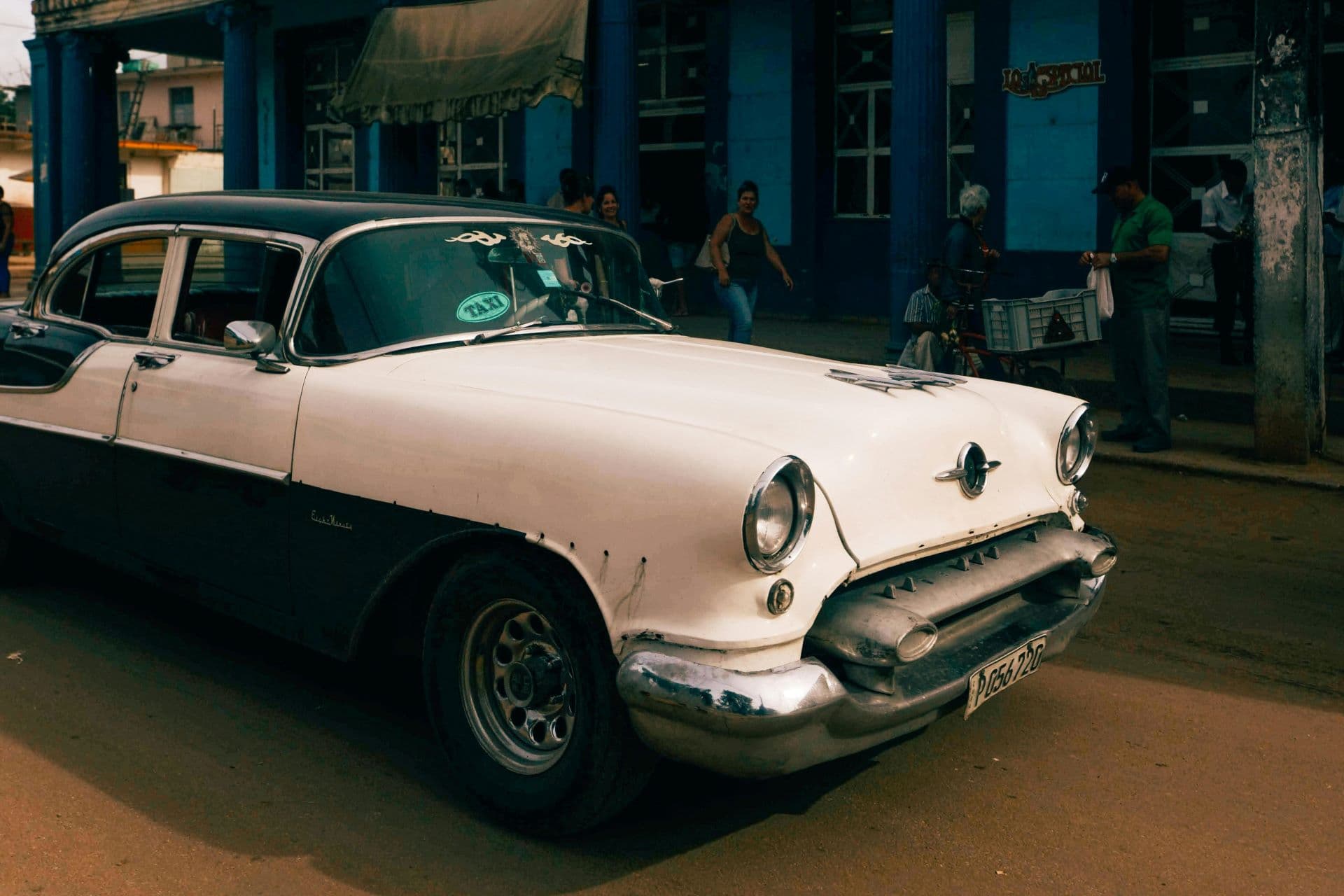
Heritage as a Strategic Asset
Automotive brands are not just producers of vehicles; they are custodians of stories, legacies, and cultural touchstones. In an era where consumers crave authenticity, a brandÔÇÖs history can become a powerful marketing tool. Auto museumsÔÇöspaces dedicated to the preservation, celebration, and interpretation of automotive historyÔÇöplay a pivotal role in shaping perception, fostering loyalty, and creating experiential marketing opportunities. For brands like Ferrari, Mercedes-Benz, and Porsche, the museum is not merely a display of machinery; it is an active narrative device that transforms heritage into tangible marketing value.
Today, heritage is no longer a passive relic. It is a dynamic asset, capable of influencing product perception, guiding marketing strategies, and engaging a global audience through both physical and digital channels. The auto museum, when strategically leveraged, offers a multi-layered approach to branding: it is an education center, a storytelling platform, a collectorÔÇÖs haven, and a social media catalyst all at once.
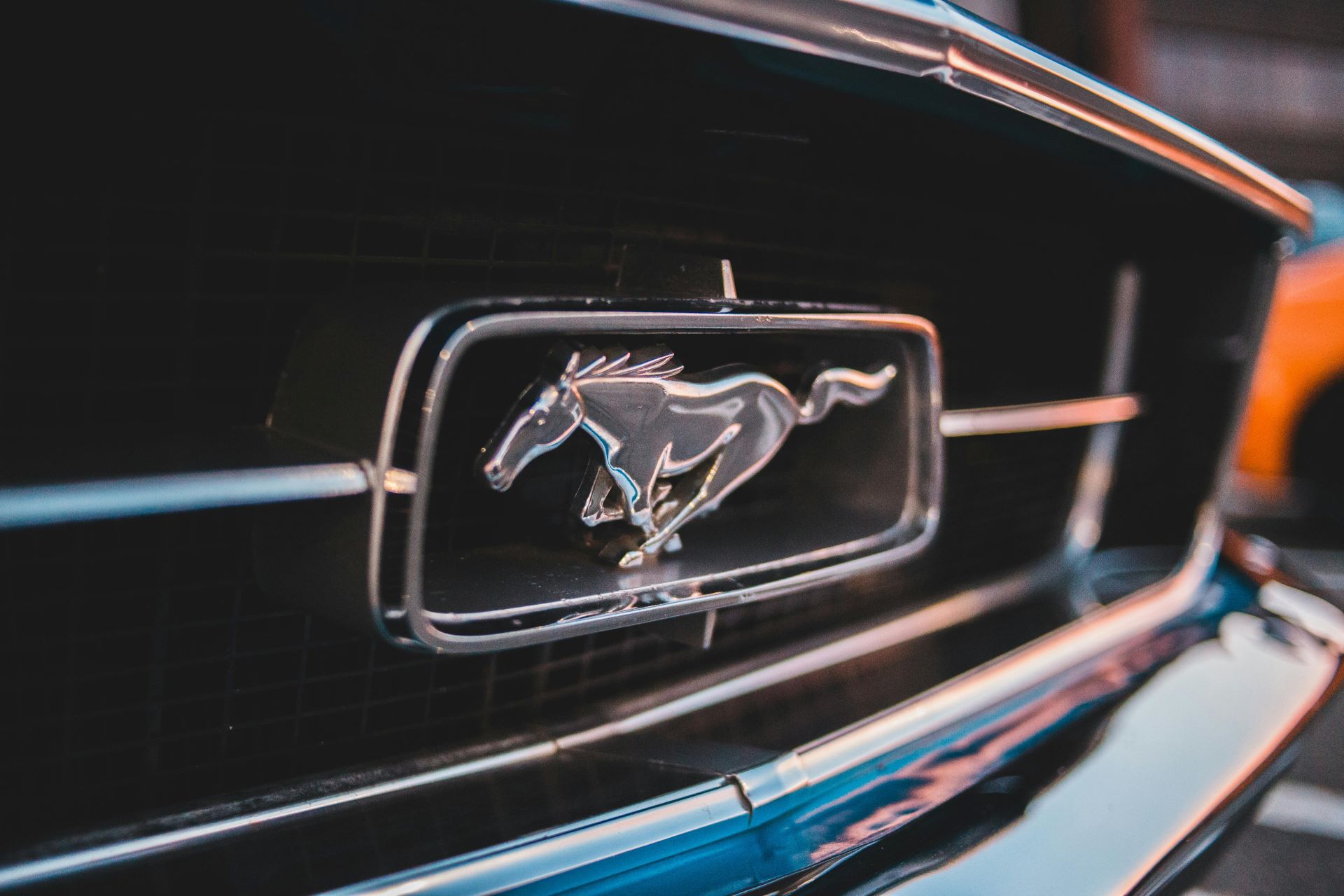
The Psychology of Legacy in Automotive Marketing
The emotional resonance of heritage lies in its ability to create connection. Cars are not merely tools of transportation; they are symbols of identity, freedom, and aspiration. A brand that can evoke a sense of continuity, craftsmanship, and innovation through its history taps into deep psychological drivers.
Auto museums facilitate this connection by offering an immersive experience. Visitors do not just see carsÔÇöthey witness the evolution of design, technology, and culture. From the earliest horseless carriages to concept vehicles that define the future, museums allow brands to curate a narrative that reinforces their core values.
For marketing, this emotional connection translates into loyalty and advocacy. Consumers who engage with a brandÔÇÖs heritage are more likely to perceive it as authentic, trustworthy, and aspirational. Brands that can link current models to historic milestones create a continuum of relevance that appeals both to enthusiasts and to new audiences seeking credible, meaningful experiences.
Transforming Physical Spaces into Marketing Tools
An auto museum is, first and foremost, a physical manifestation of a brandÔÇÖs story. The layout, curation, and interpretive messaging are all marketing decisions. Strategic museum design enhances the visitor journey, shaping perception in subtle but impactful ways.
Consider the role of interactivity. Modern museums integrate augmented reality (AR), virtual reality (VR), and immersive multimedia exhibits to engage audiences beyond static displays. A visitor exploring the history of the Porsche 911, for example, can experience its evolution interactively, linking each model to broader brand achievements and design philosophy. This immersive approach transforms historical artifacts into marketing content, providing narratives that can be repurposed across advertising campaigns, social media, and PR efforts.
Even the choice of featured vehicles communicates brand positioning. Highlighting rare prototypes or limited editions reinforces notions of exclusivity, while emphasizing innovation and design milestones signals leadership in technology and engineering. Every artifact becomes a deliberate piece of brand messaging.
Heritage as a Content Engine
Auto museums generate a steady stream of content opportunities. Each exhibit can be leveraged across multiple channels: digital storytelling, social media campaigns, influencer partnerships, press releases, and experiential marketing events.
Take social media campaigns, for instance. Images of classic cars, archival photographs, or behind-the-scenes museum restorations provide highly shareable content. For brands, this not only amplifies reach but also reinforces authenticityÔÇöshowing that they are invested in their own story.
Museums also enable collaborations with lifestyle and luxury brands, extending the narrative beyond automotive circles. Co-branded events, limited-edition merchandise, and curated experiences allow the heritage to become aspirational lifestyle content. When executed strategically, these initiatives elevate the brand above product-centric messaging, positioning it as a cultural icon.
Engaging the Collector and Enthusiast Communities
Collectors and enthusiasts are arguably a brandÔÇÖs most influential audience. Auto museums provide a dedicated platform to engage these communities, offering early access to restorations, exclusive previews, and insider events.
These interactions are more than ceremonial; they generate word-of-mouth marketing of extraordinary value. Collectors often amplify brand messaging organically through personal networks, social media, and participation in automotive events. By curating museum experiences that are both educational and emotionally resonant, brands cultivate brand ambassadors who extend the reach of heritage-based marketing initiatives far beyond the walls of the museum.
Furthermore, museums can host dynamic eventsÔÇöauctions, concours dÔÇÖ├®l├®gance, restoration workshopsÔÇöthat blend entertainment, education, and marketing. These events reinforce brand values while creating shareable content that appeals to both enthusiasts and mainstream audiences.
Leveraging Digital Innovation
While physical presence is essential, the digital extension of an auto museum is equally critical. Virtual tours, 3D model libraries, and interactive timelines allow global audiences to experience the brandÔÇÖs heritage regardless of location.
Digital channels also enable brands to personalize the museum experience. AI-driven recommendation systems can suggest exhibits based on visitor interests, while gamification elementsÔÇösuch as digital scavenger hunts or achievement badgesÔÇöencourage deeper engagement. The resulting data not only informs marketing strategies but also provides insights into consumer behavior, preferences, and emotional responses.
Moreover, the digital presence transforms the museum into a continuous content engine. Archival videos, interviews with designers and engineers, and historical case studies can be repurposed across social platforms, newsletters, and marketing campaigns. This approach maximizes ROI, ensuring that heritage investments generate measurable brand impact beyond the physical space.
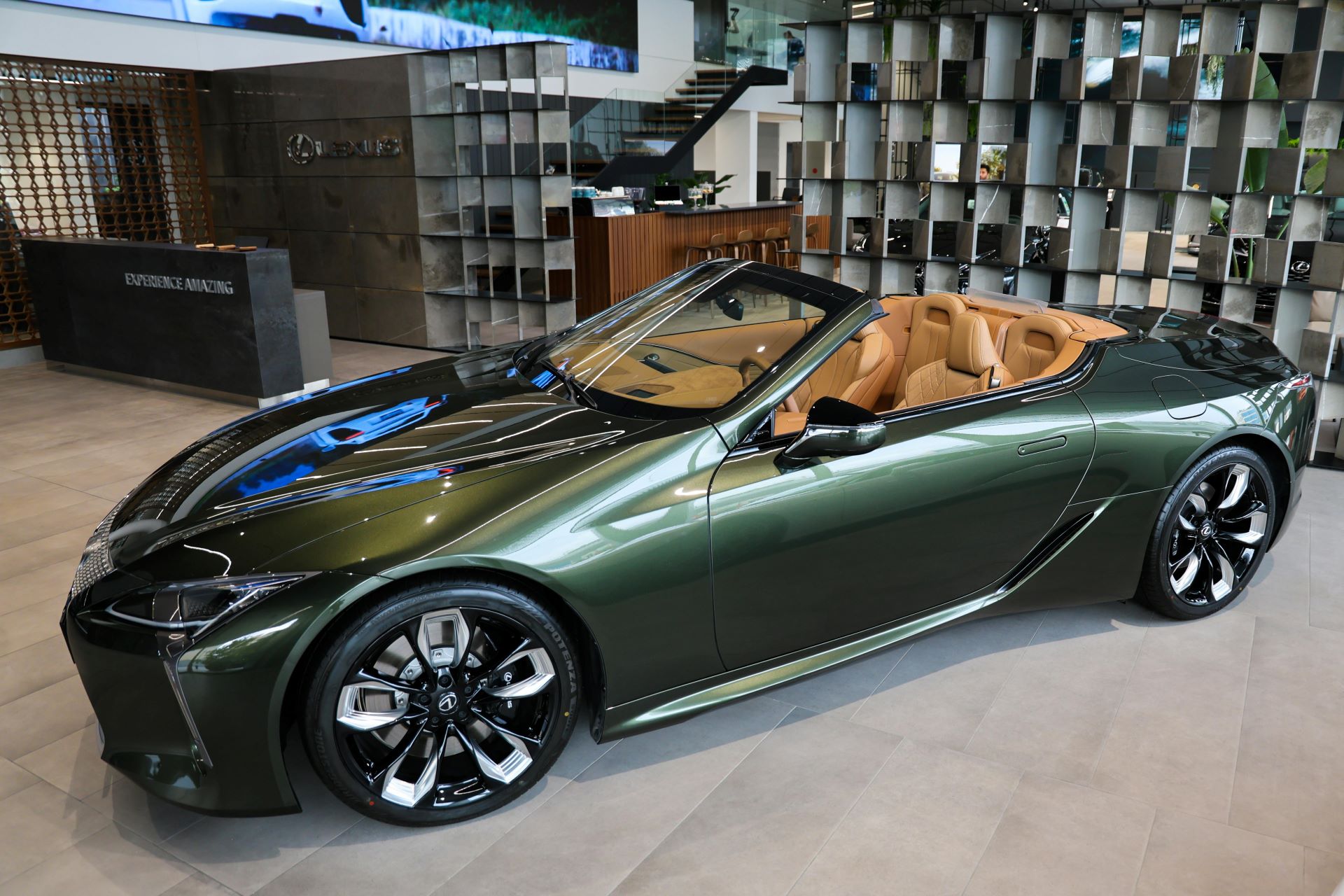
Driving Product Relevance Through Heritage
Heritage-based marketing is not purely retrospective. The strategic integration of historical narrative into product campaigns can enhance contemporary relevance. Brands that link current models to historical milestones create a sense of continuity and trust.
For example, referencing a legendary model in the launch campaign of a new vehicle positions the product as part of a lineage of excellence. Storytelling that highlights shared values, engineering principles, or design philosophy ensures that the audience perceives the brand as both consistent and forward-thinking. Heritage becomes a lens through which consumers interpret innovation, framing the brand as both timeless and contemporary.
Cross-Channel Storytelling and Experiential Marketing
Auto museums provide a foundation for integrated marketing campaigns. Exhibits inspire social media content, press stories, influencer collaborations, and experiential activations. By leveraging heritage in a cross-channel strategy, brands ensure consistency while maximizing engagement.
Experiential marketing, in particular, benefits from museum-based storytelling. Pop-up exhibits, traveling showcases, and interactive displays at automotive events allow brands to bring curated heritage narratives to diverse audiences. Each touchpoint reinforces brand values and amplifies recognition. Museums, in this sense, are both anchors and catalysts for omnichannel marketing initiatives.
Measuring the Marketing Impact of Heritage
For heritage to function as a marketing asset, its impact must be quantifiable. Metrics may include museum attendance, social media engagement, content shares, PR impressions, and sentiment analysis. More advanced analytics track visitor behavior, dwell time, and interaction with digital exhibits, offering actionable insights into which aspects of heritage resonate most strongly.
Integration with broader marketing campaigns allows for correlation between heritage engagement and product performance, customer acquisition, and brand perception. When executed effectively, heritage initiatives demonstrate clear ROI, validating investment in museum spaces, archival preservation, and digital content creation.
Case Studies: Iconic Brands Harnessing Heritage
Mercedes-Benz Museum, Stuttgart
Mercedes-Benz transforms its museum into a global brand ambassador. The museum celebrates over 130 years of automotive innovation, showcasing historic models alongside concept cars. The narrative emphasizes engineering excellence, luxury, and innovation, creating content that fuels marketing campaigns, social media storytelling, and experiential activations worldwide.
Ferrari Museo, Maranello
FerrariÔÇÖs Museo leverages exclusivity and performance heritage to reinforce brand prestige. Limited access events, interactive exhibits, and partnerships with luxury lifestyle brands amplify the museumÔÇÖs marketing value, translating the aura of racing history into aspirational lifestyle content for global audiences.
Porsche Museum, Stuttgart
PorscheÔÇÖs museum emphasizes design and engineering evolution. Interactive displays, restoration workshops, and racing heritage provide storytelling opportunities across multiple channels. Digital tours and social media initiatives extend the brand experience beyond the museum walls, reaching enthusiasts worldwide.
Heritage as a Living Marketing Asset
Automotive heritage is far more than a nostalgic indulgenceÔÇöit is a dynamic marketing tool that shapes perception, inspires engagement, and drives loyalty. Auto museums provide a tangible anchor for heritage-based marketing, offering immersive experiences that educate, excite, and elevate.
By strategically curating exhibits, integrating digital innovation, and leveraging content across channels, brands transform legacy into measurable marketing impact. Heritage, when activated thoughtfully, positions automotive brands as cultural icons, unites past and present, and creates an enduring narrative that resonates across generations.
In a crowded, fast-moving market, legacy is no longer staticÔÇöit is a living, breathing asset that informs strategy, inspires creativity, and drives connection. Auto museums are the vessels through which this legacy flows, transforming history into marketing gold.
Breyten Odendaal
Specializing in high-performance automotive advertising and digital marketing solutions, delivering cutting-edge insights and the latest news shaping the automotive industry in South Africa.
More From Advertising

Automotive Digital Ads in South Africa: A Shift
Exploring how South Africa’s automotive advertising evolved from print and broadcast to data-driven, programmatic digital ecosystems.

The Video Shift in Car Buying Decisions in SA
Explore how video content shapes car purchase decisions in South Africa, comparing short-form and long-form strategies for automotive marketers.

Why Automotive Ads Must Think Like E-Commerce
Automotive ads in South Africa need e-commerce style conversion thinking to boost leads, optimise funnels, and improve dealership ROI.