Transforming the Automotive Retail Landscape with Cutting-Edge Technology
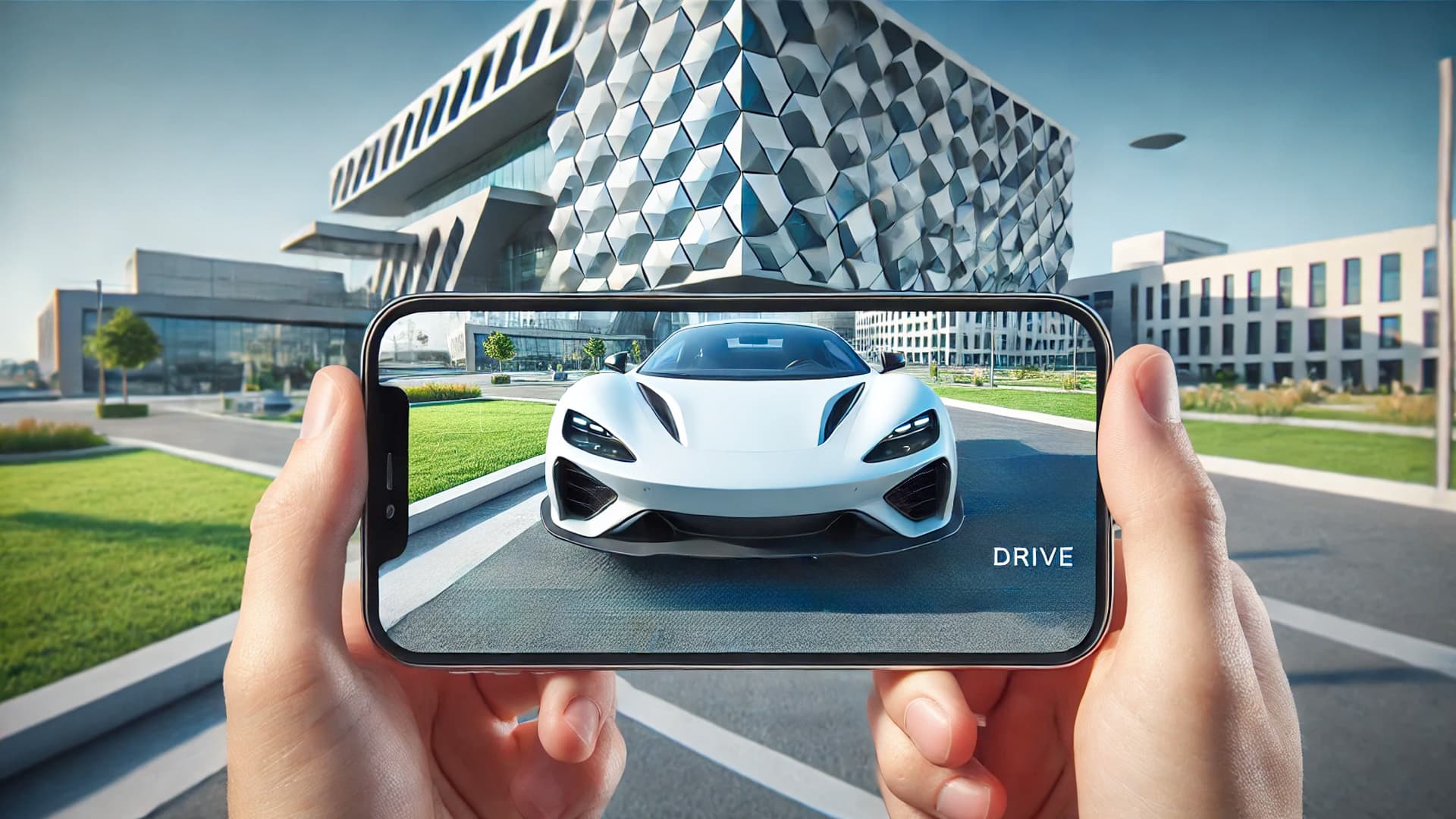
In an era where digital innovation propels industries forward, the automotive sector stands at the forefront of embracing Augmented Reality (AR) to redefine the car showroom experience. Imagine stepping into a showroom where the boundaries between physical and virtual blur, allowing potential buyers to engage with vehicles in unprecedented ways. AR is not just a futuristic concept but a present-day catalyst enhancing virtual test drives and enriching showroom interactions, ultimately steering the car buying journey into a new dimension.
Revolutionizing Test Drives with AR
Creating Immersive Vehicle Interactions
Traditional test drives offer a limited perspective, confined to the tangible aspects of a vehicle. Augmented Reality transcends these limitations by enabling prospective buyers to interact with cars on a virtual plane that mirrors reality. Through AR-enabled devices, customers can examine intricate details of a vehicleÔÇÖs design, from the stitching on the seats to the dashboardÔÇÖs technological features, all within a simulated environment. This immersive interaction fosters a deeper connection between the buyer and the car, allowing for a more informed and confident purchasing decision.
Moreover, AR transforms the static nature of showroom displays into dynamic, interactive experiences. Potential buyers can customize vehicle colors, modify interiors, and even experiment with different configurations in real-time. This level of personalization not only enhances engagement but also empowers customers to visualize their ideal vehicle, bridging the gap between imagination and reality. By facilitating such detailed exploration, AR elevates the test drive from a mere trial to an engaging, personalized journey.
Simulating Real-World Driving Conditions
One of the most significant advantages of AR in virtual test drives is the ability to replicate diverse driving conditions that are otherwise challenging to experience within a showroom setting. Imagine navigating through winding mountain roads, cruising along coastal highways, or tackling urban trafficÔÇöall within the comfort of a controlled environment. AR can simulate these scenarios, providing a realistic driving experience that assesses a vehicleÔÇÖs performance under various conditions without the need for actual travel.
This simulation capability not only showcases a vehicleÔÇÖs versatility and robustness but also allows customers to understand how different features respond in specific environments. For instance, the handling dynamics of a sports car on a sharp curve or the efficiency of an electric vehicle in stop-and-go traffic can be vividly demonstrated through AR. Such comprehensive exposure ensures that buyers have a holistic understanding of the vehicleÔÇÖs capabilities, thereby enhancing satisfaction and trust in their purchase.
Multi-Sensory Engagement
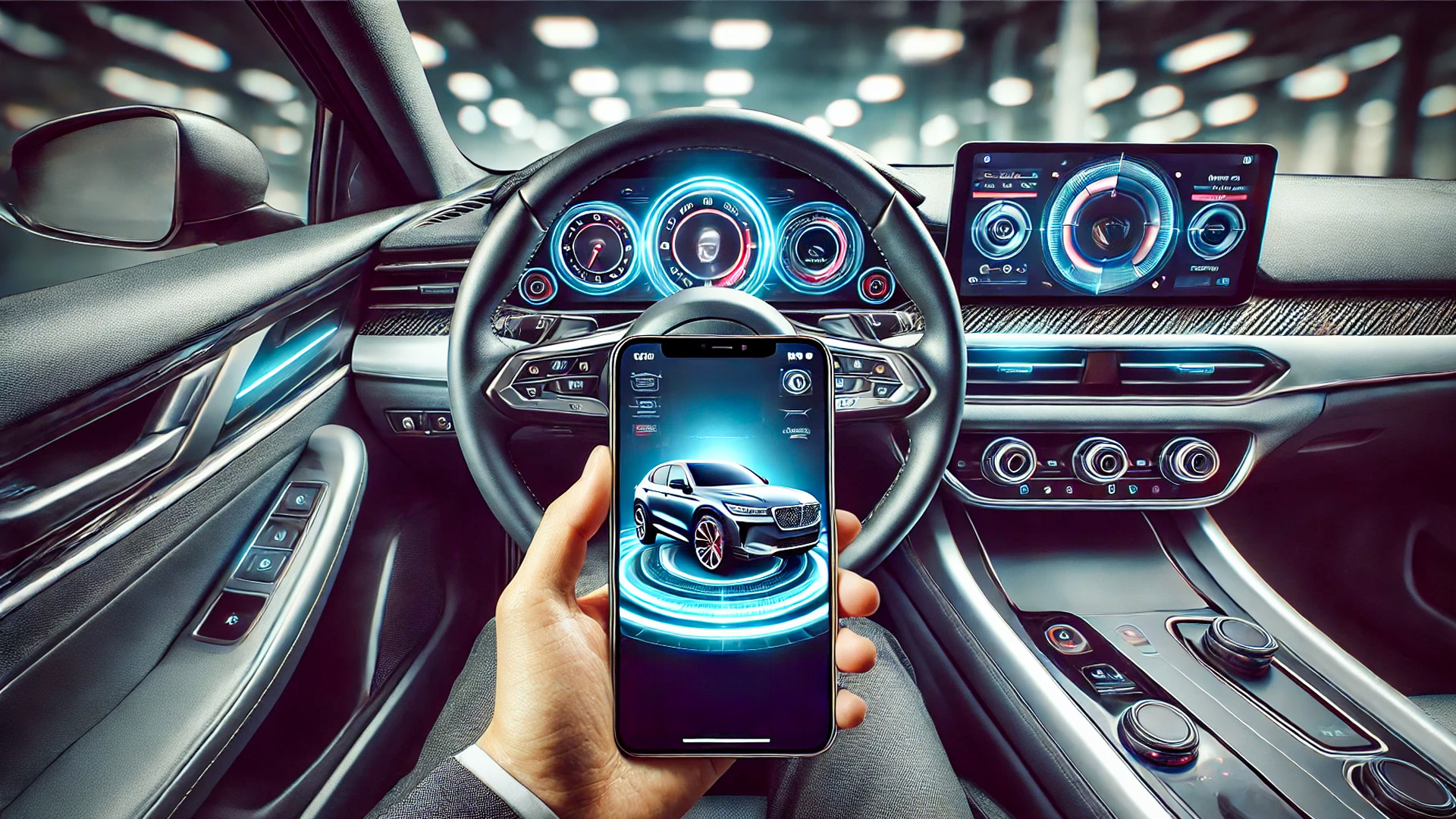
Augmented Reality extends beyond visual enhancements by incorporating multi-sensory elements that enrich the virtual test drive experience. By integrating haptic feedback, auditory cues, and even olfactory signals, AR creates a more immersive and realistic interaction with the vehicle. For example, the subtle vibrations of the steering wheel, the authentic sound of the engine, and the scent of new leather interiors can be simulated to provide a holistic sensory experience that mirrors real-world test drives.
This multi-sensory approach not only heightens the realism of virtual interactions but also caters to a broader range of customer preferences and needs. It ensures that the virtual test drive engages multiple senses, making the experience more memorable and impactful. By engaging users on various sensory levels, AR fosters a deeper emotional connection with the vehicle, enhancing the overall appeal and desirability.
Transforming Showroom Experiences
Interactive Showroom Tours
Augmented Reality reimagines the conventional car showroom by introducing interactive tours that guide customers through a virtual representation of the physical space. Using AR-enabled devices, visitors can navigate through different sections of the showroom, exploring various vehicle models and their features at their own pace. This interactive approach not only makes the showroom visit more engaging but also allows customers to access detailed information and multimedia content seamlessly integrated into the environment.
Furthermore, AR can overlay digital information onto physical displays, providing contextual details about each vehicle without cluttering the space with excessive signage. For instance, pointing a device at a car can reveal its specifications, performance metrics, and available customization options in an intuitive and visually appealing manner. This streamlined information delivery enhances the customerÔÇÖs ability to absorb and retain key details, making the showroom visit both informative and enjoyable.
Enhanced Product Visualization
Visualizing a vehicleÔÇÖs features and customizations can be challenging with traditional display methods. AR addresses this by offering enhanced visualization tools that allow customers to see and interact with different aspects of a vehicle in a more tangible way. Whether itÔÇÖs viewing the undercarriage, exploring the infotainment system, or examining the safety features, AR provides a comprehensive visual representation that traditional brochures and static displays cannot match.
Additionally, AR can present vehicles in various environments and lighting conditions, helping customers appreciate how a carÔÇÖs aesthetics and functionality adapt to different settings. This versatility in visualization not only highlights the vehicleÔÇÖs design and engineering prowess but also aids customers in making more informed choices based on their specific preferences and requirements. By offering a detailed and versatile visual experience, AR significantly enhances the overall showroom interaction.
Dynamic Customization Displays
Customization is a crucial factor in the car-buying process, allowing customers to tailor vehicles to their unique tastes and needs. Augmented Reality elevates this aspect by providing dynamic customization displays that enable real-time modifications and visualizations. Customers can experiment with different color schemes, wheel designs, interior materials, and technological upgrades, instantly seeing the impact of each choice on the vehicleÔÇÖs appearance and functionality.
This interactive customization not only streamlines the decision-making process but also fosters a sense of ownership and personal investment in the vehicle. By allowing customers to visualize their personalized configurations, AR reduces uncertainty and enhances satisfaction with the final purchase. Moreover, these dynamic displays can be integrated with sales platforms, facilitating a seamless transition from customization to ordering, thereby improving the overall efficiency and effectiveness of the sales process.
Empowering Sales and Marketing
Data-Driven Customer Insights
Augmented Reality tools in car showrooms generate a wealth of data that can be harnessed to gain deeper insights into customer behavior and preferences. By tracking interactions with virtual displays, customization choices, and navigation patterns within the AR environment, dealerships can gather valuable information about what aspects of the vehicles resonate most with potential buyers. This data-driven approach allows for a more targeted and personalized marketing strategy, ensuring that promotional efforts align closely with customer interests and needs.
Furthermore, analyzing AR engagement metrics can reveal trends and patterns that inform inventory management, feature prioritization, and future product development. For instance, if data indicates a high level of interest in electric vehicle configurations, dealerships can adjust their inventory and marketing focus accordingly. By leveraging data insights derived from AR interactions, automotive retailers can enhance their responsiveness and adaptability in a competitive market.
Personalized Marketing Strategies
With the insights gained from AR interactions, car showrooms can craft highly personalized marketing strategies that cater to individual customer profiles. Personalized recommendations based on previous interactions, preferred features, and customization choices can be delivered through targeted communications, enhancing the relevance and effectiveness of marketing campaigns. For example, a customer who frequently explores hybrid vehicle options in the AR environment can receive tailored information and offers related to hybrid models, incentivizing further engagement and purchase intent.
Moreover, AR allows for the creation of bespoke promotional experiences that resonate with specific customer segments. Interactive storytelling elements, such as virtual journeys or feature-focused demonstrations, can be designed to align with the interests and lifestyles of different demographic groups. This level of personalization not only increases the appeal of marketing initiatives but also strengthens the connection between the brand and its customers, fostering loyalty and long-term relationships.
Interactive Promotional Campaigns
Augmented Reality enables the development of innovative and interactive promotional campaigns that capture customer attention and drive engagement. By integrating AR into marketing initiatives, car showrooms can offer immersive experiences that go beyond traditional advertising methods. For instance, a promotional event could feature an AR treasure hunt where participants use their devices to discover hidden features or exclusive offers within the showroom, making the experience both entertaining and rewarding.
These interactive campaigns not only enhance brand visibility but also encourage active participation and word-of-mouth promotion. By providing unique and memorable experiences, AR-based promotions can differentiate a dealership from its competitors, attracting a broader audience and fostering a buzz around new vehicle launches or special offers. The interactive nature of these campaigns ensures sustained interest and engagement, ultimately contributing to increased foot traffic and sales conversions.
Streamlining Operations with AR
Inventory Management Solutions
Managing inventory efficiently is critical for car showrooms to meet customer demand and optimize sales. Augmented Reality offers advanced inventory management solutions by providing real-time, interactive visualizations of stock levels, vehicle locations, and feature availability within the showroom. Through AR interfaces, staff can quickly access and update inventory information, streamlining operations and reducing the likelihood of errors or discrepancies.
Additionally, AR can facilitate the seamless integration of inventory data with other dealership systems, such as sales platforms and customer relationship management (CRM) tools. This interconnectedness ensures that all relevant information is accessible and up-to-date, enhancing operational efficiency and enabling more informed decision-making. By leveraging AR for inventory management, car showrooms can achieve greater accuracy, responsiveness, and overall productivity in their daily operations.
Training and Development Enhancements
Employee training and development are essential components of a successful car showroom, ensuring that staff are knowledgeable, skilled, and capable of delivering exceptional customer service. Augmented Reality transforms training programs by offering immersive, interactive learning experiences that simulate real-world scenarios. New hires can engage with virtual models, practice sales pitches, and navigate complex customer interactions within a controlled AR environment, honing their skills without the pressure of actual customer interactions.
Moreover, AR can facilitate continuous learning and professional development by providing access to up-to-date information and training modules that adapt to evolving market trends and product offerings. Experienced staff can also benefit from AR-enhanced training, allowing them to refine their expertise and stay abreast of the latest advancements in automotive technology and customer service practices. By integrating AR into training programs, car showrooms can cultivate a highly competent and adaptable workforce, driving overall business success.
Augmented Customer Support
Providing exceptional customer support is paramount in building trust and ensuring customer satisfaction. Augmented Reality enhances customer support services by offering interactive troubleshooting guides, virtual assistance, and real-time problem-solving capabilities. For instance, customers experiencing issues with their vehicles can use AR-enabled devices to receive step-by-step visual instructions, overlaying helpful information directly onto the physical components of their cars.
Additionally, AR can facilitate remote consultations with support staff, allowing experts to guide customers through complex procedures or diagnostics without the need for in-person visits. This level of augmented support not only improves the efficiency and effectiveness of service interactions but also enhances the overall customer experience by providing timely and accessible assistance. By integrating AR into customer support, car showrooms can deliver a higher standard of service, fostering loyalty and long-term relationships with their clientele.

Future Innovations in AR for Automotive Retail
Integration with Autonomous Vehicles
As the automotive industry advances towards autonomous driving technology, Augmented Reality is poised to play a pivotal role in integrating these innovations within car showrooms. AR can showcase the functionalities and safety features of autonomous vehicles through interactive demonstrations, allowing customers to visualize how these technologies operate in real-world scenarios. By providing a hands-on understanding of autonomous systems, AR helps demystify complex technologies and builds consumer confidence in their reliability and benefits.
Moreover, AR can simulate the transition from manual to autonomous driving, illustrating the seamless interaction between human drivers and automated systems. This comprehensive portrayal not only highlights the convenience and safety enhancements offered by autonomous vehicles but also addresses potential concerns and questions that customers may have. By bridging the gap between technology and user experience, AR facilitates the acceptance and adoption of autonomous vehicles within the consumer market.
Virtual Reality Showrooms
While Augmented Reality overlays digital elements onto the physical world, Virtual Reality (VR) creates entirely immersive environments that transport users to virtual showrooms. The convergence of AR and VR technologies can revolutionize the car showroom experience by offering hybrid environments where customers can interact with vehicles in both physical and virtual spaces. This synergy allows for unparalleled flexibility and creativity in showcasing vehicles, enabling customers to explore cars in diverse settings and configurations that extend beyond the limitations of physical showrooms.
Virtual Reality showrooms can host virtual events, product launches, and exclusive previews, attracting a global audience and expanding the reach of car dealerships. Additionally, VR can facilitate collaborative experiences where multiple users interact with the same virtual environment simultaneously, enhancing social engagement and collective decision-making. By integrating VR with AR, the automotive retail landscape can offer more versatile, engaging, and expansive showroom experiences that cater to a wide range of customer preferences and needs.
Cross-Platform AR Experiences
The future of Augmented Reality in car showrooms lies in the development of cross-platform AR experiences that offer seamless interactions across various devices and platforms. By ensuring compatibility with smartphones, tablets, AR glasses, and other wearable technologies, car showrooms can provide consistent and accessible AR experiences to a diverse customer base. This ubiquity enhances the convenience and flexibility of accessing AR features, allowing customers to engage with vehicles anytime and anywhere, whether they are at home, on the go, or visiting the showroom.
Moreover, cross-platform AR experiences can integrate with other digital tools and services, such as online configurators, social media platforms, and e-commerce systems, creating a cohesive and interconnected ecosystem. This integration facilitates a unified customer journey, where interactions with AR seamlessly transition between different touchpoints and stages of the buying process. By embracing cross-platform AR, car showrooms can deliver more inclusive, adaptable, and user-centric experiences that meet the evolving expectations of modern consumers.
Augmented Reality is undeniably reshaping the landscape of car showrooms, infusing traditional interactions with innovative, immersive, and personalized elements that enhance the overall customer experience. From revolutionizing virtual test drives to transforming showroom engagements and empowering sales and marketing strategies, AR offers a multifaceted toolkit that drives efficiency, engagement, and satisfaction. As technology continues to advance, the integration of AR with emerging innovations promises to further elevate the automotive retail experience, steering it towards a future where the boundaries between the virtual and physical worlds seamlessly coexist.

Future Innovations In Ar For Automotive Retail
Breyten Odendaal
Specializing in high-performance automotive advertising and digital marketing solutions, delivering cutting-edge insights and the latest news shaping the automotive industry in South Africa.
More From Advertising

Automotive Advertising in 2026: Selling Confidence in a More Competitive Market
As South Africa’s vehicle market becomes more competitive, automotive advertising needs to do more than announce a price or specification. It needs to help buyers understand value, ownership costs and why a vehicle suits their lives.

Automotive Digital Ads in South Africa: A Shift
Exploring how South Africa’s automotive advertising evolved from print and broadcast to data-driven, programmatic digital ecosystems.

The Video Shift in Car Buying Decisions in SA
Explore how video content shapes car purchase decisions in South Africa, comparing short-form and long-form strategies for automotive marketers.