
In an era where innovation drives every rev of the engine and digital transformation fuels consumer expectations, augmented reality (AR) has shifted gears from novelty to necessity in the automotive industry. From dynamic in-showroom displays to immersive mobile experiences that bring vehicles to life in your driveway, AR is redefining how automakers connect with modern consumersÔÇöespecially automotive enthusiasts who crave both information and inspiration.
A Digital Driving Force: Why AR Matters to Auto Brands
The journey to car ownership is no longer linear. ItÔÇÖs a winding road of mobile research, online configuration, digital showroom visits, and, eventually, in-person interaction. Augmented reality has emerged as the perfect co-pilotÔÇöbridging physical and digital worlds to engage, inform, and excite.
Automotive AR campaigns tap into a deep emotional current for enthusiasts. Whether itÔÇÖs visualising custom specs in real time or interacting with holographic representations of a carÔÇÖs inner workings, AR offers an experiential layer to the brand-customer relationship that static brochures and spec sheets simply can't match.
In a study by Deloitte, 88% of companies using AR reported increased business efficiency, while 71% saw a positive impact on customer engagement. The automotive industry is capitalising on this wave with both finesse and futuristic flair.
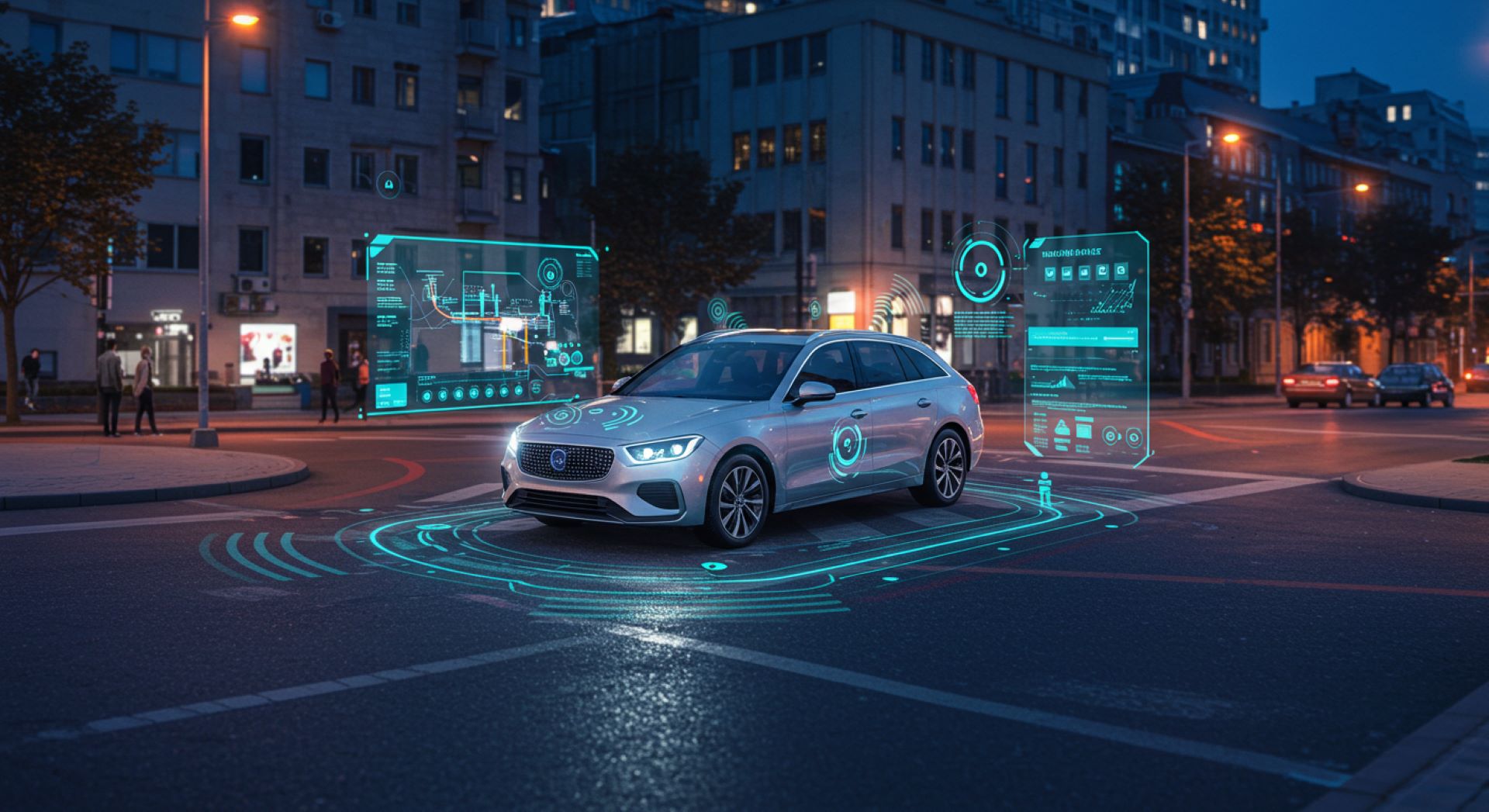
Inside the AR-Enhanced Showroom
Step into a modern dealership today, and you might find yourself greeted not by a salesperson, but by an AR display beaming a life-sized 3D rendering of the latest model. The digital showroom experienceÔÇöamplified by AR headsets, smart glasses, or tablet-based activationsÔÇöenables a tactile connection to intangible features.
Visualising the Invisible
One of the most captivating uses of AR in showrooms is component transparency. Enthusiasts can now "see through" a vehicle to understand its engineering. Want to explore the multi-link suspension on a Jaguar F-Pace or examine the battery architecture of a Mercedes EQS? AR provides a rich, exploded-view interface where form meets function in real-time.
Brands like Porsche have leveraged AR to overlay interactive performance data over physical cars, giving users the ability to view torque curves or aerodynamic features as if scanning with a digital X-ray.
Colour, Trim, and Configuration at Your Fingertips
Customisation has always been at the heart of car culture. AR configurators elevate that process, allowing users to toggle between trims, wheels, paint finishes, and interior leathers on a full-scale model right in front of them. The days of squinting at digital swatches on a flat screen are over.
BMW, for example, offers an AR showroom app that lets users walk around a true-to-size 3D model of any car, make configuration changes on the fly, and even open doors or boot spacesÔÇöall from their mobile device.
Contextual Placement
More forward-thinking showrooms are now using AR to simulate real-world placement of vehicles. Want to see how a Range Rover would look in your garage? Or how a compact city car would handle tight urban streets? With AR mapping, users can superimpose their dream car into their personal environment, adding a new layer of ownership aspiration.
Mobile Campaigns: The AR Road Test in Your Pocket
Beyond the showroom, mobile AR is rewriting the rules of automotive advertising. For decades, TV and print were the primary mediums for automotive campaigns. But AR has transformed phones into portalsÔÇöengines of exploration that go beyond sight and sound to simulate touch, proximity, and interaction.
Virtual Test Drives
Automotive brands are now delivering virtual test drives through mobile AR experiences. Using just a smartphone, users can simulate sitting inside a vehicle, explore dashboard controls, and get 360-degree views of cabin space. Brands like Audi and Toyota have launched mobile campaigns where users can virtually "drive" a car through city streets or winding mountain roadsÔÇöoffering a taste of performance without leaving the couch.
These campaigns are particularly powerful for new model launches or concepts not yet available for in-person viewing. For enthusiasts, itÔÇÖs a way to feel the thrill of innovation ahead of release.
Gamification and Loyalty
Some of the most creative uses of AR in automotive marketing incorporate gamification. KiaÔÇÖs "Go Electric" campaign included an AR game where users scanned QR codes in urban areas to unlock challenges, trivia, and hidden features of the EV6. These campaigns not only spark engagement but also feed loyalty ecosystems with points, badges, and exclusive content.
By merging the mechanics of gaming with the aspirational world of automotive design, brands build deeper emotional bonds and encourage repeat interaction.
Social Integration and User-Generated Content
AR filters and lenses on platforms like Instagram and Snapchat allow users to virtually place vehicles in selfies or share customised builds. JeepÔÇÖs Wrangler filter, which let users "drive" across their forehead or sofa, was wildly successfulÔÇögenerating millions of impressions and an uptick in showroom traffic.
AR campaigns invite users to become co-creators. For enthusiasts who live and breathe horsepower, thatÔÇÖs a welcome invitation to merge passion with play.
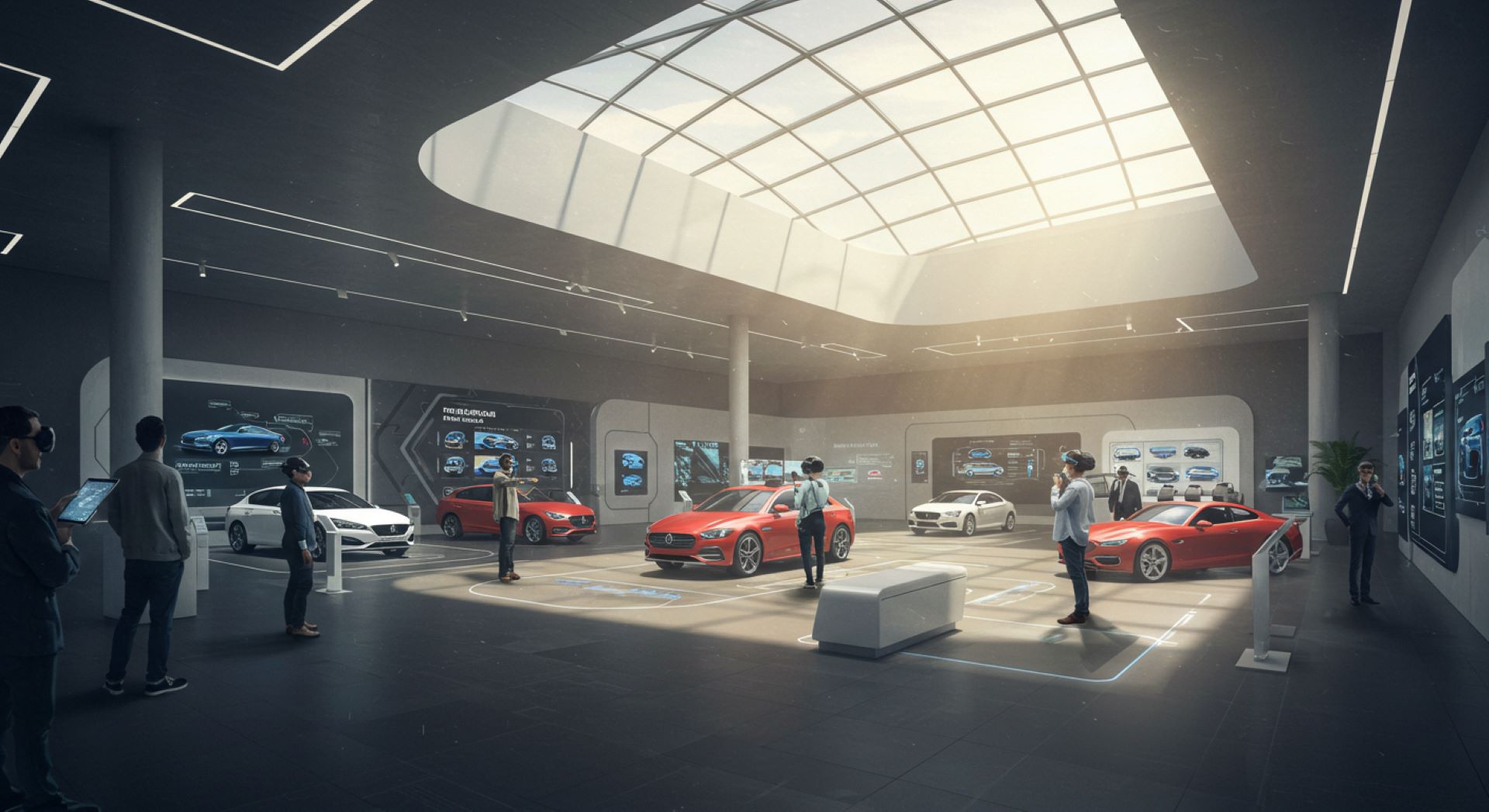
Leading the AR Charge: Case Studies in Innovation
Mercedes-Benz ÔÇô The EQC AR App
When Mercedes-Benz launched the EQC, their first fully electric SUV, they complemented it with an AR app that allowed users to visualise the car at full scale, explore the design language, and even simulate charging at home.
The app was part of a broader campaign focused on educating consumers about electric mobility. For enthusiasts hesitant about switching to EVs, the app provided reassurance through detailed visuals and interactive infographics about battery range and tech features.
Jaguar Land Rover ÔÇô Interactive Retail
Jaguar Land Rover (JLR) has rolled out ÔÇ£interactive retailÔÇØ concepts across select dealerships worldwide. Using AR tablets, sales teams can bring up any JLR model, overlay interior options, simulate terrain response systems, and showcase driving dynamics via animation.
ItÔÇÖs not just about slick visualsÔÇöitÔÇÖs about reducing the time to sale and increasing customer confidence. For brand loyalists and newcomers alike, these tools remove ambiguity and enhance decision-making.
Hyundai ÔÇô The AR OwnerÔÇÖs Manual
Hyundai went a step further and used AR not just for marketing, but for post-purchase support. The Hyundai Virtual Guide allows drivers to scan their car using a smartphone and receive detailed AR instructions on features, maintenance, and troubleshooting.
For enthusiasts who enjoy tinkering or want to deepen their understanding of their vehicleÔÇÖs capabilities, this transforms the ownership experience into an educational journey.
ARÔÇÖs Role in EV and Autonomous Vehicle Adoption
As the industry pivots toward electrification and autonomy, consumer education becomes paramount. AR helps demystify these technologies. How does regenerative braking work? WhatÔÇÖs the benefit of a heat pump in an EV? How do LIDAR systems detect hazards?
AR can illustrate these abstract concepts visually, interactively, and memorablyÔÇöessential for brands looking to build trust in next-generation vehicles.
Moreover, for performance-oriented enthusiasts, AR can showcase how electric drivetrains translate into torque delivery, or how weight distribution affects handling in EVs. It brings engineering to life.
Challenges and Roadblocks
While AR offers boundless opportunity, itÔÇÖs not without its hurdles. High-quality AR experiences require:
Additionally, without clear KPIs, it can be challenging for brands to measure ROI on AR campaigns. Engagement metrics such as dwell time, click-through rates, or configurator completions must be tied to tangible outcomes like test drives booked or units sold.
The Road Ahead: What's Next for AR in Auto Advertising?
Looking ahead, expect AR to converge with AI and real-time data. Imagine a scenario where your phone not only shows you a car in your driveway but adjusts the suspension height in real time based on your terrain. Or where AR glasses let you compare performance metrics between two models overlayed in your actual garage.
Future AR campaigns may also integrate voice interaction, gesture controls, and cloud-based personalisation, tailoring content based on your preferences, driving history, or even emotional reactions.
And as 5G networks proliferate, the bandwidth available will enable hyper-realistic AR models with photorealistic textures and physics-based interactionsÔÇöblurring the lines between virtual and reality.
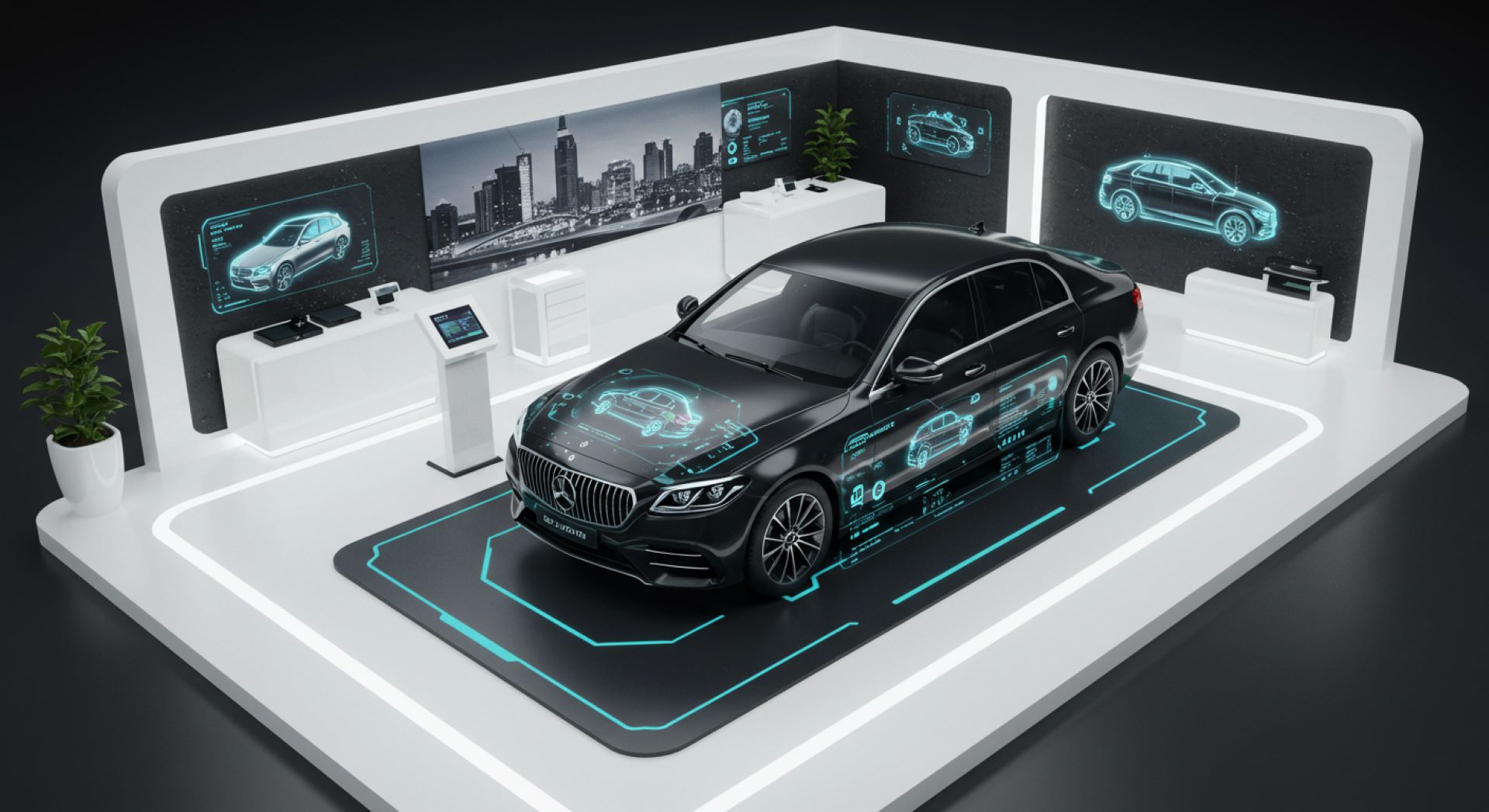
A Brave New World of Automotive Storytelling
For automotive enthusiasts, AR is more than just a gimmick. ItÔÇÖs a revolution in how vehicles are discovered, understood, and desired. It speaks to a deeper truth in car culture: the yearning not just to own, but to experience.
As manufacturers race toward a future dominated by electric drivetrains, autonomous capability, and digital ecosystems, AR becomes a critical storytelling tool. It puts control into the hands of the user, turns curiosity into confidence, and transforms shopping into a sensory experience.
Augmented advertising is no longer a concept on the horizonÔÇöitÔÇÖs here, itÔÇÖs revving, and itÔÇÖs changing the game.
Breyten Odendaal
Specializing in high-performance automotive advertising and digital marketing solutions, delivering cutting-edge insights and the latest news shaping the automotive industry in South Africa.
More From Advertising

Automotive Advertising in 2026: Selling Confidence in a More Competitive Market
As South Africa’s vehicle market becomes more competitive, automotive advertising needs to do more than announce a price or specification. It needs to help buyers understand value, ownership costs and why a vehicle suits their lives.

Automotive Digital Ads in South Africa: A Shift
Exploring how South Africa’s automotive advertising evolved from print and broadcast to data-driven, programmatic digital ecosystems.

The Video Shift in Car Buying Decisions in SA
Explore how video content shapes car purchase decisions in South Africa, comparing short-form and long-form strategies for automotive marketers.