
As the automotive world steers toward revolutionary changes, one topic is capturing the imagination of both car enthusiasts and industry insiders alikeÔÇöautonomous driving. Once the exclusive domain of science fiction, self-driving technology has evolved into a tangible reality, challenging traditional norms and igniting debates about the future of mobility. Today, advertisements touting these innovations are no longer mere promotional tools; they serve as catalysts that shape consumer perceptions, influence brand reputations, and even direct industry trajectories.
Autonomous driving ads have begun to permeate mainstream media with messages that blend futuristic aesthetics, intricate storytelling, and a promise of enhanced safety and convenience. These ads go beyond showcasing a technological leap; they create a narrative that invites consumers to envision a world where commuting transforms into a leisure experience and where cars become more than just transportation devicesÔÇöthey evolve into intelligent companions on the road. This innovative shift not only captivates the tech-savvy but also intrigues traditional automotive enthusiasts who have long held deep emotional connections with the mechanics and soul of driving.
Understanding consumer perception in this context is crucial. The manner in which these ads are craftedÔÇöfrom their cinematic visuals to the evocative music and bold claimsÔÇöplays an integral role in shaping opinions and expectations. Such perceptions can foster excitement and optimism or, conversely, spark skepticism and fear regarding safety and control. By examining the evolution of advertising strategies and dissecting key campaigns, we can uncover the dynamics of this transformative marketing approach and its broader impact on the automotive landscape.
This article will explore several facets of autonomous driving advertising. First, we will define and contextualize autonomous driving technology, including the various levels of autonomy and the pioneering companies leading the charge. Next, we will trace the evolution of automotive advertising, illustrating how the rise of digital media has revolutionized the way manufacturers communicate new technologies to their audience. We will then analyze the unique elements of current autonomous driving adsÔÇöthemes, visual storytelling, and messages designed to build trust and educate consumers.
Further, by examining how diverse segments of the automotive enthusiast community interpret these ads, we gain insight into the psychological drivers behind consumer reactions. Through hypothetical data and case studies of major automotive brands, the discussion will illuminate the tangible impact these advertisements are having on market perceptions and brand loyalty.
Finally, the article will discuss how these shifting perceptions influence industry priorities and future market demand. The discussion concludes by highlighting the pivotal role of the automotive community in either embracing or resisting technological change. As we journey through this evolving narrative, the aim is to empower readers with not only awareness but also a nuanced understanding of how advertising shapes our dreams of a smarter, safer driving future.

Overview of Autonomous Driving Technology
Autonomous driving technology, often referred to as self-driving technology, represents a fusion of hardware and software systems designed to enable vehicles to navigate and operate without constant human intervention. At its core, this technology integrates complex sensor arraysÔÇöincluding LIDAR, radar, ultrasonic sensors, and camerasÔÇöwith sophisticated artificial intelligence algorithms that process real-time data. The result is a car that can understand its environment, make decisions, and react to unforeseen conditions with speed and accuracy.
The levels of vehicle autonomy are classified on a spectrum ranging from Level 0 to Level 5. Level 0 involves no automation, whereas Level 5 envisions complete autonomy without any need for driver input. Levels 2 and 3, currently the most common in modern vehicles, provide partial automation, where systems can manage steering, acceleration, and braking, but a human driver is still expected to intervene when necessary. Meanwhile, companies and researchers are pushing the boundaries toward Level 4 and Level 5, where a vehicleÔÇÖs reliance on human control diminishes significantly, promising a future where fully autonomous fleets may become the norm.
Industry leaders such as Tesla, Waymo, and General Motors are spearheading advancements in autonomous technology. Their initiatives combine cutting-edge hardware innovation with powerful machine learning frameworks, setting benchmarks for both performance and safety. These companies invest extensively in research and testing, while collaborating with regulators and urban planners to ensure that their vision for a driverless future can be realized with public safety and ethical considerations in mind.
Advertising for autonomous vehicles is evolving in tandem with these technological breakthroughs. Companies are not merely promoting a product; they are championing a paradigm shift. Advertisements reflect the high stakes and promising opportunities of a driverless future, targeting both early adopters and mainstream consumers. They often employ high-definition visuals, simulations of real-life scenarios, and narratives that emphasize the benefits of reduced human error, increased efficiency, and the reimagining of road travel.
While the technology is still subject to rigorous testing and ongoing enhancements, its progress is undeniable. Consumers are increasingly exposed to news and advertisements heralding a new era in driving, sparking heated debates about the promise versus the perils of relinquishing control to machines. In this context, clear communication through advertising becomes paramount. Companies need to bridge the gap between cutting-edge technology and everyday understanding, ensuring that messages not only demystify the innovation but also foster trust among skeptical audiences.
In summary, autonomous driving technology stands at the confluence of innovation and public aspiration. With varying degrees of complexity and significant contributions from industry giants, the ecosystem is rapidly shifting its focus to a future where the role of the human driver might transform, if not completely diminish, in favor of a more intelligent, interconnected mode of travel.
Evolution of Advertising Strategies in the Automotive Industry
The automotive advertising landscape has witnessed a radical transformation over the decades. From the era of print ads in glossy magazines to the dynamic, multi-platform digital campaigns of today, automotive brands have consistently adapted to meet consumer expectations and technological advancements. This evolution is particularly evident in the context of autonomous drivingÔÇöa technology that pushes the boundaries of both innovation and imagination.
In the early days of automotive advertising, campaigns were heavily rooted in tangible attributes: horsepower, design aesthetics, and reliability. Brands relied on charismatic spokespeople and straightforward messaging to emphasize strength, durability, and prestige. Print ads, billboards, and television commercials formed the backbone of marketing strategies, with a focus on performance and the allure of adventure.
With the emergence of digital media and the internet, the narrative began to change. The digital revolution ushered in interactive platforms, social media engagement, and a hyper-targeted approach to reaching consumers. Automotive brands capitalized on these channels to create immersive experiences, utilizing videos, virtual reality simulations, and interactive websites to draw consumers into an experiential journey. These modern strategies provided an opportunity to showcase not only the engineering prowess but also the lifestyle and vision associated with driving a modern vehicle.
As the industry transitioned towards embracing autonomous technology, advertising strategies also underwent further refinement. Brands had to balance technical complexity with accessible communication. Autonomous driving ads needed to educate the public about a sophisticated technology while simultaneously appealing to emotions and aspirations. The focus shifted from merely selling a car to promising a future of safety, comfort, and innovation. Companies began to use compelling narratives and futuristic visuals that projected confidence and assurance, counterbalancing any latent fears about relinquishing control on the road.
This new approach in advertising is a dance between tradition and innovation. Companies reference their storied heritage in automotive excellence while also highlighting their forward-thinking ambitions. For instance, historical campaigns that once glorified the open road and rugged endurance are now reimagined to include sleek, high-tech aesthetics and simulations of smart cities where autonomous vehicles seamlessly integrate into the urban fabric. These ads blend nostalgia with modernity, allowing long-time enthusiasts to appreciate the evolution without feeling alienated by the advanced technology.
Another critical evolution in advertising has been the increased engagement with digital communities. Automotive brands now harness the power of social media influencers, online forums, and virtual events to directly interact with their audience. This shift toward two-way communication helps build trust, as consumers can ask questions, share concerns, and ultimately see that manufacturers are listening and responding to feedback in real time.
Ultimately, the evolution of advertising in the automotive industry is a reflection of broader cultural and technological shifts. The move toward autonomous driving is not merely a technological milestone; it is a profound redefinition of what it means to drive. As brands innovate their marketing approaches, they pave the way for consumers to embrace a future where tradition and technological progress are not at odds, but rather, coalesce to offer a richer, more integrated driving experience.
Dissecting Autonomous Driving Advertisements
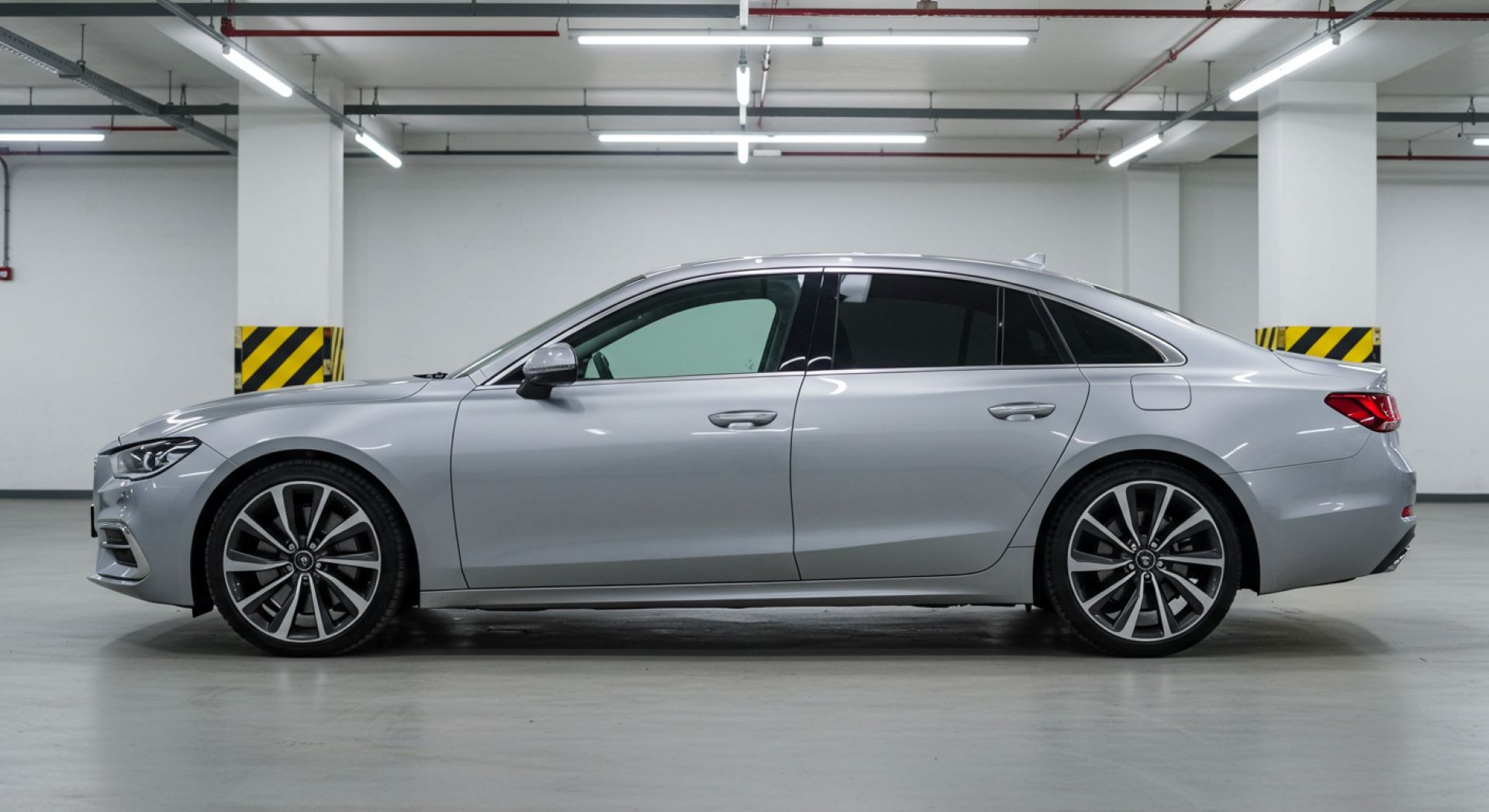
Autonomous driving advertisements represent a unique blend of technical sophistication and emotive storytelling. Their primary aim is to demystify the underlying technology while building trust and excitement among consumers. By closely examining these ads, we can identify several key elements that contribute to their persuasive power.
Visual Storytelling:Many autonomous driving ads rely on high-definition imagery and futuristic visuals to capture attention. Sleek designs, digital maps, and simulated urban landscapes are common motifs. These visuals not only highlight the technical aspects of self-driving systems but also evoke a sense of adventure and optimism. In effect, the imagery serves as an invitation for viewers to imagine a future where the mundane aspects of driving are replaced with freedom and safety.
Messaging and Narrative:The narratives woven into these ads often center around empowerment and liberation. Advertisements emphasize that autonomous technology liberates drivers from the stress of traffic, allowing them to transform travel time into productive or leisure time. They underscore benefits such as improved safety through reduced human error, efficient energy usage, and the potential for a more connected driving ecosystem. This messaging is carefully balanced with assurances of robust safety protocols and rigorous testing to mitigate fears associated with relinquishing control.
Themes of Trust and Innovation:Given the concerns that some consumers harbor about relinquishing manual control, trust-building is a cornerstone of autonomous driving advertising. Many campaigns incorporate testimonials from engineers, real-world testing sequences, and statistical data demonstrating safety improvements. By anchoring these claims in real experiences and hard data, companies work to overcome skepticism and position their technology as both innovative and reliable.
Use of Emotion:Autonomous driving ads do not shy away from tapping into the emotions of their audience. While the technology itself is highly technical, these advertisements often include human elementsÔÇöfamilies, professionals, and everyday driversÔÇöto create an emotional connection. The juxtaposition of advanced technology with everyday human experiences helps reduce the intimidation factor and presents autonomy as a natural evolution in the way we drive.
Diverse Formats and Platforms:In todayÔÇÖs multimedia landscape, these ads are spread across various platforms, from traditional television spots to social media videos and interactive web experiences. This multi-platform approach maximizes reach and allows each format to be tailored to specific audience segments. For example, a social media campaign might feature short, dynamic clips that emphasize speed and efficiency, while a web-based campaign could delve deeper into technological innovations through longer-form content.
Memorable Campaigns:Recent campaigns have left an indelible mark on consumers. One such example is a campaign that showcased a test drive in a scenic yet bustling urban environment, emphasizing the vehicleÔÇÖs ability to seamlessly navigate traffic while its driver engaged in leisure activities. These ads skillfully blend the thrill of advanced technology with everyday practicality, ensuring that the message resonates with a broad audience.
In conclusion, autonomous driving ads are more than just vehicle promotions; they are carefully choreographed narratives that combine visually arresting designs, precise technical claims, and deeply human storytelling. These elements work in unison to educate, persuade, and inspire trust, thereby redefining consumer perceptions of what it means to be on the road in the era of intelligent vehicles.
Consumer Perception and Reactions
Consumer perception of autonomous driving technology is multifaceted and driven by a confluence of factors that range from the allure of cutting-edge innovation to lingering concerns about safety and control. Advertisements play a crucial role in steering these perceptions, serving as the first point of contact between a brandÔÇÖs vision of the future and the publicÔÇÖs expectations. Within the automotive enthusiast community, reactions are as diverse as the demographics themselves, with responses often reflecting generational, cultural, and experiential differences.
Excitement and Optimism:Many enthusiasts are captivated by the promise of technological advancement. Autonomous driving ads that vividly illustrate a future of stress-free, efficient travel often incite a sense of excitement. This sentiment is particularly strong among younger, tech-savvy consumers who view autonomous technology as an inevitable progression toward smarter cities and sustainable mobility. For these individuals, the ads function as a preview of what life might look like in an era where cars communicate with each other and adapt to their environments autonomously.
Skepticism and Concerns:On the other hand, there exists a significant portion of the automotive community that approaches autonomous driving with caution. For long-time enthusiasts who have nurtured a deep connection with the traditional driving experience, the shift toward autonomy can evoke feelings of nostalgia as well as concern. Advertisements featuring futuristic imagery and automated processes sometimes trigger fears about the loss of control and the human element integral to driving. Additionally, concerns about cybersecurity, system failures, and ethical decision-making in critical situations have also emerged as prominent discussion points.
Influence of Trust and Brand Reputation:Trust is a critical factor shaping consumer reactions. Brands that have historically built trust through reliability and performance find it easier to transition into autonomous realms. Advertisements backed by clear evidenceÔÇöbe it through real-world test data, endorsements by automotive experts, or detailed safety demonstrationsÔÇöhelp assuage fears. In contrast, campaigns that present technology without substantive backing may inadvertently fuel skepticism, especially if consumers perceive the messaging as overly optimistic or lacking in practical details.
Psychological Impacts and Emotional Drivers:The psychological underpinnings of consumer reactions to autonomous driving ads are complex. Emotions such as fear, excitement, and curiosity significantly influence the audienceÔÇÖs interpretation of these technologies. Ads that skillfully blend factual information with emotional appeals tend to build a stronger rapport with their audience. For instance, ads that show families safely navigating through challenging driving conditions or professionals reclaiming their commute time by engaging in productive or leisure activities help reduce the fear of technological change.
Data-Driven Insights:Surveys and hypothetical data indicate that while there is enthusiasm for the convenience and safety benefits associated with autonomous vehicles, a sizable demographic remains tentativeÔÇöwaiting for further validation through extensive real-world use and regulatory endorsements. Many consumers report that their perceptions are continuously shaped by a mix of media reports, word-of-mouth experiences, and the visual cues provided by advertisements. These insights underline the importance of well-crafted messaging that not only informs but also builds long-term confidence in autonomous technologies.
In synthesizing these diverse sentiments, it is evident that autonomous driving ads must strike a delicate balance. They must provide clear, concise information about the technology while appealing to the emotional and psychological frameworks of their audiences. Ultimately, advertisements that manage to address both the technical and emotional facets are more likely to transform initial curiosity into lasting confidence, thereby playing a pivotal role in shaping how consumers view the future of mobility.
Impacts on the Automotive Industry
Consumer perceptions shaped by autonomous driving advertisements are beginning to exert a tangible influence on the automotive industry. As advertising becomes more adept at conveying the benefits and potential challenges of self-driving technology, manufacturers are rethinking product development, market strategies, and customer engagement.
One significant impact is on research and development priorities. As ads spark interest and confidence in autonomous features, automotive companies are increasingly investing in advanced sensor technologies, data analytics, and AI-driven control systems. This heightened consumer awareness has accelerated the pace of innovation, with manufacturers eager to meet an emerging market that values safety, efficiency, and connectivity. The promise of a driverless future also incentivizes a closer collaboration with tech firms, regulatory bodies, and urban planners, leading to integrated solutions that extend beyond the car itself to create smart, connected transportation ecosystems.
The influence of consumer perception extends to market demand and purchasing behavior. As autonomous driving features gain traction in public discourse, buyers are beginning to view them as essential components of modern vehicles rather than optional luxuries. This shift has pushed brands to prioritize the integration of autonomous systems in new models, thereby impacting product design, pricing strategies, and post-sale services. In particular, the shift has engendered a competitive edge for companies that not only innovate but also communicate their advancements transparently and effectively.
Moreover, the evolving narrative on autonomy is prompting a re-evaluation of traditional driving paradigms. While some enthusiasts remain nostalgic about manual control and the visceral experience of driving, the broader market trend leans toward embracing the convenience and enhanced safety promised by autonomous technology. As consumer trust solidifies through consistent, data-backed advertising, the long-term implication may be a gradual but permanent shift in market preferences. Such a transition is not without its challengesÔÇöbalancing tradition with innovation requires manufacturers to be both sensitive to emotional brand loyalty and forward-thinking in their technological ambitions.
In summary, the dialogue spurred by autonomous driving ads is reshaping the automotive landscape at multiple levels. From accelerating technological advancements and redefining market offerings to influencing consumer behavior, these advertisements are more than just persuasive toolsÔÇöthey are instrumental in orchestrating a profound transformation in how vehicles are conceptualized, developed, and ultimately experienced. This interplay between advertising and industry evolution underscores the importance of strategic communication in guiding the future of mobility.
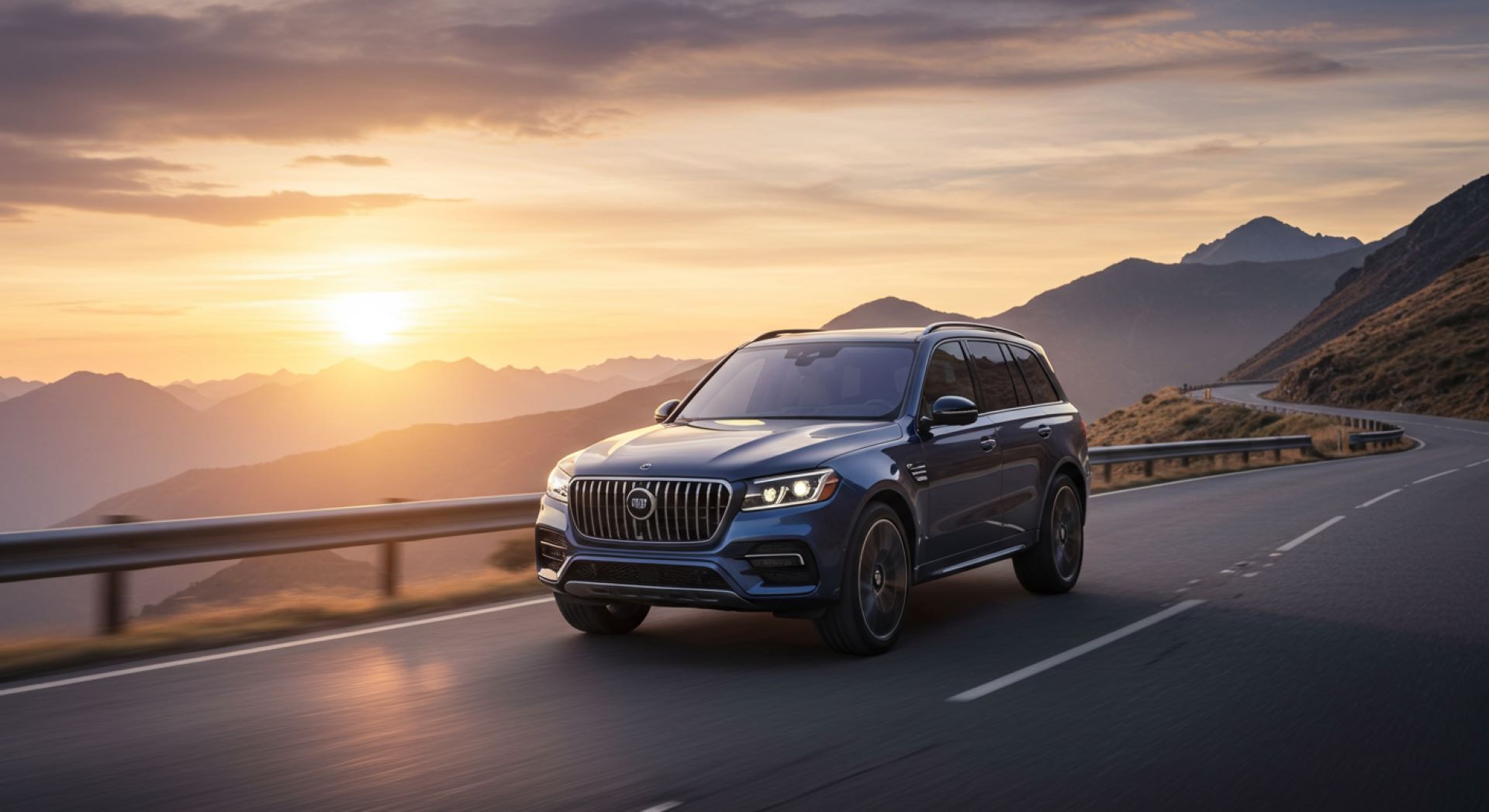
In conclusion, the surge in autonomous driving advertisements signals a fundamental shift in both automotive technology and consumer engagement. These ads, with their futuristic visuals, compelling narratives, and data-driven assurances, are redefining what it means to drive. They serve as windows into a future where vehicles are not only safer and more efficient, but also more attuned to the needs of a rapidly evolving society.
The evolution of advertising strategiesÔÇöfrom traditional print to immersive digital experiencesÔÇömirrors the technological journey of the automotive industry itself. As brands blend historical appeal with innovative promise, consumers are invited into a narrative that is as much about progress as it is about preserving the passion for driving. The resultant consumer perceptions are a mosaic of optimism, caution, and curiosityÔÇöa reflection of a community standing at the crossroads of tradition and transformation.
Looking forward, the impact of these advertisements goes beyond shaping opinions; they are influencing industry priorities, research directions, and even regulatory frameworks. As autonomous technologies mature and become more ubiquitous, the automotive enthusiast community will continue to play a critical role in how these innovations are embraced or resisted.
Ultimately, the interplay between advertising and consumer perception forms a cornerstone of the ongoing revolution in mobility. By offering clear, relatable, and emotionally resonant content, autonomous driving ads are not just selling a productÔÇöthey are inviting us all to participate in the journey toward a smarter, safer, and more connected future. As we navigate this dynamic landscape, staying informed and engaged will be essential for shaping an automotive industry that respects its storied past while boldly steering toward new horizons.
We invite youÔÇöautomotive enthusiasts, technology aficionados, and curious consumers alikeÔÇöto share your thoughts on the future of autonomous driving. What excites you about this technological leap, and where do your concerns lie? Join the discussion on social media, participate in dedicated forums, and attend industry events to explore how these innovations are transforming the driving experience. By engaging in open dialogue, you not only stay updated on the latest trends but also contribute valuable perspectives that may shape the evolution of automotive technology.
Share your experiences, insights, and questions with us, and be a part of a community that is actively driving change. Together, we can navigate this journey toward a more connected and autonomous futureÔÇöwhere passion meets progress on the open road.
Breyten Odendaal
Specializing in high-performance automotive advertising and digital marketing solutions, delivering cutting-edge insights and the latest news shaping the automotive industry in South Africa.
More From Advertising

Automotive Advertising in 2026: Selling Confidence in a More Competitive Market
As South Africa’s vehicle market becomes more competitive, automotive advertising needs to do more than announce a price or specification. It needs to help buyers understand value, ownership costs and why a vehicle suits their lives.

Automotive Digital Ads in South Africa: A Shift
Exploring how South Africa’s automotive advertising evolved from print and broadcast to data-driven, programmatic digital ecosystems.

The Video Shift in Car Buying Decisions in SA
Explore how video content shapes car purchase decisions in South Africa, comparing short-form and long-form strategies for automotive marketers.