
The automotive industry is highly competitive, and brand rivalry plays a prominent role in shaping consumer perceptions. Automotive companies constantly seek to outdo one another, leveraging advertising as a key battleground to assert dominance and attract attention. This article delves into how automotive brands use advertising to challenge their competitors, focusing on strategies commonly employed and their effectiveness.

The Landscape of Automotive Advertising
Advertising has long been essential for automotive brands to carve out their space in an increasingly crowded market. Traditionally, car ads have focused on communicating the unique selling points of a brandÔÇöperformance, reliability, design innovation. However, as competition in the automotive sector has intensified, brands have adopted more aggressive and confrontational advertising tactics, aiming to directly challenge their competitors and stand out in consumers' minds.
Direct Comparisons and Call-Outs
One of the most overt advertising strategies is the use of direct comparisons, where brands explicitly reference their competitors to highlight perceived weaknesses. This is often achieved through visual contrasts, performance data, or even snarky call-outs. A classic example is the ongoing rivalry between BMW and Mercedes-Benz, where both have engaged in humorous campaigns poking fun at each otherÔÇÖs features or brand ethos. These advertisements often emphasize how the competitor's offerings fall short while positioning the brand as the more desirable choice.
The direct comparison approach can be effective, as it provides consumers with clear and easy-to-digest information. However, it also runs the risk of alienating potential customers who feel that the campaign lacks professionalism or sophistication.
Humor and Parody
Humor is a potent tool in advertising, and automotive brands have embraced it as a way to subtly critique their rivals without seeming overly aggressive. By using satire and parody, brands can engage audiences and entertain them while still sending a pointed message about their competitors. Audi and BMW, for example, have used humor to address perceived flaws in each otherÔÇÖs vehicles, sometimes exaggerating these shortcomings for comedic effect.
This approach is appealing because it helps brands maintain a lighthearted image while subtly reinforcing their own superiority. By using humor, these companies position themselves as being confident enough to joke about their competitors, which can boost brand likability and recall.

Emphasizing Innovation
Another effective strategy in automotive brand rivalry is to emphasize innovation. Many brands, particularly those involved in the electric vehicle (EV) sector, leverage their technological advancements to stand apart from their competitors. Tesla, for instance, has long used its advertisements to tout its leadership in battery technology, long-range capabilities, and autonomous driving features.
By focusing on innovation, these brands position themselves as forward-thinking leaders in the industry, subtly challenging traditional automakers who may be perceived as slower to adopt cutting-edge technology. This approach resonates with consumers who value sustainability, technology, and future-proofing, and positions these brands as the trailblazers in a rapidly evolving automotive landscape.
Emotional Appeal and Storytelling
Automotive advertising often goes beyond just the technical specifications of a vehicle, aiming to create an emotional connection with the audience. Storytelling is a powerful method for differentiating a brand and creating long-lasting impressions. Brands like Subaru and Jeep, for instance, often focus on family, adventure, and the freedom of the open road in their ads, forging strong emotional ties with consumers.
These emotional narratives can set a brand apart from competitors who focus primarily on performance or luxury. By associating their vehicles with deeply held values and lifestyle aspirations, these brands tap into the emotional side of car buying, making their message more compelling and memorable.
Digital and Social Media Tactics
In todayÔÇÖs digital age, automotive brands have increasingly turned to social media to engage directly with consumers and competitors. Social platforms provide a space for brands to respond in real time to competitor campaigns, launching dynamic advertising exchanges that can capture the publicÔÇÖs attention. For example, Ford and Chevrolet have both used platforms like Twitter and Facebook to post witty responses to each otherÔÇÖs ads, creating a playful yet competitive atmosphere that draws in their followers.
This real-time engagement on social media adds a new layer of immediacy to brand rivalries, creating a sense of competition that feels alive and ongoing. However, it also requires brands to be agile and sensitive to public sentiment, as poorly timed or tone-deaf posts can quickly backfire.
The Impact and Risks
While these advertising strategies can significantly boost brand visibility and consumer engagement, they come with inherent risks. Comparative advertising, particularly when executed too aggressively, can be perceived as mean-spirited or overly negative. When this happens, it risks damaging the brandÔÇÖs image and alienating potential customers. Additionally, a heavy focus on critiquing competitors might overshadow a brandÔÇÖs own unique selling points, detracting from the positive qualities that make it desirable in the first place.
Thus, while rivalries can generate excitement and buzz, brands must strike a careful balance between competing effectively and maintaining a respectful, professional image.
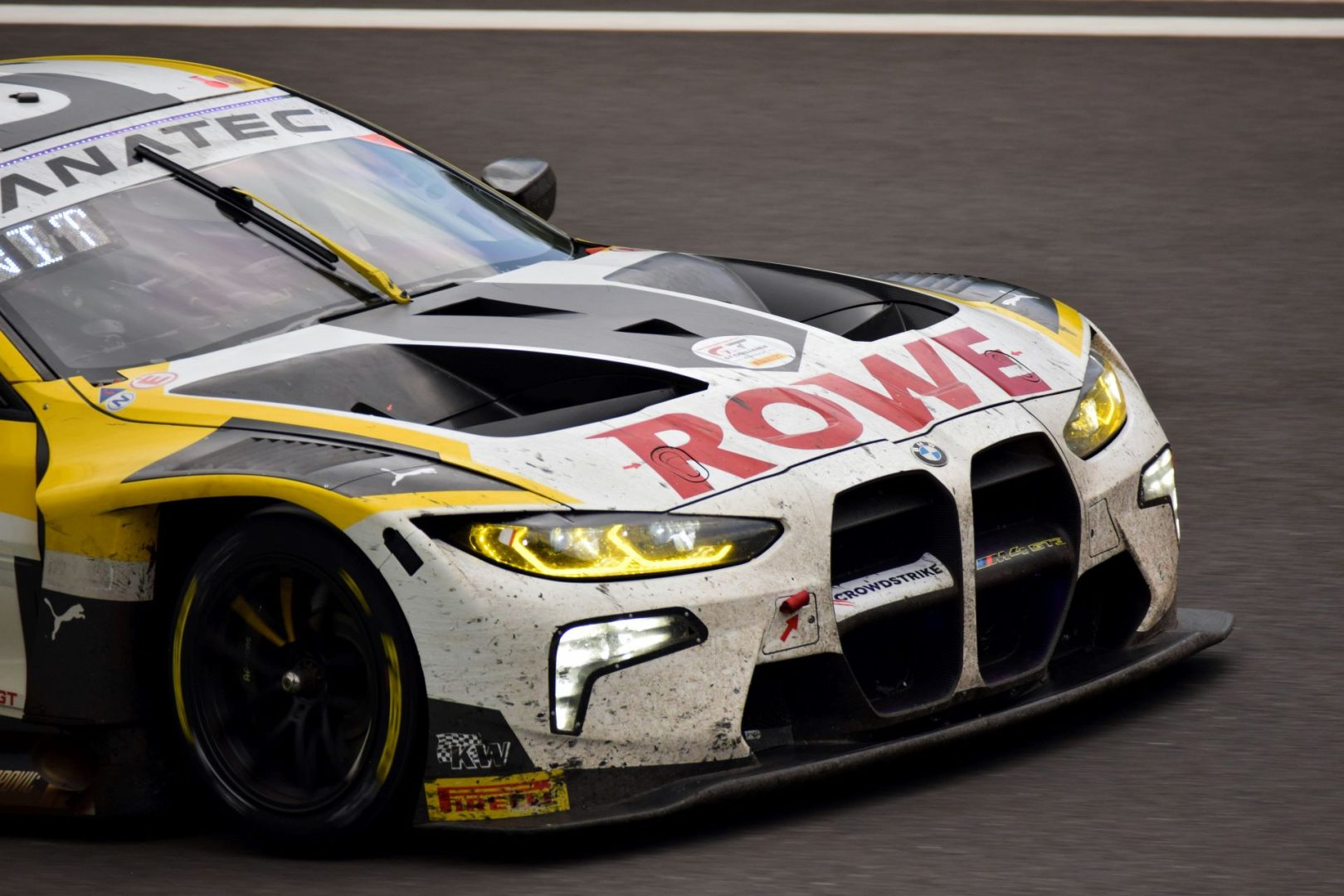
The automotive industry is driven by fierce competition, and advertising plays a central role in how brands engage with one another. Through strategies such as direct comparisons, humor, innovation, and emotional storytelling, automotive brands continually challenge each other for consumer attention. While these tactics can be highly effective in capturing interest and establishing dominance, they require a careful, measured approach to avoid crossing the line between playful rivalry and outright hostility. Ultimately, the key to success in automotive advertising lies in understanding how to position a brand as both competitive and confident, without alienating potential customers or undermining its own identity.
Breyten Odendaal
Specializing in high-performance automotive advertising and digital marketing solutions, delivering cutting-edge insights and the latest news shaping the automotive industry in South Africa.
More From Advertising

Automotive Advertising in 2026: Selling Confidence in a More Competitive Market
As South Africa’s vehicle market becomes more competitive, automotive advertising needs to do more than announce a price or specification. It needs to help buyers understand value, ownership costs and why a vehicle suits their lives.

Automotive Digital Ads in South Africa: A Shift
Exploring how South Africa’s automotive advertising evolved from print and broadcast to data-driven, programmatic digital ecosystems.

The Video Shift in Car Buying Decisions in SA
Explore how video content shapes car purchase decisions in South Africa, comparing short-form and long-form strategies for automotive marketers.