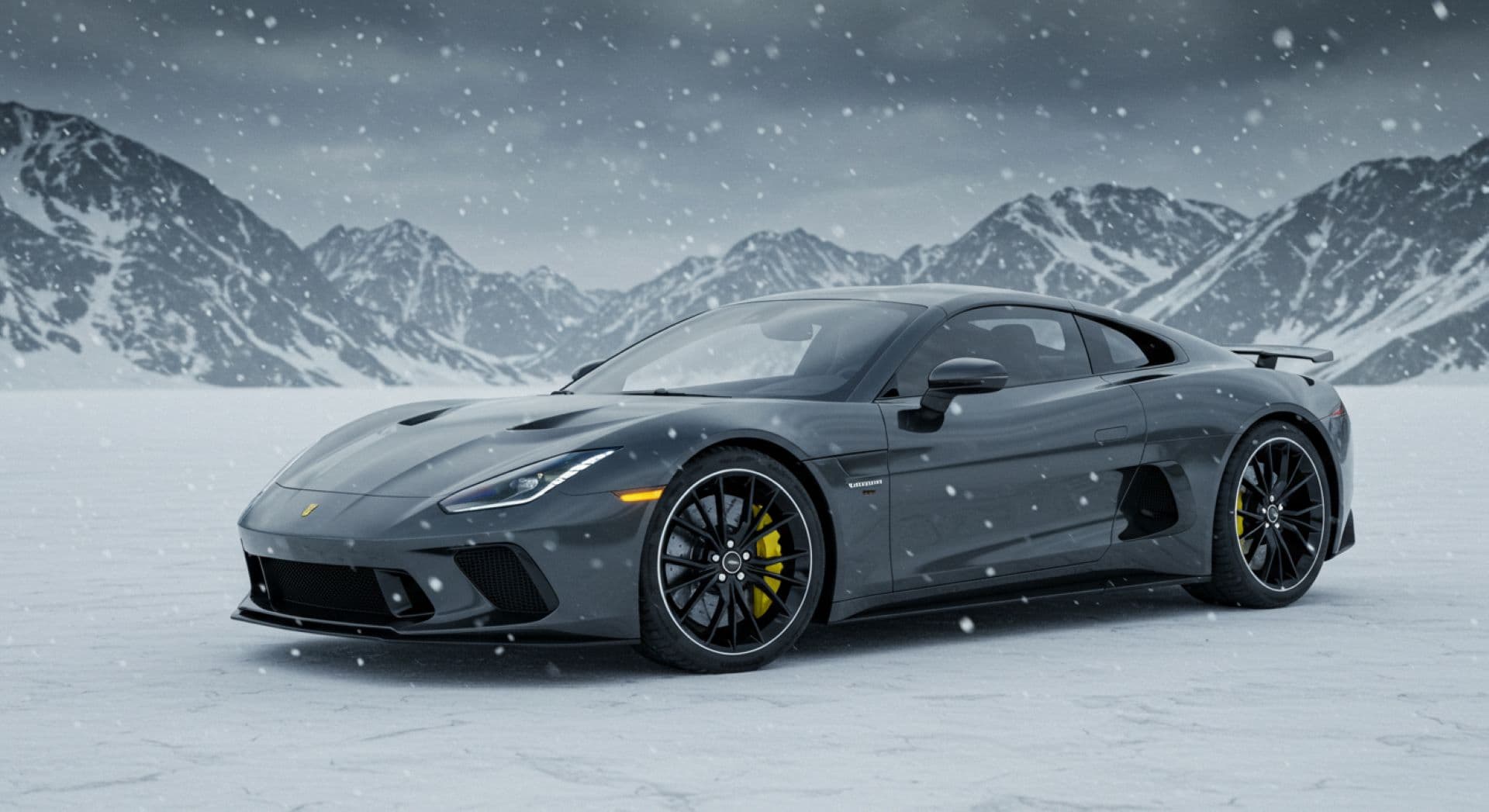
There is a certain magic in the sound of a supercar engine revving, a whisper of excitement that stirs the soul of automotive enthusiasts. From the moment these high-performance machines graced the roads, they were more than just vehicles; they were symbols of aspiration, speed, and an almost mythical sense of exclusivity. The allure of owning a supercar is timeless, rooted in a collective dream shared by car lovers worldwide. The dream was not just about speed or luxuryÔÇöit was about escaping the ordinary, about being part of something extraordinary.
In the world of supercars, the car itself became a canvas for dreams, a vessel for every enthusiast's wildest desires. The likes of Ferrari, Lamborghini, and Porsche did not simply sell carsÔÇöthey sold experiences, emotions, and fantasies that transcended the mundane. They built a culture around their machines, making each launch a spectacle, each model a legend in the making. For decades, advertising has played a pivotal role in bringing these dreams to life, drawing enthusiasts into a world where performance is not just about numbers but about an emotional connection.
This article explores how high-performance vehicles, and the brands behind them, have been marketed over the years. It looks at how advertising has shaped the mystique surrounding these machines and how nostalgia plays an essential role in maintaining the supercar dream. Through historical milestones and iconic campaigns, we will uncover the strategies that have made these cars symbols of prestige, power, and an unwavering passion for automotive excellence.
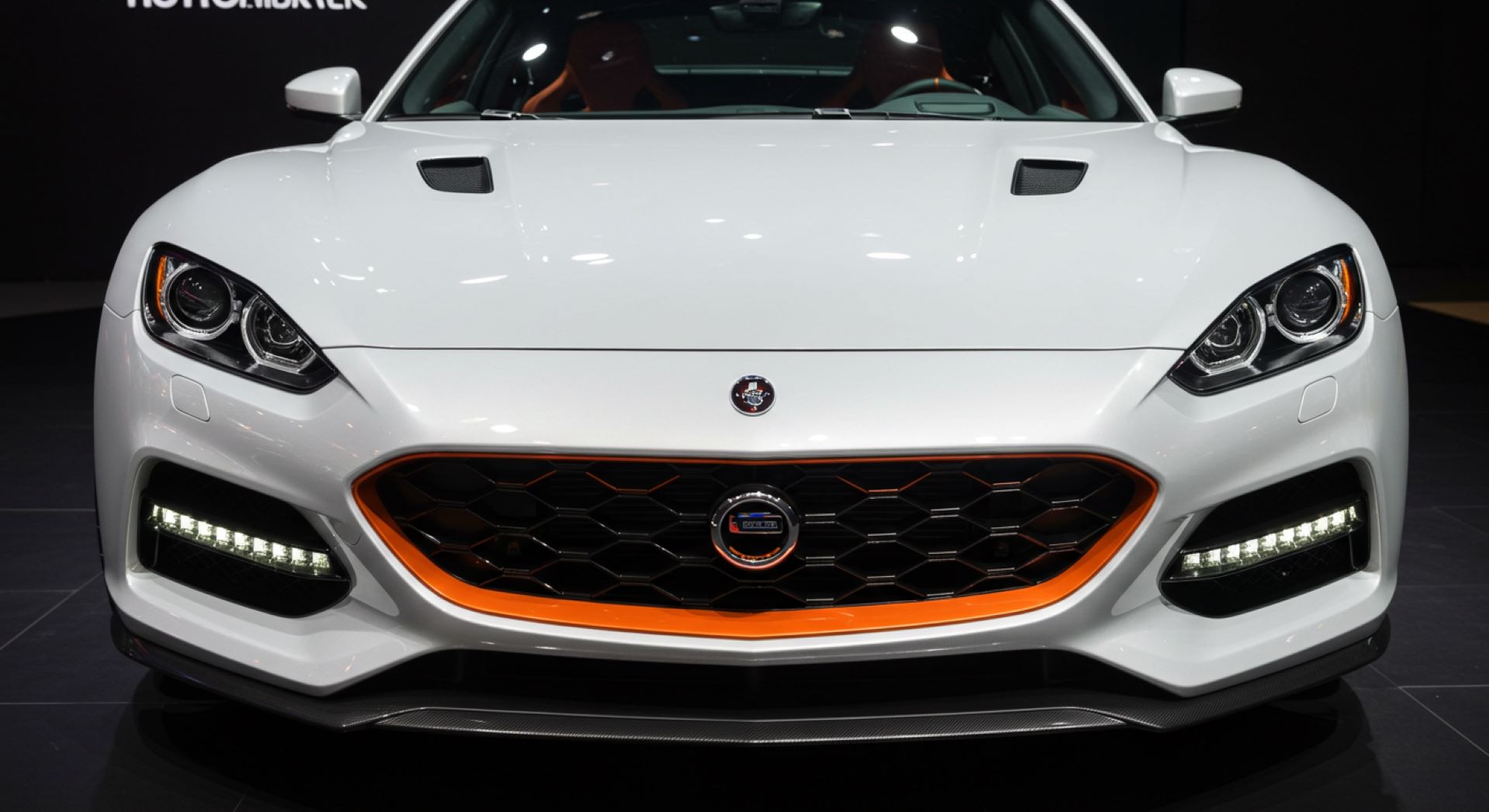
Historical Overview of Supercar Advertising
The journey of supercar advertising began long before the internet age, in a time when print ads were the prime vehicle for communication. The 1960s and 1970s marked a golden era of automobile marketing, with brands like Ferrari, Lamborghini, and Porsche shaping the culture of high-performance vehicles through strategic ad campaigns.
Ferrari, in particular, tapped into the allure of racing heritage. Their print advertisements during the 1960s and 1970s often highlighted their success on the racetrack, connecting their cars to the thrill and prestige of motorsport. The Ferrari 250 GTO, for example, was advertised as the car of champions, linking the performance of the vehicle to legendary drivers like Stirling Moss and Enzo FerrariÔÇÖs commitment to innovation. These ads were less about the cars themselves and more about what they representedÔÇöspeed, legacy, and victory.
Lamborghini, on the other hand, took a different approach. Born out of a rivalry with Ferrari, LamborghiniÔÇÖs early marketing focused on challenging the status quo. Their advertisements in the 1960s were bold, often emphasizing the luxury and exclusivity of the Lamborghini brand. The infamous "Lamborghini Miura" ad, for instance, used the tagline "The Most Beautiful Car in the World" to capture the essence of automotive artistry. Lamborghini's marketing was never about subtletyÔÇöit was about making a statement, both visually and emotionally.
As the decades rolled on, so too did the advertising strategies. The 1980s saw the rise of television commercials, allowing brands to amplify the emotional experience of driving a supercar. High-octane footage of cars speeding through scenic landscapes, the roar of the engine, and the glint of sunlight off polished bodies became hallmarks of the genre. In the 1990s and 2000s, digital media began to take root, further amplifying the reach and power of supercar advertisements. Online campaigns, websites, and later, social media, opened new avenues for reaching potential buyersÔÇöespecially younger, tech-savvy generations.
From print to television to the digital age, one thing remained constant: the need to evoke a sense of awe and aspiration in the audience. The vehicles werenÔÇÖt just products; they were dreams on wheels, and the marketing needed to reflect that.
Nostalgia in Marketing: How Brands Leverage Heritage
The role of nostalgia in marketing has become more crucial in recent years, especially in the world of supercars. Brands like Ferrari and Lamborghini have long understood the power of their histories, and they use that heritage to evoke feelings of longing and nostalgia. For many automotive enthusiasts, these brands arenÔÇÖt just namesÔÇöthey are part of their identity, their passion, and their dreams.
A prime example is FerrariÔÇÖs use of vintage design elements in their modern campaigns. In their advertising for the Ferrari 488 GTB, the brand skillfully blended the past with the present. By showcasing their racing historyÔÇölike the iconic Ferrari 250 GTO alongside their modern modelsÔÇöFerrari reminded enthusiasts of its rich lineage. The visual continuity between the past and present creates a bond between generations of car lovers, making them feel connected to a shared legacy.
Lamborghini, too, has capitalized on nostalgia by referencing its bold past. Their marketing often highlights their rebellious spirit, harkening back to the 1960s when Ferruccio LamborghiniÔÇÖs cars were designed to challenge FerrariÔÇÖs dominance. Their modern ads, featuring models like the Lamborghini Aventador, often include subtle nods to their heritage, using design cues reminiscent of the Miura or Countach to remind viewers of Lamborghini's avant-garde origins. This sense of history makes the supercar more than just a car; it makes it a piece of history.
Nostalgia plays a crucial role in the emotional appeal of supercar advertising because it speaks to the deep connection enthusiasts have with a brandÔÇÖs past. It allows them to relive the golden age of performance cars while simultaneously engaging with cutting-edge innovations. For many, itÔÇÖs not just about owning the latest modelÔÇöitÔÇÖs about owning a piece of history.
Iconic Supercar Campaigns
No discussion of supercar advertising would be complete without highlighting the campaigns that have redefined how we view high-performance vehicles. Two campaigns stand out: FerrariÔÇÖs "Magic Happens" and LamborghiniÔÇÖs unapologetically bold advertisements.
FerrariÔÇÖs "Magic Happens" campaign, launched in the early 2000s, was an emotional masterstroke. The ad featured breathtaking visuals of the Ferrari 430 Scuderia gliding through the Italian countryside, set to an orchestral soundtrack. The ad was not just about showing the car in actionÔÇöit was about creating a sense of wonder. The tagline, "Magic happens when you drive a Ferrari," encapsulated the almost mythical aura surrounding the brand. The ad was a powerful reminder that Ferrari was not just a carÔÇöit was an experience that transcended the ordinary.
LamborghiniÔÇÖs campaigns have always been bolder. The 2000s saw Lamborghini embracing its rebellious spirit in its advertisements. Their ads featured the Lamborghini Murci├®lago in dramatic settings, emphasizing its aggressive design and unrivaled performance. One of the most memorable moments in LamborghiniÔÇÖs history of advertising came with their famous print ad for the Lamborghini Gallardo. Featuring the image of a high-performance car beside a fiery sunset, the slogan "The only thing more beautiful than the worldÔÇÖs most powerful sports car is the worldÔÇÖs most powerful sports car" boldly captured the essence of LamborghiniÔÇÖs ethos.
These campaigns were not merely advertisements; they were declarations of each brandÔÇÖs identity. They conveyed not just the attributes of the cars but the emotions they evoked. The legacy of these ads is felt today, as they continue to influence how supercars are marketed and how they resonate with car enthusiasts worldwide.
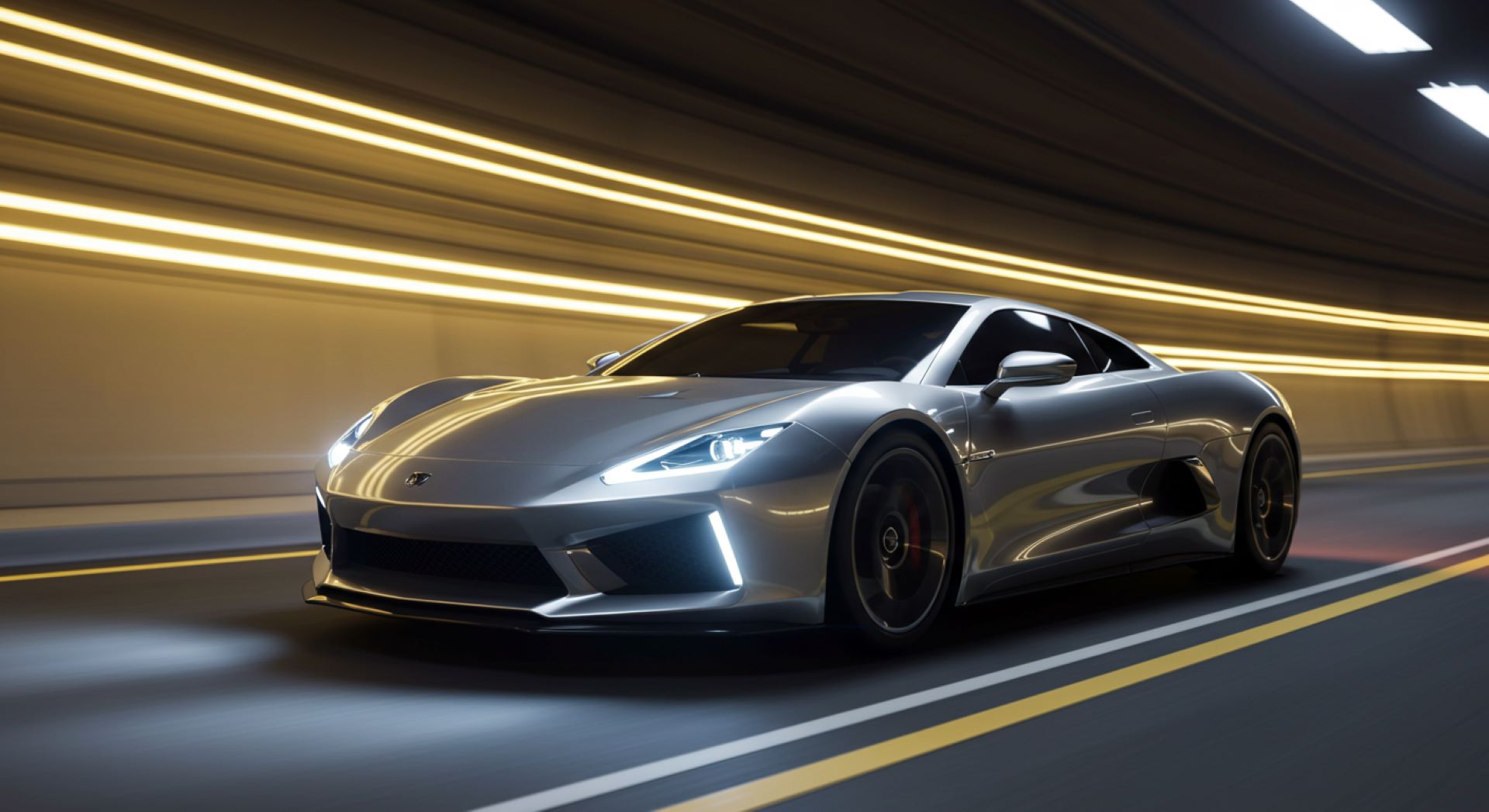
The Role of Emotion in Supercar Advertising
Emotion is at the heart of supercar advertising. These machines are more than just fast vehiclesÔÇöthey are symbols of power, prestige, and the pursuit of perfection. Supercar brands understand that in order to captivate their audience, they must create a deep emotional connection that resonates beyond the product itself.
For example, PorscheÔÇÖs marketing has always focused on the idea of performance as an emotional experience. Their tagline "There is no substitute" conveys not just the technical superiority of their cars, but the emotional fulfillment of driving one. Porsche ads often focus on the visceral thrill of speed, the excitement of precision engineering, and the satisfaction that comes with owning a piece of automotive excellence.
Similarly, BugattiÔÇÖs advertising is steeped in luxury and exclusivity. Their ads emphasize the feeling of owning a car that is, in many ways, unattainable. The sense of power and prestige that comes with driving a Bugatti is often communicated through serene visuals of the car in picturesque settings, further elevating the fantasy that accompanies such a purchase.
Supercar advertisements often tap into our deepest desires: the need for status, the thrill of the chase, and the ultimate sense of achievement. Through their evocative use of emotion, brands turn their cars into more than just machinesÔÇöthey transform them into dreams made real.
Modern Techniques in Marketing Supercars
In the digital age, supercar brands have adapted their marketing strategies to include a wealth of modern techniques. Digital marketing, influencer partnerships, and social media campaigns have become integral to reaching todayÔÇÖs tech-savvy audience. Supercars are no longer just showcased in glossy magazines or high-budget commercialsÔÇötheyÔÇÖre also prominent across Instagram, YouTube, and TikTok, where enthusiasts can experience the cars in ways that were previously unimaginable.
Virtual reality (VR) and augmented reality (AR) have also begun to play an important role in supercar marketing. Brands like Ferrari and Porsche have embraced VR to offer potential buyers virtual test drives or tours of their vehicles. These immersive experiences allow consumers to engage with the brand in a more personal and interactive way, creating a deeper connection to the product.
However, even as technology continues to shape the landscape, supercar marketing remains anchored in nostalgia. The focus on heritage, performance, and exclusivity remains as strong as ever, proving that while the methods may evolve, the core message of the supercar dream stays the same.
The Influence of Pop Culture and Media
The role of media and pop culture in shaping the supercar dream cannot be overstated. Movies, television, and music have played a key role in elevating supercars to an almost mythical status. Films like The Fast and the Furious and James Bond have turned brands like Nissan, Aston Martin, and Lamborghini into cultural icons. These films used high-performance cars to symbolize speed, power, and heroism, further amplifying their appeal.
Supercar brands have leveraged their appearances in film and media to boost their brand visibility. For example, Aston MartinÔÇÖs collaboration with the James Bond franchise elevated its image, and the iconic DB5 became synonymous with elegance, adventure, and a certain sophisticated edge. LamborghiniÔÇÖs bold, angular designs were showcased in The Wolf of Wall Street, cementing their association with wealth, success, and rebellion.
By tapping into pop culture, supercar brands have managed to keep their image fresh and relevant to younger generations while maintaining their prestigious legacy.
The Ever-Present Dream
Supercar marketing is not just about selling a car; itÔÇÖs about selling a lifestyle, a dream, and a piece of automotive history. Through their clever advertising strategies, supercar brands have managed to tap into universal desires for excitement, status, and performance. Whether through nostalgic references to their racing heritage or using modern technologies to create immersive experiences, they have managed to keep the dream of owning a supercar alive.
As the automotive world continues to evolve, so too will the marketing strategies behind these high-performance machines. But one thing is certain: the supercar dream will remain a potent symbol of human ambition, a testament to the beauty and thrill of driving the extraordinary.
Breyten Odendaal
Specializing in high-performance automotive advertising and digital marketing solutions, delivering cutting-edge insights and the latest news shaping the automotive industry in South Africa.
More From Advertising

Automotive Advertising in 2026: Selling Confidence in a More Competitive Market
As South Africa’s vehicle market becomes more competitive, automotive advertising needs to do more than announce a price or specification. It needs to help buyers understand value, ownership costs and why a vehicle suits their lives.

Automotive Digital Ads in South Africa: A Shift
Exploring how South Africa’s automotive advertising evolved from print and broadcast to data-driven, programmatic digital ecosystems.

The Video Shift in Car Buying Decisions in SA
Explore how video content shapes car purchase decisions in South Africa, comparing short-form and long-form strategies for automotive marketers.