
South Africa doesnÔÇÖt just drive bakkiesÔÇöwe live them. From the red dust of the Karoo to the bustling streets of Johannesburg, the bakkie is more than just a vehicle; itÔÇÖs a declaration. It says, "IÔÇÖm ready for anything." In a country with terrain as diverse as its people, the bakkie has cemented its place as the ride of choice for everyone from farmers and entrepreneurs to surfers and city slickers.
Picture a sunrise in the Drakensberg with a rugged bakkie parked proudly in the foreground, or a convoy of double-cabs heading to a rugby match in Cape Town. This isnÔÇÖt just clever marketingÔÇöitÔÇÖs a mirror reflecting our everyday lives. South AfricaÔÇÖs love affair with the bakkie goes back decades, and its legacy continues to be written on every highway, dirt track, and township street.
In this article, weÔÇÖll explore the fascinating evolution of the bakkie in South AfricaÔÇöfrom its humble beginnings to its status as a cultural and marketing icon. WeÔÇÖll dive into the historical roots, the powerful emotional connection many South Africans have with their bakkies, and how advertisers have leveraged this bond to sell not just cars, but an entire lifestyle.
Historical Context
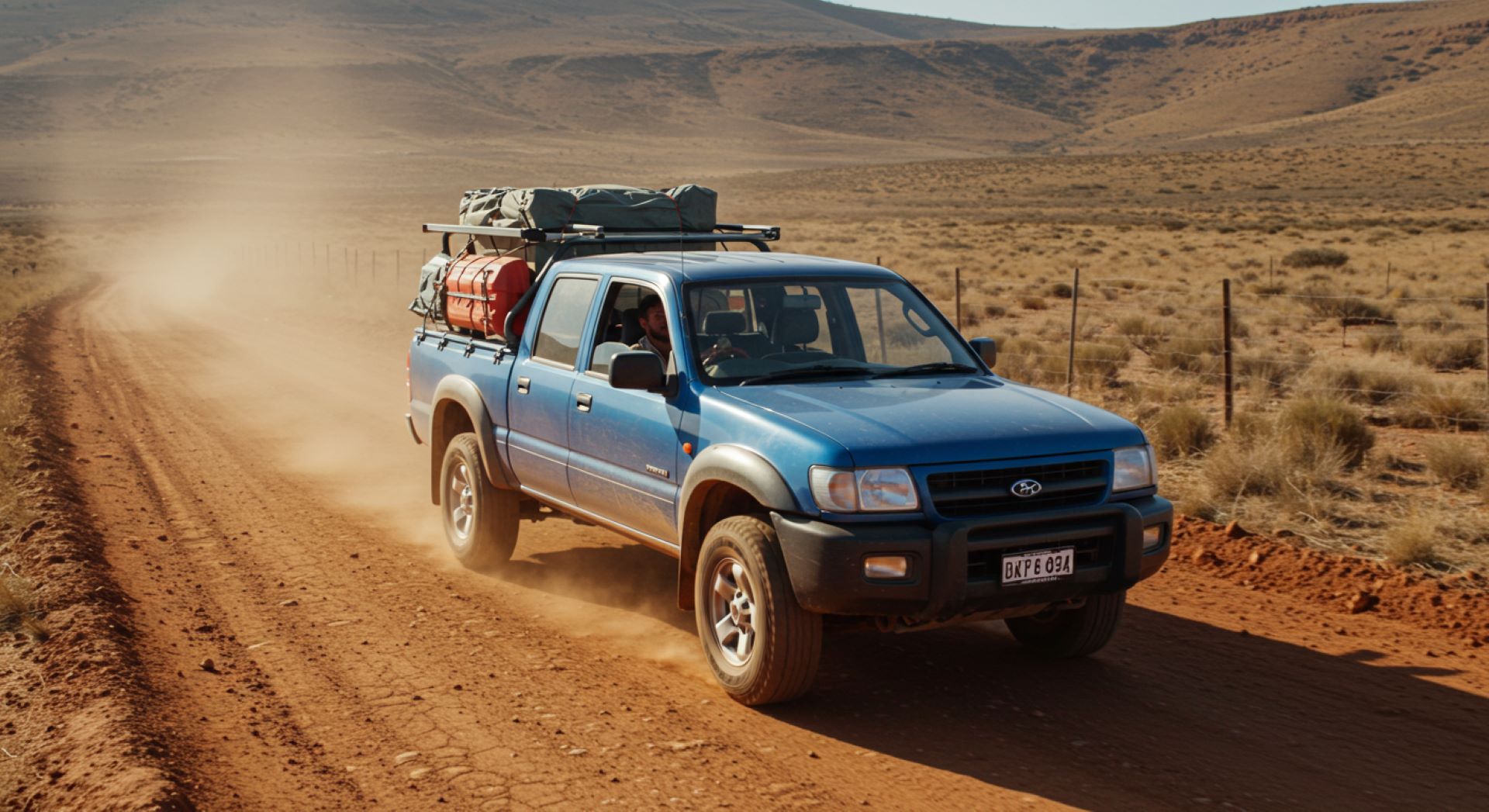
The story of the South African bakkie begins in the mid-20th century. As the countryÔÇÖs economic backbone leaned heavily on mining and agriculture, there was a growing need for vehicles that could shoulder both heavy loads and long distances. Enter the bakkie: a no-frills workhorse that got the job done.
The first locally assembled bakkies, such as the Chevrolet El Camino and Ford Cortina pickup, were marketed as practical tools for farmers and small business owners. In the early days, bakkies werenÔÇÖt glamorousÔÇöthey were reliable. And that was enough. These early models helped establish the reputation of bakkies as durable, dependable machines.
Marketing back then was straightforward. A print ad might read, ÔÇ£Strong. Reliable. Built for Africa.ÔÇØ The focus was on grit and utility, often featuring bakkies loaded with sacks of mielies or crossing rugged terrain. Local dealerships knew their customers well: blue-collar workers, tradesmen, and anyone needing a tough, multi-purpose vehicle.
By the 1980s, bakkies had begun to evolve. Japanese manufacturers like Toyota and Nissan entered the fray, bringing vehicles like the Hilux and Hardbody that would become legends in their own right. These models combined toughness with improved engineering and a touch of comfort, attracting a broader customer base.
Marketing also started shifting in tone. It wasnÔÇÖt just about work anymore. Bakkies were now part of the family. They could take you from the construction site to the braai. Ads began to showcase families camping, surfing, and off-roading, adding layers of lifestyle appeal to the traditional utility narrative.
The Bakkie as a Cultural Symbol
Fast forward to today, and the bakkie is deeply ingrained in South African identity. ItÔÇÖs more than metal and horsepowerÔÇöitÔÇÖs a cultural statement. It represents freedom, endurance, and the kind of down-to-earth practicality that resonates with millions.
Why has the bakkie captured the heart of the nation so completely? Partly because it mirrors our way of life. WeÔÇÖre a people who make plans (ÔÇ£weÔÇÖll make a planÔÇØ), who arenÔÇÖt afraid to get our hands dirty, who live for road trips and spur-of-the-moment adventures. The bakkie embodies this spirit perfectly.
Bakkies are everywhere. From township entrepreneurs hauling goods, to luxury double-cab Amaroks pulling into wine estates, the bakkie crosses social and economic lines. ItÔÇÖs aspirational and accessible. ItÔÇÖs a vehicle for the worker and the dreamer.
In interviews with bakkie owners across the country, common themes emerge: reliability, versatility, and pride. One Durban-based Hilux owner put it best: ÔÇ£My bakkie isnÔÇÖt just my rideÔÇöitÔÇÖs my office, my weekend getaway, and my backup plan all in one.ÔÇØ
The emotional resonance is real. Bakkies are often passed down through generations, lovingly maintained and upgraded. TheyÔÇÖre present in countless family memoriesÔÇöfrom school runs and beach holidays to weddings and funerals. No wonder they occupy such a revered place in our collective psyche.
Marketing Strategies
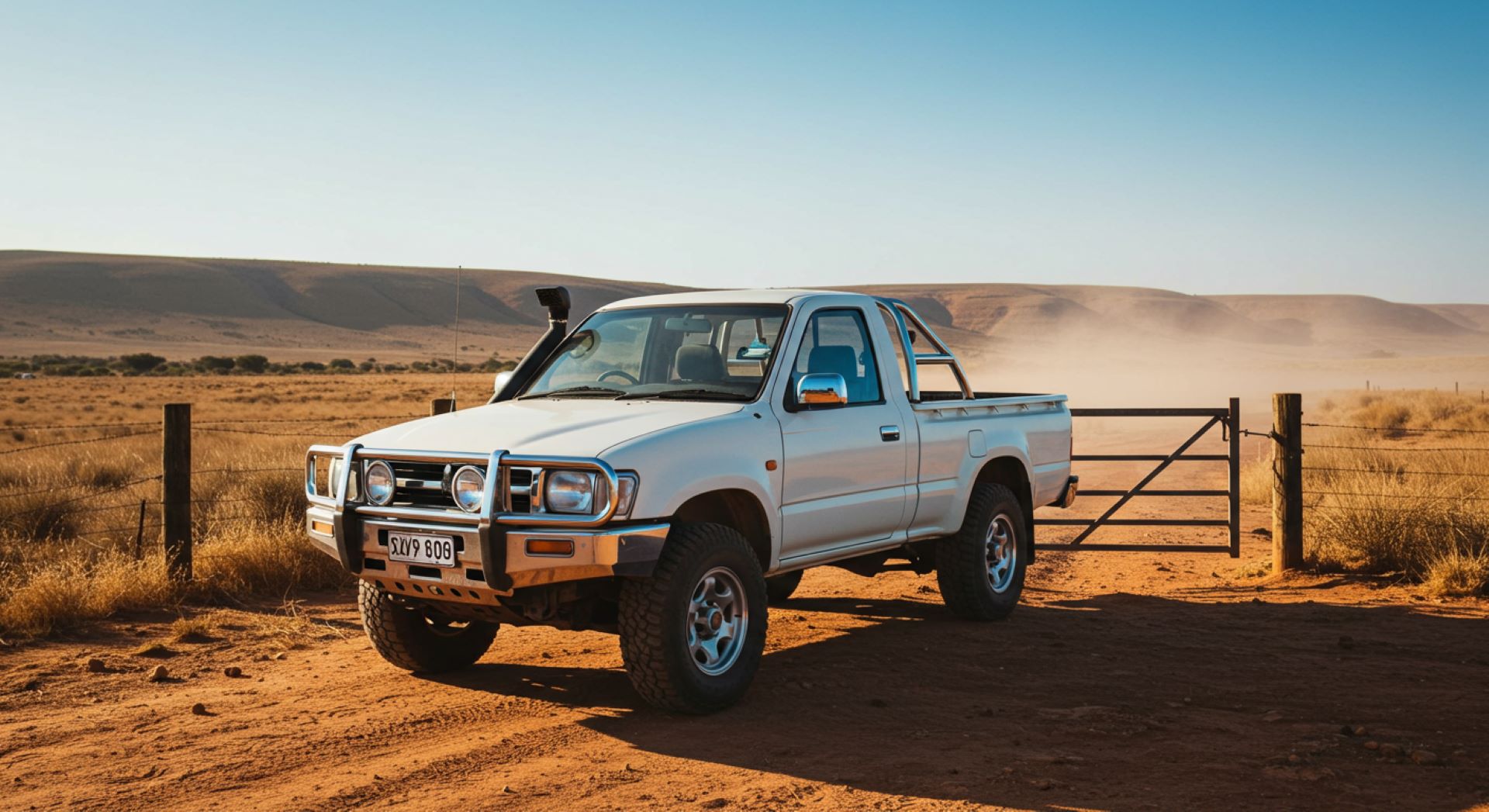
Automotive marketers have long recognised the power of the bakkie as a symbol. South African ad campaigns donÔÇÖt just sell horsepowerÔÇöthey sell heart. They tap into emotion, nostalgia, and national pride.
Consider ToyotaÔÇÖs long-running Hilux campaigns. With taglines like ÔÇ£Tougher than ToughÔÇØ and unforgettable commercials showing Hiluxes surviving floods, fires, and rhino charges, Toyota masterfully positioned its bakkie as indestructible. And viewers bought into the legendÔÇöliterally and figuratively.
VolkswagenÔÇÖs Amarok took a slightly different route, blending rugged appeal with urban sophistication. Campaigns showcased stylish city life interwoven with off-road capability, appealing to a new generation of lifestyle-conscious drivers. The message? You can have your craft beer and climb mountains too.
NissanÔÇÖs ÔÇ£Built for the BraveÔÇØ campaign for the Navara leaned into adventure, strength, and South African resilience. It was aspirational but groundedÔÇöexactly what the market demanded.
These campaigns use every tool in the box: television, print, radio, digital, influencer partnerships, and experiential marketing. From sponsoring sporting events like the Currie Cup to partnering with adventure tourism companies, brands make sure the bakkie is always part of the action.
Social media has added a whole new dimension. Instagram and TikTok are filled with bakkie builds, 4x4 trails, and overlanding content. Influencers and enthusiasts share real-life adventures, providing authentic testimonials and fuelling community engagement. In many ways, the bakkie sells itselfÔÇömarketers just provide the stage.
ThereÔÇÖs also a strong element of local storytelling. Ads are often in vernacular languages, featuring familiar landscapes and cultural touchpoints. From isiZulu idioms to Afrikaans humour, brands speak the language of their audienceÔÇöliterally and figuratively.
The Future of Bakkie Marketing
As South AfricaÔÇöand the worldÔÇöaccelerates toward electrification and sustainability, what does the future hold for the humble bakkie? In short: adaptation and reinvention.
Electric bakkies are already in development, with global models like the Rivian R1T and Ford F-150 Lightning paving the way. Locally, the buzz is growing around how manufacturers will tailor these innovations for the South African market. Here, itÔÇÖs not just about going greenÔÇöitÔÇÖs about maintaining that rugged DNA.
Marketers will need to walk a fine line: convincing traditional bakkie lovers that electric can still be tough. Expect campaigns to feature electric bakkies taking on Sani Pass, towing livestock trailers, and enduring Karoo heatwaves. Sustainability wonÔÇÖt just be a talking pointÔÇöitÔÇÖll be an action statement.
ThereÔÇÖs also an opportunity to reposition the bakkie for younger, eco-conscious buyers who value versatility but demand cleaner performance. Think solar charging stations at game reserves, app-based vehicle diagnostics, and silent off-road exploration.
Augmented reality showrooms, immersive VR test drives, and AI-powered personalisation will redefine how bakkies are marketed. But one thing wonÔÇÖt change: the need for authenticity. No amount of tech can replace the gut-feel connection South Africans have with their bakkies.
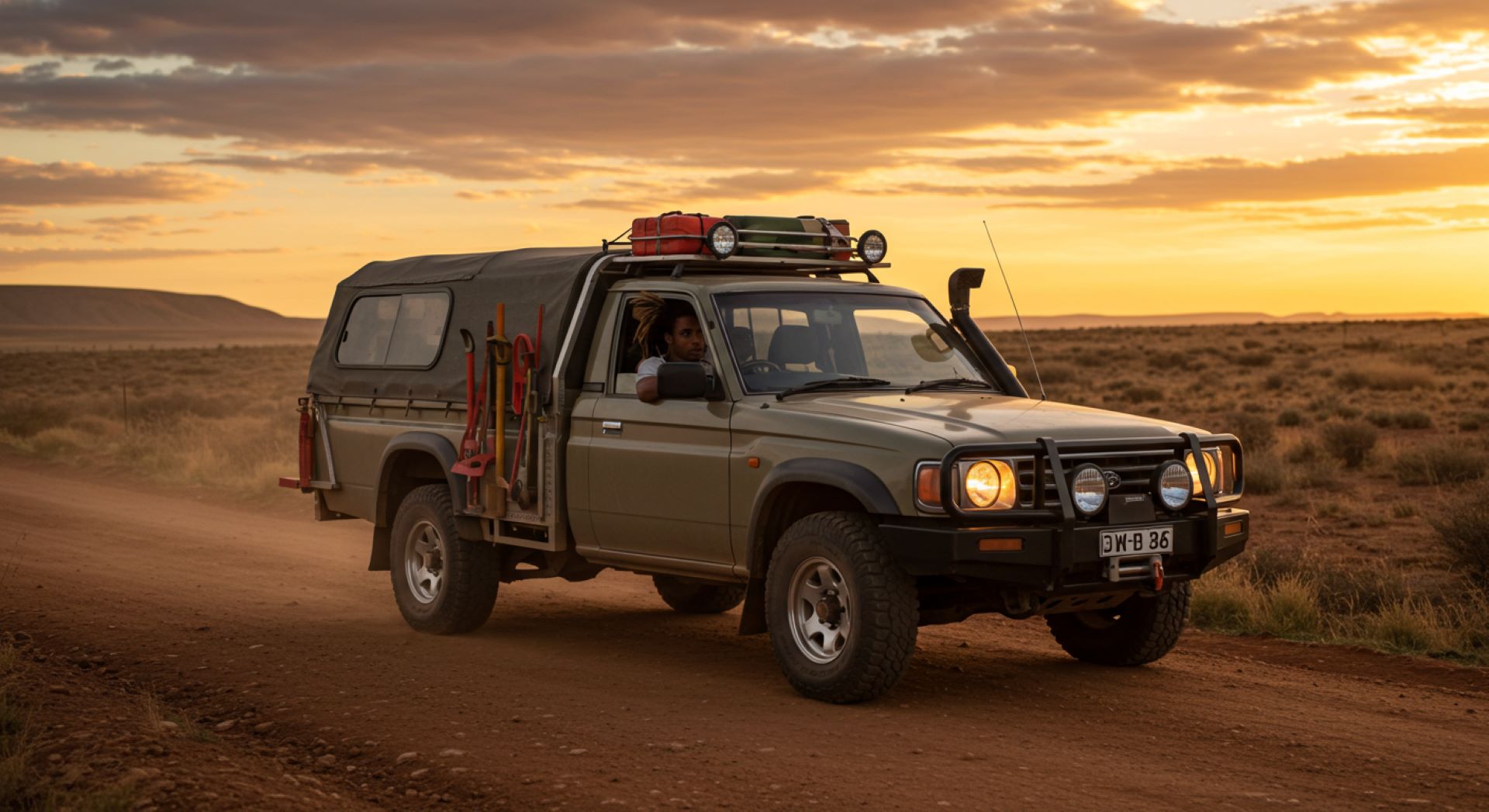
In the story of South African motoring, the bakkie is both hero and narrator. It has evolved from a simple utility vehicle into a deeply cherished iconÔÇöone that embodies grit, adventure, and unity.
Marketers have wisely capitalised on this transformation, crafting campaigns that do more than push metal. They celebrate a lifestyle, a heritage, a heartbeat that thumps in rhythm with the open road.
As we steer toward a future of electric drivetrains and digital dashboards, the essence of the bakkie remains unchanged. It still stands for strength, adaptability, and a uniquely South African zest for life. Whether itÔÇÖs roaring through mud or gliding silently on battery power, the bakkie will always have a place in our heartsÔÇöand our driveways.
Because here, in the Rainbow Nation, you donÔÇÖt just drive a bakkie. You live it.
Breyten Odendaal
Specializing in high-performance automotive advertising and digital marketing solutions, delivering cutting-edge insights and the latest news shaping the automotive industry in South Africa.
More From Advertising

Automotive Advertising in 2026: Selling Confidence in a More Competitive Market
As South Africa’s vehicle market becomes more competitive, automotive advertising needs to do more than announce a price or specification. It needs to help buyers understand value, ownership costs and why a vehicle suits their lives.

Automotive Digital Ads in South Africa: A Shift
Exploring how South Africa’s automotive advertising evolved from print and broadcast to data-driven, programmatic digital ecosystems.

The Video Shift in Car Buying Decisions in SA
Explore how video content shapes car purchase decisions in South Africa, comparing short-form and long-form strategies for automotive marketers.