
The electric vehicle revolution is hereÔÇöyet the road to widespread adoption remains bumpy. With the urgent need to address climate change and reduce our dependency on fossil fuels, electric vehicles (EVs) are no longer a futuristic novelty but a necessary reality. However, the roadblock to this clean transition is undeniable: consumer skepticism. Despite the technological advances, public interest in EVs still lags behind. Range anxiety, cost concerns, and unfamiliarity with charging infrastructure are just a few of the reasons holding back widespread EV adoption. The question now is: How can we overcome this skepticism, particularly through effective advertising, to usher in a new era of electric driving?
Understanding Consumer Skepticism
Electric vehicles face an uphill battle in convincing consumers that they are a viable and desirable alternative to traditional combustion engine cars. Skepticism isnÔÇÖt just a casual hesitation; itÔÇÖs a complex web of deeply ingrained myths and practical concerns that continue to hinder progress.
Range Anxiety: One of the most significant barriers remains the perception that EVs simply canÔÇÖt go far enough on a single charge. According to a 2023 survey by the European Commission, 37% of potential buyers list range anxiety as their primary concern. Despite the fact that most modern EVs offer ranges well over 200 milesÔÇömore than enough for the average daily commuteÔÇömany consumers remain convinced that EVs are impractical for longer trips.
Cost: Another persistent myth is that EVs are too expensive. While EVs tend to have a higher upfront cost, they offer substantial savings in fuel and maintenance over their lifetimes. However, price sensitivity remains a major hurdle. According to a 2022 report by McKinsey, 40% of consumers cite the price of EVs as a major deterrent, even as governments around the world offer incentives and rebates.
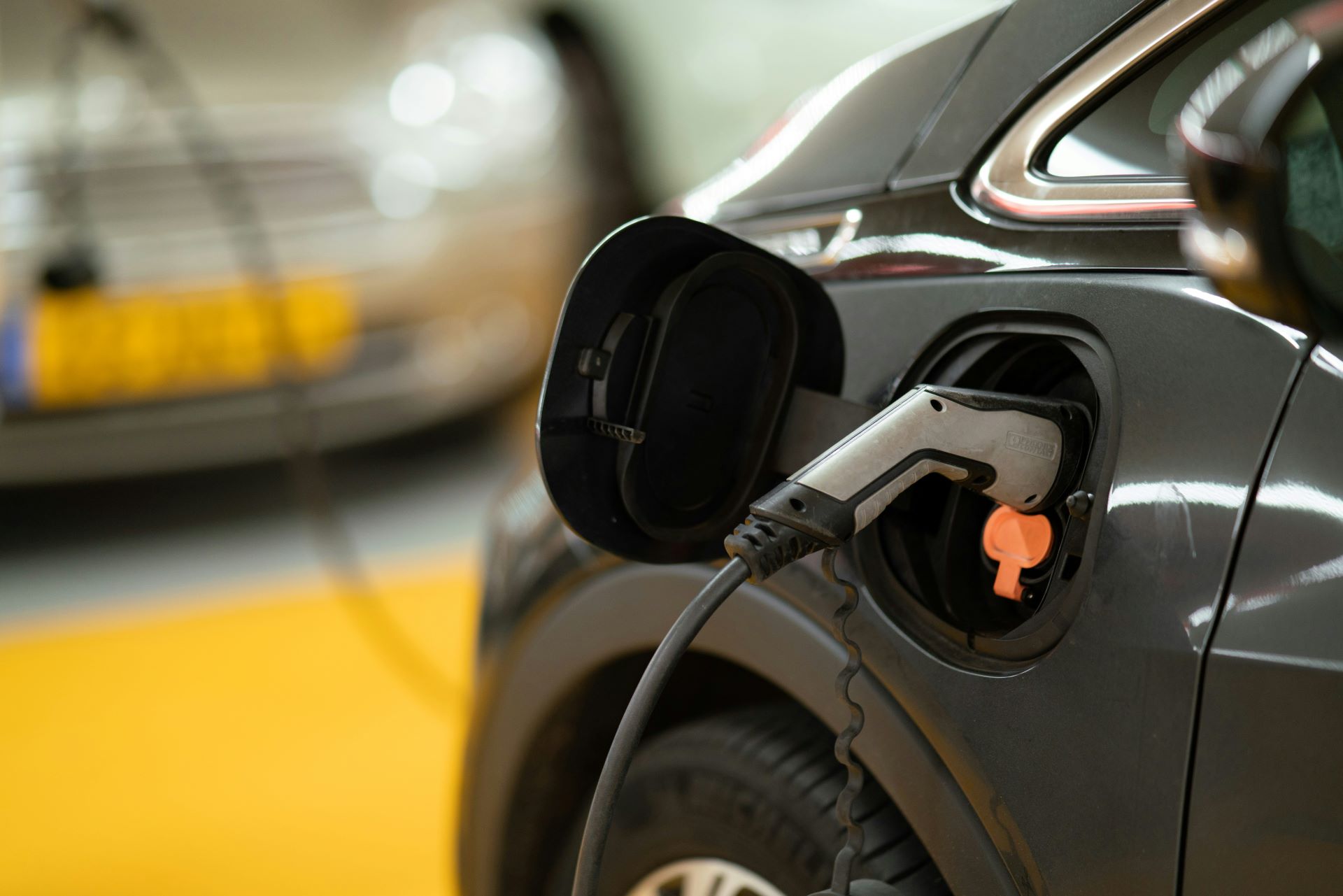
Charging Infrastructure: A lack of accessible and reliable charging stations remains a key concern. Although the number of charging points is steadily growing, 30% of U.S. consumers, according to a 2023 Consumer Reports survey, still express doubt over whether they could find a charging station when needed. This highlights the persistent fear of ÔÇ£being strandedÔÇØ with no access to a charging point.
Debunking these myths is crucial in overcoming consumer skepticism. Range is no longer the issue it once was, with EVs like the Tesla Model S Long Range pushing over 370 miles. The cost of EVs is also gradually decreasing, and charging infrastructure is rapidly expanding, with innovations like ultra-fast charging networks making long-distance travel more feasible than ever before.
The Role of Advertising in Shaping Perceptions
Advertising has long been a powerful force in shaping public perception, and the automotive industry is no exception. Over the years, car commercials have sold everything from rugged SUVs to sleek sports sedans, often painting an aspirational image of freedom, power, and performance. Now, as EVs shift from niche to mainstream, advertising must evolve to dispel myths and create a new narrative around electric mobility.
Historically, the advertising of EVs has been met with mixed results. Early campaigns were often generic and failed to address the core concerns that consumers had. Take, for example, the early Nissan Leaf advertisementsÔÇöwhile they emphasized eco-friendliness, they did little to address the practical concerns like range or cost. In contrast, campaigns like those from Tesla have been more successful in focusing on the aspirational and technological aspects of EVs, helping to foster excitement and enthusiasm.
But the real challenge lies in how to communicate the practical benefits of EVs without losing sight of the emotional connection that drives consumer purchases. The answer lies in targeted advertising strategies that speak directly to the unique concerns and aspirations of different demographics. For example, younger consumers, who tend to be more eco-conscious, may respond to ads that highlight sustainability and low emissions, while older demographics might be more interested in cost savings and the reliability of modern EV technology.
Effective Strategies for Advertising EVs
To overcome consumer skepticism, automotive brands must go beyond traditional advertising tactics and adopt innovative, targeted strategies. Here are a few key approaches:
Real-Life Testimonials and Storytelling: The power of storytelling cannot be underestimated. Consumers are more likely to connect with a product when they can relate to the experiences of others. Campaigns that feature real EV owners discussing their journeysÔÇöboth literally and figurativelyÔÇöcan create an emotional connection that resonates deeply. For example, BMWÔÇÖs ÔÇ£The Ultimate Driving MachineÔÇØ campaign, featuring real-life EV owners sharing how their vehicles have transformed their lives, could go a long way in making EVs more relatable and approachable.
Collaboration with Influencers and Automotive Experts: In the digital age, influencers wield significant power in shaping consumer behavior. Collaborations with trusted automotive influencers, tech experts, and celebrities who embrace the EV lifestyle can build credibility and awareness among target audiences. Hyundai's partnership with tech influencer Marques Brownlee is an excellent example of how using influencers can demystify complex EV technology and appeal to younger, tech-savvy buyers.
Interactive and Educational Experiences: Interactive advertising is one of the most effective tools for educating skeptical consumers. Augmented reality (AR) and virtual reality (VR) experiences can provide immersive experiences that allow potential buyers to virtually test drive EVs or explore the inner workings of EV technology. Audi's use of augmented reality in showcasing their Q4 e-tron SUV provides a glimpse into the potential of such technology. By integrating these experiences into digital ads or in-store events, brands can offer a more hands-on approach to consumer education.
Demonstrating Technological Advancements: The electric car market is booming with innovation. From ultra-fast charging networks to battery advancements, advertising must focus on the cutting-edge technology driving the future of mobility. Companies like Tesla and Rivian have successfully done this by emphasizing their vehicles' performance and tech capabilities, shifting the conversation from mere environmental benefits to how EVs push the boundaries of whatÔÇÖs possible in automotive technology.
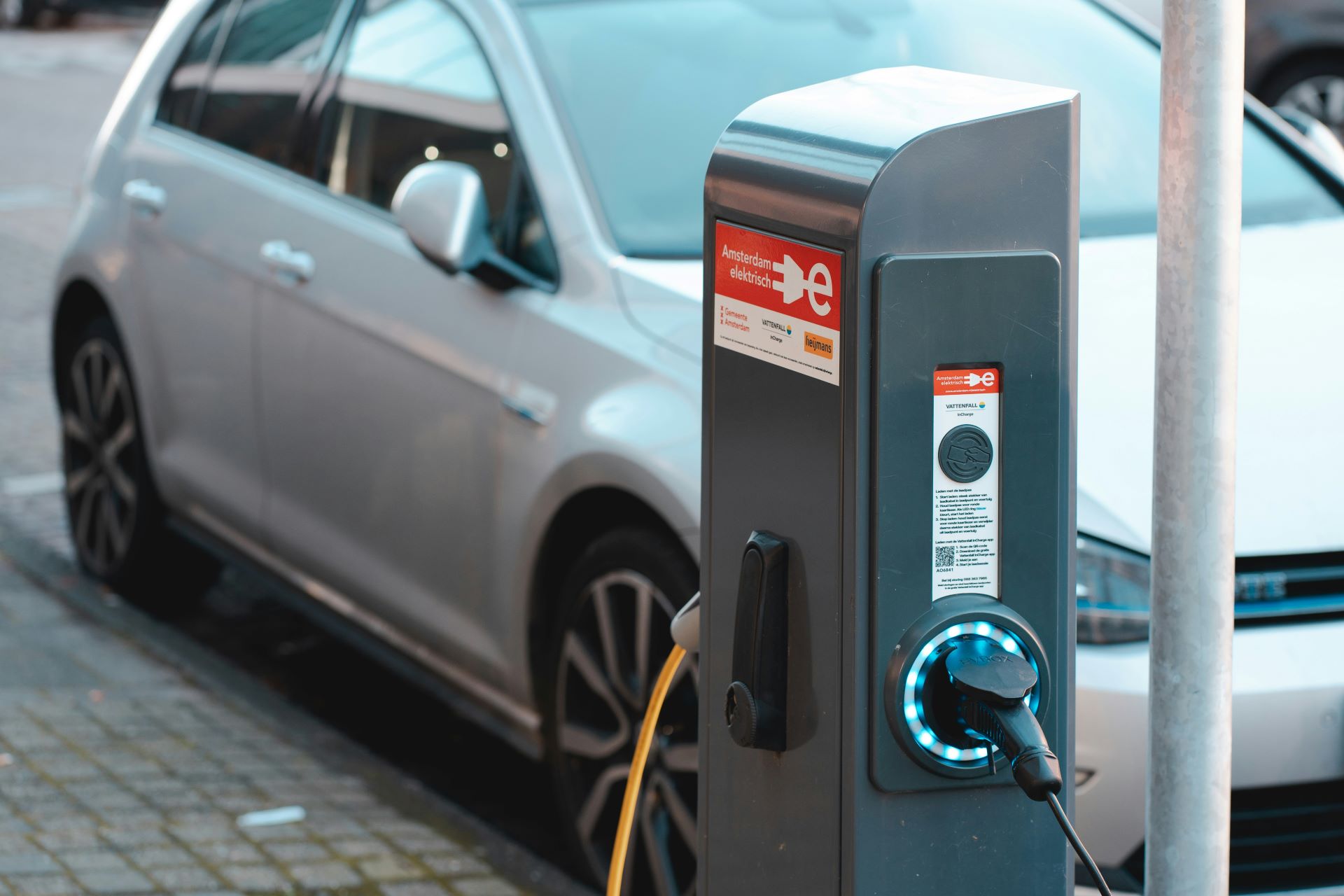
Addressing the Charging Infrastructure Head-On: The lack of charging stations continues to be a top concern for consumers. EV ads that proactively address this issueÔÇöhighlighting the expanding network of charging points or offering incentives for home charging stationsÔÇöcan alleviate the fear of ÔÇ£range anxiety.ÔÇØ VolvoÔÇÖs recent ad campaign promoting its partnership with charging networks to provide easy access to charging stations was a smart move in addressing this very concern.
Leveraging Technology and Data in Advertising
The role of data and technology in modern advertising cannot be overstated. Automotive companies are increasingly relying on data analytics to create highly personalized ads that resonate with consumers. By tracking consumer behavior and preferences, brands can fine-tune their messaging to target specific concerns and interests.
Moreover, technologies like virtual test drives, which allow potential buyers to experience an EV from the comfort of their homes, are becoming an invaluable tool in advertising. Companies like Audi and Porsche are already offering virtual test drives of their electric models, providing consumers with an immersive and informative way to experience EVs before visiting a dealership.
Data-driven advertising also allows brands to measure the effectiveness of their campaigns in real-time, making it easier to adjust messaging and tactics to better address consumer concerns. Whether through targeted social media ads or personalized email marketing, data allows for a more efficient and impactful approach to advertising.
The Urgent Need for Change
The environmental toll of traditional vehicles is undeniable. Air pollution, greenhouse gas emissions, and reliance on non-renewable resources are only a few of the urgent issues we face as a society. The adoption of EVs is no longer a question of choice but a matter of survival for the planet. As automotive enthusiasts, we have a unique opportunity to lead the charge for this transition, influencing our peers and championing the benefits of electric mobility.
Now is the time to embrace change, not only for the sake of technological advancement but for the future of the planet. The automotive industry must rise to the challenge, and advertising plays a crucial role in helping to drive this transformation.
Consumer skepticism about electric vehicles is not an insurmountable obstacleÔÇöitÔÇÖs an opportunity for innovative, targeted advertising to step in and reshape perceptions. By addressing key concerns like range, cost, and infrastructure, and by leveraging technology and real-life testimonials, the automotive industry can break down barriers and accelerate the adoption of EVs. The question is: Will we act fast enough to ensure the future of our planet is driven by sustainable, electric mobility? The time to move forward is now.
Breyten Odendaal
Specializing in high-performance automotive advertising and digital marketing solutions, delivering cutting-edge insights and the latest news shaping the automotive industry in South Africa.
More From Advertising

Automotive Advertising in 2026: Selling Confidence in a More Competitive Market
As South Africa’s vehicle market becomes more competitive, automotive advertising needs to do more than announce a price or specification. It needs to help buyers understand value, ownership costs and why a vehicle suits their lives.

Automotive Digital Ads in South Africa: A Shift
Exploring how South Africa’s automotive advertising evolved from print and broadcast to data-driven, programmatic digital ecosystems.

The Video Shift in Car Buying Decisions in SA
Explore how video content shapes car purchase decisions in South Africa, comparing short-form and long-form strategies for automotive marketers.