
The Rise of the Rolling Home
Once the preserve of nomads, backcountry explorers, and a handful of rugged travellers, the adventure van has emerged as the definitive vehicle of freedom. Once, the image of a mud-splattered Land Rover Defender or a retrofitted Volkswagen Transporter was shorthand for eccentricity or escapism. Today, however, these mobile fortresses of self-sufficiency are commanding mainstream attention, weaving themselves into a cultural fabric that defines aspiration, individuality, and lifestyle. The advertising world, always alert to shifts in consumer identity, has transformed the humble overlander from a fringe pursuit into a symbol of modern freedom and status.
The journey of adventure vans and overlanding from backroads to billboards is one of clever positioning, cultural change, and the persuasive power of storytelling. What was once a niche hobby, limited to those with a map, a toolbox, and a weekend to spare, is now packaged and sold as a new frontier of aspirational living. The shift is not merely about vehiclesÔÇöit is about identity, belonging, and the human craving for authenticity in an increasingly digital age.
Adventure as a Commodity
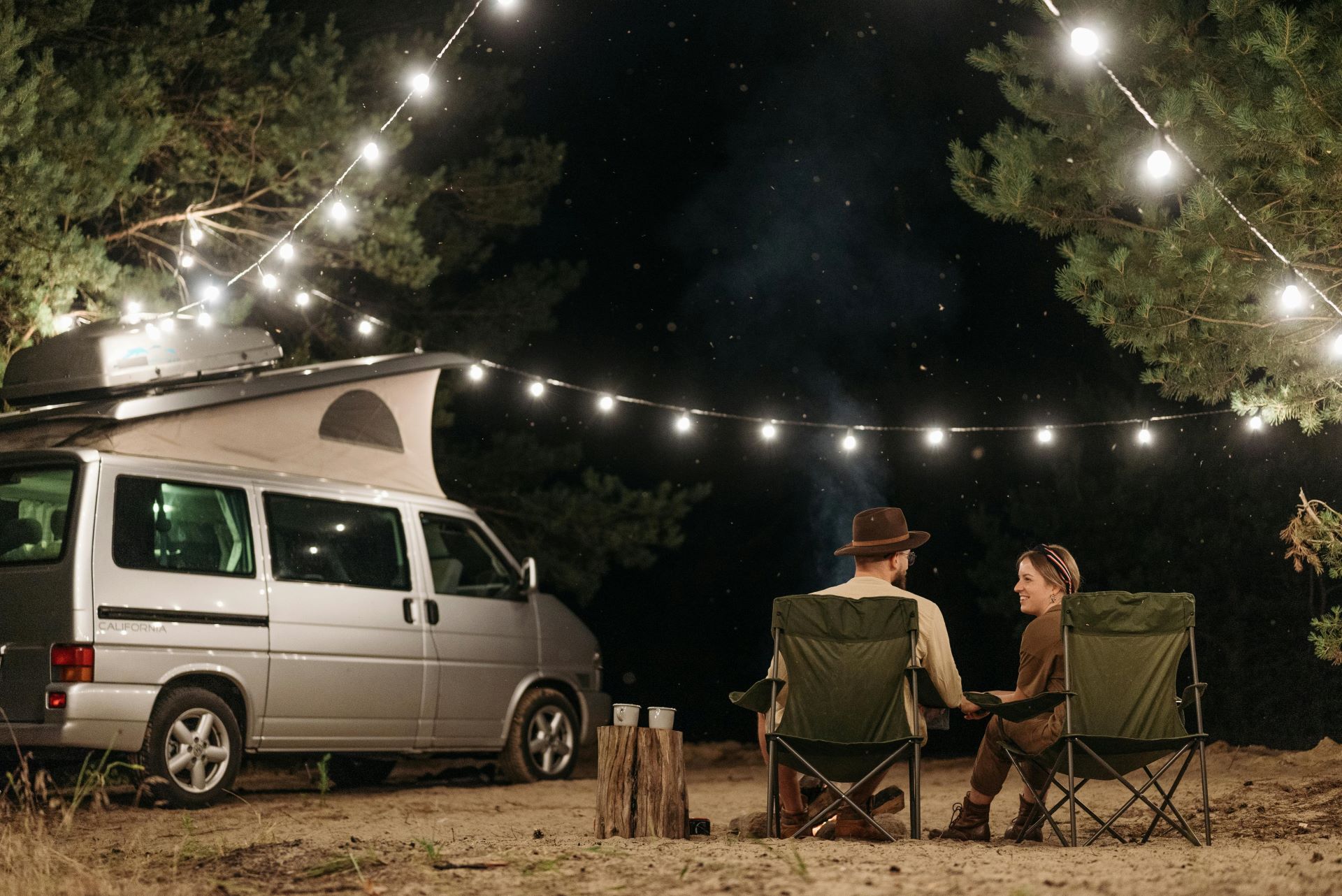
At the core of this evolution is the commercialisation of adventure itself. In decades past, advertising leaned heavily on glossy perfection: the pristine sedan gliding through city streets, or the luxury SUV ferrying a smiling family to their suburban retreat. Adventure vans disrupted that narrative. They introduced a form of imperfectionÔÇömud-caked tyres, unpaved roads, remote landscapesÔÇöthat spoke to a different kind of yearning. Advertisers realised that what consumers craved wasnÔÇÖt just horsepower or leather trim, but the story that came attached to the vehicle.
When brands frame an adventure van not simply as a purchase but as a gatewayÔÇöto untamed wilderness, deeper family bonds, and a community of like-minded wanderersÔÇöthey are selling not steel and rubber, but an ideology. The van becomes a vessel of meaning. A 4x4 overlander is more than transportation; it is independence distilled into a purchase.
This shift has been accelerated by broader cultural trends. The rise of digital fatigue, remote work, and an ecological awareness has fostered disillusionment with consumerismÔÇÖs traditional markers of success. A generation less interested in mortgages and more invested in mobility and flexibility finds in the van not just a vehicle, but a lifestyle blueprint.
The Language of Freedom
Advertising adventure vans has required an entirely different lexicon than that of conventional automotive campaigns. The language of torque, horsepower, and efficiency has given way to the language of freedom, belonging, and narrative. Terms such as ÔÇ£untethered,ÔÇØ ÔÇ£off-grid,ÔÇØ and ÔÇ£self-sufficientÔÇØ dominate campaigns, and imagery of mountains, deserts, and forests has replaced that of glassy skyscrapers and city boulevards.
Copywriters and marketers have cleverly positioned the adventure van not as a rejection of modern living, but as an enhancement of it. Campaigns often blend rugged imagery with subtle hints of comfortÔÇösolar panels that keep your laptop charged, portable Wi-Fi routers ensuring your work-life balance remains intact, or modular interiors that evoke a designer loft in miniature. This is not abandoning society, the messaging insists, but reimagining it.
The cleverness lies in balancing aspiration with accessibility. By crafting stories that feel attainableÔÇöfamilies taking weekend trips, couples finding romance by campfire light, solo adventurers posting awe-inspiring Instagram reelsÔÇöthe industry creates entry points for a wide spectrum of consumers. The subtext is clear: adventure is not out of reach. It waits for you on four wheels.
Influencers, Instagram, and the New Campfire Stories
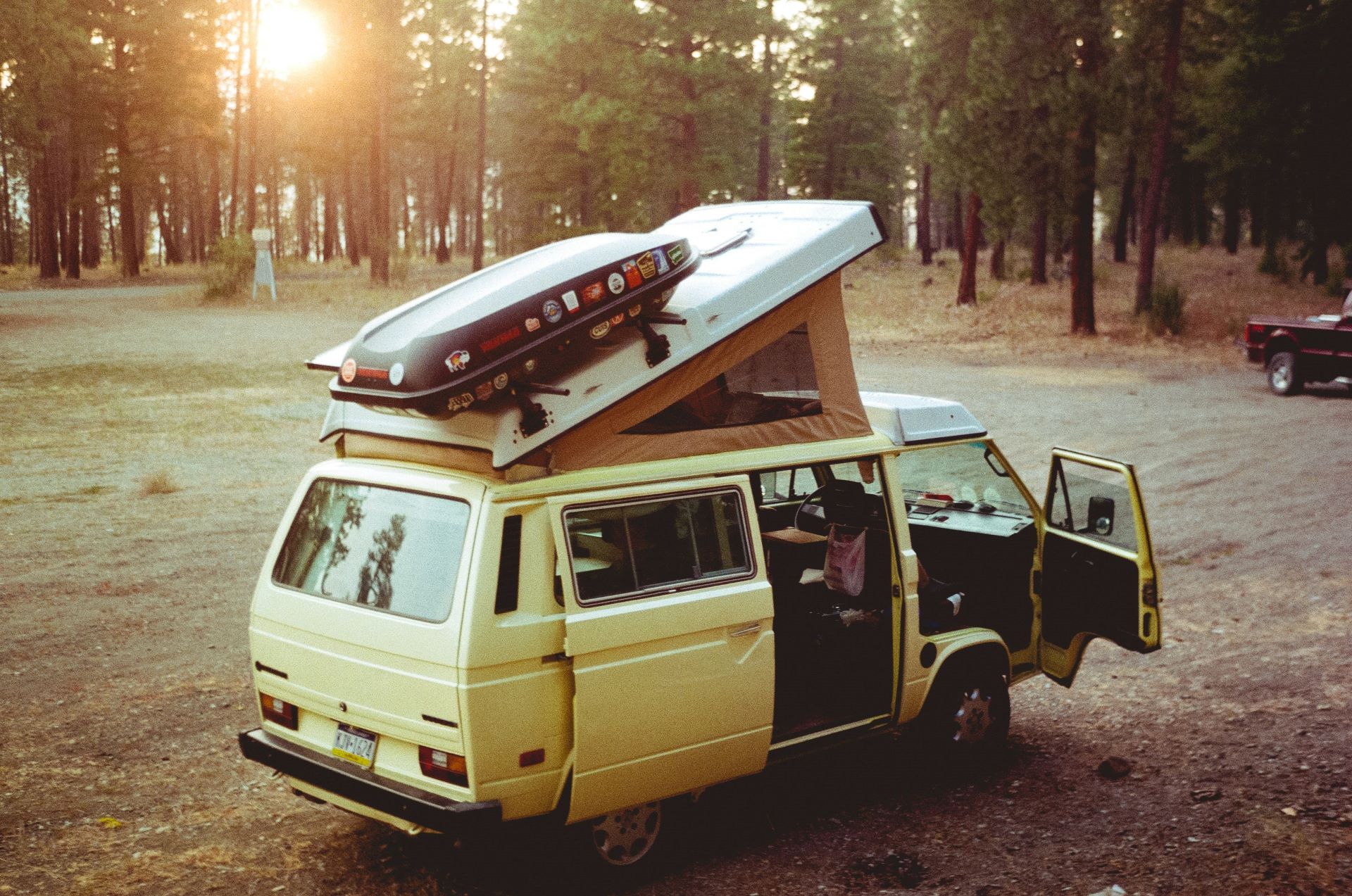
The advertising of overlanders cannot be divorced from the influence of social media. Where campfire tales once spread by word of mouth, todayÔÇÖs narratives are curated on Instagram, TikTok, and YouTube. The aesthetics of van lifeÔÇödreamy sunsets framed by open tailgates, coffee brewing on portable stoves, hammocks strung between pine treesÔÇöare content gold. For advertisers, this visual culture is a gift: user-generated content that doubles as authentic promotion.
Influencers, many of whom live full-time in their vans, have become inadvertent brand ambassadors. Partnerships between vehicle manufacturers, gear brands, and creators blur the lines between authentic storytelling and paid placement. Consumers who might distrust traditional adverts often trust these creators, who share not only the beauty but also the frustrations of life on the road. A brand associated with authenticity gains cultural currency, and the line between lifestyle and advertising fades almost entirely.
The result is a form of advertising that feels less like persuasion and more like aspiration. By scrolling through a feed, consumers are immersed in a tapestry of adventure narratives, each subtly whispering that the dream of van life can be theirs, too.
Overlanding as Luxury
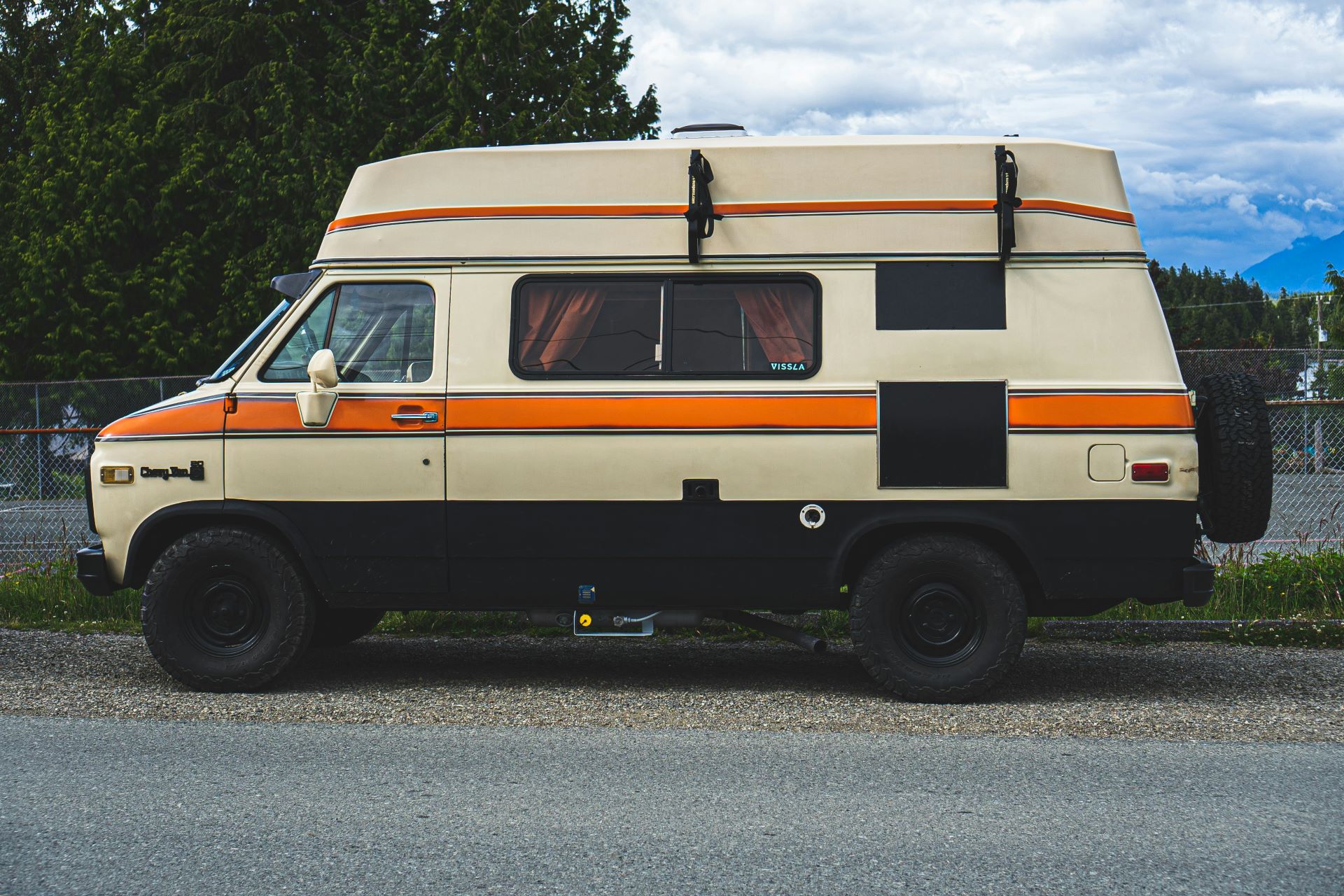
What began as rugged minimalism has inevitably diversified into tiers of luxury. Today, adventure vans are marketed not only to backpackers and outdoor purists but also to affluent professionals seeking curated experiences. High-end brands now sell bespoke overlanders equipped with heated floors, built-in showers, gourmet kitchens, and satellite connectivity. The once utilitarian has become an arena for craftsmanship and status signalling.
Advertising has adapted accordingly. Campaigns for luxury overlanders often mimic those of premium real estate or high-end watches, focusing on exclusivity and individuality. Terms like ÔÇ£bespoke,ÔÇØ ÔÇ£tailored,ÔÇØ and ÔÇ£craftedÔÇØ are paired with imagery of remote landscapes accessible only to the few. These campaigns speak to a consumer who seeks not only freedom but also refinementÔÇöa paradox that the industry exploits masterfully.
Interestingly, this stratification has not alienated the broader movement. Rather, it has expanded the ecosystem. For every luxury van worth hundreds of thousands of dollars, there are budget-friendly options and DIY communities providing entry points for enthusiasts. This inclusivity, deliberate or not, strengthens the cultural hold of the overlanding lifestyle, making it a versatile narrative for advertisers across segments.
Sustainability and the Green Imperative
In an age of climate consciousness, advertising a vehicle that encourages long drives through remote wilderness presents an inherent contradiction. Brands have sought to address this tension by framing overlanding as part of a sustainable ethos. Campaigns often highlight solar panels, efficient energy storage systems, and eco-conscious materials, positioning the van as a tool of low-impact exploration rather than reckless consumption.
Electric adventure vans are now entering the market, accompanied by advertising that frames them as pioneers of a greener frontier. The narrative is no longer just about reaching the remotest places, but doing so responsibly. This appeals strongly to younger demographics, for whom sustainability is not merely a preference but an expectation.
The advertising challenge is delicate: to position overlanding as both indulgence and responsibility, freedom and restraint. Yet, by leaning into themes of stewardship, conservation, and harmony with nature, brands have created a convincing narrative of eco-adventure.
Community as Currency
Unlike many automotive subcultures, overlanding thrives on community. Gatherings, festivals, and caravan expeditions serve as real-world manifestations of the lifestyle, and advertisers have seized on these events as fertile ground for storytelling. By sponsoring gatherings or curating branded experiences, companies insert themselves directly into the social fabric of the movement.
Community is also digital. Online forums, van conversion tutorials, and shared maps of hidden camping spots create a sense of belonging that brands are eager to align with. In this context, advertising is no longer a one-way communication but an invitation to join a tribe. This communal identity is arguably the most powerful selling point of all: to purchase an adventure van is to join a network of dreamers and doers, a family bound not by blood but by the open road.
The Future of Adventure Advertising
The trajectory of overlander advertising suggests its momentum will not fade soon. As the boundaries between work and travel continue to blur, and as consumers increasingly seek authenticity and flexibility, the adventure van will remain a potent symbol. The industryÔÇÖs next frontier may lie in deeper technological integrationÔÇöAI-assisted route planning, autonomous driving for long hauls, or augmented reality tools that enrich remote experiences.
Yet the heart of the narrative will likely remain the same. Adventure vans will continue to be advertised not simply as vehicles, but as vessels of story. Whether framed through the rugged lens of minimalism, the polished mirror of luxury, or the conscientious glow of sustainability, the underlying promise will remain freedom. Advertising will continue to sell the same idea that first drew nomads to the road centuries ago: the belief that the horizon is not a limit but an invitation.
Selling the Dream
The rise of adventure vans and overlanders in advertising is a testament to the industryÔÇÖs ability to transform cultural currents into commercial opportunity. What began as a niche hobby has been reimagined as an aspirational lifestyle, a symbol of independence, creativity, and self-discovery. Advertising has elevated the van from vehicle to icon, and in doing so, has tapped into something deeper than mobilityÔÇöthe human desire for story, connection, and freedom.
In the end, the real product being sold is not the van itself. It is the dream. And in a world where dreams are increasingly commodified, the dream of the open roadÔÇöcurated, branded, and beautifully packagedÔÇöremains one of the most compelling of all.
Breyten Odendaal
Specializing in high-performance automotive advertising and digital marketing solutions, delivering cutting-edge insights and the latest news shaping the automotive industry in South Africa.
More From Advertising

Automotive Advertising in 2026: Selling Confidence in a More Competitive Market
As South Africa’s vehicle market becomes more competitive, automotive advertising needs to do more than announce a price or specification. It needs to help buyers understand value, ownership costs and why a vehicle suits their lives.

Automotive Digital Ads in South Africa: A Shift
Exploring how South Africa’s automotive advertising evolved from print and broadcast to data-driven, programmatic digital ecosystems.

The Video Shift in Car Buying Decisions in SA
Explore how video content shapes car purchase decisions in South Africa, comparing short-form and long-form strategies for automotive marketers.