
Africa stirs something primal in the soul: a longing for wide, open plains, the crunch of gravel under heavy-duty tyres, and a sunrise that spills golden light over a land that dares you to explore it. It is a continent where nature writes its own rules, and those who dare to venture off the beaten path are rewarded with raw, unforgettable experiences. It is this promise of unfiltered adventure that makes Africa the ultimate setting for 4x4 and bakkie marketing campaigns.
The 4x4 and bakkie segment in Africa isnÔÇÖt just about vehiclesÔÇöitÔÇÖs about identity. These vehicles represent grit, dependability, and a yearning for exploration. Whether navigating the muddy trails of the Congo Basin or cruising through NamibiaÔÇÖs sandy expanses, these machines are built for more than just the daily commute.
In this article, we explore how automotive brands use Africa's diverse terrains, cultural nuances, and powerful symbolism to create compelling advertising narratives. From the windswept dunes of the Kalahari to the bustling markets of Nairobi, weÔÇÖll unpack how these brands shape their messaging to resonate with a continent that equates wheels with freedom.
Understanding AfricaÔÇÖs Automotive Landscape
AfricaÔÇÖs love affair with 4x4s and bakkies is no coincidence. ItÔÇÖs born out of necessity, shaped by geography, and sustained by lifestyle. According to McKinsey & Company, the African automotive market is expected to grow by 5% annually, driven by rapid urbanisation, infrastructure expansion, and an increase in middle-class consumers. Yet much of the continent still relies on rural access and off-road capability, giving 4x4s and bakkies a unique edge.
Southern AfricaÔÇöparticularly South Africa, Botswana, and NamibiaÔÇöboasts some of the highest per capita ownership rates of bakkies and 4x4s. South Africa, for instance, has seen consistent sales of models like the Toyota Hilux and Ford Ranger, which dominate the light commercial vehicle (LCV) market. These are not just workhorses; theyÔÇÖre family vehicles, overlanding companions, and status symbols.
Meanwhile, East African nations like Kenya, Uganda, and Tanzania have a thriving second-hand market for imported 4x4s, thanks to the rugged conditions of rural areas and national parks. In West Africa, Nigeria and Ghana show growing interest in pickups that double as both business assets and personal transport.
Socio-economic factors also play a pivotal role. In areas with limited public transport infrastructure, a reliable 4x4 isnÔÇÖt a luxuryÔÇöitÔÇÖs a lifeline. Furthermore, the appeal of self-reliance and entrepreneurship often translates into the purchase of bakkies for small-scale logistics, farming, and construction work.
The Role of Adventure in Marketing
Adventure sells. More importantly, it sells in Africa because it feels real. In a world saturated by digital escapism, the continent still offers authentic, visceral experiences. This makes it the perfect canvas for marketing campaigns that celebrate exploration, endurance, and the great unknown.
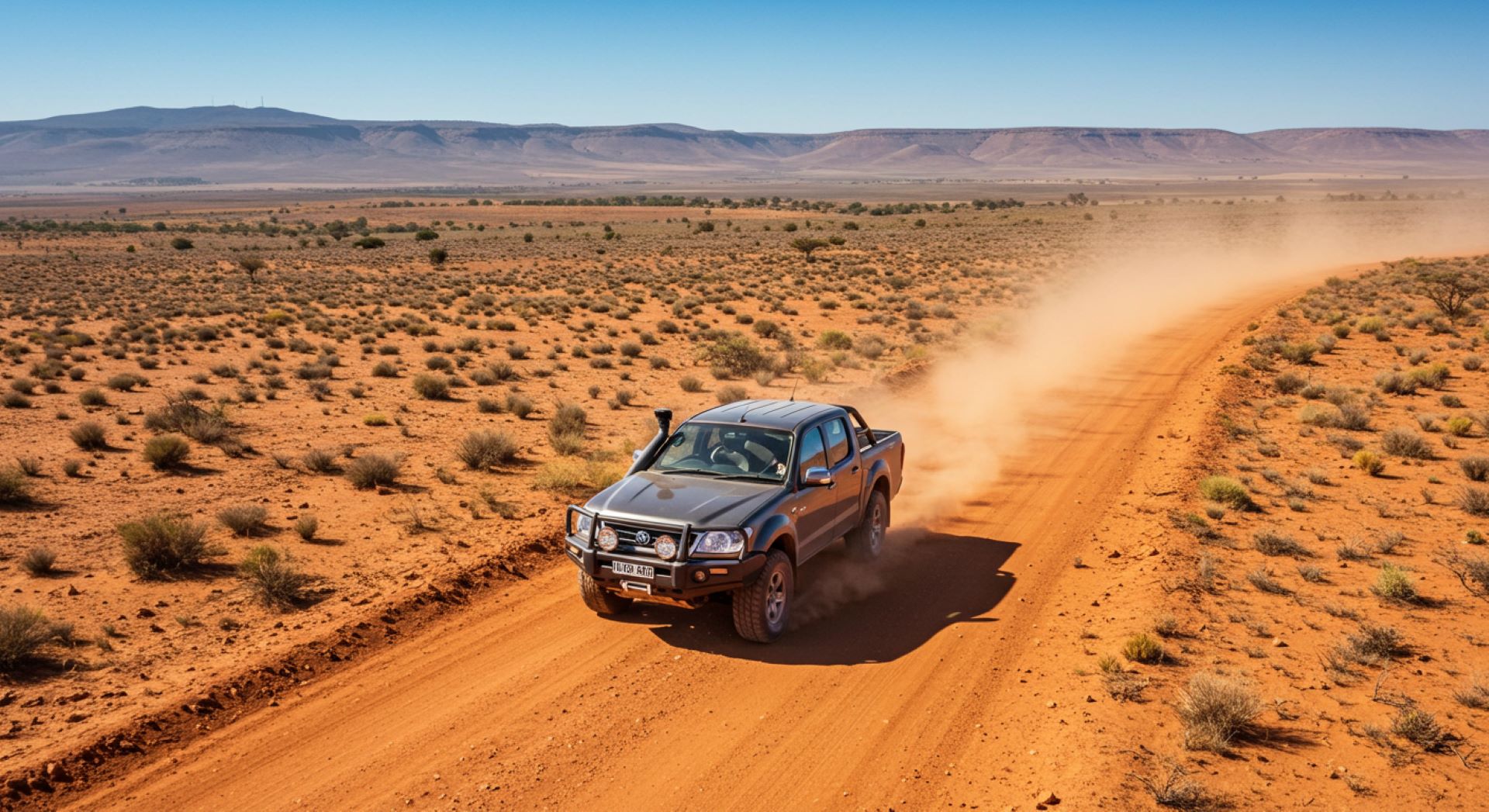
Marketers understand this, and they capitalise on it. The African terrainÔÇöwith its endless horizons, baobab silhouettes, and roaring waterfallsÔÇöbecomes more than a backdrop; it becomes a protagonist in the story. The vehicle is not the hero, but the enabler of adventure.
Brands like Toyota, Ford, and Isuzu consistently create content that depicts their vehicles in remote, almost mythical landscapes. These campaigns often use sweeping drone shots, cinematic storytelling, and rugged, dust-covered aesthetics to convey a message: "You were made for this. And so was your bakkie."
The theme resonates not only with local consumers, who relate to the practical need for such vehicles, but also with aspirational buyers and global viewers enchanted by the romanticised version of African adventure. It taps into universal desires: to break free, to explore, and to forge new paths.
Case Studies: Successful Campaigns
Toyota Hilux: ÔÇ£Legends Are MadeÔÇØ Campaign (South Africa)
Toyota South AfricaÔÇÖs ÔÇ£Legends Are MadeÔÇØ campaign is a masterclass in culturally rooted storytelling. Highlighting the Hilux as an intergenerational companion, the advert weaves together scenes of rural farming, city life, and family traditions. It positions the Hilux not only as a rugged machine but as a part of the South African fabric.
Visually, the campaign leans heavily into iconic African imagery: dusty townships, bushveld backdrops, and the camaraderie of shared labour. It is underscored by a soundtrack that blends modern rhythm with traditional beats, tapping into nostalgia and pride. The campaign didnÔÇÖt just sell bakkiesÔÇöit reaffirmed ToyotaÔÇÖs place in the hearts of South Africans.
Ford Ranger: ÔÇ£Live the Ranger LifeÔÇØ (Pan-African)
The "Live the Ranger Life" campaign took a more universal approach but still managed to localise effectively across Africa. With themes of resilience, innovation, and community, the campaign showcased real Ranger owners from different parts of the continent using their vehicles in authentic, meaningful ways.
From a conservationist in Kenya to a construction worker in Nigeria, the campaign highlighted the real-world versatility of the Ford Ranger. Visual storytelling played a key role, with vignettes that felt like mini-documentaries. The result? A campaign that resonated across borders while remaining grounded in African reality.
Isuzu D-MAX: ÔÇ£With You For The Long RunÔÇØ (Southern Africa)
Isuzu leaned into brand loyalty and endurance in its "With You For The Long Run" campaign. Featuring testimonials from long-time Isuzu owners and mechanics, the ads felt less like commercials and more like personal stories.
The campaign showed vehicles clocking hundreds of thousands of kilometres across mountains, rivers, and open plains. The emotional connection was key: owners werenÔÇÖt just driving D-MAX bakkies; they were building legacies with them. This approach humanised the brand and reinforced reliability as its cornerstone.

Cultural Nuances and Local Engagement
Marketing in Africa is far from one-size-fits-all. With over 1,500 languages spoken and vastly different customs across regions, understanding local culture isnÔÇÖt just beneficialÔÇöitÔÇÖs essential.
For example, in South Africa, where diverse cultural identities coexist, successful campaigns often feature multilingual content and celebrate heritage days or traditional ceremonies. Brands that incorporate elements like local slang or traditional attire immediately establish authenticity.
In East Africa, community is a central value. Campaigns that show vehicles enabling communal progressÔÇölike transporting supplies to a rural clinic or supporting a small businessÔÇötend to perform well. In West Africa, where storytelling is deeply embedded in culture, brands often use narrative arcs that mirror folktales or proverbs.
One standout example is NissanÔÇÖs partnership with local musicians and influencers to create branded content that doubled as cultural celebration. Rather than imposing a global identity, Nissan let African creatives lead, resulting in marketing that felt local, relevant, and proud.
Challenges and Opportunities
Advertising across such a vast and varied continent comes with its own set of challenges. Infrastructure can be inconsistent, especially in rural areas where billboard or digital ad access is limited. Language diversity also poses difficulties for standardised messaging.
However, these challenges are offset by immense opportunities. Africa has one of the fastest-growing internet user bases in the world, particularly via mobile. Social media platforms like Facebook, Instagram, and TikTok are becoming vital tools for automotive marketing, allowing for targeted, cost-effective campaigns that reach previously inaccessible audiences.
Another opportunity lies in co-creation. As African consumers become more media-savvy, they seek out brands that reflect their values and realities. Inviting communities to co-create content or share their stories not only boosts engagement but builds loyalty.
The Future of 4x4 and Bakkie Marketing in Africa
As Africa continues to urbanise while holding onto its rural heartbeat, marketing strategies will need to evolve. We can expect a shift towards hybrid storytellingÔÇöcampaigns that embrace both digital innovation and traditional values.
Environmental consciousness is also likely to rise. Consumers are becoming more eco-aware, and brands that offer sustainable 4x4 options or promote conservation-focused adventures will find favour.
Electric and hybrid bakkies may eventually enter the African market, prompting a narrative shift from pure ruggedness to intelligent capability. Brands that combine authenticity, tech, and eco-responsibility will lead the next wave of impactful marketing.
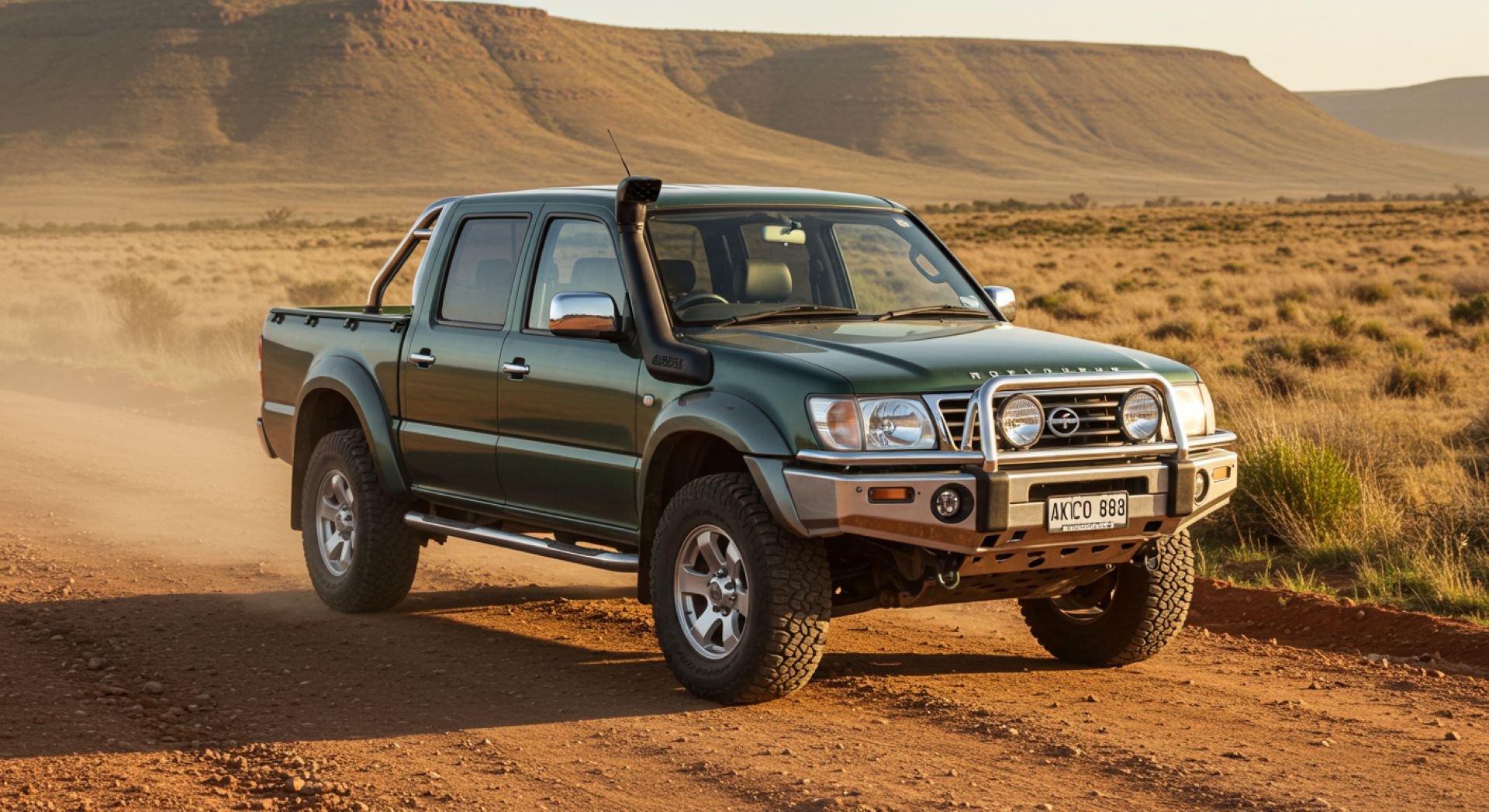
Africa is more than a market; itÔÇÖs a story waiting to be told, and 4x4 and bakkie brands are among the best storytellers. By aligning themselves with the continentÔÇÖs spirit of adventure, resilience, and cultural pride, these brands do more than sell vehiclesÔÇöthey sell a lifestyle.
Through visually rich campaigns, culturally attuned messaging, and authentic narratives, automotive companies tap into a truth thatÔÇÖs deeply African: mobility is freedom, and freedom is everything. As the continent continues to grow and evolve, so too will the roads, the drivers, and the stories they share.
So next time you see a bakkie barreling down a gravel road beneath a pink African sunset, remember: itÔÇÖs not just an advert. ItÔÇÖs a love letter to the open road.
Breyten Odendaal
Specializing in high-performance automotive advertising and digital marketing solutions, delivering cutting-edge insights and the latest news shaping the automotive industry in South Africa.
More From Advertising

Automotive Advertising in 2026: Selling Confidence in a More Competitive Market
As South Africa’s vehicle market becomes more competitive, automotive advertising needs to do more than announce a price or specification. It needs to help buyers understand value, ownership costs and why a vehicle suits their lives.

Automotive Digital Ads in South Africa: A Shift
Exploring how South Africa’s automotive advertising evolved from print and broadcast to data-driven, programmatic digital ecosystems.

The Video Shift in Car Buying Decisions in SA
Explore how video content shapes car purchase decisions in South Africa, comparing short-form and long-form strategies for automotive marketers.