
Redefining Automotive Marketing
The modern automotive landscape is no longer defined solely by horsepower, torque, or fuel efficiency. Today, vehicles are positioned as enablers of life experiences, vessels of exploration, and gateways to adventure. Consumers are increasingly seeking cars that transcend the daily commute, offering both practical utility and the promise of adventure. From rugged off-road SUVs to versatile crossovers designed for spontaneous escapes, the contemporary buyer values vehicles as lifestyle companions, not just instruments of transportation.
This shift has prompted automakers to explore strategic partnerships with tourism companies, adventure operators, and lifestyle brands. Cars are now showcased as tools for experiencesÔÇöfrom navigating sand dunes in the Kalahari to cruising the winding roads of the Drakensberg mountains, or discovering hidden beaches along the Garden Route. By forging these alliances, brands create immersive narratives that position their vehicles at the center of exploration and discovery.
Adventure tourism partnerships exemplify a modern marketing philosophy: sell the story, not just the specs. They are about transforming a vehicle from a transactional purchase into a portal for experience-driven living.
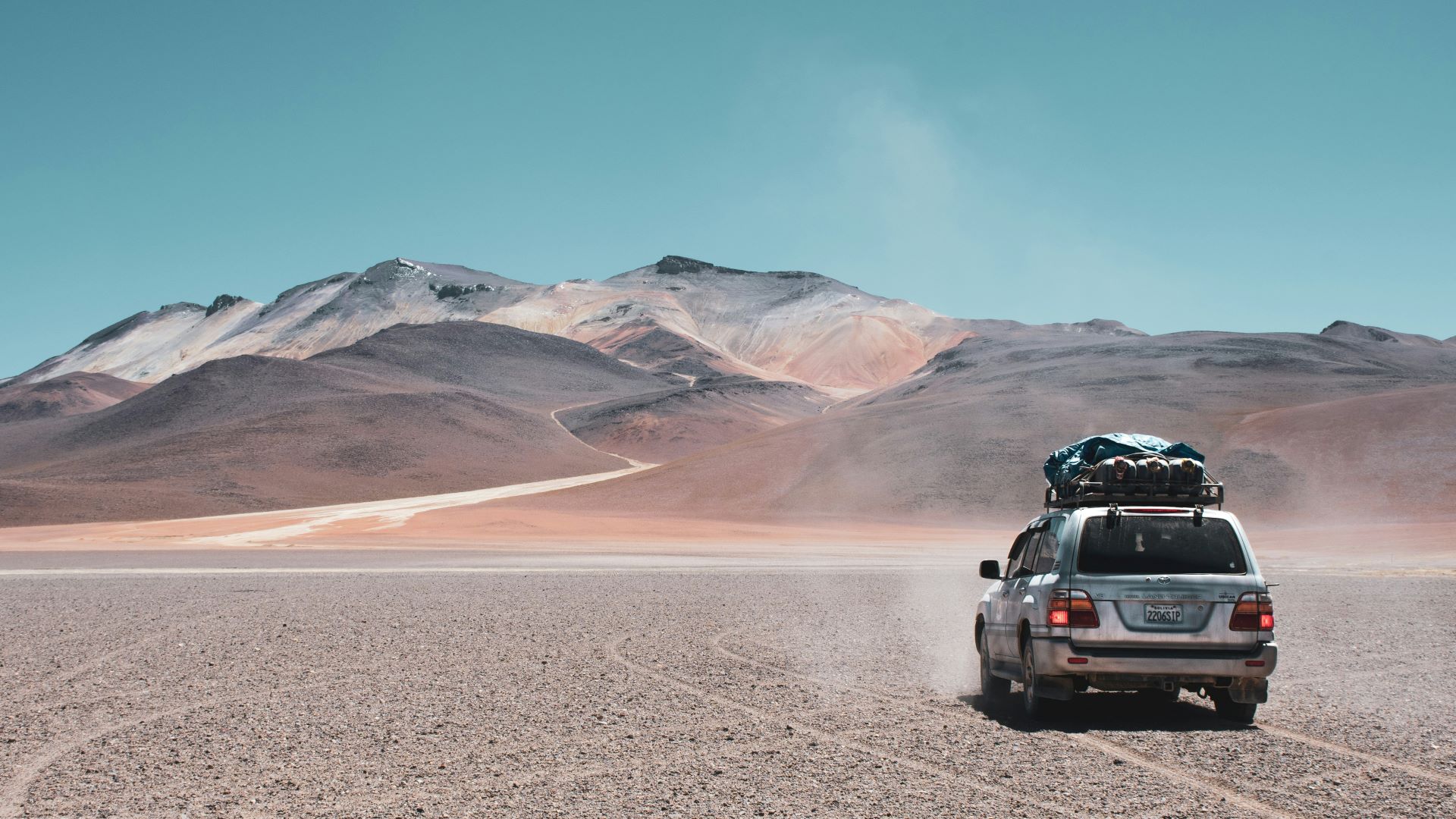
Driving the Narrative: Cars as Lifestyle Enablers
Automotive marketing is increasingly shifting from features to lifestyle. Buyers today are inspired not merely by acceleration curves or towing capacity, but by the promise of personal enrichment, freedom, and exploration. Modern campaigns highlight vehicles as enablers of new experiencesÔÇöturning a weekend drive into a curated adventure, a cross-country journey into a series of unforgettable moments.
Luxury SUVs now emphasize access to remote lodges or mountain retreats rather than just off-road capability. Electric and hybrid vehicles are framed as eco-conscious pathways to adventure, demonstrating that sustainability can coexist with freedom. Adventure tourism partnerships provide a tangible canvas for this messaging. Through curated experiencesÔÇöoff-road expeditions, eco-tourism retreats, coastal road trips, and moreÔÇöbrands provide the context consumers need to visualize their lives with these vehicles at the center.
Storytelling becomes paramount. Video campaigns showing vehicles navigating rugged terrains, braving torrential rains, or climbing steep inclines connect emotionally with audiences. Social media amplifies these narratives, allowing followers to imagine themselves as protagonists in the journey rather than passive observers.
Strategic Alliances: Automotive Brands and Tourism Operators
Partnerships between car brands and tourism operators create symbiotic opportunities. Automakers gain authentic demonstration spaces for their vehicles while tourism operators benefit from the association with trusted brands. Together, they craft experiences that merge the thrill of exploration with the assurance of reliable, capable transportation.
Automakers gain:
Tourism operators gain:
Consider a boutique safari lodge partnering with a high-performance 4x4 brand. Guests experience both the adventure of the terrain and the comfort and reliability of a premium vehicle. The narrative extends beyond transportationÔÇöit becomes a promise of curated discovery, where every twist and turn of the journey is enriched by the vehicle facilitating it.
Case Studies: Experiential Campaigns in Motion
Land Rover and African SafarisFew brands embody exploration as profoundly as Land Rover. Its legacy is intertwined with discovery, making it a natural partner for adventure tourism. Collaborations with safari lodges allow Land Rover to demonstrate the capabilities of its vehicles while reinforcing its heritage. Campaigns feature vehicles navigating rivers, rocky outcrops, and savannah trails, showcasing not just technical prowess but the transformative experience of connecting with the natural world. Consumers see the vehicle as an essential companion, capable of taking them where others cannot.
Jeep and Overlanding AdventuresJeep has nurtured an ecosystem of overlanding enthusiasts, partnering with adventure clubs and operators to facilitate off-road excursions. These experiences serve as both a lifestyle proposition and a marketing platform. By enabling consumers to document their journeys, Jeep leverages organic content that is aspirational yet authentic. The Jeep becomes a symbol of adventure and self-reliance, a badge of membership in a community defined by exploration.
Toyota and Coastal Discovery ToursToyota has successfully paired vehicles with scenic road trip itineraries, particularly along coastal and mountainous regions. Curated experiences allow drivers to explore hidden beaches, cliffside roads, and mountain passes, with vehicles positioned as enablers of seamless exploration. Marketing materials focus on accessibility and enjoyment, reinforcing a message that adventure is attainable for anyone willing to take the wheel.
Mercedes-Benz and Alpine ExpeditionsMercedes-Benz has partnered with adventure lodges in the Alps to showcase the capability and comfort of its SUVs in extreme environments. Content campaigns highlight the vehicles navigating snow-covered passes while guests enjoy premium hospitality, blending performance with lifestyle sophistication. This approach communicates that luxury vehicles can also be adventure companions, merging elegance with capability.
Digital Amplification: Storytelling Across Platforms
Digital media is a powerful multiplier for adventure tourism partnerships. Platforms such as Instagram, TikTok, and YouTube allow brands to broadcast authentic journeys in real time. Influencers and brand ambassadors capture the thrill of exploration, providing aspirational narratives that resonate with digitally native audiences.
Interactive content further enhances engagement. Virtual reality experiences allow prospective buyers to ÔÇ£test driveÔÇØ destinations alongside vehicles, simulating the emotional impact of adventure before purchase. Branded travel guides, online maps, and immersive digital storytelling offer potential customers a window into the lifestyle the vehicle enables. In this context, marketing becomes experiential: the story of the journey is inseparable from the story of the vehicle.
Social content often becomes a two-way conversation. User-generated posts from adventure travelers create a feedback loop, amplifying the brand narrative and fostering community. Brands that encourage participationÔÇöwhether through hashtag campaigns, photo contests, or interactive challengesÔÇösolidify the emotional connection between vehicle and adventure.
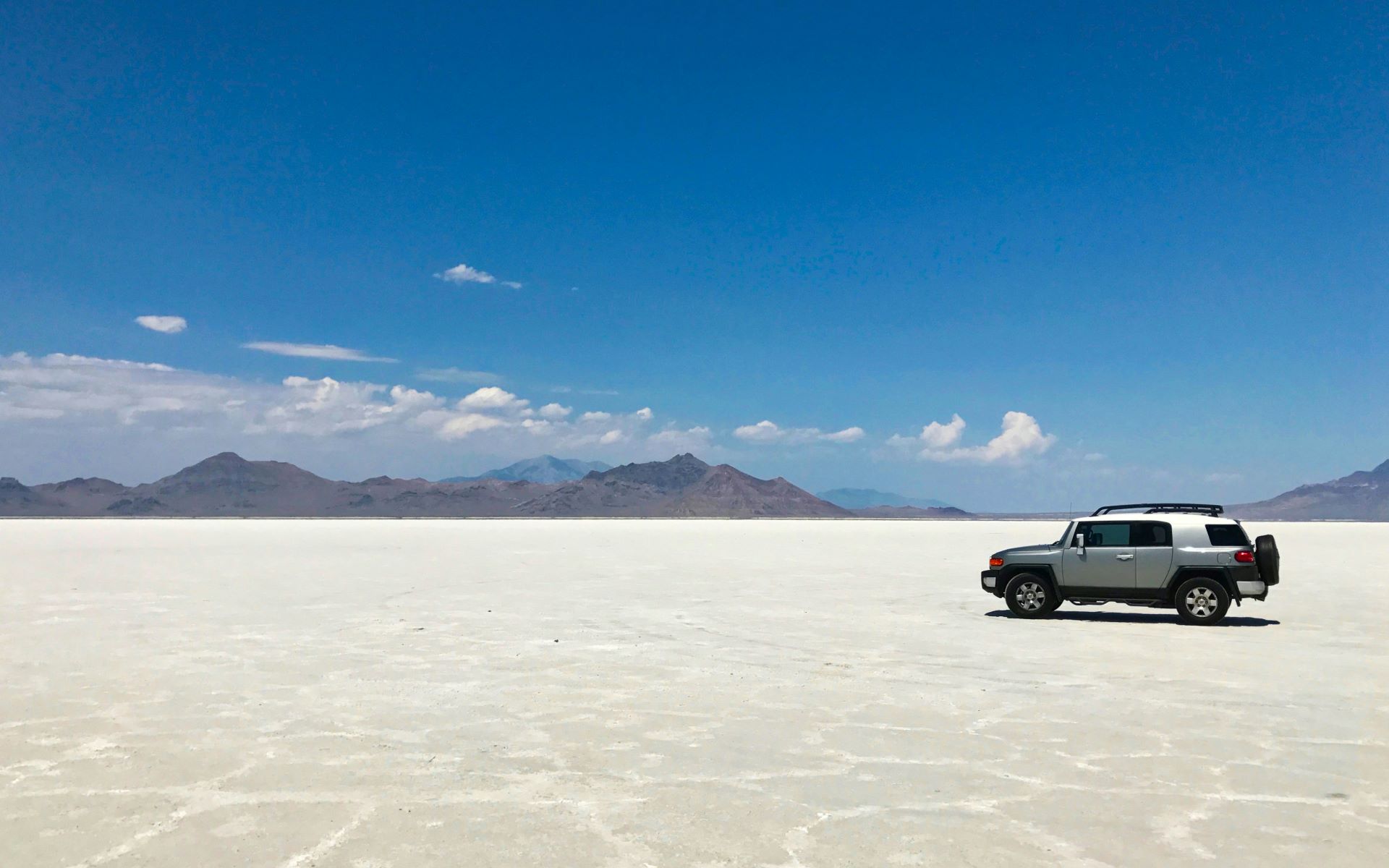
Sustainability and Ethical Adventure Marketing
Adventure tourism is increasingly embracing sustainability, and automotive brands are responding. Partnerships with eco-lodges, low-impact overlanding routes, and electric vehicle expeditions position brands as responsible yet adventurous.
Electric and hybrid vehicles benefit particularly from these initiatives. Campaigns can emphasize that modern exploration need not compromise environmental responsibility. A hybrid SUV navigating the Namib Desert or an electric crossover tackling forest trails demonstrates that capability and conscientiousness can coexist. Such storytelling is compelling for environmentally aware consumers, blending the excitement of discovery with values-driven purchasing decisions.
Brands often integrate sustainability into broader messaging, highlighting vehicle efficiency, renewable energy integration, and carbon offset initiatives. The adventure is enriched by purpose, allowing consumers to feel that their journeys contribute positively to the environment.
Consumer Psychology: Adventure as Motivation
Experience-driven consumers are motivated by the promise of personal growth, novelty, and self-expression. Automotive partnerships with adventure tourism tap into these psychological drivers. Buyers envision the vehicle not just as a machine but as an extension of their aspirations.
The promise of adventure fulfills deep emotional needs: freedom, mastery over challenging environments, and social recognition. Consumers associate vehicles with memorable experiences rather than mundane logistics. Marketing campaigns that emphasize storytelling, authenticity, and the aspirational aspects of adventure resonate more deeply than traditional product-focused advertising.
Adventure tourism collaborations serve as catalysts for this psychology. They transform vehicles from tools into symbolsÔÇösymbols of independence, capability, and the pursuit of life experiences.
Measuring Success: Metrics Beyond Sales
Adventure tourism partnerships are measured by more than units sold. Engagement, brand perception, and lifestyle alignment are crucial metrics. Social media reach, influencer impressions, user-generated content, participation in curated programs, and online engagement all provide insight into brand resonance.
Brands increasingly focus on cultivating long-term loyalty rather than immediate conversions. By embedding vehicles within experience-driven narratives, they create communities of like-minded consumers who identify with the brand ethos of exploration. These consumers are not merely buyersÔÇöthey are advocates, sharing their journeys and reinforcing the brand narrative organically.
Event-based metrics also matter. Participation rates in curated adventure programs, feedback from experiential campaigns, and media coverage provide qualitative and quantitative insights into the partnershipÔÇÖs impact. Over time, these campaigns become part of the brandÔÇÖs identity, reinforcing perception in ways that traditional advertising cannot.
Integrating Technology with Adventure
Technology enhances the adventure-driven narrative. Connected vehicles, AI-driven route planning, and augmented reality experiences redefine what exploration means. Modern cars can curate personalized journeys, recommend points of interest, and even integrate with tourism platforms to provide a seamless travel experience.
EVs and hybrids are increasingly part of this equation. Fast-charging networks, predictive route planning, and sustainable travel options expand the scope of exploration. Adventure tourism partnerships ensure that technology remains user-centric, enhancing experiences rather than overshadowing them.
Some brands are experimenting with immersive experiences. Virtual reality ÔÇ£test drivesÔÇØ of adventure routes, real-time adventure tracking apps, and AI-driven trip suggestions integrate digital innovation into the marketing narrative. Cars are no longer static assetsÔÇöthey are intelligent companions that facilitate, enhance, and elevate the adventure.
Global Perspectives: Regional Adventure Collaborations
Automakers are tailoring partnerships to local landscapes and cultural contexts.
Southern Africa: High-performance 4x4s are paired with safari lodges, desert tours, and coastal expeditions, showcasing durability while highlighting natural beauty.
Scandinavia: Winter expeditions and fjord explorations demonstrate vehicle capability in extreme conditions, blending technical prowess with lifestyle appeal.
South America: Rainforest treks and Andean road trips illustrate versatility, adventure-readiness, and sustainability.
Australia: Outback journeys emphasize self-reliance, durability, and rugged elegance.
Each region offers unique storytelling opportunities, allowing brands to adapt narratives that resonate culturally while maintaining global lifestyle positioning.
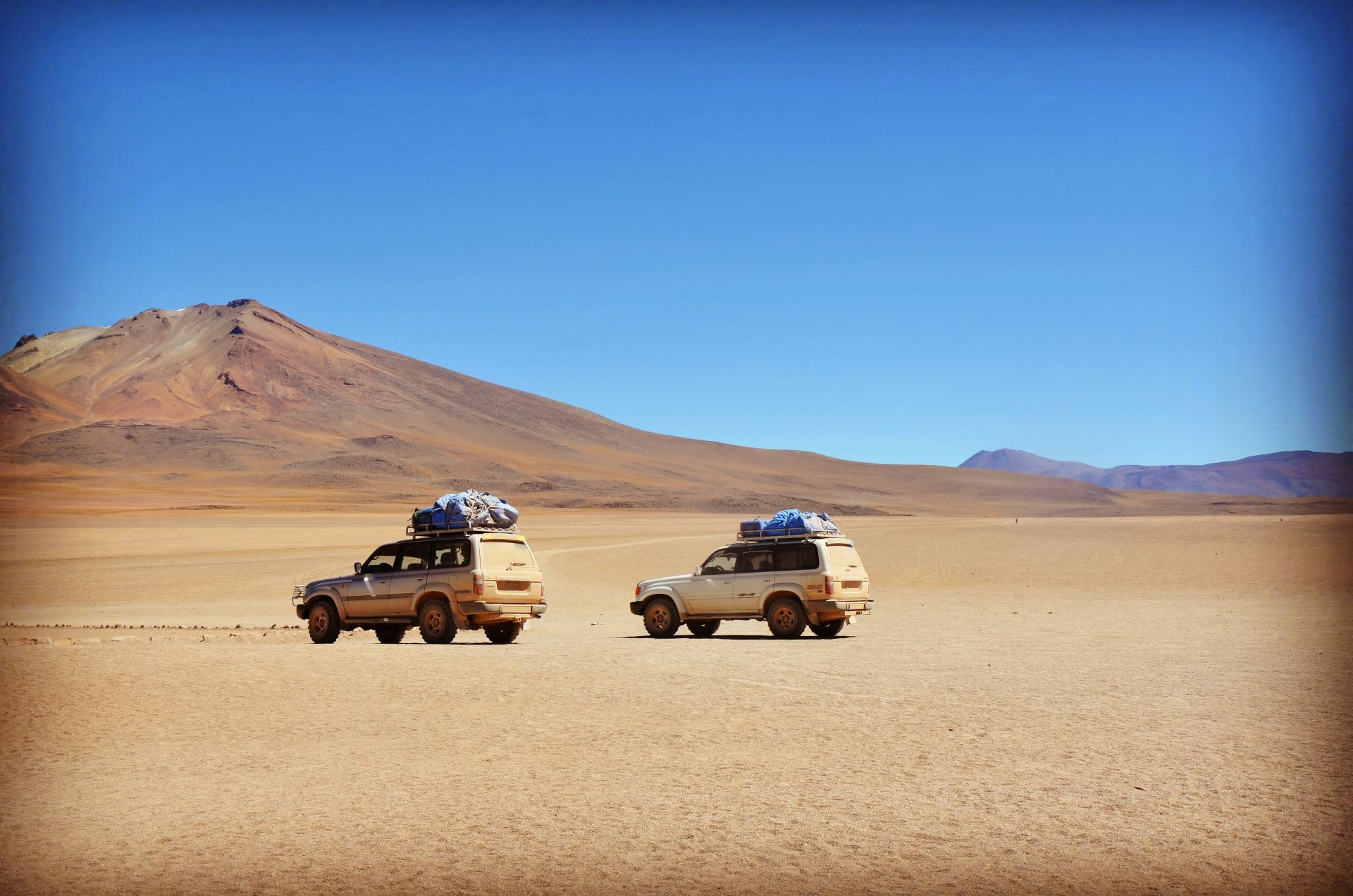
Beyond Transportation
In the era of experience-driven consumption, vehicles are far more than transportation toolsÔÇöthey are companions, enablers, and symbols of adventure. Strategic partnerships with tourism operators and adventure outfitters allow automakers to cultivate authentic, immersive narratives that position cars at the center of exploration.
Adventure tourism collaborations create a holistic ecosystem where vehicles, experiences, and lifestyle converge. Buyers are no longer purchasing horsepowerÔÇöthey are investing in the promise of discovery, freedom, and memory-making. By aligning vehicles with exploration, sustainability, and digital storytelling, brands foster loyalty, inspire engagement, and cement their place in the minds of experience-driven consumers.
In the end, a carÔÇÖs true value is measured not by miles traveled, but by the journeys it makes possible and the stories it helps write. Adventure tourism partnerships ensure that the modern automotive narrative transcends utility, transforming every drive into an opportunity for discovery.
Breyten Odendaal
Specializing in high-performance automotive advertising and digital marketing solutions, delivering cutting-edge insights and the latest news shaping the automotive industry in South Africa.
More From Advertising
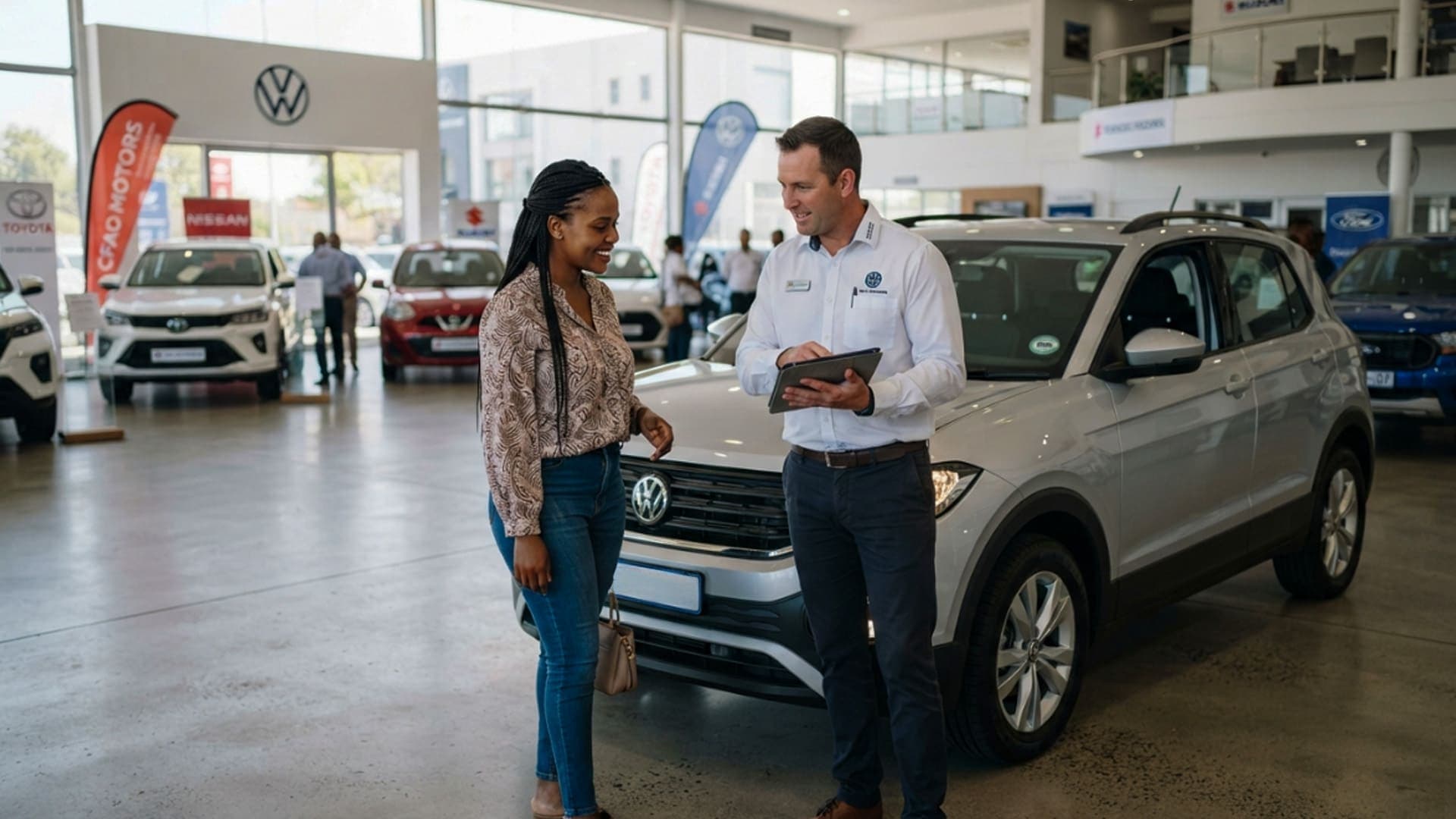
Automotive Advertising in 2026: Selling Confidence in a More Competitive Market
As South Africa’s vehicle market becomes more competitive, automotive advertising needs to do more than announce a price or specification. It needs to help buyers understand value, ownership costs and why a vehicle suits their lives.

Automotive Digital Ads in South Africa: A Shift
Exploring how South Africa’s automotive advertising evolved from print and broadcast to data-driven, programmatic digital ecosystems.

The Video Shift in Car Buying Decisions in SA
Explore how video content shapes car purchase decisions in South Africa, comparing short-form and long-form strategies for automotive marketers.