
The automotive landscape is shifting, and the rules that once defined successful marketing are being rewritten. Millennials, those born between the early 1980s and mid-1990s, represent a unique consumer segment. Unlike previous generations, they place far more value on experiences than on possessions. A sleek car parked in the driveway is no longer the ultimate status symbol; the stories attached to that carÔÇöthe trips taken, the friendships forged, the challenges overcomeÔÇömatter more.
For automotive brands, this is both a challenge and an opportunity. A growing number of millennials are adventure-driven, seeking SUVs, 4x4s, and bakkies not just as vehicles, but as tools for exploration, self-expression, and lifestyle elevation. Marketing strategies that emphasize horsepower, traditional luxury, or prestige alone fall flat. Instead, campaigns must pivot to demonstrate how these vehicles enable experiences that resonate with the values and aspirations of this generation.
In essence, the question brands need to ask is not ÔÇ£What does this car have?ÔÇØ but rather ÔÇ£What can this car allow me to do?ÔÇØ By repositioning vehicles as instruments of adventure rather than mere transport, car brands can tap into the emotional currency that drives millennial engagement.
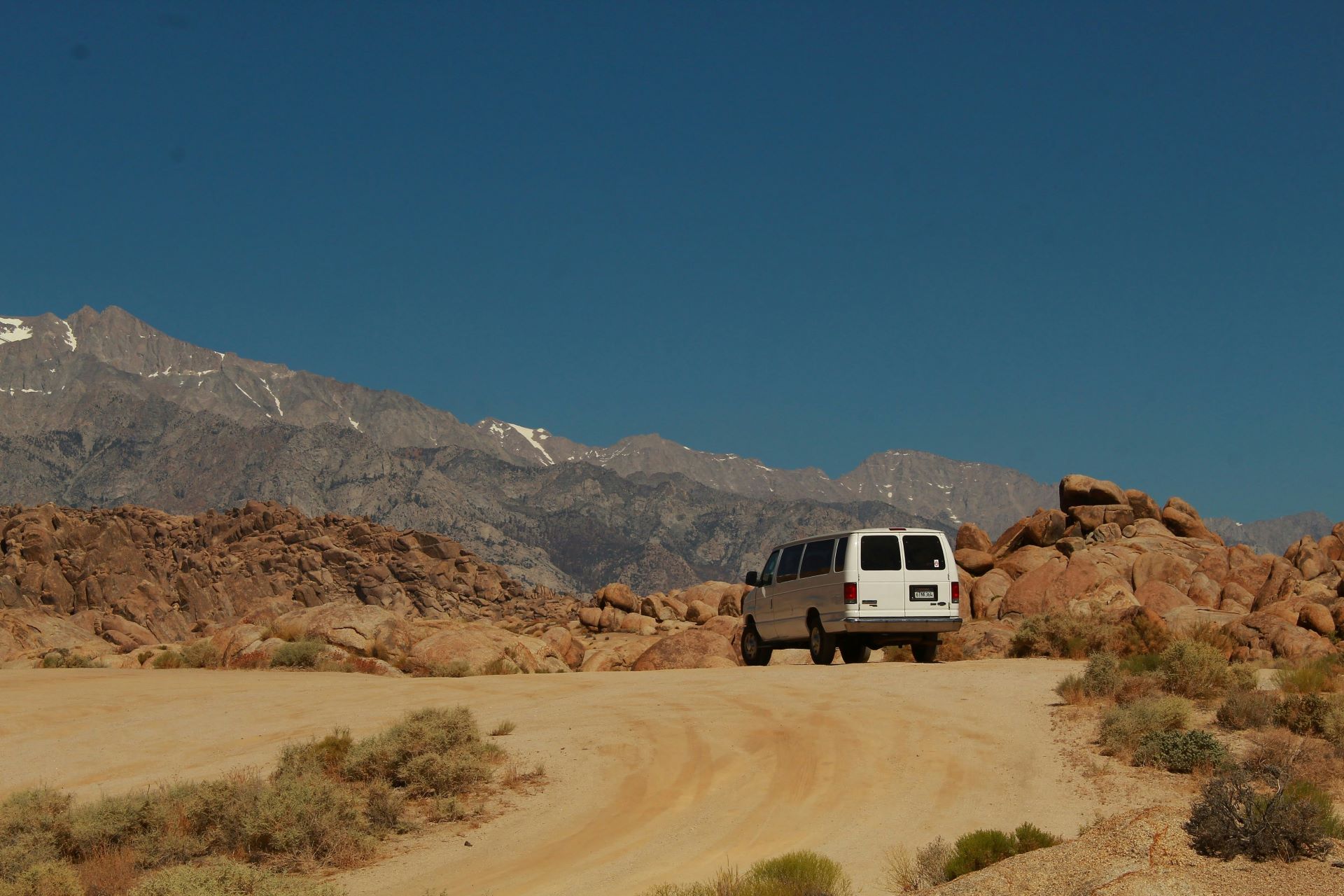
Understanding the Adventure-Driven Millennial
Adventure-driven millennials are motivated by curiosity, authenticity, and connection. They are not content with a carefully curated life dictated by consumer trendsÔÇöthey actively seek experiences that offer spontaneity, challenge, and reward. Whether itÔÇÖs off-roading in a 4x4 through rugged terrain, camping in remote locations, or embarking on a coastal road trip in an SUV, these experiences define their identity.
Social validation is a critical element. Millennials often share these experiences online, creating a digital footprint that reinforces their adventurous identity. Brands that align with these behaviours can leverage social proof, encouraging millennials to see the vehicle as not just a product but a lifestyle enabler.
Furthermore, adventure-driven millennials are highly conscious consumers. They value brands that demonstrate ethical responsibility and sustainability. When marketing SUVs, 4x4s, and bakkies to this demographic, highlighting fuel efficiency, eco-conscious manufacturing, or involvement in community-driven initiatives enhances credibility. These vehicles are more than tools for personal freedomÔÇöthey become symbols of conscious exploration.
Positioning SUVs, 4x4s, and Bakkies as Adventure Tools
Traditional automotive marketing often emphasizes technical specificationsÔÇöengine power, torque, or luxury interiors. For the adventure-driven millennial, however, the story is less about numbers and more about narrative. Vehicles should be portrayed as companions in exploration. The message is clear: this isnÔÇÖt just a car; itÔÇÖs your ticket to adventure.
Consider the following approaches:
Utility Meets Adventure: Showcasing the practical versatility of a vehicle reinforces its role as an adventure enabler. Cargo space for bikes, surfboards, camping gear, or even pet companions communicates adaptability and freedom.
Technology for Exploration: Integrating navigation tools, off-road assist features, and smart connectivity emphasizes safety and convenience in remote or challenging environments. Millennials appreciate tech that supports their adventures without complicating them.
Durability and Reliability: Marketing should highlight the vehicleÔÇÖs ability to withstand unpredictable terrain. Through storytelling, brands can depict off-road trips, mountain trails, and coastal routes that underscore robustness.
Campaigns from brands like Toyota and Ford have demonstrated the power of positioning vehicles as adventure tools. ToyotaÔÇÖs marketing often features SUVs navigating challenging landscapes, while FordÔÇÖs bakkies are portrayed hauling surfboards, camping gear, or off-road bikes. These campaigns resonate because they depict real-life scenarios that align with millennial desires.
Storytelling That Inspires Exploration
The key to marketing adventure vehicles lies in compelling storytelling. Content must do more than show the carÔÇöit must immerse the viewer in the experience. This requires narrative techniques that create an emotional connection.
For example, a campaign might follow a group of friends embarking on a weekend trip along an uncharted coastline. The SUV becomes a silent partner in the journey, supporting the group as they navigate winding roads, set up camp on remote beaches, and create memories that define their summer. Cinematic visuals, combined with authentic testimonials, create aspiration without overtly selling the vehicle.
Visual storytelling is particularly effective when paired with social media engagement. Platforms like Instagram and TikTok thrive on adventure content. Short-form videos showcasing real-life exploration can be amplified through influencer partnerships or user-generated content campaigns. When millennials can picture themselves in these scenarios, the vehicle transcends its functional value and becomes a symbol of possibility and freedom.
Digital Engagement and Social Proof
Millennials live online. Their decisions are influenced not only by traditional advertising but also by peer recommendations, social proof, and community engagement. Effective marketing strategies leverage these behaviours to amplify brand presence and credibility.
Interactive Campaigns: Hashtag challenges or location-based contests encourage user participation. For example, inviting followers to share photos of their outdoor adventures with a branded hashtag creates organic visibility and fosters community.
Influencer Collaborations: Partnering with outdoor enthusiasts, travel bloggers, or adventure influencers ensures authentic endorsement. Millennials are more likely to trust content created by relatable personalities than polished ads.
Community-Building: Social media groups, forums, or virtual adventure clubs centered on vehicles can deepen engagement. Brands can become facilitators of adventure communities, reinforcing the vehicleÔÇÖs role as a lifestyle enabler.
Social proof also ties into experiential marketing. Millennials respond to tangible experiences that allow them to ÔÇ£testÔÇØ the adventure lifestyle. Test drive events, off-road adventure weekends, or interactive VR experiences can translate online engagement into physical interaction with the vehicle.
Sustainability and Social Responsibility: Adventure with a Conscience
Modern millennials are not only adventure-driven but also socially and environmentally conscious. They value brands that align with their principles, particularly when it comes to sustainability. For car brands, this means showcasing SUVs, 4x4s, and bakkies as vehicles that enable exploration while minimizing environmental impact.
Environmental awareness can be integrated into campaigns without diluting the sense of adventure. Highlighting fuel efficiency, electric or hybrid powertrains, recyclable interior materials, or eco-friendly manufacturing practices positions the brand as a responsible choice. Marketing narratives can depict journeys where the vehicle allows the driver to explore untouched landscapes responsiblyÔÇöshowing, for example, a bakkie towing kayaks to a pristine river without leaving a trace.
Social responsibility extends beyond environmental concerns. Brands that participate in community development or conservation initiatives resonate strongly with millennials. For instance, campaigns featuring off-road adventure weekends that combine outdoor exploration with beach clean-ups or trail restoration highlight a commitment to giving back. Millennials are drawn to brands that not only offer utility but also demonstrate purpose, reinforcing the idea that adventure can be meaningful and responsible.
Marketing campaigns should weave these sustainability elements into the storytelling without overwhelming the adventure narrative. For example, a short video series could follow a group of millennials embarking on a cross-country expedition in an electric SUV. Along the way, they visit community projects or wildlife conservation areas, showing that their vehicle supports responsible exploration. By embedding social responsibility into the adventure story, brands create a layered narrative that appeals to both the emotional and ethical motivations of millennial consumers.
Experiential Marketing: Bringing Adventure to Life
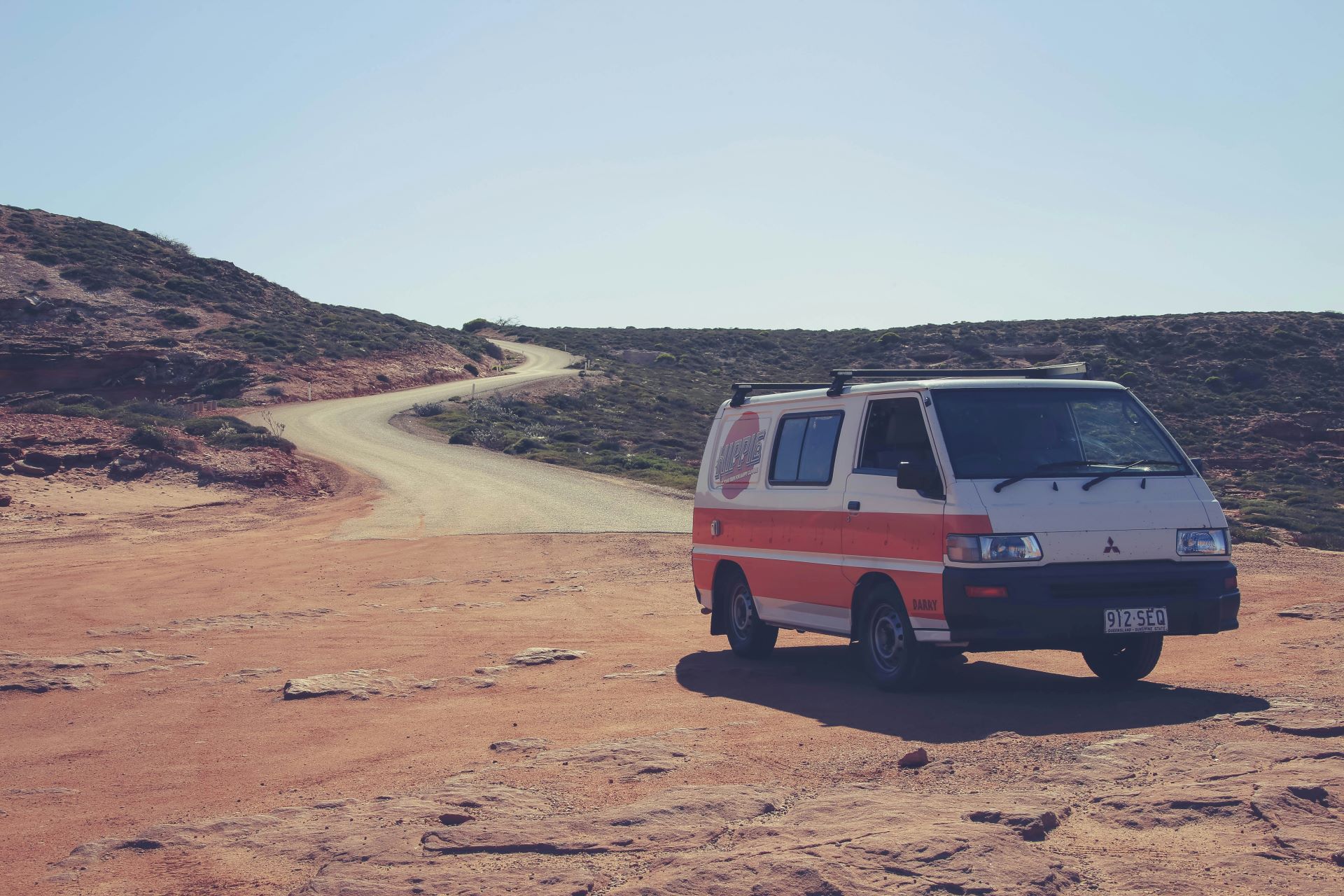
Experiential marketing transforms abstract ideas into tangible experiences. For adventure-driven millennials, experiencing the vehicle in actionÔÇörather than merely seeing it in an advertisementÔÇöcreates lasting emotional impact. Experiential campaigns are particularly effective for SUVs, 4x4s, and bakkies because they can demonstrate the practical and aspirational dimensions of exploration.
Pop-up adventure parks, off-road test tracks, and interactive VR simulations allow consumers to experience the thrill of adventure safely. For example, a weekend event could allow participants to drive a 4x4 along rugged terrain, navigate simulated natural obstacles, and test cargo capabilitiesÔÇöall while being guided by experts in outdoor exploration. The goal is not only to showcase vehicle performance but also to create a memorable experience that connects the consumer emotionally to the brand.
Virtual reality and augmented reality experiences are equally effective. For urban millennials who may not have immediate access to mountains, beaches, or forests, VR simulations can provide a taste of adventure. A branded VR experience that replicates a mountain trail, a river crossing, or a remote campsite can instill a sense of possibility, prompting millennials to imagine their own journeys with the vehicle.
Experiential marketing campaigns can also integrate social media sharing. Encouraging participants to capture and post their experiences using campaign-specific hashtags extends the reach of the event organically. Millennials are highly influenced by peer validation and digital storytelling, so campaigns that allow them to document their adventures serve a dual purpose: delivering a memorable experience while amplifying brand visibility online.
Case Studies of Successful Adventure Vehicle Campaigns
To understand how brands can market vehicles to adventure-driven millennials, itÔÇÖs instructive to examine real-world examples. Several automotive campaigns have successfully positioned SUVs, 4x4s, and bakkies as adventure enablers, combining storytelling, digital engagement, and experiential marketing.
Toyota: The Land Cruiser Legacy
Toyota has long positioned the Land Cruiser as more than a vehicleÔÇöit is an adventure companion. Campaigns feature travelers navigating harsh terrains, from deserts to snow-capped mountains, emphasizing durability, reliability, and off-road capability. ToyotaÔÇÖs marketing often includes user-generated content, showing real owners on real adventures. By allowing consumers to share their experiences, Toyota reinforces the idea that the vehicle is a trusted partner in adventure rather than just a status symbol.
Ford: Ranger and the Spirit of Exploration
Ford has embraced the adventure-driven ethos with its Ranger bakkie campaigns. Marketing often highlights utility, cargo versatility, and outdoor exploration. Campaigns depict weekend road trips, kayaking expeditions, and off-road adventures that resonate with millennial consumers seeking experiences. By focusing on storytelling and relatable journeys, Ford positions the Ranger as a lifestyle choiceÔÇöa vehicle that enables adventure rather than merely transporting passengers.
Land Rover: Experiential Immersion
Land Rover has successfully leveraged experiential marketing to engage adventure-driven millennials. Through off-road driving experiences, branded adventure events, and partnerships with outdoor influencers, Land Rover allows consumers to immerse themselves in the brandÔÇÖs ethos. The emphasis is on performance, luxury, and explorationÔÇöblending aspirational storytelling with hands-on experience. By creating environments where millennials can test the vehicle in real-life scenarios, Land Rover strengthens emotional connections and builds brand loyalty.
Subaru: Lifestyle Integration
SubaruÔÇÖs campaigns emphasize lifestyle alignment rather than raw power. Vehicles are depicted in outdoor adventure contextsÔÇöski trips, mountain biking excursions, and beach camping adventures. The focus is on authenticity, community, and emotional storytelling. Subaru frequently encourages user-generated content, creating a sense of belonging among its audience. Millennials see the Subaru as a facilitator of experiences that align with their values, reinforcing loyalty and engagement.
These examples illustrate a recurring theme: adventure-driven marketing works best when it combines aspirational storytelling, real-life relatability, and interactive engagement. Millennials are more likely to form lasting brand connections when they perceive vehicles as enablers of meaningful experiences.
Integrating Technology and Connectivity
For the adventure-driven millennial, technology is not a gimmickÔÇöit is a tool that enhances experiences. Marketing campaigns should emphasize connectivity, safety features, and smart integration that enable exploration without worry.
Advanced navigation systems, off-road assist technologies, and real-time terrain monitoring are not only practical featuresÔÇöthey are storytelling elements that convey freedom, capability, and confidence. For instance, marketing campaigns might show a group of friends using smart GPS and terrain-adaptive suspension to navigate a remote canyon, emphasizing how technology supports adventure rather than detracts from it.
Connected apps that track routes, share travel itineraries, or integrate social media updates further appeal to millennialsÔÇÖ desire to document and share experiences. When vehicles seamlessly support exploration while enabling digital storytelling, they become indispensable lifestyle companions rather than mere modes of transport.
Community and Lifestyle Marketing
Millennials value belonging and shared experiences. Brands that cultivate communities around their vehicles foster emotional engagement and loyalty. Online groups, social media challenges, and branded adventure clubs allow consumers to connect with like-minded individuals.
For example, a bakkie brand might host a ÔÇ£Weekend Explorer Club,ÔÇØ encouraging owners to participate in guided off-road excursions, share travel logs, or submit adventure photography. This positions the vehicle as a vehicle of belonging, transforming it from a functional purchase into a key part of a shared lifestyle.
Lifestyle marketing also includes collaborations with complementary brandsÔÇöoutdoor gear companies, travel agencies, or adventure sports organizations. By aligning vehicles with broader lifestyle aspirations, brands communicate that their vehicles are central to an adventurous, experience-driven life.
The Role of Content Marketing
Content is central to connecting with millennials. Video storytelling, blog posts, and social media content that depict authentic adventure journeys are particularly effective. Content should highlight real-life scenarios, practical tips, and aspirational narratives that demonstrate how vehicles enable exploration.
For example, a campaign could feature a ÔÇ£Road Trip Series,ÔÇØ chronicling the experiences of different millennial travelers using an SUV or bakkie to explore remote destinations. Each episode could focus on challenges, adventures, and memorable moments, showing how the vehicle plays an essential role. By producing high-quality, relatable content, brands position themselves as partners in the pursuit of adventure rather than just sellers of vehicles.
Measurement and Insights
Understanding the success of adventure-focused campaigns requires careful measurement. Engagement metrics, social media reach, user-generated content participation, and experiential event attendance all provide insights into campaign effectiveness.
Brands should track not only sales but also sentiment and brand perception. Millennials respond to authenticity, so campaigns that generate positive conversations online indicate a deeper connection than transactional metrics alone. Data-driven insights allow brands to refine storytelling, improve experiential offerings, and strengthen digital engagement strategies.

Vehicles as Gateways to Adventure
For adventure-driven millennials, the value of a vehicle extends far beyond transportation. SUVs, 4x4s, and bakkies are instruments of exploration, lifestyle enablers, and tools for creating lasting memories. Marketing strategies must pivot to emphasize experience, storytelling, sustainability, and community engagement.
By positioning vehicles as partners in adventure, brands can build deeper connections with millennial consumers. Experiential marketing, social media engagement, influencer collaborations, and immersive storytelling allow brands to move beyond traditional advertising, creating narratives that resonate emotionally and culturally.
In the modern automotive market, success comes from understanding that millennials are not just buying a carÔÇöthey are buying the freedom to explore, the ability to share experiences, and the tools to live life on their own terms. Brands that embrace this perspective will not only sell vehicles but also inspire a generation to adventure boldly, responsibly, and authentically.
Breyten Odendaal
Specializing in high-performance automotive advertising and digital marketing solutions, delivering cutting-edge insights and the latest news shaping the automotive industry in South Africa.
More From Advertising

Automotive Advertising in 2026: Selling Confidence in a More Competitive Market
As South Africa’s vehicle market becomes more competitive, automotive advertising needs to do more than announce a price or specification. It needs to help buyers understand value, ownership costs and why a vehicle suits their lives.

Automotive Digital Ads in South Africa: A Shift
Exploring how South Africa’s automotive advertising evolved from print and broadcast to data-driven, programmatic digital ecosystems.

The Video Shift in Car Buying Decisions in SA
Explore how video content shapes car purchase decisions in South Africa, comparing short-form and long-form strategies for automotive marketers.