
Automotive advertising has always been a mirror to both innovation and nostalgiaÔÇöa dynamic interplay between cutting-edge technology and a reverence for the past. For decades, car enthusiasts have witnessed the evolution of advertising from glossy print spreads in classic magazines to the immersive digital campaigns of today. In an era where consumer attention is fleeting and market trends can pivot overnight, adaptive advertising has emerged as the beacon for brands seeking to merge historical allure with modern precision. This article delves into how real-time data is reshaping automotive advertising, offering both a sentimental journey through decades of iconic campaigns and a forward-thinking view of adaptive strategies that cater to todayÔÇÖs ever-changing auto market.
In the golden days of automotive promotion, ads were meticulously designed in printÔÇöeach layout a carefully crafted narrative of power, style, and innovation. The roar of engines and the gleam of chrome werenÔÇÖt just features; they were symbols of an era defined by ambition and artistry. Enthusiasts would eagerly await each new issue of their favorite magazines, where a single page spread could ignite dreams of open highways and limitless possibilities. Fast forward to today, where digital channels offer instantaneous reach and adaptability. Here, adaptive advertising takes center stage, using real-time data to pivot strategies in response to shifting consumer behavior, market trends, and technological breakthroughs.
This paradigm shift not only honors the storied past of automotive marketing but also reimagines it through the lens of modern analytics and personalization. Real-time insights now empower brands to respond to live eventsÔÇöfrom flash sales and product launches to unexpected market fluctuationsÔÇöwith agility that print could never achieve. The nostalgia of vintage car ads finds new life when combined with data-driven approaches, creating campaigns that evoke memories while engaging a tech-savvy audience. As we explore the evolution of automotive advertising and the emergence of adaptive strategies, we invite you to join us on a journey that spans decadesÔÇöcelebrating the timeless allure of classic design and the transformative power of real-time data.
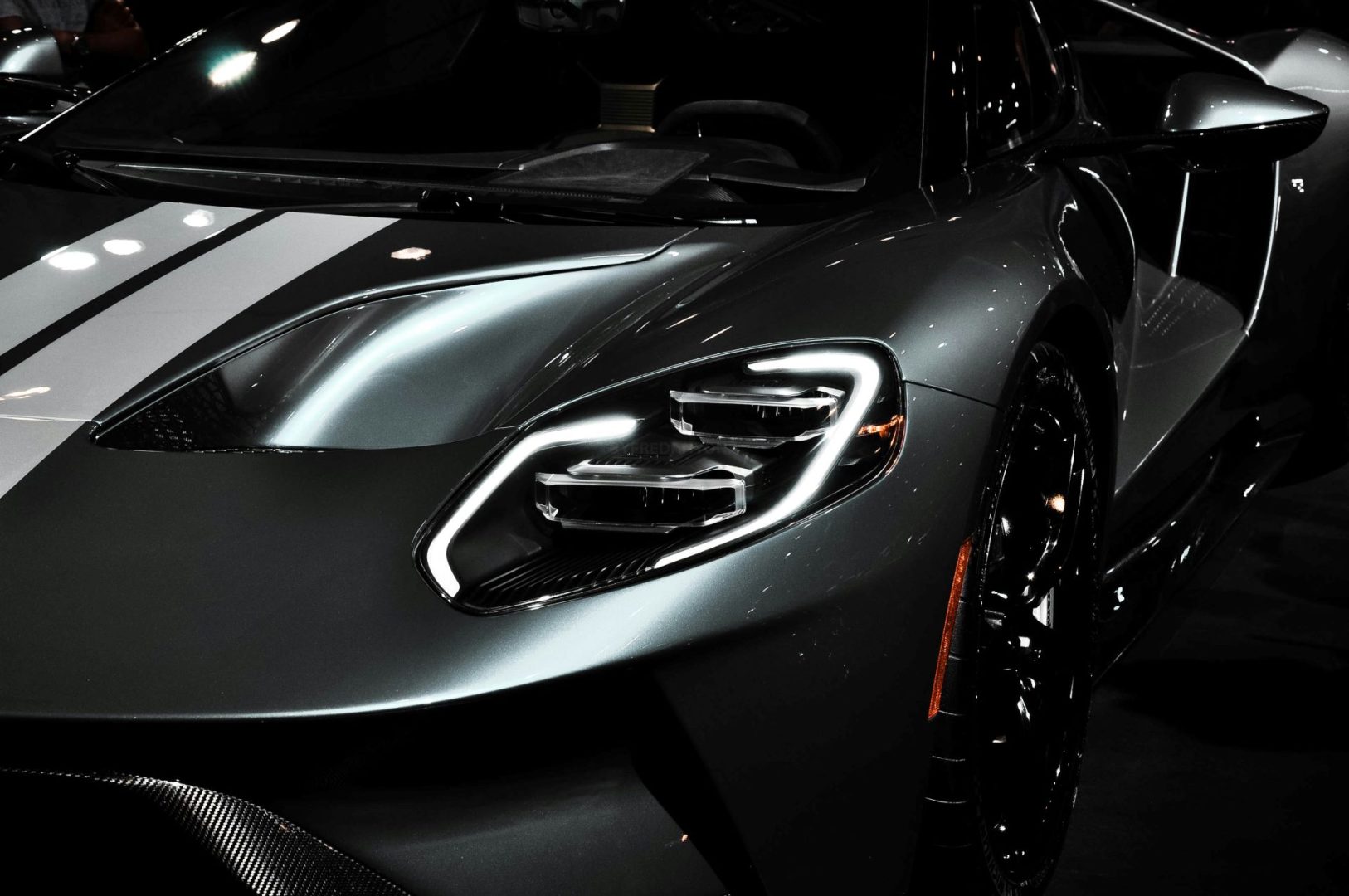
The Evolution of Automotive Advertising
The story of automotive advertising is one steeped in history, cultural shifts, and technological breakthroughs. In the early days of motoring, print advertisements in automotive magazines were the primary means of showcasing vehicles. These early ads were more than just promotionsÔÇöthey were windows into the promise of speed, luxury, and freedom. Each page was filled with detailed illustrations and poetic prose that captured the imagination of readers who dreamed of taking to the open road. The art of print advertising relied heavily on storytelling, with every image and slogan carefully curated to evoke emotion and aspiration.
During the 1950s and 1960s, the automotive industry experienced a boom, and with it came some of the most iconic commercials and print ads in history. The muscle car era, defined by raw power and rebellious design, saw brands like Ford and Chevrolet create campaigns that not only sold cars but also an attitudeÔÇöa way of life. These advertisements were a cultural phenomenon; they resonated with an audience that celebrated individuality, adventure, and the thrill of the ride. Slogans became part of the vernacular, and the imagery of roaring engines and sleek designs left an indelible mark on the collective memory of car enthusiasts.
As the decades advanced into the 1970s and 1980s, automotive advertising began to evolve with changing consumer tastes and economic realities. The emphasis shifted from sheer power to a blend of performance, safety, and reliability. Advertisements grew more sophisticated, incorporating detailed product information alongside aspirational imagery. Even as television emerged as a dominant medium, print ads maintained a cherished place in automotive culture, serving as tangible relics of an era where every ad was a piece of art.
The digital revolution at the turn of the century marked a dramatic pivot in the way car brands communicated with their audience. The transition from static, pre-designed print to interactive, data-driven digital content opened new avenues for engagement. Brands could now experiment with video, interactive banners, and immersive online experiences that reached global audiences in real time. This digital age has not replaced the nostalgia of vintage ads but rather recontextualized it. TodayÔÇÖs marketers have the unique opportunity to blend the emotional pull of classic design with the strategic precision of adaptive, data-led campaignsÔÇöhonoring the past while embracing the future.
Understanding Adaptive Advertising
Adaptive advertising represents a fundamental shift in the way brands communicate with consumers, particularly in the fast-paced and ever-evolving automotive industry. At its core, adaptive advertising is about flexibilityÔÇöleveraging real-time data and agile strategies to craft campaigns that can pivot at a momentÔÇÖs notice. Unlike traditional advertising, which relies on pre-planned and static messaging, adaptive advertising thrives on change, using live insights to tailor creative content that resonates with the audience in the here and now.
This approach begins with data. Real-time metricsÔÇöranging from user engagement and online behavior to emerging market trendsÔÇöinform every facet of an advertising campaign. For instance, if data shows a sudden spike in interest for vintage car models following a major auto show, brands can quickly adjust their messaging to highlight classic design elements that tap into consumer nostalgia. This dynamic adaptability not only maximizes relevance but also builds a bridge between the cherished memories of yesteryear and the innovations of today.
Historically, many car brands have had to react to shifting market landscapes. Take, for example, the oil crisis of the 1970s: companies that once boasted muscle and might found themselves needing to pivot to a narrative of fuel efficiency and practicality almost overnight. Adaptive advertising, in its modern form, formalizes this instinctive reaction into a deliberate strategy, where every decision is guided by concrete data. Automotive marketers now have the tools to monitor consumer sentiment and market conditions in real time, allowing for immediate course corrections that ensure their messaging remains both timely and compelling.
The nostalgic allure of vintage aesthetics is a powerful asset in adaptive advertising. By integrating retro design elementsÔÇösuch as classic typography, sepia-toned visuals, and evocative imagery of bygone erasÔÇöbrands can tap into the deep emotional reservoirs of their audience. This blend of old and new creates a unique narrative that honors the legacy of automotive innovation while showcasing the cutting-edge technology of today. For example, a digital campaign might juxtapose archival footage of early car commercials with modern data visualizations that track the resurgence of interest in vintage design, illustrating the cyclical nature of consumer trends.
Moreover, adaptive advertising enables brands to experiment with personalized content. Imagine a campaign where a potential customerÔÇÖs online journey informs the creative elements they seeÔÇövintage-inspired ads that adjust in real time based on their browsing history and current interests. Such strategies not only elevate user engagement but also deepen brand loyalty by creating a tailored experience that feels both personal and nostalgic. Industry experts, like automotive marketing veteran Laura Kensington, note that ÔÇ£the marriage of classic design with real-time adaptability is the future of car advertisingÔÇöitÔÇÖs where memory meets innovationÔÇØ (Kensington, 2023).
This integration of adaptive advertising with a nostalgic twist is more than a marketing tactic; it is a celebration of automotive heritage. By acknowledging the journey from traditional print to dynamic digital campaigns, brands honor the legacy of past innovations while paving the way for future advancements. Adaptive advertising, therefore, is not just a response to market trendsÔÇöit is an art form that captures the spirit of an ever-changing industry, weaving together the threads of history and technology into a narrative that continues to captivate automotive enthusiasts worldwide.
The Role of Real-Time Data
In the modern landscape of automotive advertising, real-time data serves as both the compass and the engine. Data collection methods have evolved dramaticallyÔÇöfrom surveys and focus groups of yesteryear to sophisticated digital tracking and analytics platforms that offer instantaneous insights. Today, car brands have access to a wealth of information that can be harnessed to fine-tune advertising strategies with unprecedented accuracy.
Real-time data is gathered from a myriad of sources. Social media platforms, for instance, provide immediate feedback on consumer sentiment, enabling brands to gauge public reactions to campaigns as they unfold. Web analytics track user behaviorÔÇöclicks, scrolls, and time spent on specific contentÔÇöoffering clues about which aspects of an ad are resonating with the target audience. Additionally, emerging technologies such as IoT sensors and connected car systems generate a continuous stream of data, from vehicle performance metrics to geographic trends in driving habits. This multifaceted data ecosystem creates a dynamic picture of consumer behavior and market conditions.
For automotive advertisers, the relevance of real-time data is clear. It allows for agile decision-making, where campaign elements can be adjusted on the fly in response to shifting trends. Consider a scenario where a renowned car brand launches a campaign celebrating its vintage heritage. Should data indicate an unexpected surge in engagement from a specific demographicÔÇösay, enthusiasts from a particular region known for classic car ralliesÔÇöthe campaign can be swiftly tailored to highlight regional nostalgia and local history. This not only enhances relevance but also deepens the emotional connection between the brand and its audience.
Historical anecdotes abound of car companies that pivoted their advertising strategies based on real-time insights. During the early days of digital transformation, several major automotive brands observed a growing online interest in retro design elements. By quickly analyzing search trends and social media chatter, these brands recalibrated their messaging, integrating nostalgic visuals with modern data-driven narratives. Such agile responses not only boosted campaign performance but also set new benchmarks in consumer engagementÔÇöa testament to the power of real-time data.
Moreover, the precision of real-time analytics means that advertising budgets can be optimized more effectively than ever before. Rather than committing to large-scale, static campaigns, brands can deploy targeted ads that are adjusted continuously based on live performance data. This iterative process of testing, learning, and adapting minimizes waste and maximizes impact. The digital age has thus transformed data from a static resource into a dynamic strategic tool, essential for crafting advertising that is as responsive as it is resonant.
As the automotive industry continues to evolve, the integration of real-time data into advertising strategies is not merely advantageousÔÇöit is imperative. The ability to monitor, analyze, and act upon live data enables car brands to remain agile in the face of rapidly changing market dynamics. In this context, real-time data is the bridge that connects the storied past of automotive advertising with the digital possibilities of the future, ensuring that every campaign is not only rooted in history but also tuned to the pulse of todayÔÇÖs consumer landscape.
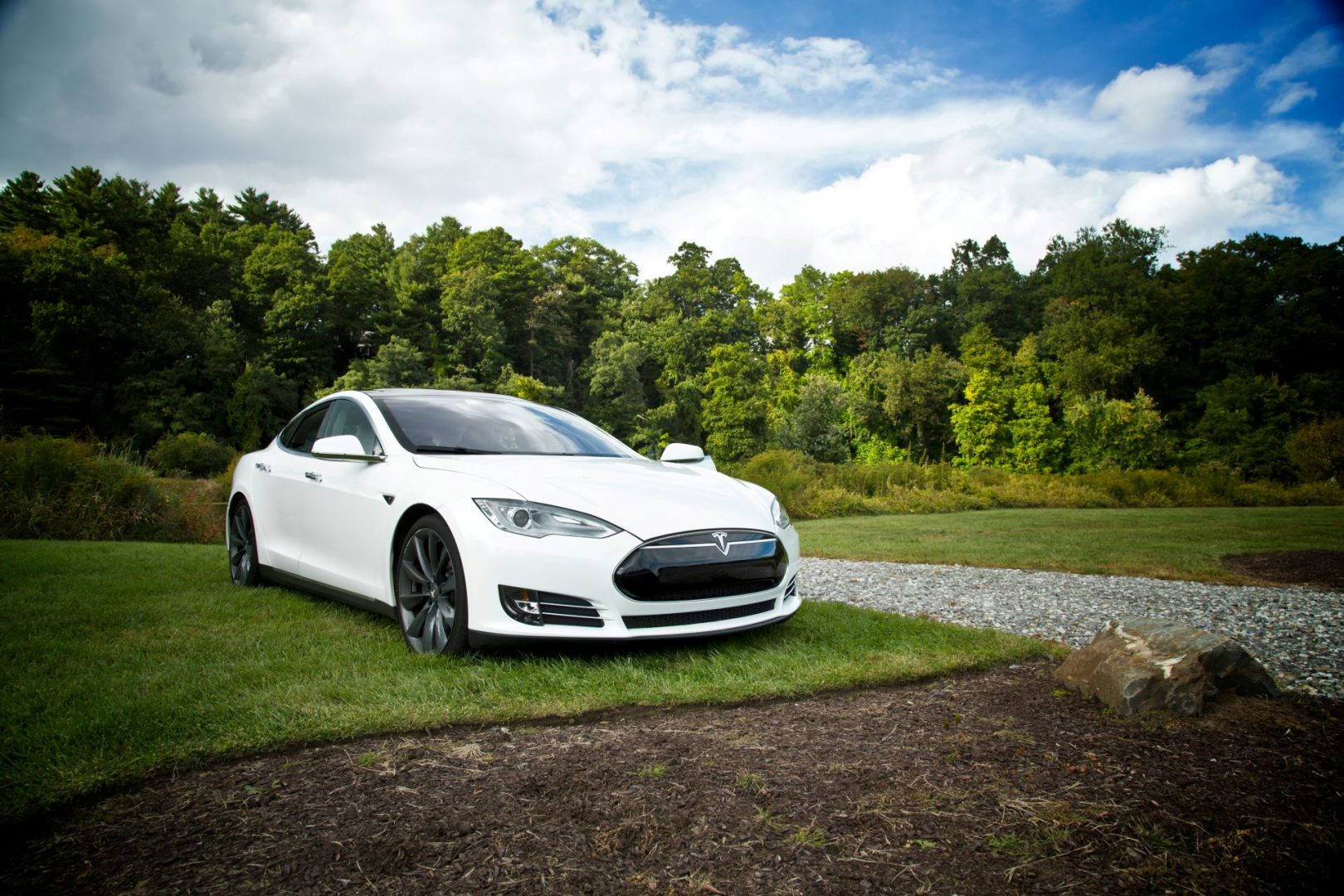
The Evolving Auto Market
The automotive market is in a state of perpetual transformation. Over the decades, shifts in technology, consumer preferences, and economic landscapes have continuously redefined what consumers expect from their vehiclesÔÇöand from the brands that produce them. Today, the emergence of electric vehicles, heightened environmental awareness, and rapid technological innovation are reshaping the industry in profound ways.
Historically, the auto market was driven by raw performance, design, and the visceral appeal of speed. The muscle car era of the 1960s and 1970s, for example, was defined by powerful engines and bold aesthetics that captured the imagination of a generation. However, as the decades passed, consumer priorities evolved. Safety, fuel efficiency, and environmental considerations gradually took center stage. This evolution was mirrored in advertising, where campaigns began to highlight practical features alongside performance, ultimately redefining brand identities and market positioning.
Today, the landscape is once again undergoing dramatic change. The rise of electric and hybrid vehicles is not just a technological shiftÔÇöitÔÇÖs a cultural revolution. Consumers are increasingly driven by sustainability and innovation, and their purchasing decisions reflect a blend of environmental consciousness and a desire for cutting-edge technology. This transition presents both challenges and opportunities for automotive advertisers. On one hand, brands must navigate a complex regulatory and technological environment; on the other, they have the opportunity to reinvent themselves in the eyes of a new generation of buyers.
Adaptive advertising plays a pivotal role in this evolving market. In an environment where consumer preferences can change overnightÔÇöwhether driven by a breakthrough in battery technology or a shift in regulatory policiesÔÇöreal-time data becomes essential. By continuously monitoring market trends, brands can adjust their messaging to highlight the features that matter most to todayÔÇÖs consumer, be it sustainability, performance, or innovation. This agile approach not only mitigates the risks of market volatility but also capitalizes on emerging trends faster than traditional advertising methods ever could.
Moreover, the modern auto market is characterized by a blending of the old and the new. While todayÔÇÖs consumers demand advanced technology and eco-friendly solutions, there remains a deep-seated nostalgia for the classic designs and memorable campaigns of decades past. This intersection creates a unique opportunity for brands to tell a dual narrativeÔÇöone that honors the legacy of automotive craftsmanship while boldly stepping into the future. By leveraging adaptive advertising strategies, car companies can craft campaigns that speak to both the sentimental hearts of long-time enthusiasts and the forward-looking aspirations of a new generation.
The evolving auto market is, therefore, not a tale of replacement but of integration. The passion for vintage aesthetics and timeless design continues to thrive alongside technological advancements, and adaptive advertising is the bridge that connects these seemingly disparate worlds. As the industry navigates this era of rapid change, the ability to pivot based on real-time data will remain a crucial assetÔÇöensuring that brands not only survive but flourish in a marketplace defined by constant evolution.
Techniques for Engaging Automotive Enthusiasts
Reaching automotive enthusiasts in todayÔÇÖs dynamic environment requires a delicate balance of tradition and innovation. Advertisers must tap into the deep emotional reservoirs that fuel the passion for classic design and heritage while simultaneously leveraging modern technologies to create immersive, interactive experiences. The key lies in storytellingÔÇöa narrative that honors the storied past of automotive excellence and channels it into a vision for the future.
One effective technique is to integrate iconic branding elements that evoke nostalgia. Vintage logos, classic typography, and sepia-toned imagery can transport enthusiasts back to an era where every advertisement was a work of art. These design elements, when seamlessly blended with adaptive digital technologies, allow advertisers to create personalized experiences. For example, interactive timelines or virtual tours of historical car models can be dynamically adjusted based on real-time data, providing each user with a customized journey through automotive history.
Storytelling also plays a pivotal role in bridging the past with the present. Advertisers can craft narratives that not only highlight a brandÔÇÖs heritage but also demonstrate how that legacy informs modern innovation. Techniques such as split-screen videosÔÇöjuxtaposing archival footage with contemporary campaign highlightsÔÇöcreate a visual dialogue between yesterday and today. This method not only reinforces brand authenticity but also engages audiences on multiple sensory levels, triggering both fond memories and excitement for whatÔÇÖs to come.
Leveraging user-generated content is another powerful strategy. Car enthusiasts are often proud custodians of their own automotive stories. By encouraging fans to share their personal experiences and vintage photos on social media, brands can build a community that celebrates shared passion. These authentic narratives, when amplified through adaptive advertising platforms, help reinforce a sense of belonging and loyalty. As automotive marketing expert Daniel Ruiz once noted, ÔÇ£In the age of data, the most powerful insights often come from the voices of our enthusiasts. Their stories add an invaluable human element to every campaignÔÇØ (Ruiz, 2022).
Modern technology also opens the door for innovative ad formats. Augmented reality (AR) experiences, for instance, allow users to interact with vintage car models in a digital spaceÔÇörotating, zooming, and exploring details that were once only accessible in person. Interactive ads that adapt in real time based on a userÔÇÖs engagement level ensure that the experience remains fresh and captivating throughout. This fusion of nostalgia with cutting-edge tech creates an emotional resonance that is both timeless and timely.
Additionally, leveraging data-driven personalization can significantly enhance engagement. By analyzing consumer behavior in real time, advertisers can deliver content that is finely tuned to the preferences of individual users. Imagine a digital campaign that adjusts its visual elements and storytelling cues based on the viewerÔÇÖs historical engagement with classic car imagery. Such personalized touches not only increase relevance but also foster a deeper emotional connection, reinforcing the brandÔÇÖs commitment to honoring the past while embracing the future.
Ultimately, the techniques for engaging automotive enthusiasts revolve around the art of balancing heritage with innovation. By combining nostalgic visuals, compelling storytelling, and interactive digital experiences, brands can create adaptive advertising campaigns that speak directly to the heart of car culture. These strategies ensure that every advertisement is not just a marketing message, but a living, evolving narrative that celebrates the enduring passion of automotive enthusiasts worldwide.

As the automotive industry hurtles forward in an era of unprecedented technological innovation and shifting consumer preferences, adaptive advertising stands out as a vital strategy for brands seeking to stay relevant and engaging. This approach, rooted in the intelligent use of real-time data, allows marketers to pivot swiftly in response to market dynamicsÔÇöbridging the gap between the classic charm of yesteryear and the digital fluency of today. By tapping into the emotional power of nostalgia while harnessing modern analytics, automotive advertisers can create campaigns that resonate deeply with both seasoned enthusiasts and emerging audiences.
Throughout this exploration, we have seen how the evolution of automotive advertisingÔÇöfrom the tactile allure of print to the dynamic immediacy of digitalÔÇöhas set the stage for adaptive strategies that celebrate heritage while embracing innovation. Real-time data has become the lifeblood of these campaigns, informing every decision and ensuring that the messaging remains both timely and emotionally compelling. Case studies from legacy brands, electric vehicle pioneers, and boutique automakers illustrate that the power of adaptive advertising lies in its ability to merge historical narratives with contemporary insights, forging a path forward that honors the past and anticipates the future.
Looking ahead, the future of automotive advertising is poised to become even more interactive and personalized. As technologies evolve and consumer expectations continue to shift, brands that master the art of adaptive advertising will not only survive market disruptions but will also set new benchmarks in engagement and storytelling. In this transformative landscape, the blend of nostalgia and innovation is not just a marketing strategyÔÇöit is a celebration of automotive history and a beacon for the future. Car enthusiasts can look forward to campaigns that are as rich in heritage as they are dynamic in execution, ensuring that every advertisement is a testament to the enduring spirit of the open road.
Breyten Odendaal
Specializing in high-performance automotive advertising and digital marketing solutions, delivering cutting-edge insights and the latest news shaping the automotive industry in South Africa.
More From Advertising

Automotive Advertising in 2026: Selling Confidence in a More Competitive Market
As South Africa’s vehicle market becomes more competitive, automotive advertising needs to do more than announce a price or specification. It needs to help buyers understand value, ownership costs and why a vehicle suits their lives.

Automotive Digital Ads in South Africa: A Shift
Exploring how South Africa’s automotive advertising evolved from print and broadcast to data-driven, programmatic digital ecosystems.

The Video Shift in Car Buying Decisions in SA
Explore how video content shapes car purchase decisions in South Africa, comparing short-form and long-form strategies for automotive marketers.