
South AfricaÔÇÖs rural automotive market has long been overshadowed by city-focused campaigns. Yet, the vast, often underserved rural population presents a remarkable opportunity for brands that understand the nuances of these communities. Rural buyers are not just differentÔÇöthey think, act, and purchase based on values that diverge sharply from urban consumers. To win their loyalty, marketers must pivot away from flashy city-centric campaigns and embrace strategies grounded in practicality, reliability, and community resonance.

Understanding Rural Buyers
Rural consumers operate within a different context. Their daily lives revolve around farms, small towns, and long distances between essential services. Unlike urban dwellers, who might prioritize luxury finishes, infotainment systems, or brand prestige, rural buyers focus on functionality: vehicles that can traverse rough terrain, carry heavy loads, and endure South AfricaÔÇÖs variable weather conditions.
Durability and practicality are paramount. A pickup truckÔÇÖs towing capacity, a bakkieÔÇÖs fuel efficiency, or a vehicleÔÇÖs ability to handle unpaved roads often outweigh flashy aesthetics. Understanding these priorities allows automotive brands to tailor their messages and product offerings to resonate deeply with rural communities.
Building Campaigns Around Utility
Utility is more than a selling point; it is the heartbeat of rural automotive marketing. Campaigns that highlight real-world performanceÔÇöwhether through hauling capacity, off-road capability, or low-maintenance durabilityÔÇöspeak directly to rural buyersÔÇÖ needs.
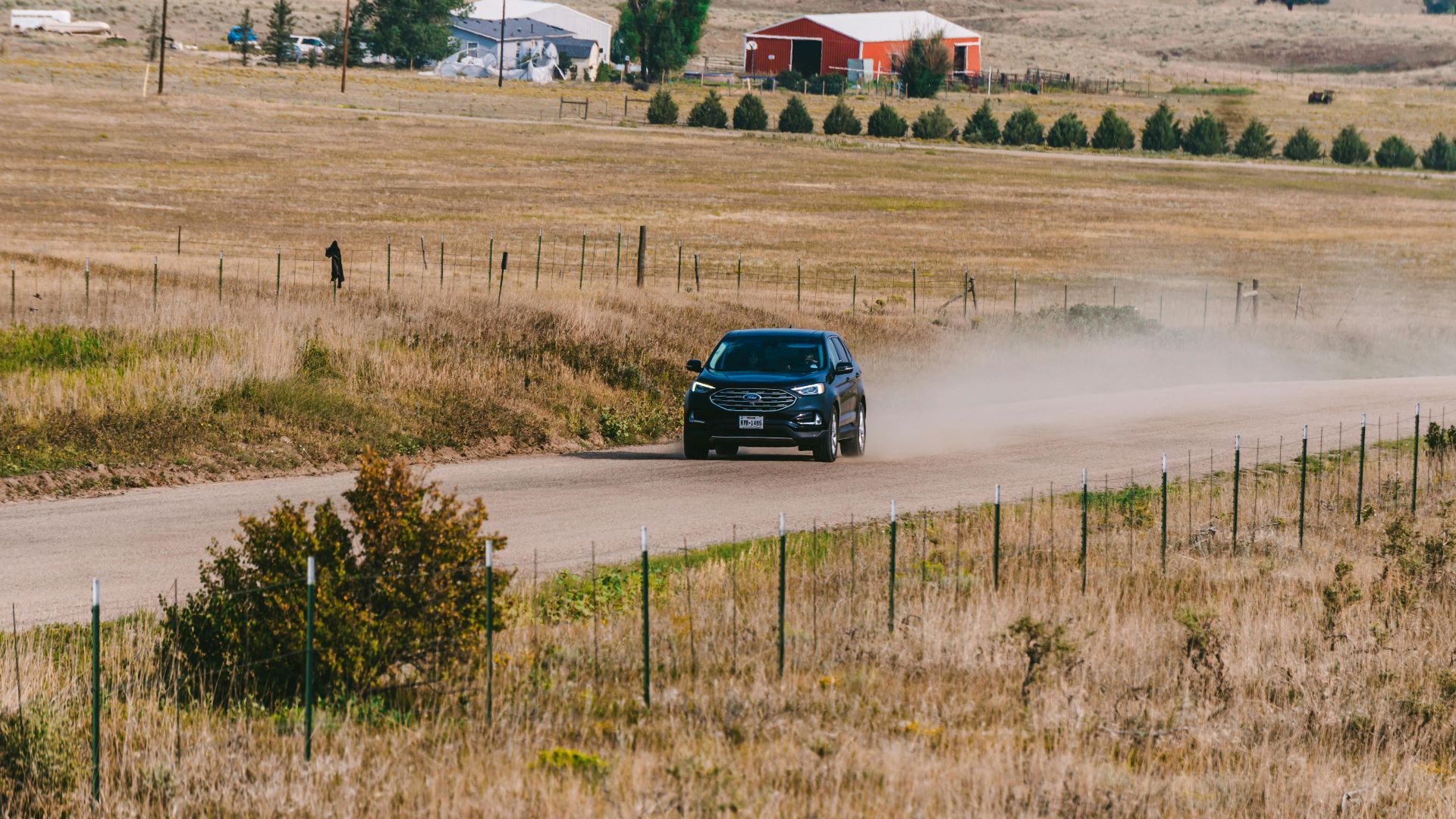
Showcasing utility can be done through storytelling that reflects rural life. A video series capturing a day in the life of a farmer, transporting produce, or navigating muddy, rain-soaked roads paints a relatable picture. Marketing collateral should feature vehicles in familiar, rugged environments rather than urban streetscapes. This visual alignment reassures rural buyers that the vehicle is designed for them, not just for image.
Utility also extends to after-sales services. Brands that emphasize accessible service networks, dependable spare parts, and vehicle longevity build trust. In rural markets, a vehicle is not merely a possessionÔÇöit is a tool for survival, a means of livelihood, and an investment that must last.
Emphasizing Durability
Durability is the second pillar of rural automotive appeal. Vehicles are subjected to heavy loads, extended travel, and rough terrain. Marketing campaigns that highlight robustness and engineering integrity resonate far more than luxury trims or infotainment systems.
Content that emphasizes durability can adopt multiple forms: case studies, testimonials, or even mini-documentaries featuring long-serving vehicles and their owners. Images of vehicles navigating rugged mountain passes, sandy backroads, or muddy fields create an authentic narrative that rural buyers can relate to.
Durability messaging also aligns with cost-consciousness. Rural buyers often calculate total cost of ownership meticulously. A campaign that communicates low maintenance costs, long service intervals, and high resale value speaks directly to their pragmatic mindset.
Tapping Into Community Ties
Community lies at the heart of rural South Africa. Word-of-mouth referrals, local reputation, and trusted relationships weigh heavily on purchase decisions. Brands that embed themselves into local communities build authenticity and trust that no amount of digital advertising can replicate.
Local sponsorships, agricultural expos, and community events provide platforms for brands to demonstrate their commitment. Beyond visibility, active engagementÔÇösupporting local schools, road safety campaigns, or youth programsÔÇöreinforces a brandÔÇÖs presence in the community. Rural buyers are more likely to purchase from brands that demonstrate social responsibility and an understanding of their challenges.
Marketing campaigns should also leverage local influencersÔÇönot necessarily social media stars, but respected community figures such as successful farmers, local business owners, or municipal leaders. These voices carry authority and relatability that national campaigns often cannot replicate.
Storytelling That Resonates
Storytelling in rural automotive marketing must be genuine. Buyers respond to narratives that reflect their daily struggles, aspirations, and pride in their lifestyle. Whether itÔÇÖs a family transporting livestock, a small business owner navigating long distances to deliver goods, or a community supporting a local initiative, the stories should foreground real challenges and triumphs.
Interactive content, such as user-generated stories or contests highlighting rural experiences, can further deepen engagement. When buyers see themselves represented, the emotional connection strengthens brand loyalty and encourages word-of-mouth advocacy.
Channels That Work
Rural marketing channels differ from urban ones. While social media is increasingly relevant, traditional mediaÔÇöradio, local newspapers, agricultural magazinesÔÇöremain critical. Radio, in particular, is pervasive, trusted, and often consumed during work activities like farming or long-distance driving.
Dealer networks also play a pivotal role. Rural consumers rely heavily on local dealerships for guidance, test drives, and after-sales service. Equipping dealerships with the right materials, local stories, and training ensures that the human touch complements broader marketing efforts.
Field activations, such as test-drive events in local towns or participation in community markets, provide tangible experiences that digital campaigns cannot replicate. When buyers physically experience a vehicle in their environment, trust and familiarity increase.
Leveraging Product Differentiators
Automotive brands have unique features that can be emphasized to rural buyers. Vehicles with high ground clearance, durable suspension, and enhanced load capacity address practical needs. Safety features, such as robust braking systems or reinforced cabins, appeal to buyers who often travel on challenging roads.
Customization options, such as double-cab pickups, extended cargo beds, or specialized towing packages, demonstrate flexibility to meet diverse rural requirements. Highlighting these differentiators in advertising, dealer materials, and digital campaigns ensures that potential buyers understand the tangible benefits relevant to their lifestyle.
Integrating Technology Thoughtfully
While rural buyers value practicality, technology remains appealing when it enhances utility. GPS navigation for remote areas, fuel monitoring systems, or maintenance alerts that reduce downtime can be highlighted without overshadowing core messages of durability and utility.
Campaigns should position technology as a supportive tool rather than a luxury feature. By framing tech as a means to increase efficiency and reduce operational risks, brands speak the language of rural buyers: practical, reliable, and value-driven.
Metrics for Success
Measuring the impact of rural automotive campaigns requires nuanced metrics. Beyond traditional KPIs like leads or impressions, brands should monitor engagement with local content, dealership inquiries, test-drive attendance, and community partnership outcomes.
Feedback loopsÔÇöthrough surveys, focus groups, and social listeningÔÇöhelp refine campaigns. Rural communities evolve slowly, and marketing that demonstrates responsiveness to their feedback strengthens brand credibility.

Winning over rural automotive buyers in South Africa is not about imposing urban marketing strategies onto a different context. It requires an understanding of rural priorities, a commitment to durability, and authentic engagement with communities. Campaigns built around utility, reliability, and local connections speak directly to the practical, cost-conscious, and community-oriented mindset of rural buyers.
Automotive brands that embrace this approach position themselves not just as sellers of vehicles but as partners in the rural way of life. In doing so, they unlock a vast, untapped market, fostering loyalty and advocacy that urban-focused campaigns could never achieve.
Breyten Odendaal
Specializing in high-performance automotive advertising and digital marketing solutions, delivering cutting-edge insights and the latest news shaping the automotive industry in South Africa.
More From Advertising

Automotive Advertising in 2026: Selling Confidence in a More Competitive Market
As South Africa’s vehicle market becomes more competitive, automotive advertising needs to do more than announce a price or specification. It needs to help buyers understand value, ownership costs and why a vehicle suits their lives.

Automotive Digital Ads in South Africa: A Shift
Exploring how South Africa’s automotive advertising evolved from print and broadcast to data-driven, programmatic digital ecosystems.

The Video Shift in Car Buying Decisions in SA
Explore how video content shapes car purchase decisions in South Africa, comparing short-form and long-form strategies for automotive marketers.