

Why Consumers Buy the Badge: Exploring Brand Identity in Automotive Purchasing
Author
Breyten Odendaal
Date Published
Brand loyalty in the automotive sector is nothing new. Generations of drivers have stayed committed to marques their parents drove, proudly aligning their lifestyle and values with the emblems on their bonnets. Whether it’s the three-pointed star of Mercedes-Benz, the leaping feline of Jaguar, or the blue oval of Ford, the emotional pull of brand identity plays an indisputably powerful role in shaping consumer preferences. But in today’s automotive landscape—an evolving blend of electrification, digitalisation, and mobility disruption—why does the badge still matter so much?
This article delves into the nuanced psychology of badge appeal, the socio-cultural signals wrapped up in brand image, and why automakers invest billions in cultivating their identities.

The Symbolism of the Badge
When a consumer purchases a vehicle, they aren’t merely selecting a mode of transport. They are making a declaration of taste, status, priorities, and even worldviews. The badge on the grille represents far more than the company that built the vehicle; it’s an emblem of aspiration and identity.
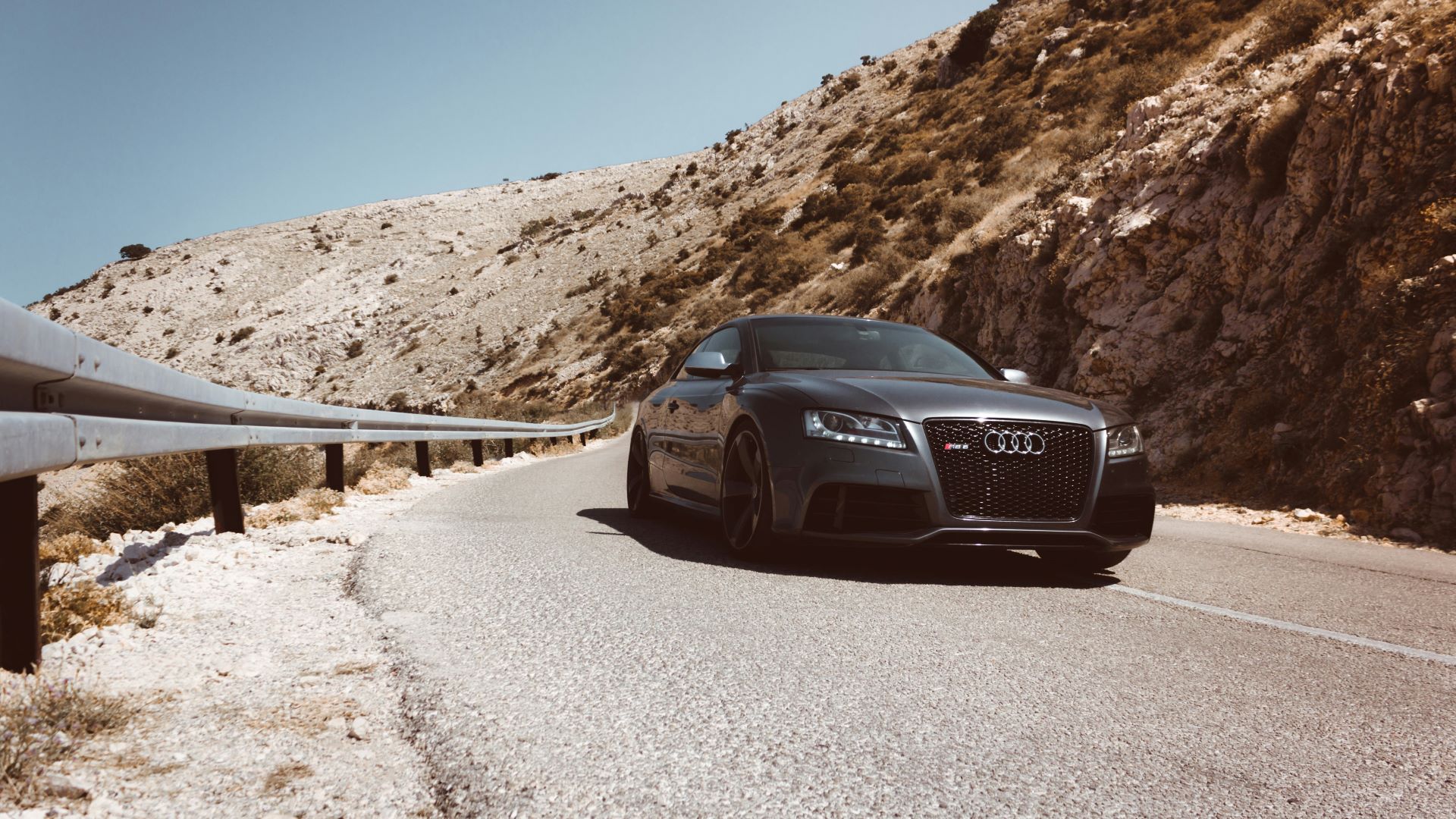
Consider the allure of luxury brands like BMW or Audi. To their loyalists, these badges aren’t just status symbols—they signify engineering excellence, a love for driving, and an appreciation for design precision. On the other end of the spectrum, brands such as Subaru or Volvo conjure up ideas of safety, adventure, or sustainability, fostering an almost tribal loyalty. The emotional link between consumer and brand is driven by perceived alignment: “This car reflects who I am—or who I want to be.”
Brand equity, built over decades of consistency, heritage, and customer trust, becomes internalised in a buyer’s psyche. The badge is not simply a marketing flourish—it’s a psychological anchor.
The Influence of Heritage and Legacy
For many automotive consumers, brand loyalty starts at home. If a parent drove a Volkswagen Golf for years without issue, that experience imprints a level of trust in the brand. When it’s time for the next generation to choose a vehicle, the familiar badge feels like a safe, almost inevitable choice.
Heritage brands like Ford, Toyota, or Chevrolet have woven themselves into the cultural fabric of entire regions. Their stories—of innovation, resilience, or mass appeal—form part of the collective consumer consciousness. This generational continuity helps explain why some marques outperform newcomers despite comparable specs or pricing.
Moreover, legacy lends credibility. A century-old brand evokes a sense of permanence and reliability. Consumers believe, often with good reason, that a company which has weathered wars, recessions, and revolutions must be doing something right.
Emotional Storytelling and Brand Personality
Brand identity is not just built in factories—it’s meticulously crafted through storytelling. From glossy TV ads to Instagram reels, automakers shape their brand personalities through emotionally resonant narratives.
A Land Rover isn’t just a 4x4—it’s a promise of rugged independence, even if most buyers never leave the tarmac. A MINI Cooper, especially in its modern form, trades on its playful British charm, appealing to those who want urban agility mixed with iconic flair. Tesla, for all its technological innovation, also sells a powerful narrative of futurism, disruption, and eco-consciousness. Its badge communicates cutting-edge cool, much in the way Apple’s logo does for tech.
Storytelling is what allows consumers to rationalise premium pricing or to remain loyal through model missteps. A strong brand story can weather the storm of recalls, disappointing facelifts, or PR gaffes. It gives the badge emotional elasticity, a sort of goodwill buffer that keeps consumers coming back.
Social Signalling and Peer Perception
Much of what drives brand choice is not internal, but external. People want their purchases to be seen and understood by others. The car you drive becomes part of the social conversation you have without saying a word.
Luxury and premium brand owners are well aware of this dynamic. Driving a Porsche or a Lexus signals financial success, discernment, and a love of quality. Even among budget brands, social signalling plays a role: choosing a Suzuki Jimny might suggest an adventurous spirit, while opting for a hybrid Toyota Prius may convey eco-consciousness and practicality.
These associations, whether entirely accurate or not, inform the purchase decision. Consumers want their vehicle to fit the script of their lifestyle—or the lifestyle they wish to project. The badge serves as shorthand in this unspoken dialogue between the driver and the world.
Trust, Consistency, and Customer Experience
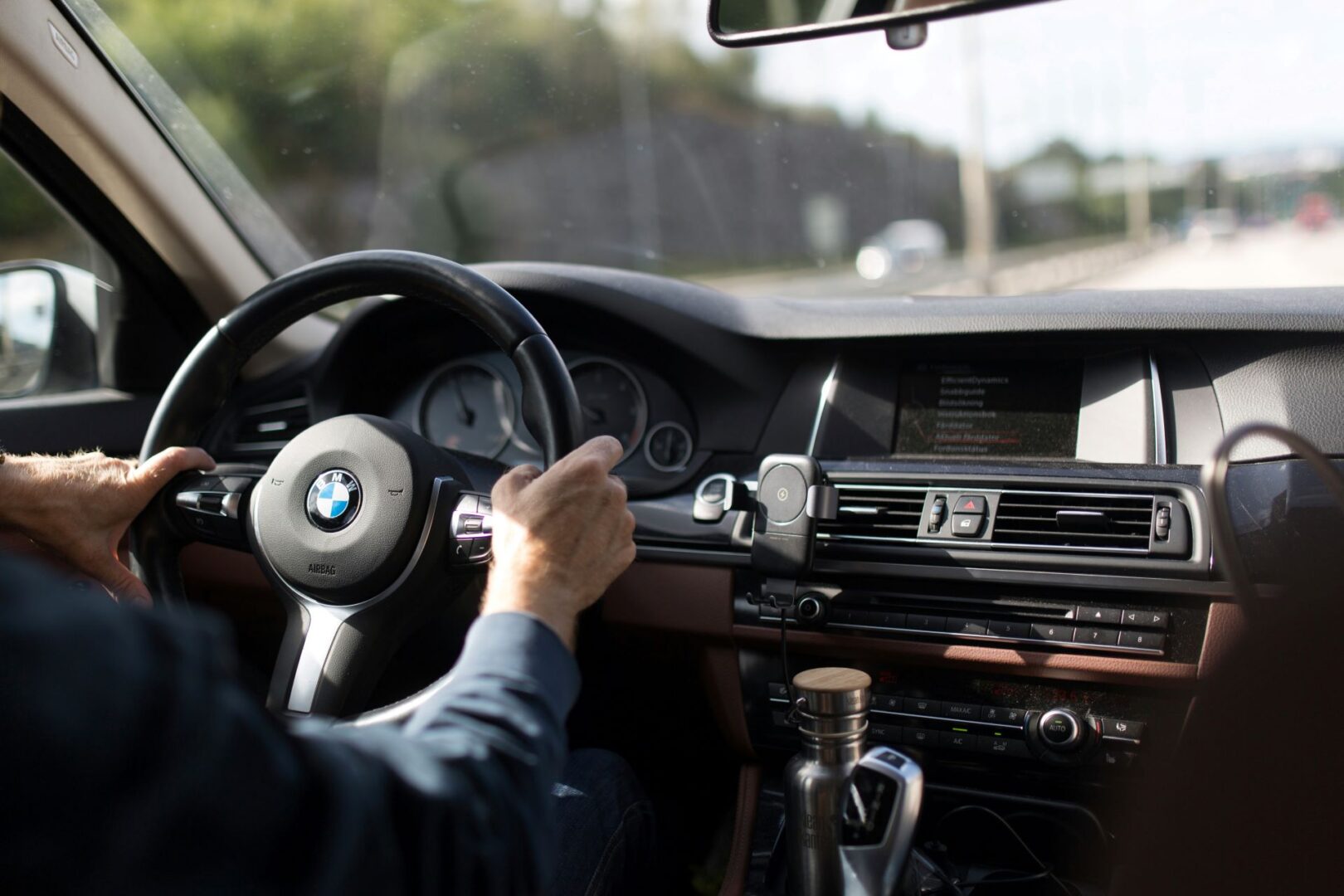
Beyond the emotional and social drivers lies a practical one: trust. A strong brand represents predictability. When a consumer sees the BMW roundel or the Toyota emblem, they’re assured of a certain level of product quality, service standard, and ownership experience.
This consistency creates a feedback loop. The more dependable the brand, the more positive the ownership experience. The more positive the experience, the more likely the consumer is to return. That’s why brands with the highest customer satisfaction ratings often see the greatest loyalty.
Brand identity plays a crucial role here. It’s not just what the company says it is—it’s what the customer believes it delivers. Honda’s long-held reputation for reliability wasn’t built overnight. It was earned over decades of engineering vehicles that rarely let their owners down.
The Role of Marketing and Media
Advertising and PR are the amplifiers of brand identity. Strategic campaigns don’t just highlight model specs or discount deals—they tap into emotion, memory, and lifestyle aspiration. Jaguar’s “The Art of Performance” doesn’t talk horsepower—it paints a portrait of sophistication and drama. Volvo’s ads seldom boast acceleration figures; instead, they focus on family safety, environmental care, and a thoughtful Scandinavian ethos.
These messages are carefully calibrated to reinforce brand DNA. When done well, they ensure every piece of communication—whether it's a TV spot, a social media post, or a dealership brochure—reinforces the same values. Over time, this consistency builds brand depth. The badge becomes more than a logo—it becomes a cultural artefact.

Electrification and the New Badge Battle
As the automotive world shifts toward electrification, brand identity is undergoing a seismic test. Legacy brands are reinventing themselves, while new players are entering with badges that hold no historical weight but plenty of promise.
Take BYD, Polestar, or NIO. These emerging brands are carving out identities not through heritage, but through innovation and design. They speak to a new demographic—tech-forward, climate-aware, and less tied to old-world prestige. Their badges may be new, but their brand identities are sharply defined and digitally fluent.
Meanwhile, traditional automakers must walk a delicate line. They must preserve the emotional strength of their legacy badges while transforming into brands of the future. Ford’s Mustang Mach-E, for example, fuses its muscle-car heritage with an electric platform, hoping to bring loyalists along for the ride.
The badge, in the age of electrification, is both a challenge and an opportunity. It must symbolise what was, what is, and what’s to come—all at once.
Brand Identity in Emerging Markets
In regions like Africa, Southeast Asia, and South America, badge preference is still heavily influenced by reliability, cost of ownership, and aftersales support. Here, the brand badge also signifies access—whether it’s access to spare parts, resale value, or community trust.
But brand identity is not absent in these markets—it’s evolving. Chinese automakers, once dismissed as entry-level, are now leveraging aggressive branding to reposition themselves. In South Africa, for instance, Haval, Chery, and GWM are all gaining ground thanks to competitive pricing paired with increasingly refined product identity. Consumers may be badge-sensitive, but they’re also badge-curious.
The badge game in these markets is less about old loyalties and more about new discoveries. Automakers that invest in long-term branding—not just price competition—are likely to win hearts, not just wallets.
The Rise of Lifestyle and Experience-Driven Branding
In an era where consumers want brands to do more than just sell products, automotive identity is becoming lifestyle-driven. Brands are no longer just transportation providers—they’re experience creators.
Jeep is a quintessential example. It doesn’t sell SUVs; it sells the spirit of freedom and off-road adventure. Its brand identity is reinforced through lifestyle events, branded merchandise, owner clubs, and even digital experiences. Tesla, meanwhile, blends technology with ideology, cultivating a cult-like following that borders on evangelical.
This move towards experiential branding elevates the badge beyond the showroom. It infiltrates daily life, from the clothes consumers wear to the content they consume. In this realm, owning a vehicle becomes part of belonging to a broader community, a club of sorts where the badge is the ticket.
The Badge as an Emotional Signature
Automotive branding isn’t just about logos—it’s about identity, belonging, and belief. The badge serves as a condensed narrative, telling a story about the car, the company, and the consumer. In a world of endless options and increasing parity between vehicles, brand identity remains a key differentiator—often the deciding factor.
The reason consumers “buy the badge” lies deep in human psychology. It speaks to trust, status, aspiration, and familiarity. And as the automotive industry continues to transform, those badges will evolve—but their power to captivate hearts and shape choices will remain undiminished.
In the end, people don’t just buy cars. They buy what those cars represent. They buy the badge, not just because of what it stands for—but because of what it says about them.