

The Retro Effect: How Nostalgia Drives Car Marketing
Date Published
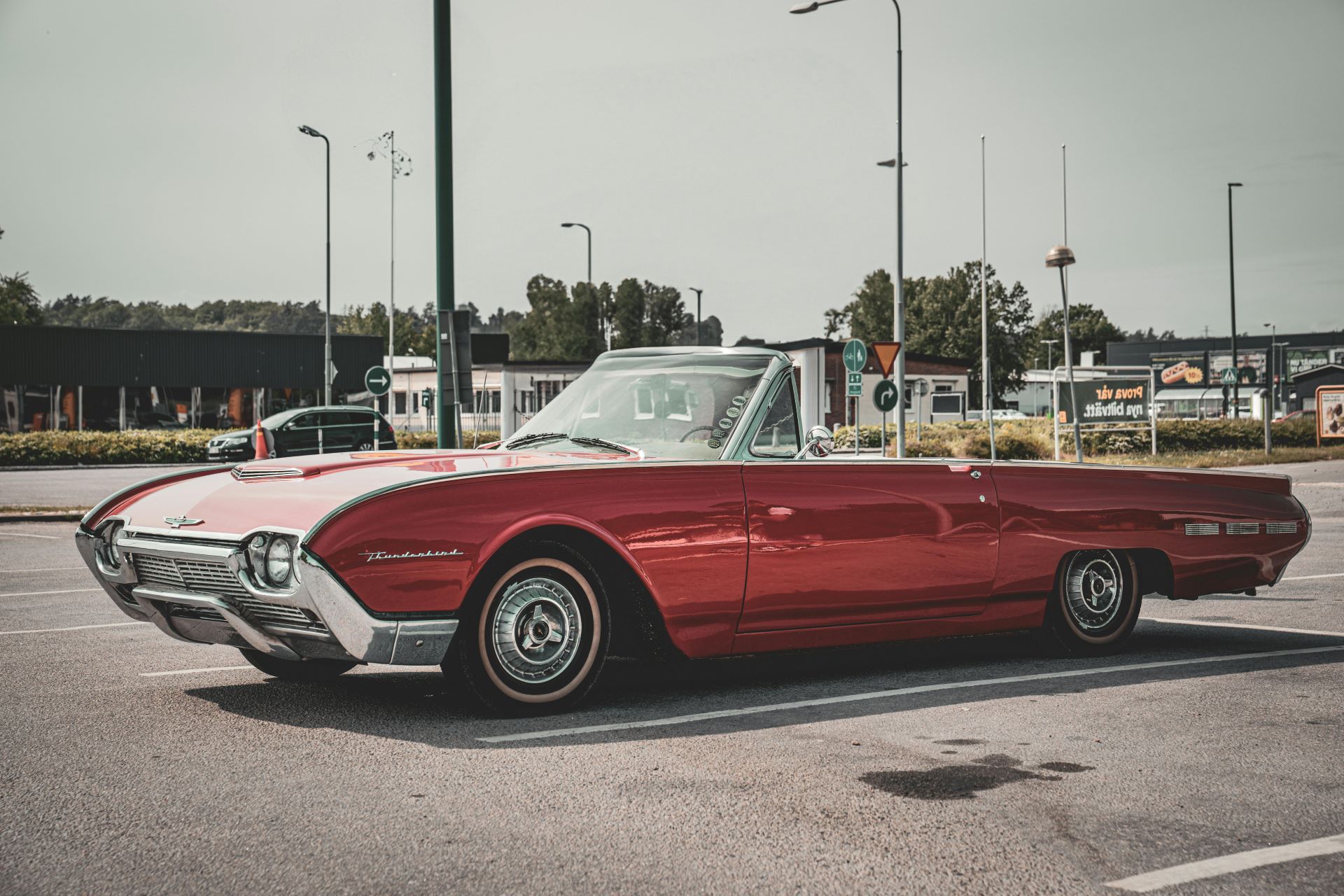
Nostalgia is powerful. It’s a time machine that connects people to their past, evoking feelings of comfort, excitement, and identity. For automotive brands, this emotional connection can be leveraged strategically, turning memories into motivation for purchase. From retro design cues to full-fledged revivals of iconic models, the automotive industry has tapped nostalgia to bridge generations, shape brand identity, and drive engagement in a crowded marketplace.
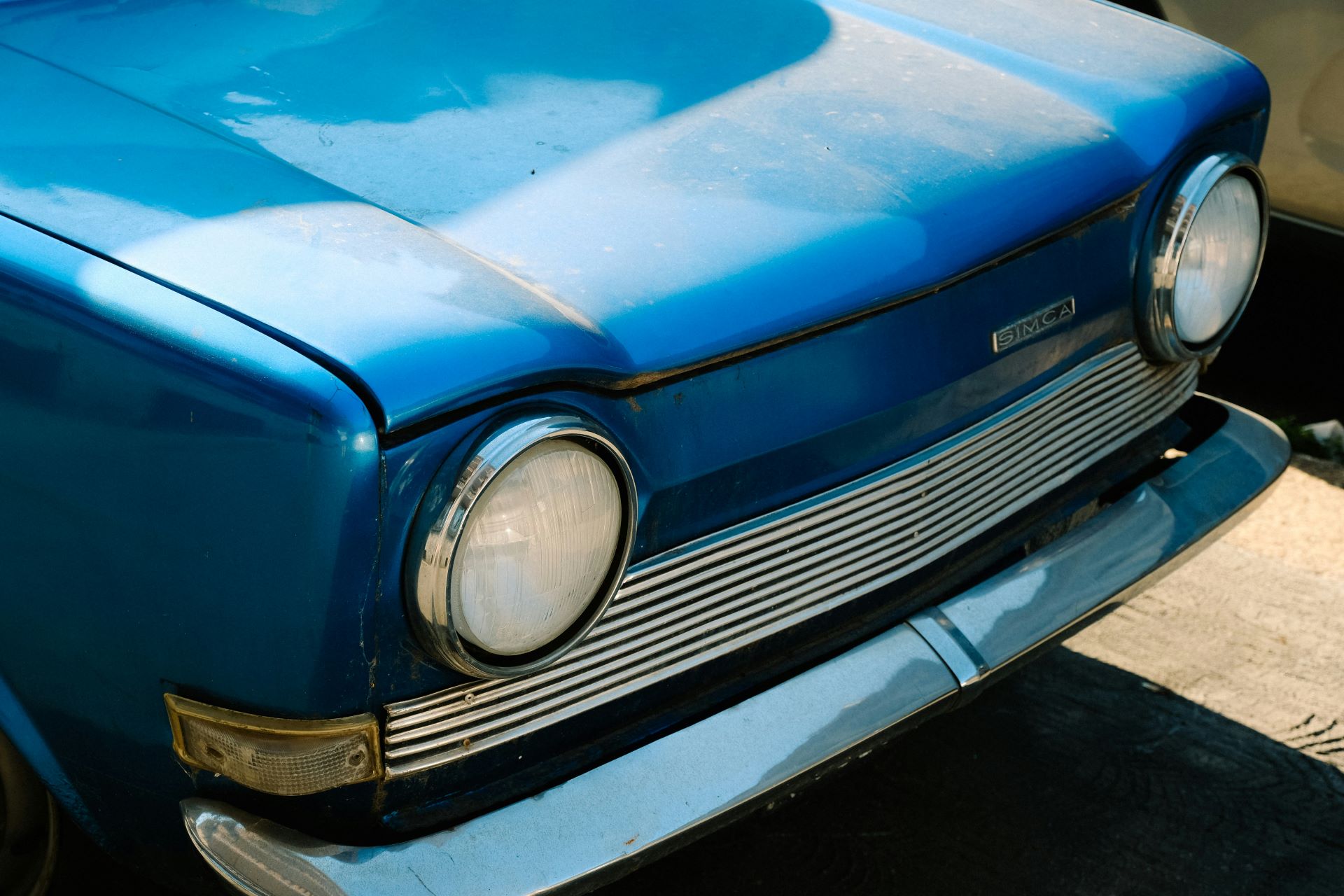
The Psychology of Nostalgia in Automotive Marketing
Humans are wired to respond to nostalgia. It stimulates memory pathways, releases dopamine, and often comes with a sense of longing or joy. In marketing, nostalgia is not about selling a product—it’s about selling an experience, a memory, a feeling. Cars, more than many products, are emotional anchors. People remember the car their parents drove, the one they learned to drive in, or the model that defined a youth spent chasing freedom and adventure.
For brands, invoking nostalgia taps into the collective consciousness. A subtle design cue—a classic grille, a rounded tail light, a familiar dashboard layout—can awaken emotions that modern innovations alone cannot achieve. Automakers who understand this psychological lever gain a marketing edge that is both subtle and profound.
Iconic Model Revivals: Bringing the Past to the Present
In recent years, several automakers have embraced the retro trend by reviving beloved models. The Ford Bronco, Volkswagen Beetle, and Mini Cooper are just a few examples. These revivals do more than update old designs—they reinterpret them for contemporary lifestyles.
The key to successful revivals lies in balance. Too faithful a reproduction can feel outdated; too modern, and it risks losing the nostalgic appeal. Successful marketing campaigns position these models as bridges between eras—honoring heritage while promising innovation. Advertising often juxtaposes archival imagery with current-day shots, underscoring the emotional continuity and timeless appeal of these vehicles.
Generational Appeal and Emotional Branding
Automakers today face a multi-generational audience. Baby Boomers remember the original classics; Gen X and Millennials may recall them from pop culture references; Gen Z encounters them through digital storytelling. By using nostalgia, brands can speak simultaneously to these demographics.
Emotional branding becomes the vehicle for this strategy. Campaigns highlight the joy of driving, the memories associated with a model, and the timelessness of design. Social media, too, amplifies the effect. User-generated content, online communities, and influencer collaborations allow younger audiences to engage with the retro narrative, while older consumers revisit cherished memories.
The result is a marketing ecosystem where nostalgia fuels loyalty, builds anticipation, and drives emotional investment in the brand.
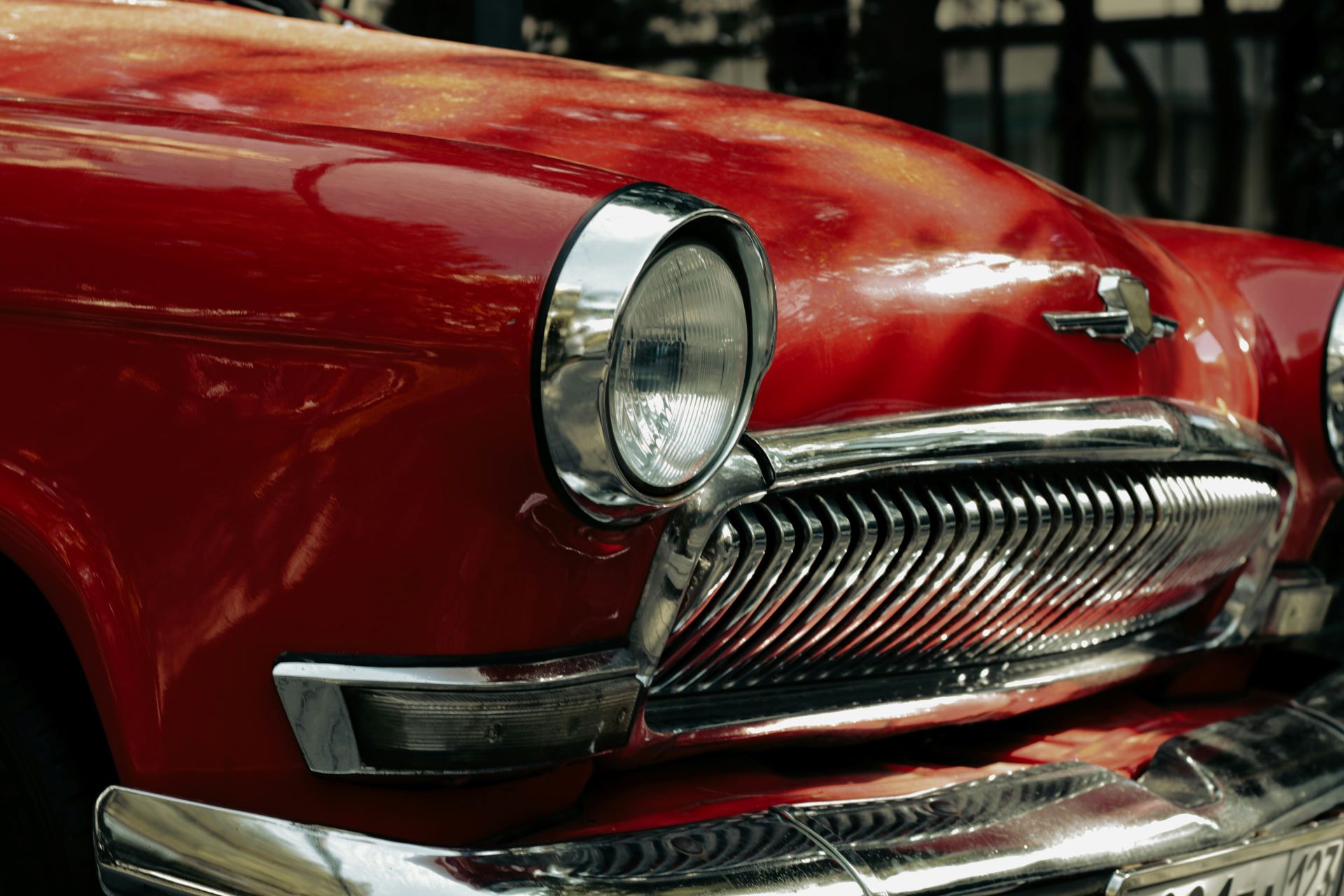
Design Cues: Subtle Signals of Retro Identity
Not every marketing success requires a full model revival. Sometimes, design cues alone can evoke nostalgia. The curvature of a headlight, the chrome trim along a door, or a distinctive color palette can trigger memories without relying on the vehicle’s nameplate.
Automakers increasingly use these cues across campaigns—both digital and experiential. For example, virtual reality showrooms may allow consumers to “customize” a modern car with retro-inspired trims, combining past aesthetics with present technology. This subtle approach attracts enthusiasts and casual buyers alike, reinforcing brand heritage without alienating those seeking contemporary innovation.
Storytelling Through Nostalgia
Nostalgia is most effective when embedded in storytelling. Commercials that evoke a family road trip, a first car experience, or cultural touchstones resonate deeply. Brands like Toyota, BMW, and Porsche have created campaigns where the narrative itself recalls a simpler, cherished time, while still highlighting modern safety, efficiency, and technology.
Storytelling can also occur in shorter, viral formats. Social media campaigns may juxtapose archival and current footage, while influencer partnerships invite audiences to share personal “retro moments.” Each story reinforces the brand’s authenticity, fostering a deeper connection between consumer and vehicle.
Challenges of the Retro Strategy
While nostalgia is compelling, it carries risks. Over-reliance on retro design may brand a vehicle as outdated or limit innovation perception. There’s also the potential for generational disconnect—what resonates with Baby Boomers might fall flat with Gen Z.
Marketing teams must strike a balance: invoking nostalgia without compromising relevance. Data-driven insights, focus groups, and trend analysis are essential to ensure campaigns evoke emotion, not confusion. Successful brands integrate retro elements with forward-looking features, creating products that honor the past while confidently moving into the future.
Case Studies: Automotive Nostalgia in Action
Ford Bronco: A successful blend of rugged heritage and modern capability, marketed with archival photos and adventure storytelling.
Mini Cooper: Maintains iconic design cues while embracing electric and hybrid technology, appealing across generations.
Volkswagen Beetle: Leveraged cultural nostalgia, though later iterations demonstrated the risks of over-modernization.
These examples illustrate how nostalgia, when thoughtfully applied, drives both brand equity and sales.
The Future of Retro Marketing in Automotives
As technology evolves, nostalgia’s role in automotive marketing will expand. Augmented reality experiences, digital twin showrooms, and AI-driven personalization can allow consumers to “experience the past” in immersive ways. Brands may even explore limited-run “heritage models” with bespoke features for collectors, blending exclusivity with emotional resonance.
Ultimately, nostalgia is more than a marketing tactic—it’s a strategic tool that aligns design, storytelling, and brand identity. When executed with precision, the retro effect transforms cars from commodities into cultural icons, driving both engagement and loyalty.
The retro effect demonstrates that automotive marketing is as much about emotion as it is about engineering. Nostalgia allows brands to connect generations, evoke cherished memories, and create emotional narratives that transcend traditional advertising. Whether through full model revivals, subtle design cues, or storytelling campaigns, nostalgia is a potent strategy that transforms cars into symbols of identity, memory, and aspiration.
For automotive brands navigating an increasingly competitive landscape, embracing the past may be the key to steering into the future.