The Psychology of Colour in Car Advertising
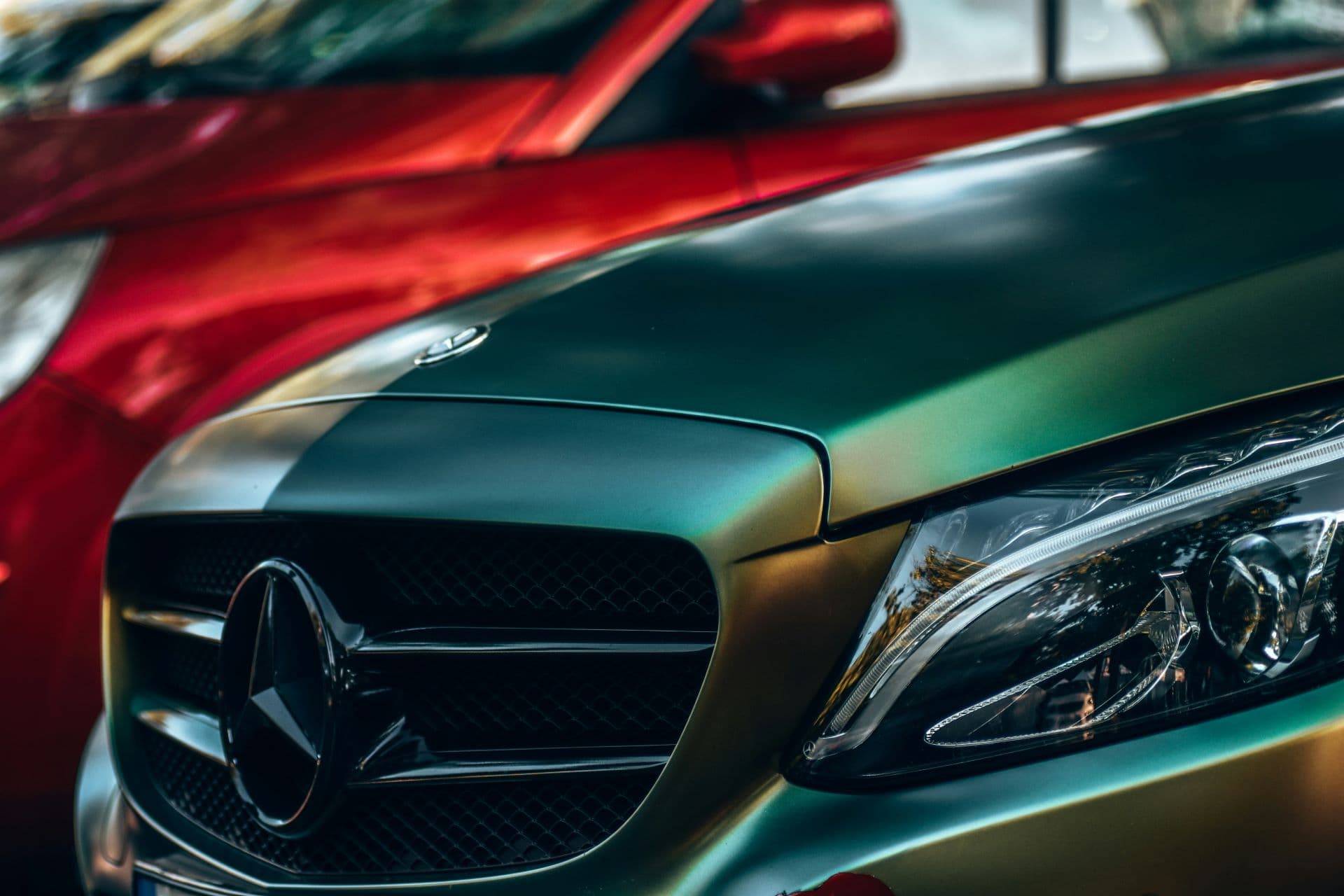
Colour is far more than a cosmetic choice in the automotive world. It subtly shapes perceptions, evokes emotions, and even influences the price a buyer is willing to pay. For marketers and designers alike, understanding the psychology of colour can unlock profound insights into consumer behaviour, bridging the gap between aesthetic appeal and commercial success.
The Emotional Language of Colour
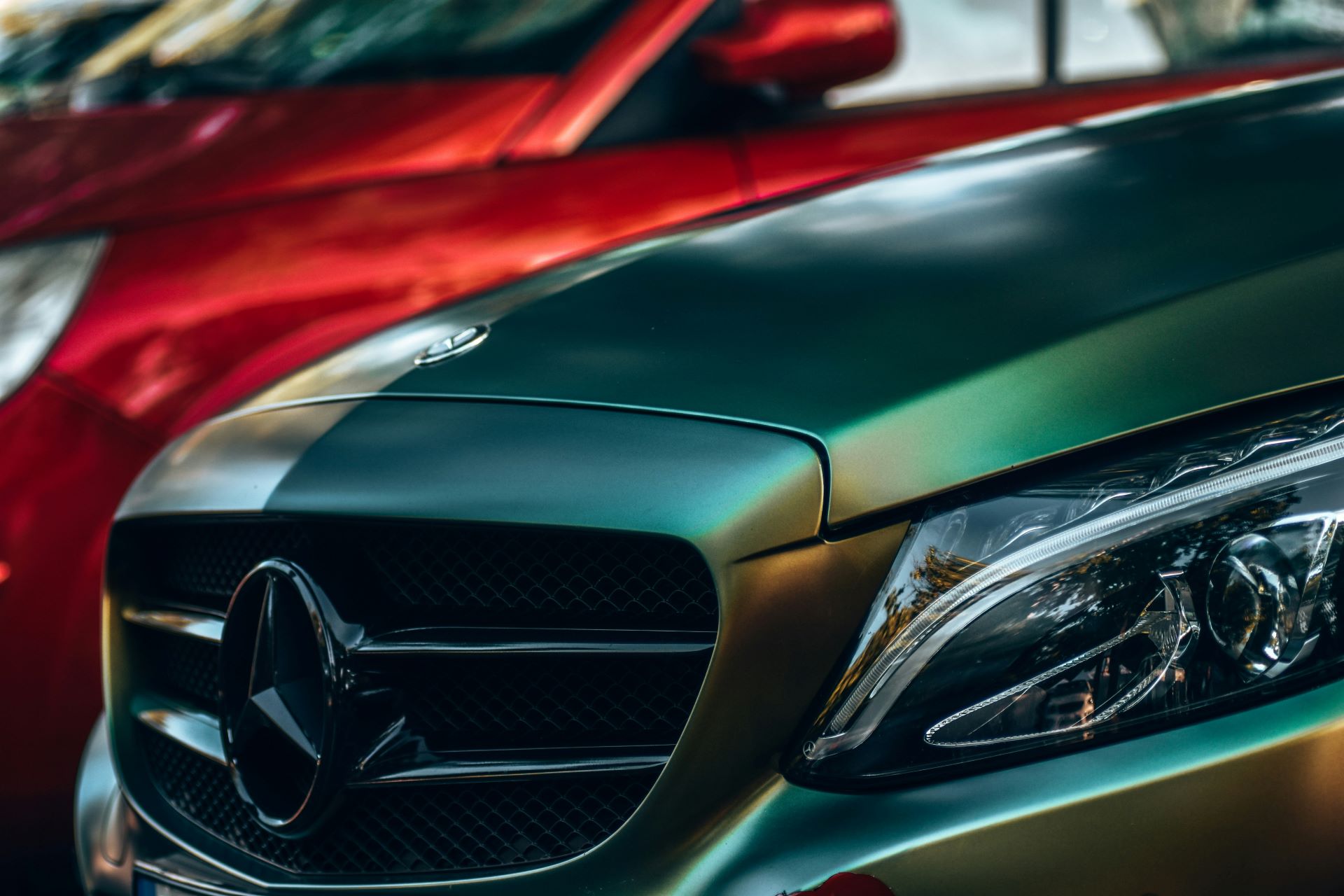
Every colour carries an emotional signature. Red ignites excitement and signals performance, making it a favourite for sports cars and vehicles aimed at younger buyers seeking thrill and visibility. Blue, by contrast, evokes trust, stability, and calm, often favoured in luxury sedans and executive fleets. Green implies eco-consciousness and sustainability, increasingly leveraged in electric vehicle marketing.
Automotive marketers who understand these associations can strategically position vehicles within a buyerÔÇÖs emotional landscape. A bold, fiery hue can elevate perceptions of speed and adventure, while muted tones of grey or silver convey reliability, professionalism, and timeless sophistication. Colour is an unspoken language that, when wielded effectively, communicates brand values before a single feature is described.
Colour and Perceived Value
Behavioural science reveals that colour doesnÔÇÖt just influence emotionÔÇöit affects perceived value. A vehicle in metallic or pearlescent shades often commands a higher price because the finish signals premium craftsmanship. Conversely, base colours like white or black may be perceived as safer, more functional, and approachable, aligning with mainstream market expectations but potentially limiting price elasticity.
In psychological terms, consumers subconsciously associate richer, deeper colours with higher status. This is particularly true in luxury and performance segments, where a carÔÇÖs shade can rival its engine and interior features in determining desirability. Pricing strategies in automotive marketing often leverage this insight: colour options are not arbitrary but carefully curated to enhance perceived quality and justify incremental cost.
Behavioural Insights from Automotive Design
Car designers collaborate closely with marketing teams to ensure colour resonates with target audiences. Research in behavioural economics and sensory marketing shows that buyers are influenced by both hue and context. A red hatchback on a crowded urban lot may appear dynamic, but the same hue in a muted, suburban environment might feel aggressive or out of place.
Material finish further complicates perception. Matte finishes suggest exclusivity and sophistication, while glossy coatings can communicate youthfulness and energy. Designers employ these principles to align a carÔÇÖs exterior with brand identity, often conducting focus groups and virtual simulations to test how subtle changes in shade affect emotional and cognitive responses.
The Cultural Dimension of Colour
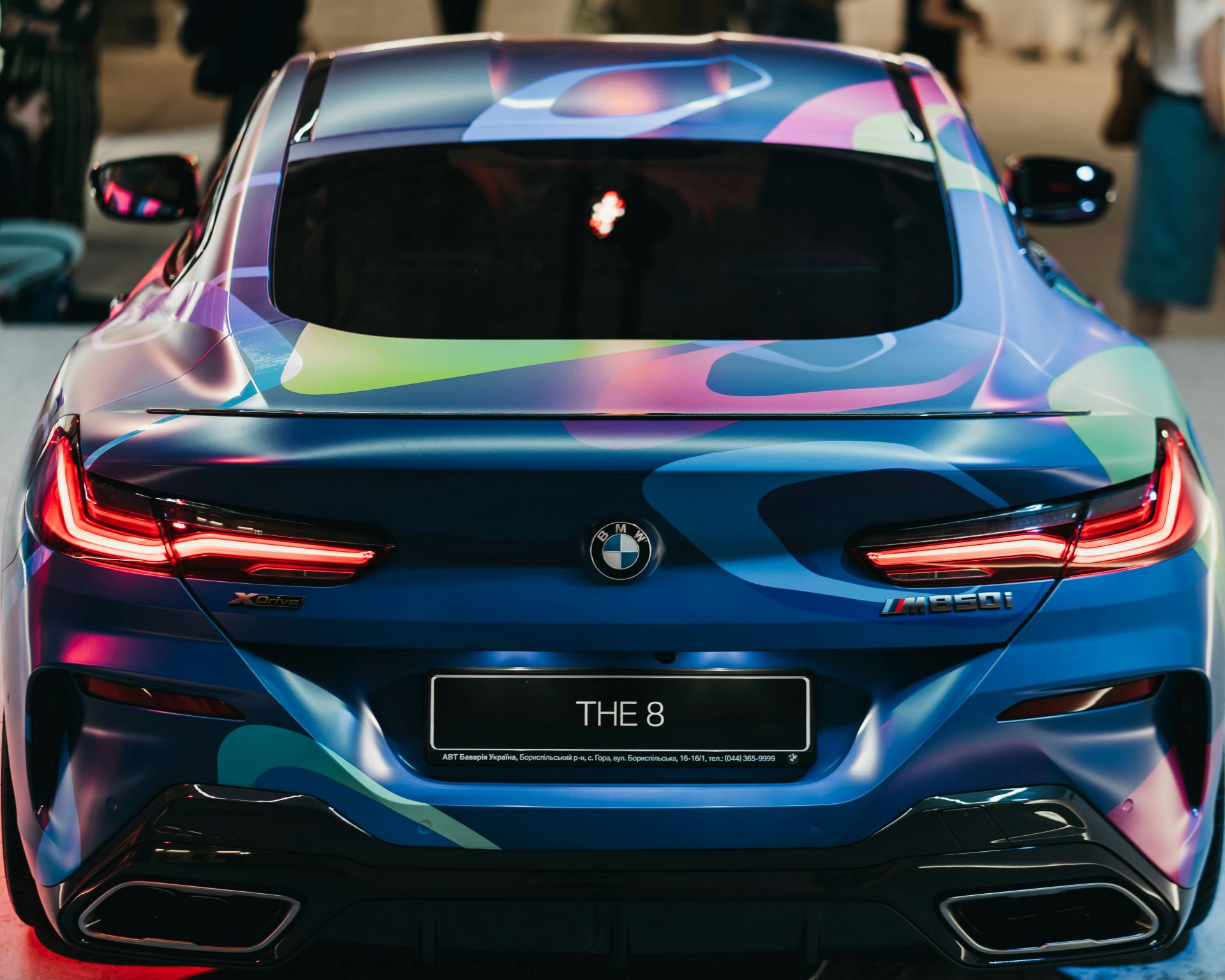
Global automotive marketing cannot ignore cultural differences in colour perception. White symbolizes purity and modernity in many Western markets, yet in some East Asian contexts, it can be linked to mourning. Red conveys luck and prosperity in China but may signal danger in other regions. Marketers and designers must account for these nuances when planning launches, advertising campaigns, and vehicle configurations for international audiences.
This cultural sensitivity extends to promotional material as well. Brochures, digital ads, and showrooms are meticulously designed to ensure that the colour narrative aligns with regional expectations, avoiding dissonance that could undermine brand credibility.
Colour and Brand Identity
Colour is integral to automotive brand identity. Ferrari is synonymous with ÔÇ£Rosso Corsa,ÔÇØ a red that embodies performance, heritage, and passion. BMW leverages understated shades like Alpine White and Carbon Black to signal precision engineering and sophistication. TeslaÔÇÖs minimalist palette reinforces its futuristic, technology-driven ethos.
For marketers, these associations provide fertile ground for storytelling. Colour choices in campaigns are not merely aesthetic; they reinforce brand positioning and differentiate vehicles in a crowded marketplace. Buyers often choose a colour that resonates with their personal identity, and brands that align their palette with aspirational values strengthen both attachment and loyalty.
The Digital Shift in Colour Perception
As car shopping increasingly migrates online, colour perception has gained new complexity. Digital screens, ambient lighting, and software simulations can distort or enhance a vehicleÔÇÖs true shade. Marketers and designers now invest in high-fidelity renderings and augmented reality tools that let consumers explore colour in diverse contexts, ensuring that online impressions translate to showroom satisfaction.
Behavioural research indicates that consumersÔÇÖ confidence in colour choice can directly influence purchase likelihood. Accurate digital representation reduces hesitation, mitigates post-purchase regret, and increases perceived value. Colour, in this digital era, becomes both a sensory and transactional tool.
Colour as a Strategic Lever in Advertising
Advertising campaigns exploit colour to drive emotional resonance and brand recognition. Hero imagery often pairs vehicles with complementary environments: a striking yellow SUV against a lush forest evokes adventure and vitality, while a deep blue sedan under city lights communicates professionalism and calm.
Marketers also harness colour contrast and saturation in promotional material to guide attention, evoke desire, and anchor pricing perceptions. Limited-edition colours create urgency, while signature brand hues reinforce recall and loyalty. In automotive marketing, colour is a strategic lever, subtly influencing both perception and behaviour at every touchpoint.
Psychological Experiments and Industry Insights
Behavioural experiments in colour psychology consistently affirm its impact on automotive preferences. Test drives reveal that consumers often rate the same vehicle differently based solely on colour. Eye-tracking studies show heightened engagement with bright, saturated shades, while muted tones encourage thoughtful consideration and reflection.
Industry insights from automotive consultancies highlight that colour palettes can also affect inventory turnover. Certain shades appeal to early adopters and trend-conscious buyers, while conservative tones attract mainstream consumers seeking long-term practicality. Strategic palette management ensures that marketing, pricing, and production remain harmonized.
Colour as More Than Aesthetic
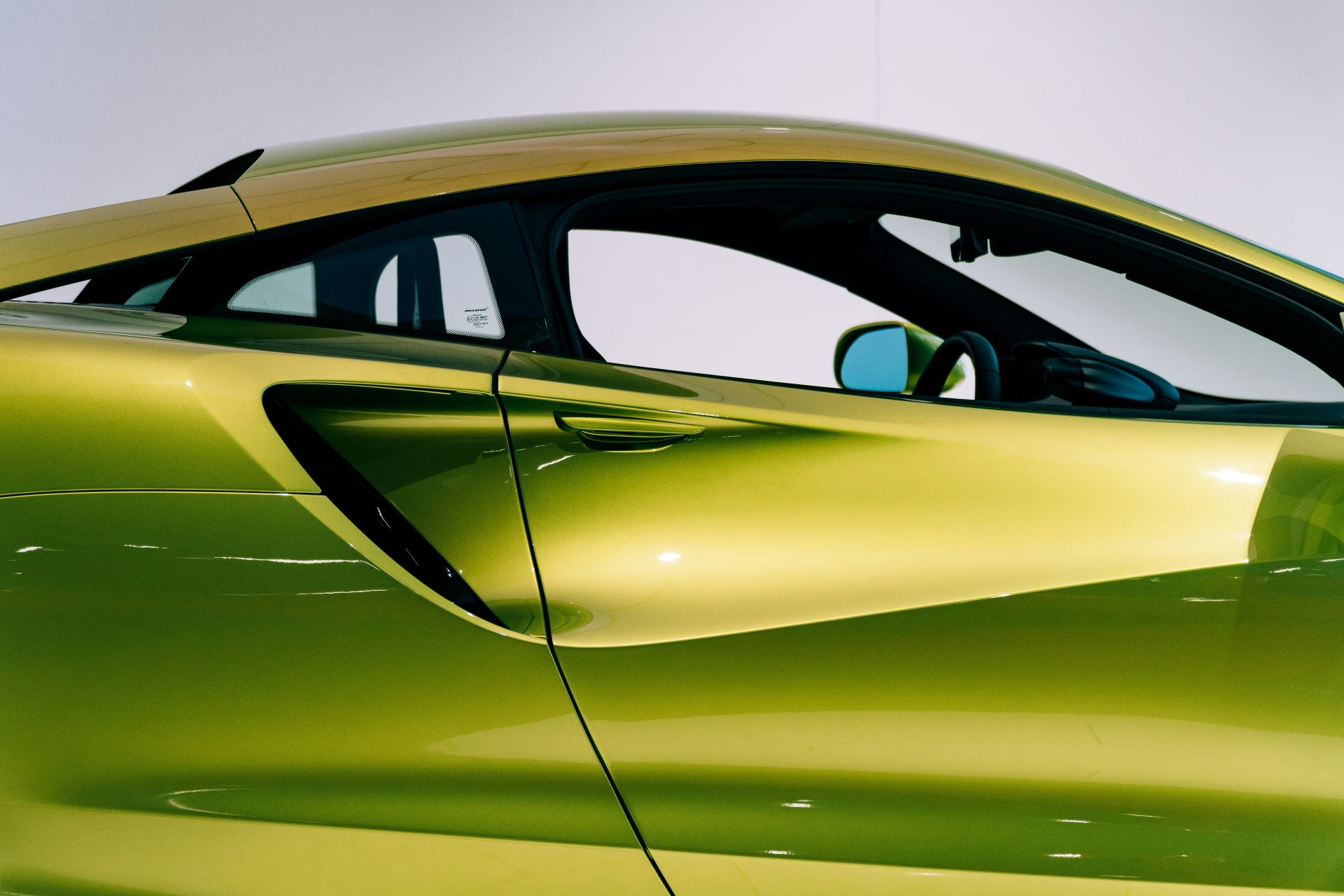
Colour in car advertising transcends aesthetics. It is a psychological tool that shapes emotion, perception, and even willingness to pay. By integrating insights from design, behavioural science, and cultural awareness, automotive marketers can craft campaigns that resonate deeply, reinforce brand identity, and optimize commercial outcomes.
In a competitive market where differentiation is subtle and attention spans are fleeting, colour emerges as both art and scienceÔÇöa language that communicates value, identity, and aspiration before a single engine revs or a feature is revealed. For brands that master this interplay, colour is not just an option; it is a strategic imperative.
Breyten Odendaal
Specializing in high-performance automotive advertising and digital marketing solutions, delivering cutting-edge insights and the latest news shaping the automotive industry in South Africa.
More From Advertising

Automotive Advertising in 2026: Selling Confidence in a More Competitive Market
As South Africa’s vehicle market becomes more competitive, automotive advertising needs to do more than announce a price or specification. It needs to help buyers understand value, ownership costs and why a vehicle suits their lives.

Automotive Digital Ads in South Africa: A Shift
Exploring how South Africa’s automotive advertising evolved from print and broadcast to data-driven, programmatic digital ecosystems.

The Video Shift in Car Buying Decisions in SA
Explore how video content shapes car purchase decisions in South Africa, comparing short-form and long-form strategies for automotive marketers.