

The Psychology of Automotive Branding: Trust, Luxury & Legacy
Author
Breyten Odendaal
Date Published
Automotive branding is more than a logo on a hood or a tagline in a commercial. It is a carefully crafted psychological tool, designed to evoke emotion, inspire trust, and influence the most personal of purchasing decisions. In a market saturated with technical specifications and price comparisons, the intangible qualities of a brand—its identity, story, and perceived heritage—often dictate whether a car moves from a showroom to a driveway. This article explores how luxury, trust, and heritage storytelling drive consumer behavior, shaping the automotive landscape in profound ways.
Understanding Automotive Branding Psychology
At its core, branding taps into human psychology. It answers the question: why do people choose one car over another, even when performance, price, and features are similar? Studies in consumer behavior show that brand perception directly impacts buyer loyalty and willingness to pay premium prices.
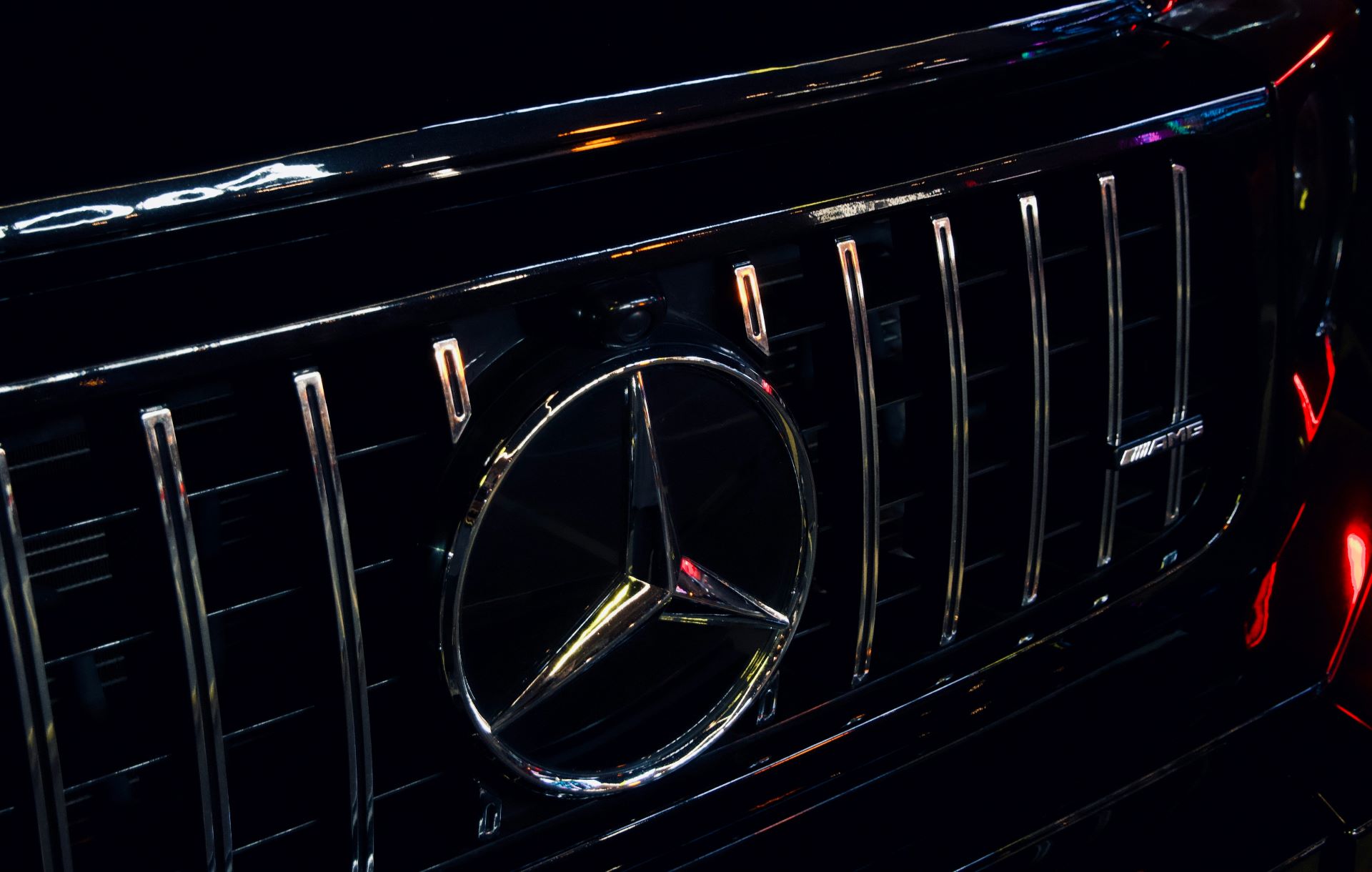
Luxury brands, in particular, leverage aspirational storytelling to create an aura of exclusivity. When a buyer chooses a Mercedes-Benz, Audi, or Jaguar, they are not just purchasing a vehicle—they are buying into a lifestyle. The sleek lines, signature grille designs, and premium interiors serve as psychological triggers that signal status and achievement. These cues influence decision-making subconsciously, often overriding objective evaluation.
Even outside the luxury segment, trust plays a central role. Consumers associate well-established brands with reliability, safety, and longevity. A brand’s reputation can make the difference between a first-time buyer taking a risk on an unfamiliar manufacturer or gravitating toward a familiar, trusted name. Trust, once established, reduces perceived risk and strengthens long-term loyalty.
Luxury as a Psychological Driver
Luxury is more than an aesthetic; it is an emotional proposition. Luxury automotive branding employs a combination of sensory experience, craftsmanship, and narrative to evoke pride and desire. From the leather stitching to the smooth hum of an engine, every detail is meticulously designed to reinforce the perception of premium quality.
Marketing campaigns for luxury vehicles often emphasize more than just the product—they sell an identity. Lifestyle imagery featuring elite settings, celebrated influencers, and high-status experiences associates the brand with aspirational living. This storytelling triggers emotional connections, positioning the car not merely as a tool for transportation but as a reflection of personal success.
Importantly, luxury branding also thrives on scarcity and exclusivity. Limited edition releases, bespoke options, and high resale value feed into a psychological principle known as the scarcity effect. Consumers perceive higher value in products that appear rare or unattainable, amplifying desirability and, by extension, brand prestige.
Building Trust Through Consistency
While luxury captures imagination, trust secures loyalty. Trust is cultivated through consistent performance, transparent communication, and positive user experiences. A vehicle that consistently delivers on promises—whether reliability, safety, or fuel efficiency—reinforces the brand’s credibility.
Advertising messaging also plays a role. Authentic storytelling that highlights the brand’s commitment to engineering excellence or customer satisfaction strengthens perceived reliability. For instance, Volvo’s emphasis on safety and Audi’s dedication to precision engineering are not just marketing angles—they are psychological reinforcements of brand values. When a buyer associates a brand with unwavering quality, it reduces cognitive dissonance during the purchase decision.
Trust is further enhanced by social proof. Awards, certifications, and customer testimonials serve as external validation, reassuring buyers that their choice is safe, intelligent, and socially endorsed. In the digital age, peer reviews and online communities amplify these signals, making trust an even more critical component of automotive branding strategy.
Heritage and the Power of Storytelling
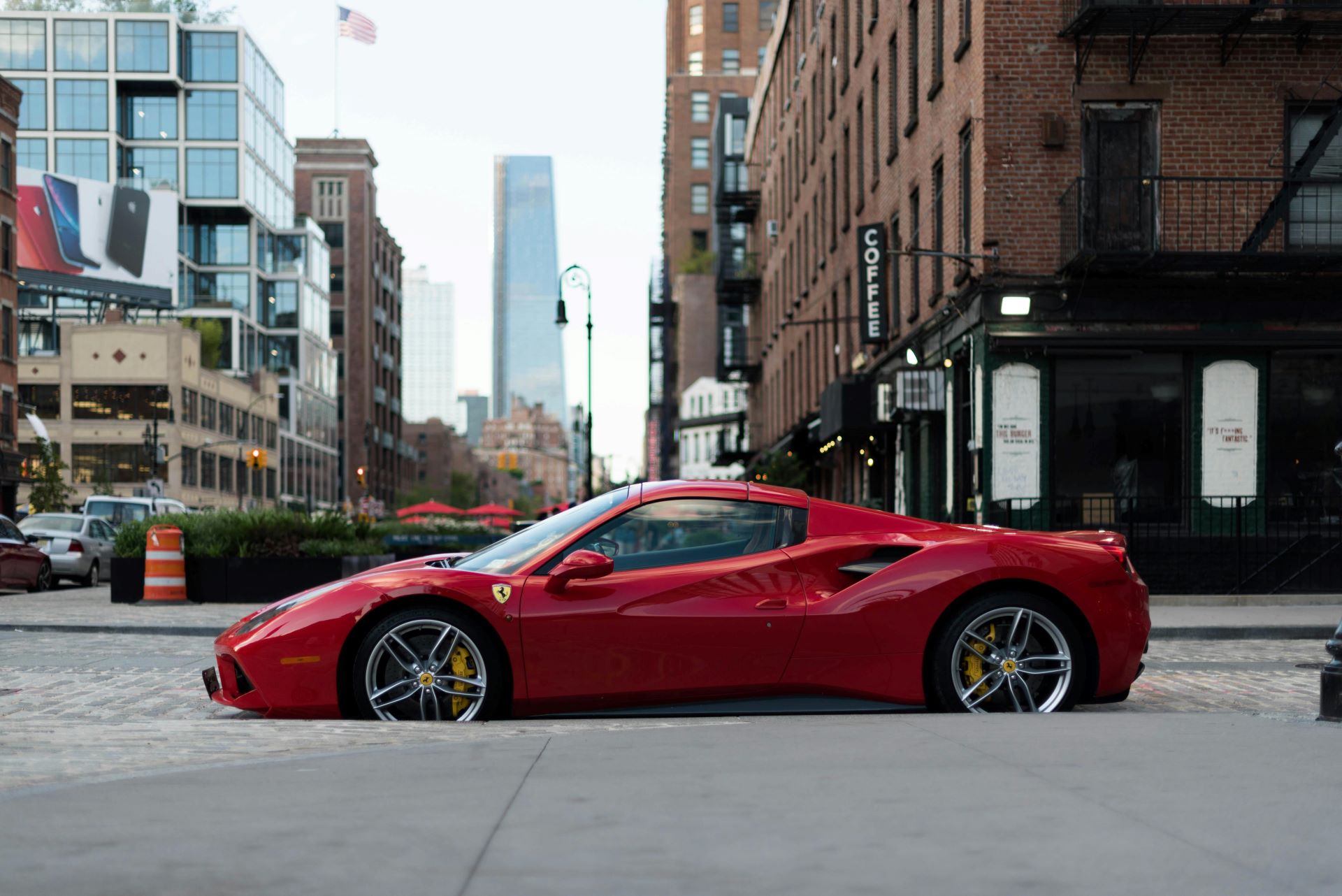
Heritage is another powerful psychological lever. Brands with a rich history—Ferrari, Porsche, Land Rover—use their legacy to convey authenticity and authority. Heritage communicates longevity, stability, and mastery, all of which resonate with consumers seeking reliability and pride of ownership.
Storytelling is central to heritage branding. Sharing milestones, innovations, and iconic moments humanizes the brand and builds emotional connections. A narrative of triumph over engineering challenges or decades of design evolution invites buyers to become part of a continuing story. This emotional engagement often surpasses the appeal of specifications, making heritage a critical differentiator in competitive markets.
Emotional Engagement Beyond Features
The psychology of automotive branding extends beyond luxury, trust, and heritage. Emotions play a central role in how buyers perceive value. Anticipation, excitement, and nostalgia all shape purchasing behavior.
Consider limited-edition sports cars: the thrill of exclusivity and potential collector value can outweigh practical considerations like fuel efficiency or cargo space. Similarly, nostalgic cues—reviving classic design elements or celebrating historical achievements—tap into deep-seated memories and aspirations, reinforcing brand identity on a personal level.
Automotive brands that master emotional storytelling create what psychologists call “brand attachment.” Consumers become advocates, not just buyers, because the brand resonates with their identity, values, and lifestyle aspirations.
The Role of Visual Identity and Design
Visual branding is another critical psychological tool. Logos, color schemes, and design language communicate personality and status. BMW’s kidney grille, Porsche’s silhouette, and Tesla’s minimalist dashboard are instantly recognizable signals that convey innovation, performance, and luxury.
Consistency across touchpoints—from showroom design to social media presence—strengthens brand recognition and recall. Familiarity fosters comfort, and comfort reduces perceived risk, subtly influencing purchasing decisions. In a crowded automotive marketplace, a strong visual identity is not just aesthetic; it is a strategic psychological lever.
Digital Era Branding and Psychological Influence
In the modern digital landscape, automotive branding extends to virtual experiences. Social media, virtual showrooms, and augmented reality apps create immersive brand interactions. These experiences reinforce emotional engagement, trust, and aspirational appeal, often before the consumer even steps into a dealership.
Digital storytelling allows brands to control narratives more tightly, curate community engagement, and leverage data-driven insights to personalize experiences. Personalized interactions increase perceived relevance and deepen brand attachment, demonstrating that even in a technology-driven age, psychology remains at the heart of automotive marketing.

Branding as a Strategic Psychological Tool
Automotive branding is more than marketing; it is an intricate psychological mechanism that shapes perception, drives desire, and ultimately influences buying decisions. Luxury evokes aspiration, trust reduces perceived risk, and heritage reinforces authenticity. Together, these forces create a compelling narrative that extends beyond the functional aspects of a vehicle.
For marketers, understanding these psychological drivers is essential. Every campaign, touchpoint, and storytelling opportunity should reinforce the brand’s identity, engage the consumer emotionally, and cultivate loyalty. In a market where specifications can be matched and prices can be compared, the intangible power of branding often determines who wins the customer’s heart—and their wallet.