
In the modern automotive landscape, environmental awareness is no longer optionalÔÇöitÔÇÖs essential. Consumers increasingly consider the ecological footprint of their vehicles, while forward-thinking automotive brands are embracing sustainability as a core part of their identity. Understanding the environmental impact of your vehicle isnÔÇÖt just about numbers on a spec sheet; itÔÇÖs about making choices that reflect a commitment to a cleaner, greener future.
Understanding the Environmental Cost of Driving
Every vehicle leaves a mark on the planet, from the emissions it produces to the energy consumed in its production. Internal combustion engines (ICE) continue to dominate many markets, yet they emit carbon dioxide (COÔéé), nitrogen oxides (NOx), and particulate matter that contribute to climate change and air pollution.
But emissions are only part of the story. Vehicle production itselfÔÇösteel, aluminium, plastics, and electronic componentsÔÇörequires vast amounts of energy, often sourced from fossil fuels. A compact car may seem eco-friendly in operation, yet its production can be surprisingly resource-intensive. Similarly, end-of-life disposal, recycling, and battery degradation in electric vehicles (EVs) carry environmental considerations that consumers should understand.
Choosing Vehicles with a Lower Ecological Footprint
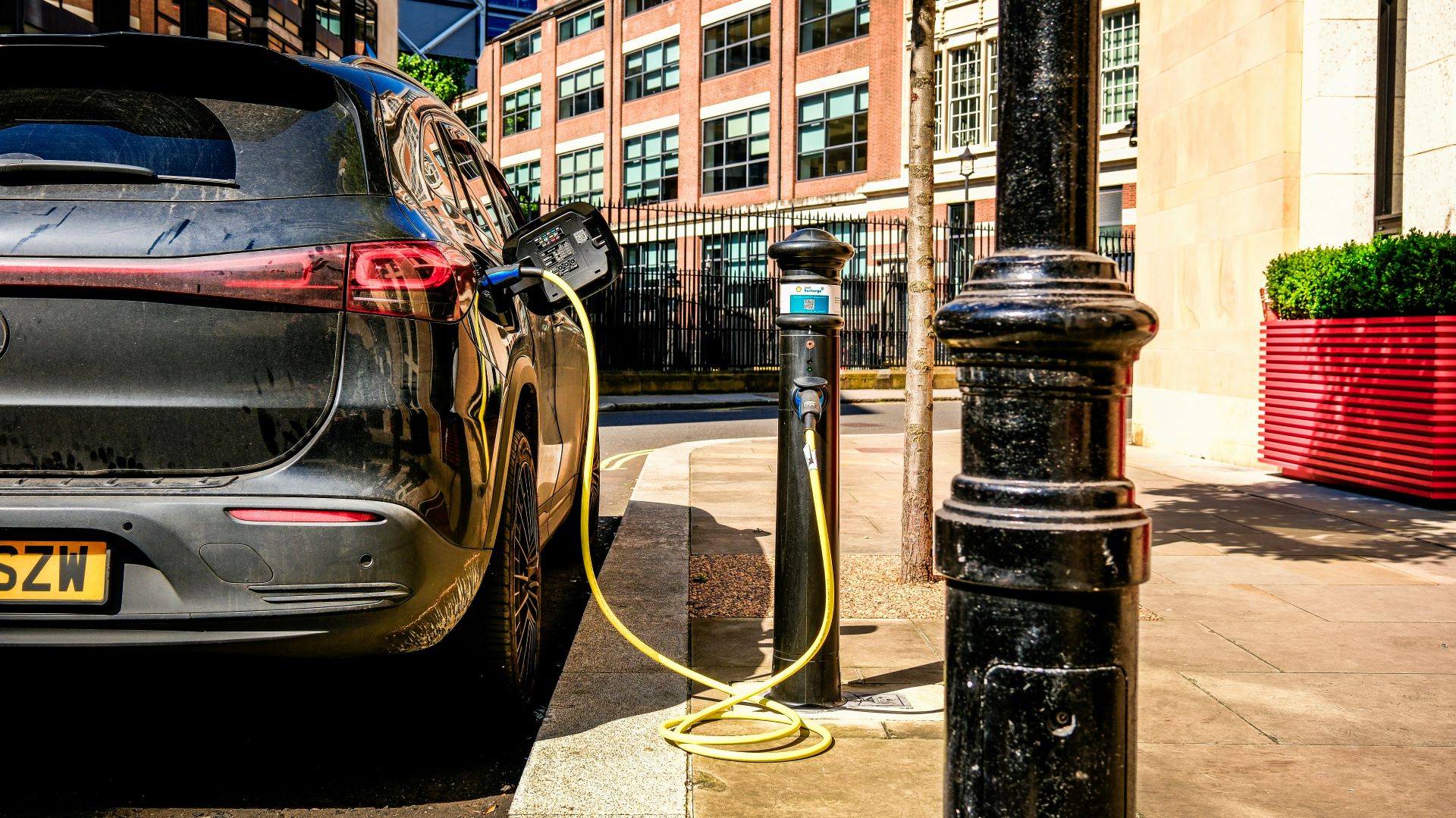
The first step toward reducing environmental impact begins with informed choice. Modern automotive brands are developing vehicles with advanced efficiency technologies, from turbocharged engines to hybrid drivetrains, offering both performance and responsibility. Electric vehicles, powered by clean energy, have emerged as the flagbearers of sustainable driving, producing zero tailpipe emissions.
Brands are increasingly transparent about life-cycle emissions, helping buyers understand the total impact of a vehicleÔÇöfrom production to disposal. The rise of eco-labeling and COÔéé rating systems in many countries empowers consumers to make decisions that align with environmental values.
The Role of Automotive Brands in Sustainability
Forward-thinking automotive brands are not waiting for consumer demand aloneÔÇöthey are actively shaping the future of mobility. Many are investing heavily in electrification, renewable energy-powered manufacturing, and sustainable materials, from recycled plastics to sustainably sourced textiles.
Corporate responsibility extends beyond vehicles themselves. Programs supporting carbon offsetting, reforestation, and community-based environmental initiatives show consumers that brands are serious about impact. Such initiatives position automotive companies as partners in building a sustainable future rather than mere suppliers of machinery.
Driving Habits and Their Impact
Even with the most eco-conscious vehicle, driving habits matter. Aggressive acceleration, high-speed cruising, and frequent short trips increase fuel consumption and emissions. By adopting smoother driving techniques, maintaining appropriate tire pressure, and adhering to service schedules, drivers can significantly reduce their ecological footprint.
Modern vehicles often include efficiency-focused technologies such as regenerative braking, eco-modes, and real-time fuel consumption feedback, enabling drivers to see their environmental impact in real time. These innovations are part of a larger trend: vehicles that not only perform but also educate and empower their owners to drive responsibly.

Maintenance and Longevity
A well-maintained vehicle is inherently more environmentally friendly. Simple actionsÔÇöregular servicing, oil changes, air filter replacementsÔÇöimprove efficiency and reduce emissions. Longevity also plays a key role. Vehicles that last longer reduce the environmental costs of manufacturing and disposal. Brands that design durable, repairable vehicles demonstrate a commitment to sustainability while giving consumers tangible benefits in reliability and total cost of ownership.
Electric Vehicles: The Game Changer
Electric vehicles (EVs) are transforming the automotive industryÔÇÖs environmental impact. Zero tailpipe emissions, combined with increasingly renewable energy sources, make EVs a cornerstone of sustainable mobility. Automakers are investing not only in EV production but also in battery recycling and supply chain sustainability, addressing common criticisms about environmental trade-offs.
EVs are not without challenges, but innovations in battery chemistry, charging infrastructure, and life-cycle management are rapidly improving their ecological profile. Progressive brands use these advancements to highlight their commitment to both performance and planetary responsibility.
Eco-conscious Choices Beyond the Vehicle
Environmental responsibility extends beyond the purchase decision. Choosing a vehicle is part of a broader lifestyle consideration, including route planning, car-sharing, and public transport integration. Brands that provide mobility solutionsÔÇöride-hailing, subscription models, and vehicle-to-grid integrationÔÇöencourage consumers to reduce individual car dependency while still enjoying personal mobility.
By supporting these initiatives, automotive brands position themselves as thought leaders in sustainable living, creating a stronger connection with eco-conscious consumers.
Communicating Environmental Leadership
Marketing sustainability is about authenticity. Consumers can easily detect superficial ÔÇ£greenwashing,ÔÇØ so brands must communicate concrete achievements in emissions reduction, resource efficiency, and environmental stewardship. Content that educates, inspires, and demonstrates tangible progress resonates with buyers while reinforcing brand integrity.
From showcasing recycled materials to highlighting renewable energy usage in manufacturing plants, transparency is key. Environmental leadership becomes a differentiator, elevating a brand above competitors who focus solely on performance or aesthetics.

A Sustainable Automotive Future
The automotive industry is at a pivotal moment. The convergence of consumer demand, regulatory pressure, and technological innovation is shaping a future where sustainability is inseparable from mobility. Brands that embrace this shiftÔÇöthrough electrification, circular economy principles, and responsible marketingÔÇöwill not only reduce environmental impact but also cultivate long-term loyalty among increasingly eco-aware customers.
For drivers, the choice of vehicle represents more than transportationÔÇöit reflects values, priorities, and the kind of world they want to leave behind. Every decision, from the engine type to driving style, contributes to this broader narrative. Automotive brands that acknowledge this responsibility and lead by example position themselves as partners in creating a cleaner, greener, and more sustainable future.
Breyten Odendaal
Specializing in high-performance automotive advertising and digital marketing solutions, delivering cutting-edge insights and the latest news shaping the automotive industry in South Africa.
More From Advertising

Automotive Advertising in 2026: Selling Confidence in a More Competitive Market
As South Africa’s vehicle market becomes more competitive, automotive advertising needs to do more than announce a price or specification. It needs to help buyers understand value, ownership costs and why a vehicle suits their lives.

Automotive Digital Ads in South Africa: A Shift
Exploring how South Africa’s automotive advertising evolved from print and broadcast to data-driven, programmatic digital ecosystems.

The Video Shift in Car Buying Decisions in SA
Explore how video content shapes car purchase decisions in South Africa, comparing short-form and long-form strategies for automotive marketers.