

Smart Car Tech That Protects Your Investment and Boosts Resale
Date Published
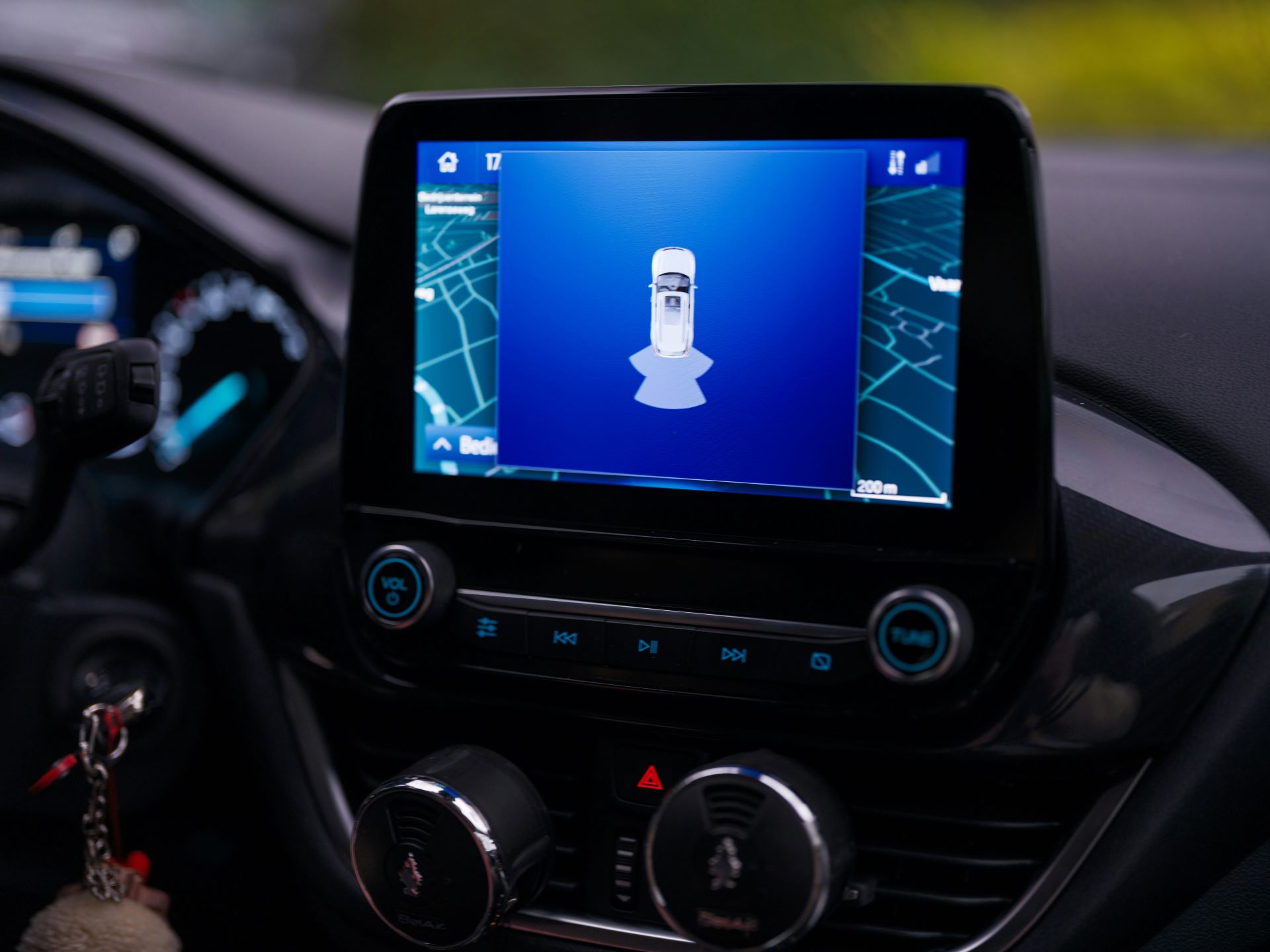
In today’s automotive landscape, vehicle resale value is influenced by more than just mileage, engine size, or exterior styling. Buyers increasingly consider technology as a key factor in determining the attractiveness of a used car. Advanced safety features, infotainment systems, connectivity, and maintenance tracking all contribute to long-term value. For car owners and investors alike, understanding which technologies maximize resale potential is essential.
Cars equipped with the right combination of tech features not only command higher resale prices but also sell faster, reducing the total cost of ownership. This article explores the car technologies that significantly impact resale value, offering insights for buyers and sellers alike.
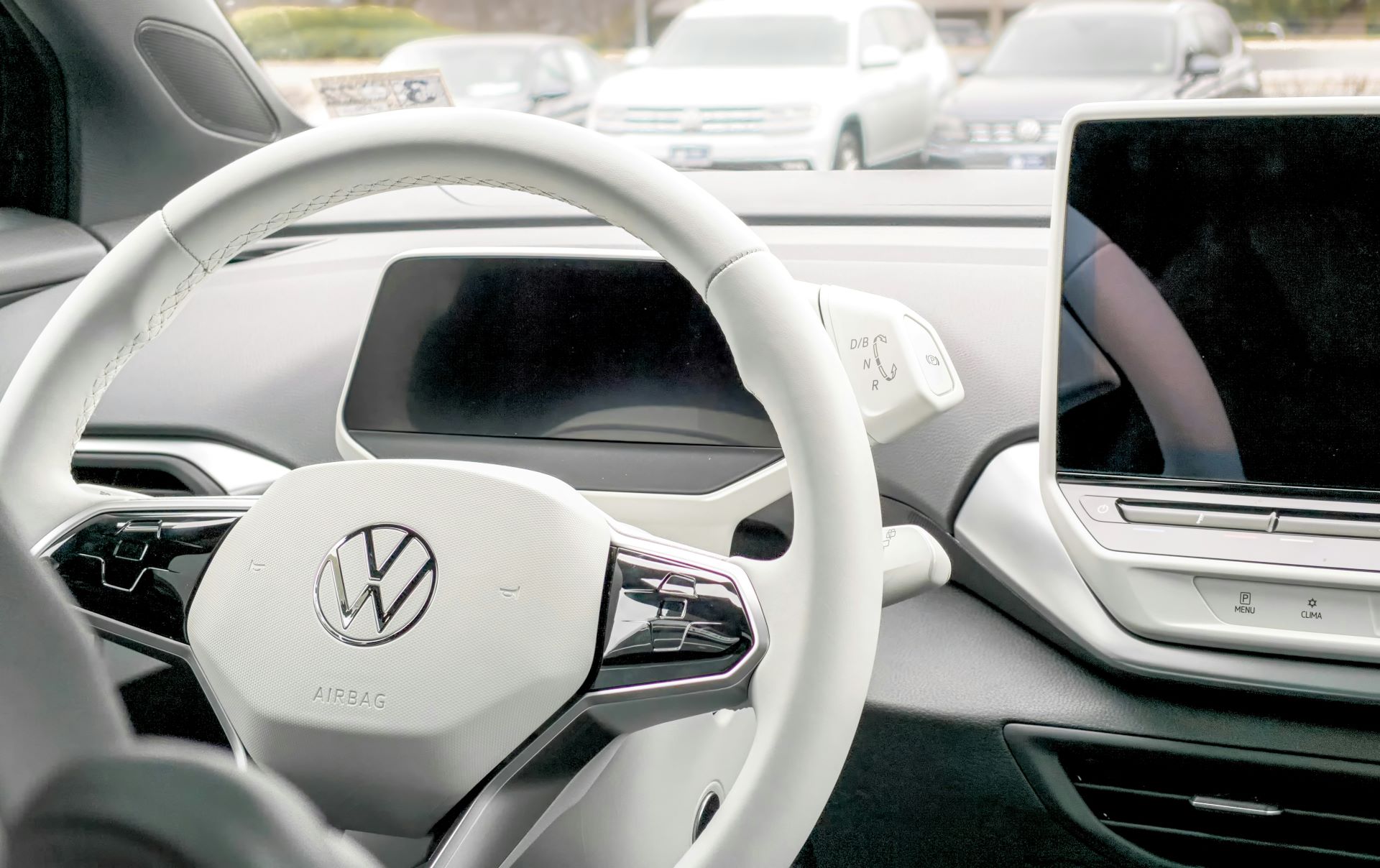
Safety Tech: Protecting Value Through Innovation
Safety has always been a critical consideration for car buyers. In the resale market, it plays an even more significant role. Vehicles equipped with advanced safety systems such as adaptive cruise control, blind-spot monitoring, lane-keeping assist, and automatic emergency braking consistently outperform similar models without these features.
Why Safety Tech Matters
Modern safety technology is not just about avoiding accidents; it signals quality engineering and long-term usability. Buyers perceive vehicles with advanced safety systems as less risky, which translates into higher resale value. Insurance costs can also be lower for cars with advanced safety features, adding an additional financial incentive for buyers.
Real-World Examples
Consider the Mercedes-Benz E-Class, which has long been equipped with sophisticated safety systems. Used E-Class vehicles often retain higher resale value compared to competitors because buyers trust the technology to reduce accident risk. Similarly, mainstream brands like Toyota and Honda have integrated safety features across their lineup, making these cars more appealing in the second-hand market.
Safety isn’t limited to high-end vehicles. Brands like Hyundai and Kia have introduced smart safety packages even in entry-level trims, proving that well-equipped, safe cars are universally attractive.
Infotainment and Connectivity: Meeting Modern Expectations
The modern car buyer values digital integration as much as mechanical performance. Infotainment systems such as Apple CarPlay, Android Auto, and in-car Wi-Fi are increasingly expected. Vehicles without these features often appear outdated, even if their engine and bodywork are in excellent condition.
Digital Desirability
Touchscreen infotainment, voice control, and smartphone integration are now essential selling points. Cars with these features appeal to tech-savvy buyers who prioritize convenience and connectivity. Features such as GPS navigation, real-time traffic updates, and smart apps that allow remote monitoring further enhance the car’s attractiveness.
Case Study: Tesla Model 3
Tesla vehicles, with their always-connected interface and over-the-air updates, demonstrate how connectivity preserves value. Even older Model 3s retain high resale prices because buyers value software features that continue to improve the vehicle over time.
Driver Assistance Systems: Comfort and Convenience
Technology that enhances the driving experience also impacts resale. Features such as parking sensors, 360-degree cameras, adaptive headlights, and automated parking assist make vehicles more accessible and enjoyable to drive.
The Value of Convenience
Cars that reduce stress and simplify driving attract more buyers in the used market. Automated parking, for example, appeals to urban dwellers who face tight spaces daily. Adaptive headlights improve nighttime visibility, further adding to perceived value.
Regional Insights
In markets like South Africa, where urban congestion and road conditions vary widely, driver-assist technologies can dramatically affect resale. Buyers are more likely to pay a premium for cars that improve comfort and reduce driver fatigue.
Hybrid and Electric Technologies: Future-Proofing Your Investment
Environmental consciousness and rising fuel costs have increased demand for hybrid and electric vehicles (EVs). Cars with regenerative braking, smart battery management, and energy-efficient drivetrains retain higher resale value than traditional internal combustion engine vehicles.
The Long-Term Advantage
Hybrids and EVs offer lower running costs, which attracts used car buyers. Advanced battery management systems that optimize longevity are particularly appealing. A car that demonstrates reliability and efficiency will consistently command a higher resale price.
Example: Toyota Prius
The Toyota Prius, one of the earliest mainstream hybrids, retains exceptional resale value due to its proven battery longevity and fuel efficiency. Even older models attract buyers who prioritize savings on fuel and reduced environmental impact.

Telematics and Maintenance Tracking: Transparency Sells
Technology that documents maintenance and driving history adds measurable value to used vehicles. Telematics systems that track mileage, service intervals, and driving patterns allow buyers to assess how well a car was cared for.
Benefits of Maintenance Transparency
Cars with verifiable maintenance records attract higher offers because buyers perceive them as lower risk. Preventive diagnostics enabled by telematics ensure that potential issues are addressed early, minimizing depreciation due to wear and tear.
Brand Example: BMW and Audi
Premium brands such as BMW and Audi offer telematics solutions that record vehicle history and service schedules. Used vehicles with these records sell faster and at higher prices compared to similar models without documented maintenance.
Material and Build Innovations: Durability Drives Value
Resale value isn’t just about electronics; the materials and construction quality of a vehicle are crucial. Scratch-resistant paints, corrosion-proof panels, premium upholstery, and UV-resistant trims all contribute to long-term appeal.
Maintaining Appearance
Cars that retain a fresh appearance are inherently more attractive to buyers. Durability features reduce visible wear and tear, preserving the perception of quality. In the used-car market, even minor scratches or faded interiors can significantly reduce offers, making these technologies worthwhile investments.
Over-the-Air Updates: Keeping Your Car Relevant
Over-the-air (OTA) software updates allow vehicles to improve functionality without a visit to a dealership. From updated navigation maps to enhanced infotainment features, OTA updates extend the useful life of vehicle technology.
Longevity Through Software
Vehicles capable of OTA updates remain current longer, even as tech expectations evolve. Buyers value cars that adapt to new standards and performance improvements, giving OTA-equipped vehicles an edge in the resale market.
Example: Tesla and Ford Mustang Mach-E
Tesla’s approach to OTA updates has set the standard for modern EVs, while Ford has adopted similar functionality for the Mustang Mach-E. These vehicles retain value because their technology evolves post-purchase, offering long-term relevance.
The Psychological Factor: Tech as a Selling Point
Beyond functional benefits, technology also influences buyer perception. A car with modern features is perceived as higher quality, safer, and more desirable. Marketing studies show that buyers are willing to pay premiums for vehicles that feel “future-ready,” even if the core mechanics are comparable to older models.
Highlighting Tech in Listings
When selling a vehicle, emphasizing tech features in marketing copy can improve offers. Mentioning safety systems, connectivity options, and maintenance tracking reassures buyers and differentiates the car from similar models.
Cost vs. Value: Making Smart Investment Choices
While technology adds resale value, it also comes with upfront costs. Buyers should weigh the initial investment against potential long-term returns. Features such as advanced safety packages, hybrid systems, and telematics often deliver significant ROI, while gimmicks with limited functionality may not.
Strategic Upgrades
For those purchasing vehicles with resale in mind, prioritize:
Safety technologies that reduce risk and insurance costs
Connectivity and infotainment features that appeal to modern buyers
Hybrid or electric drivetrains with proven efficiency
Maintenance-tracking systems for transparency
Durable materials that preserve appearance
Maximizing Resale Through Technology
In the modern automotive market, technology is no longer optional—it’s a strategic asset. Safety systems, connectivity, driver assistance, hybrid efficiency, telematics, and durable materials all directly enhance resale value.
For vehicle owners, understanding which technologies matter to buyers ensures smarter purchasing decisions and maximizes long-term returns. Cars that combine innovation, convenience, and durability sell faster and at higher prices, making technology a true investment in your vehicle’s future.
As buyer expectations continue to evolve, vehicles equipped with the right combination of features will stand out, demonstrating that in the used-car market, smart tech isn’t just convenient—it’s profitable.