
In the high-octane world of the automotive industry, where competition roars as loud as a finely tuned V8, connecting with consumers on an emotional level is proving to be a game-changer. Beyond horsepower and fuel economy, car brands are delving deep into the human psyche, creating campaigns that not only sell vehicles but also evoke powerful feelingsÔÇöpride, nostalgia, adventure, and belonging.
In an era where consumer choices are as vast as the open road, brand loyalty has become a critical asset for automakers. ItÔÇÖs no longer enough to produce reliable, stylish cars; brands must foster an emotional bond that turns buyers into lifelong advocates. This article explores how the automotive world is harnessing the power of emotional marketing, the strategies shaping this trend, and its impact on building enduring relationships with customers.
Understanding Emotional Marketing
What Is Emotional Marketing?Emotional marketing focuses on forging connections with consumers by appealing to their feelings, values, and desires. Unlike traditional marketing, which emphasizes features and specifications, emotional marketing taps into the intangiblesÔÇömemories, aspirations, and identities that consumers associate with their cars.
Why It Matters in the Car IndustryCars are more than just machines; theyÔÇÖre symbols of freedom, achievement, and individuality. For many, buying a car is an emotional journey, intertwined with milestones such as first jobs, family expansions, or fulfilling childhood dreams. By acknowledging these deep connections, automakers can craft narratives that resonate on a personal level.

The Psychology Behind Emotional Connections
How Emotions Drive DecisionsResearch shows that emotions significantly influence purchasing decisions, often outweighing logic. A car purchase, often the second-largest investment after a home, is steeped in emotional considerations. Whether itÔÇÖs the thrill of a sleek sports car or the safety of a family SUV, emotions guide the decision-making process.
Common Emotional Triggers in Automotive Marketing
NostalgiaBrands like Volkswagen have perfected the art of evoking memories with campaigns that revisit iconic models like the Beetle, connecting generations of car enthusiasts.
AdventureJeepÔÇÖs marketing revolves around exploration and rugged individualism, appealing to those who see vehicles as tools for adventure.
Status and IdentityLuxury brands like BMW and Mercedes-Benz tap into aspirations, positioning their cars as symbols of success and sophistication.
Strategies Employed by Car Brands
Storytelling: Driving Narratives That Resonate
Car commercials have become modern-day parables. Take HondaÔÇÖs ÔÇ£The Power of DreamsÔÇØ campaign, which celebrates innovation and perseverance, inspiring audiences to connect their own aspirations with the brand. Similarly, FordÔÇÖs recent ads focusing on resilience during challenging times strike a chord by addressing shared human experiences.
Community Building: Creating Tribes Around Cars
Few brands excel in community building like Jeep. Through initiatives such as Jeep Jamboree events, the brand cultivates a sense of belonging among owners. These communities transform customers into brand ambassadors, who in turn champion the brandÔÇÖs identity.
Experiential Marketing: Hands-On Emotional Engagement
Land RoverÔÇÖs ÔÇ£Above and BeyondÔÇØ experiences invite potential customers to test their vehicles in extreme terrains. These events do more than demonstrate capabilities; they create unforgettable memories that bond participants to the brand.
Personalized Marketing: Speaking Directly to the Consumer
TeslaÔÇÖs approach to personalization, from software updates tailored to individual driving patterns to direct engagement via social media, ensures customers feel seen and valued. Similarly, MiniÔÇÖs custom design options allow buyers to infuse personal style into their cars, deepening the emotional connection.

Impact of Emotional Marketing on Brand Loyalty
Loyalty Through ConnectionEmotional marketing transforms customers into loyalists who return for multiple purchases and advocate for the brand. A study by Deloitte found that emotionally connected customers have a 52% higher lifetime value than those who are merely satisfied.
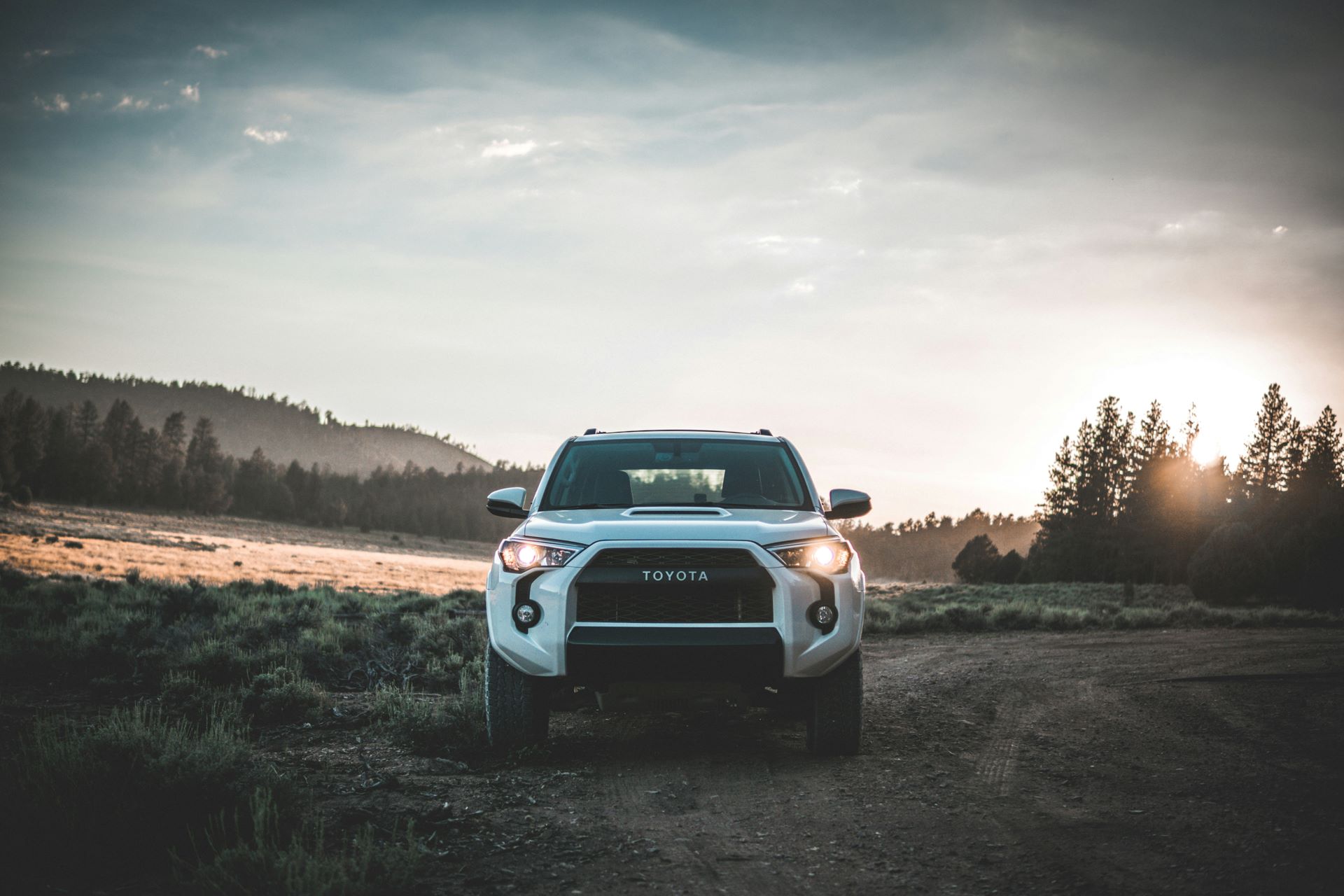
Real-Life Success StoriesToyotaÔÇÖs enduring ÔÇ£LetÔÇÖs Go PlacesÔÇØ campaign is a masterclass in building loyalty through emotional engagement. By emphasizing universal themes of exploration and family moments, the campaign has helped Toyota maintain its position as one of the most beloved car brands globally.
Challenges and Considerations
While emotional marketing has clear benefits, it comes with challenges. Maintaining authenticity is critical; consumers quickly detect insincerity. Missteps, such as campaigns perceived as exploitative or tone-deaf, can backfire, damaging trust. Additionally, brands must navigate ethical concerns, ensuring emotional appeals do not manipulate vulnerable audiences.
Future Trends in Emotional Marketing
The Role of TechnologyArtificial intelligence and virtual reality are set to revolutionize emotional marketing. Imagine configuring your dream car in an immersive VR environment or receiving personalized AI-driven content that speaks to your lifestyle.
Social Media EvolutionSocial platforms continue to shape how brands connect emotionally. Platforms like Instagram and TikTok offer spaces for brands to share behind-the-scenes content, user stories, and live interactions, deepening consumer engagement.
Emotional marketing is no longer an optional strategy for car brandsÔÇöitÔÇÖs a necessity. As consumers seek more than just products, automakers must craft experiences that resonate deeply, turning vehicles into extensions of personal identity and aspirations.
For automotive enthusiasts, this evolution is a thrilling ride. ItÔÇÖs not just about the cars we drive but the stories they tell, the memories they create, and the emotions they stir. As emotional marketing continues to evolve, it promises to forge even stronger connections between car brands and their loyal communities, ensuring the journey remains as meaningful as the destination.
Breyten Odendaal
Specializing in high-performance automotive advertising and digital marketing solutions, delivering cutting-edge insights and the latest news shaping the automotive industry in South Africa.
More From Advertising

Automotive Digital Ads in South Africa: A Shift
Exploring how South Africa’s automotive advertising evolved from print and broadcast to data-driven, programmatic digital ecosystems.

The Video Shift in Car Buying Decisions in SA
Explore how video content shapes car purchase decisions in South Africa, comparing short-form and long-form strategies for automotive marketers.
Why Automotive Ads Must Think Like E-Commerce
Automotive ads in South Africa need e-commerce style conversion thinking to boost leads, optimise funnels, and improve dealership ROI.