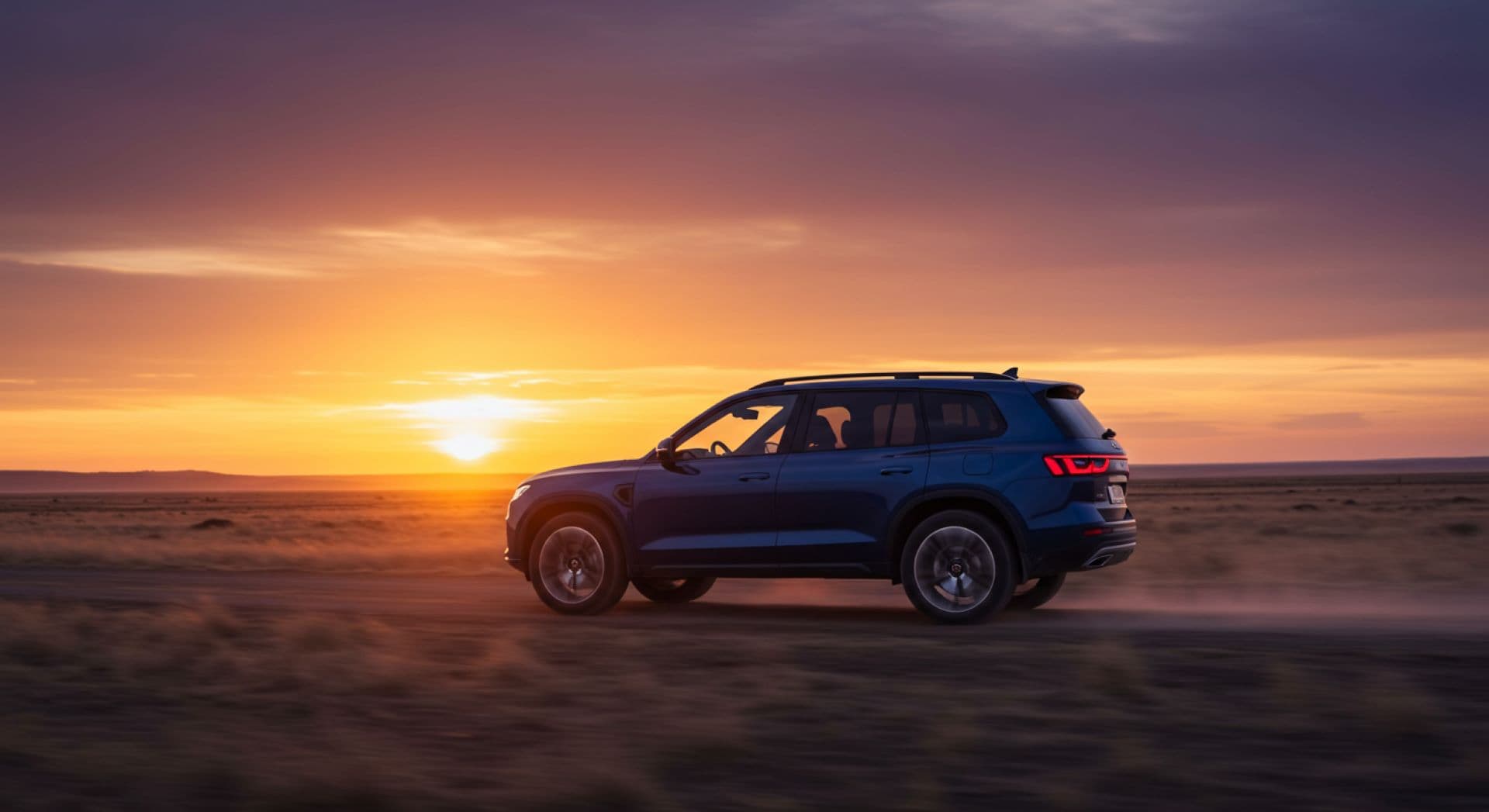
In the world of digital marketing, few tools have been as transformative as social media influencers. These modern-day tastemakers have revolutionized the way brands connect with consumers. Gone are the days of traditional advertising ÔÇô instead, automotive brands are turning to influencers to engage with their target audiences on a more personal and relatable level. If youÔÇÖve seen a flashy new car zooming across your Instagram feed or a TikTok star taking a luxury vehicle for a spin, youÔÇÖve witnessed firsthand the power of influencer marketing in the automotive industry.
In recent years, social media influencers have become key figures in automotive marketing, providing brands with access to highly engaged and passionate audiences. This shift towards influencer-driven campaigns has transformed how brands position themselves, reaching beyond traditional methods to drive sales, bolster brand loyalty, and foster deeper connections with consumers. But how exactly do automotive brands leverage the power of these social media influencers?
This article delves into the intricate relationship between automotive brands and influencers, exploring how the rise of social media personalities has reshaped marketing strategies. From choosing the right type of influencer to crafting impactful campaigns and measuring their success, weÔÇÖll explore how brands are capitalizing on this trend and what the future holds.
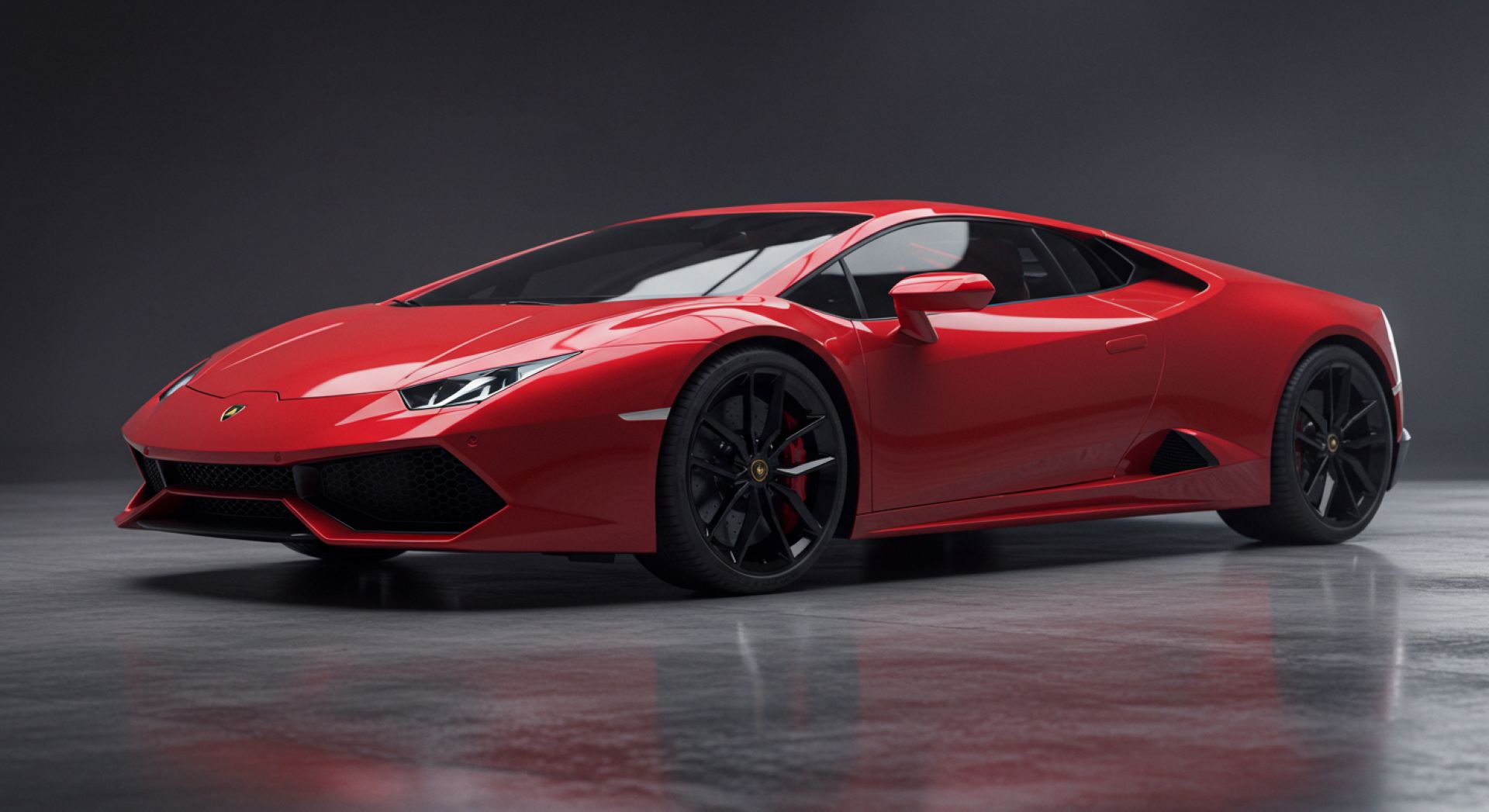
The Rise of Influencer Marketing in the Automotive Industry
Over the past decade, influencer marketing has surged in popularity across all industries, and the automotive sector is no exception. With the advent of platforms like Instagram, YouTube, and TikTok, influencers have gained immense reach and influence, making them invaluable to brands seeking to stay relevant in an increasingly digital world.
For automotive brands, influencer partnerships represent a powerful way to tap into an audience that is not only receptive to new products but also passionate about the lifestyle associated with cars. These influencers often have niche followings, including automotive enthusiasts, tech-savvy consumers, and those who crave the latest luxury experiences. By aligning with influencers who share their values and target audience, brands can foster authentic connections that resonate with consumers in ways traditional advertising simply cannot.
One prime example of influencer marketing success in the automotive industry is the partnership between Tesla and various automotive influencers. For instance, Tesla has consistently collaborated with popular YouTubers and automotive vloggers who create in-depth reviews and driving experiences, giving potential customers a first-hand look at the brandÔÇÖs innovative vehicles. These influencers provide a much-needed sense of trust and credibility, as their followers see them as genuine experts and enthusiasts, rather than just paid spokespeople. This level of authenticity is crucial in todayÔÇÖs market, where consumers are more discerning and skeptical of traditional advertising methods.
Another example can be found in the collaboration between Porsche and social media influencers in the ÔÇ£Porsche AmbassadorÔÇØ program. Through this initiative, Porsche has partnered with a select group of influencers to promote their vehicles in an organic way, with ambassadors sharing their experiences and offering insights into the brandÔÇÖs performance and luxury features. This kind of influencer marketing helps humanize the brand, showing that itÔÇÖs not just about the car ÔÇô itÔÇÖs about the lifestyle and experiences associated with driving a Porsche.
The results of these campaigns have been undeniable. Automotive brands that tap into the power of influencers are able to expand their reach, connect with younger and more diverse audiences, and position themselves as innovators in the industry. With the rise of influencers, the automotive sector has found a new way to market that is both effective and engaging, creating relationships that go far beyond a simple product pitch.
Types of Influencers Automotive Brands Collaborate With
Influencers come in many shapes and sizes, and automotive brands must carefully choose which type of influencer aligns best with their campaign goals. From micro-influencers to celebrity figures, each type of influencer offers unique advantages and value propositions. LetÔÇÖs explore the different types of influencers and how automotive brands use them to enhance their campaigns.
1. Micro-Influencers
Micro-influencers are individuals with smaller, more niche followings, typically ranging from a few thousand to around 100,000 followers. While their reach may be more limited compared to macro-influencers, micro-influencers often boast highly engaged and loyal audiences. Their followers tend to trust them more, as they seem more approachable and authentic.
Automotive brands often collaborate with micro-influencers for campaigns that aim to target very specific groups. For example, a company that manufactures eco-friendly vehicles might partner with a micro-influencer who is passionate about sustainability and has a dedicated following within the green-living community. This allows the brand to reach a highly targeted audience that is more likely to resonate with the brandÔÇÖs values.
One case study showcasing the success of micro-influencers is FordÔÇÖs partnership with several micro-influencers to promote the launch of its electric vehicles. These influencers, many of whom are environmentally conscious and advocate for sustainable living, shared their experiences with the new electric model, reaching a small yet influential group of consumers who value eco-friendly transportation options.
2. Macro-Influencers
Macro-influencers typically have a larger following, ranging from 100,000 to a few million followers. These influencers are often considered celebrities within their niches, and their endorsement can significantly boost brand visibility.
Automotive brands use macro-influencers to achieve broader exposure and awareness. For instance, a luxury car brand might collaborate with a lifestyle influencer who has millions of followers to showcase their new vehicle in a high-end, aspirational setting. These collaborations often feature beautiful imagery, videos, and experiences that emphasize the lifestyle associated with the brand. The idea is to make the vehicle more than just a car ÔÇô itÔÇÖs about the prestige, the elegance, and the social status that comes with owning one.
Mercedes-Benz has worked with various macro-influencers to create content that highlights the luxury and performance of their vehicles. These influencers often share their experiences driving a Mercedes, offering their followers a glimpse into the lifestyle that comes with owning such a vehicle. By associating their brand with these high-profile figures, Mercedes-Benz is able to tap into a broader audience that aspires to own a luxury car.
3. Celebrity Influencers
At the highest end of the spectrum are celebrity influencers ÔÇô individuals with millions of followers across various platforms. These influencers may include actors, musicians, or professional athletes, and their endorsement carries significant weight due to their massive popularity.
For automotive brands, collaborating with celebrity influencers can help elevate a brandÔÇÖs prestige and reputation. An example of this would be the partnership between Audi and soccer star David Beckham. Through their collaboration, Audi was able to target a global audience, associating their vehicles with both luxury and athletic performance.
Celebrity influencers are often used for major product launches or events, where their participation can generate excitement and media attention. These partnerships are usually high-budget and carefully curated to ensure maximum impact.
Strategies Automotive Brands Use With Influencers
Automotive brands employ a variety of strategies when working with influencers, all designed to create engaging, compelling content that resonates with their audience. Here are some of the most popular strategies:
1. Product Placement
One of the most common strategies in influencer marketing is product placement. This involves influencers showcasing a vehicle or automotive accessory in their regular content. Whether itÔÇÖs an Instagram story, a YouTube review, or a TikTok video, the goal is to integrate the product seamlessly into the influencerÔÇÖs lifestyle, making it feel like an authentic endorsement.
For example, when Toyota launched its new Corolla, they partnered with a popular YouTube influencer who creates daily vlogs. The influencer took the car on a road trip and shared their honest review with their followers. The natural way the car was integrated into the content made the promotion feel less like an ad and more like a genuine recommendation.
2. Sponsorships
Automotive brands also work with influencers through sponsorships, which typically involve paying influencers to create content that highlights the brand. These collaborations are often centered around specific campaigns, events, or launches. For example, car brands may sponsor influencers to attend automotive trade shows, races, or other events, where the influencer shares live updates and creates content showcasing the brand.
3. Co-Creation of Content
Another effective strategy is co-creating content with influencers. This collaboration allows the brand to tap into the influencerÔÇÖs creative expertise, resulting in authentic, high-quality content that both the brand and influencer are proud of. ItÔÇÖs not just about the brand telling the influencer what to do ÔÇô itÔÇÖs about coming together to create something that speaks to both the influencerÔÇÖs audience and the brandÔÇÖs.
For instance, Ford worked with automotive influencers to create a series of behind-the-scenes videos detailing the development of its latest Mustang. The influencers were given access to the design process and were able to share their unique perspective, offering fans a look into what goes into making one of the most iconic cars in history.
Measuring the Impact of Influencer Campaigns
For automotive brands, measuring the success of influencer campaigns is crucial. There are several key metrics and KPIs that brands use to assess the effectiveness of their campaigns:
Despite the abundance of available metrics, one of the challenges in measuring the impact of influencer campaigns is attributing conversions directly to the influencerÔÇÖs efforts. To overcome this, many brands use advanced tracking tools, such as affiliate links, tracking pixels, and unique promo codes, to gauge the effectiveness of each campaign.
Potential Risks and Considerations
While influencer marketing can be highly effective, itÔÇÖs not without its risks. One of the primary concerns is choosing the wrong influencer ÔÇô an influencer whose values, audience, or behavior doesnÔÇÖt align with the brand can result in a misstep. Furthermore, brands must ensure that they are transparent in their partnerships, as failing to disclose paid promotions can harm both the influencerÔÇÖs and the brandÔÇÖs reputation.
Additionally, influencer marketing is a highly competitive space, with numerous brands vying for the attention of top influencers. As such, itÔÇÖs crucial for automotive brands to offer something unique in their partnerships, whether itÔÇÖs through creative campaigns, exclusive access, or more meaningful engagements with influencers.
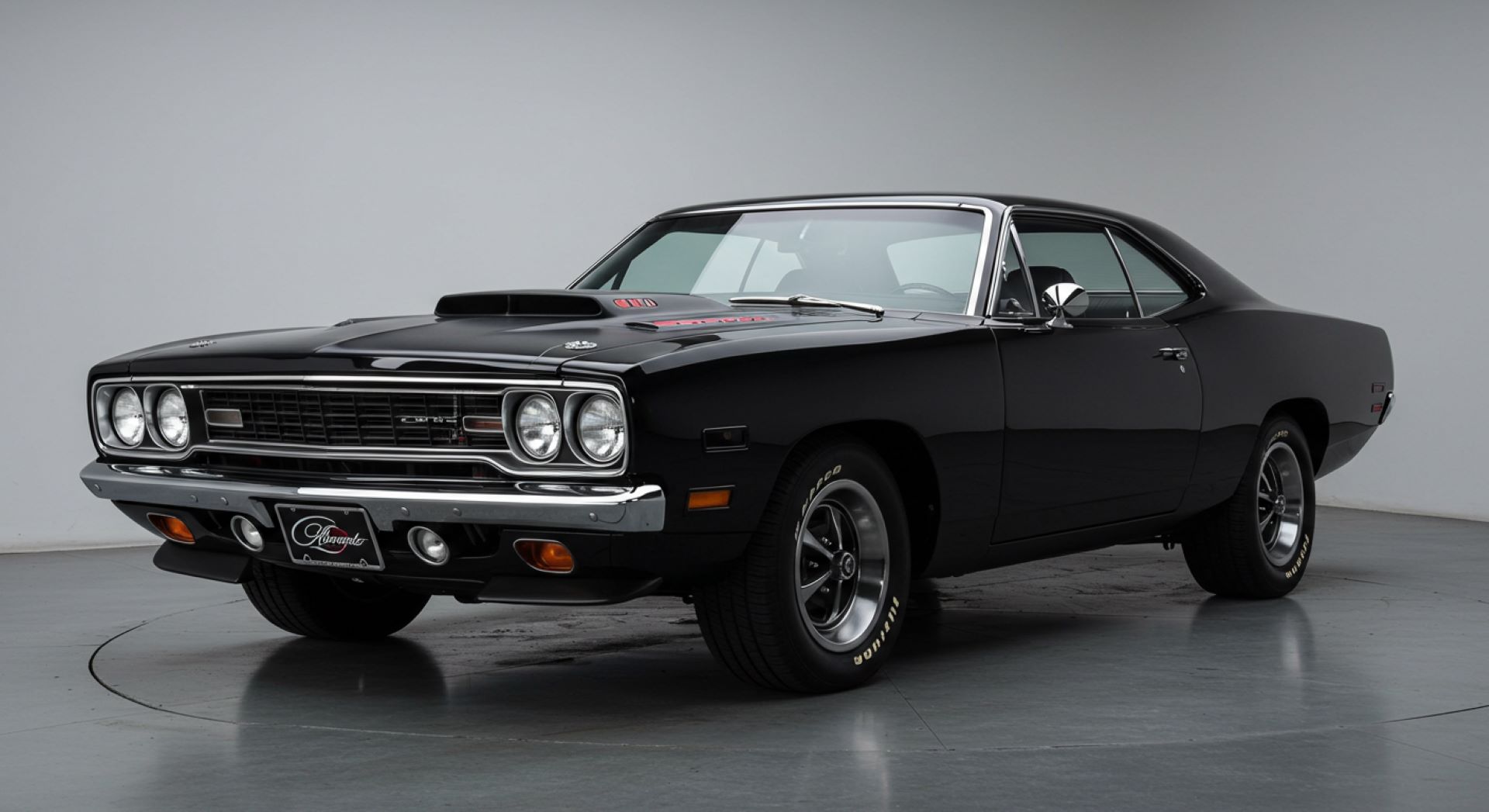
The integration of social media influencers into the automotive marketing landscape has revolutionized the way brands connect with their audiences. By choosing the right influencers, implementing effective strategies, and measuring results, automotive brands can create meaningful connections with consumers and bolster their marketing efforts in ways that traditional advertising canÔÇÖt achieve. As influencer marketing continues to evolve, it will be exciting to see how automotive brands innovate and leverage new technologies, such as virtual influencers and AI-driven campaigns, to further enhance their strategies and stay ahead of the curve.
Breyten Odendaal
Specializing in high-performance automotive advertising and digital marketing solutions, delivering cutting-edge insights and the latest news shaping the automotive industry in South Africa.
More From Advertising

Automotive Digital Ads in South Africa: A Shift
Exploring how South Africa’s automotive advertising evolved from print and broadcast to data-driven, programmatic digital ecosystems.

The Video Shift in Car Buying Decisions in SA
Explore how video content shapes car purchase decisions in South Africa, comparing short-form and long-form strategies for automotive marketers.
Why Automotive Ads Must Think Like E-Commerce
Automotive ads in South Africa need e-commerce style conversion thinking to boost leads, optimise funnels, and improve dealership ROI.