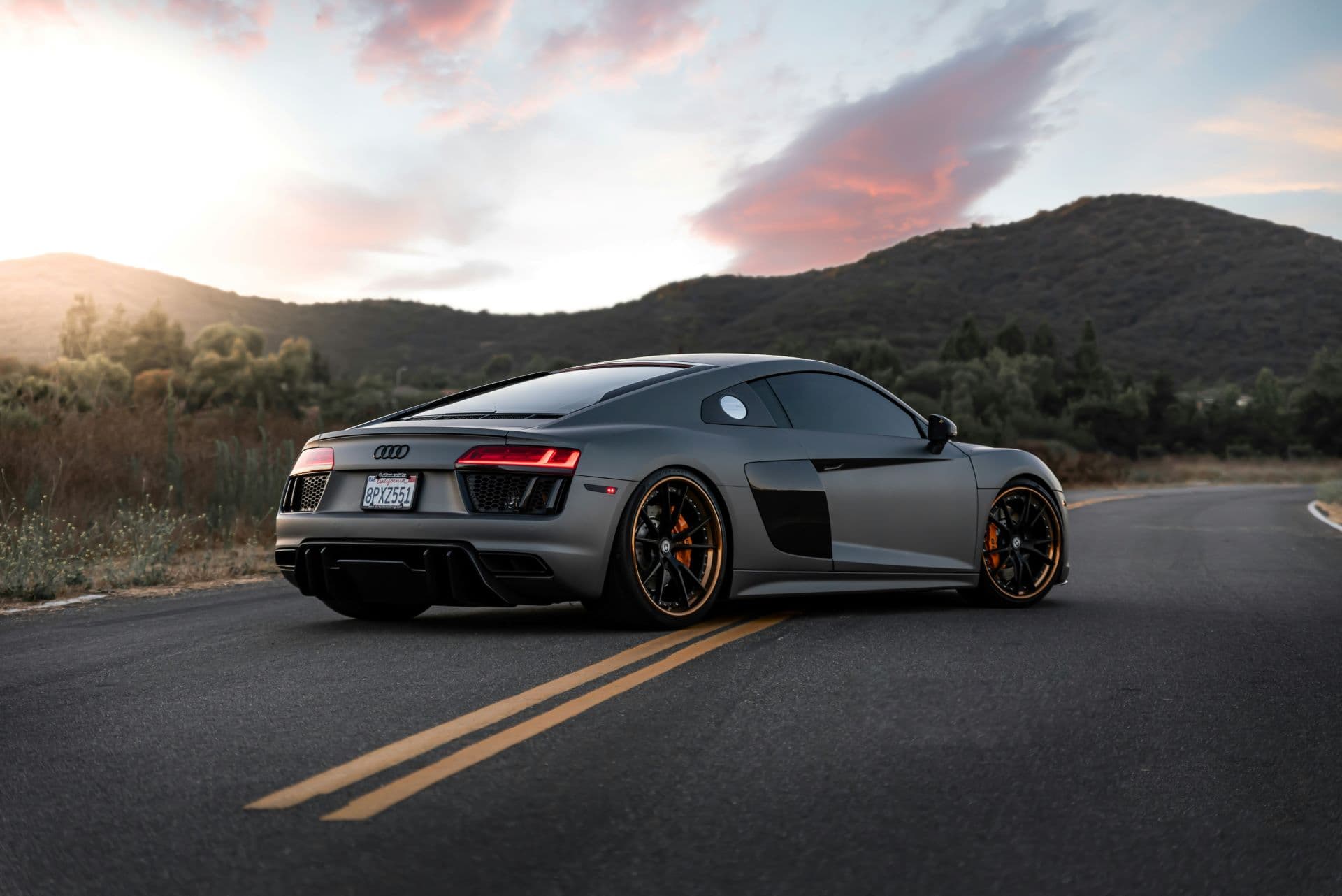
In todayÔÇÖs hyper-competitive automotive industry, performance figures and sleek designs are no longer enough to capture heartsÔÇöor market share. With countless models boasting similar specs, itÔÇÖs the emotional resonance of a brand that often tips the scales. Increasingly, automotive companies are turning to the age-old art of storytelling to rise above the noise and forge deeper, lasting connections with their audiences. This strategic blend of emotion and narrative isnÔÇÖt just good branding; itÔÇÖs a sophisticated form of marketing that drives both loyalty and desire.
The Emotional Engine Behind Automotive Marketing
The most successful automotive brands understand one essential truth: people donÔÇÖt just buy cars; they buy meaning. Whether it's the thrill of freedom, the nostalgia of heritage, or the promise of innovation, car manufacturers are in the business of selling stories as much as steel and horsepower. These emotional underpinnings are carefully crafted through marketing strategies that make a brandÔÇÖs narrative feel personal, authentic, and aspirational.
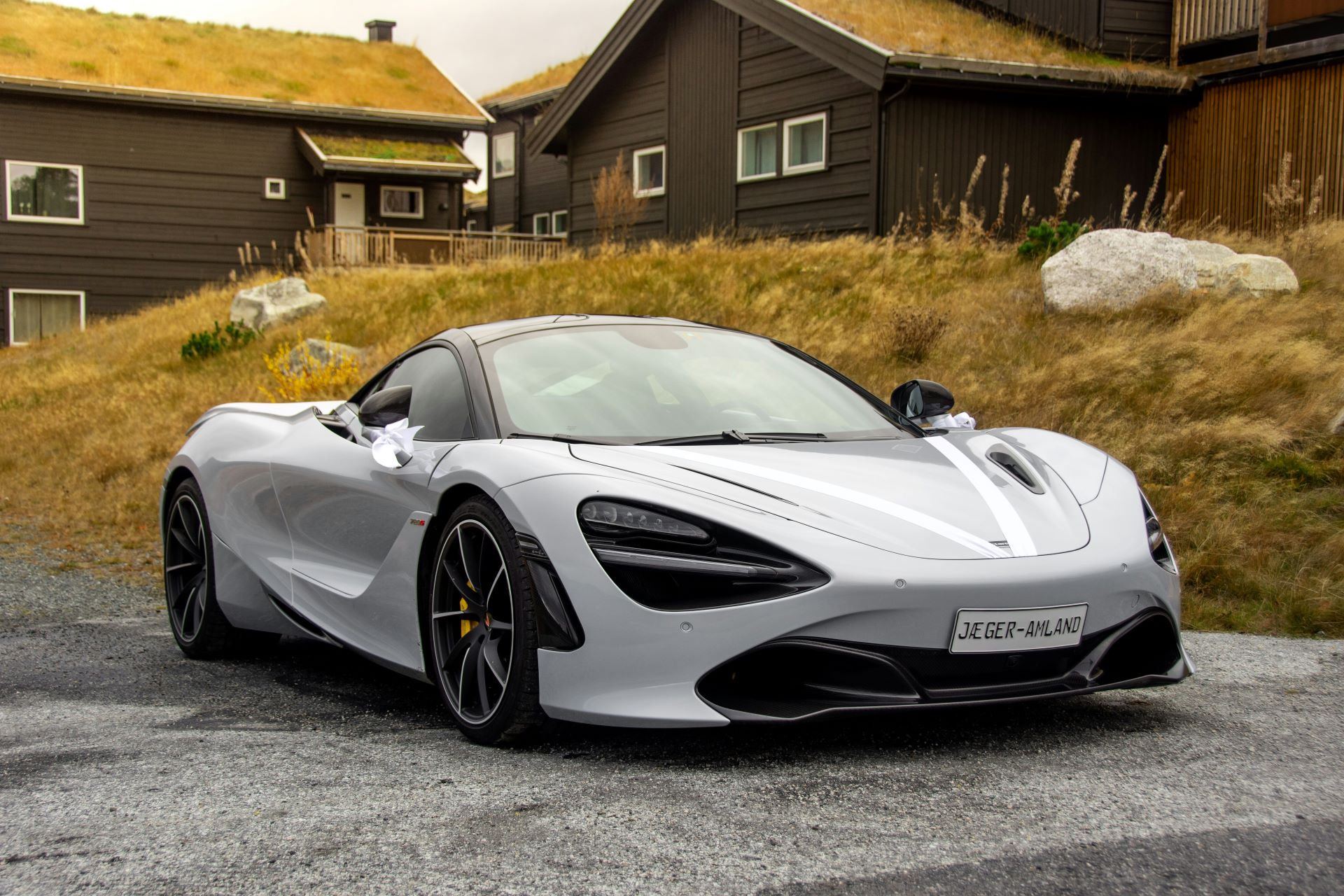
From FerrariÔÇÖs heritage in racing to Land RoverÔÇÖs spirit of adventure, each brand tells a distinct story that shapes how we perceive its vehicles. When these narratives are emotionally resonant, they donÔÇÖt just informÔÇöthey compel. They draw consumers into a world where owning a vehicle becomes an extension of oneÔÇÖs identity, lifestyle, or values.
Storytelling: The New Horsepower
In the digital era, where consumers are bombarded with content, traditional advertising often falls flat. ItÔÇÖs storytelling that cuts through. Automotive brands are embracing this by creating narratives that live across multiple platformsÔÇöfrom cinematic television spots and influencer collaborations to immersive web experiences and user-generated campaigns.
Consider VolvoÔÇÖs emphasis on safety, a message that has been woven into its marketing DNA for decades. Rather than focusing solely on crash-test data or technical jargon, Volvo tells the story of protectionÔÇöof a parentÔÇÖs peace of mind, of a familyÔÇÖs journey, of lives saved. The vehicle becomes a vessel for something greater: a story of trust and care.
In contrast, brands like Porsche lean into legacy and performance, reminding audiences that they are not just buying a carÔÇöthey are buying into a tradition of excellence. Through documentary-style videos, behind-the-scenes access to their design studios, and stories of customer passion, PorscheÔÇÖs content marketing strategy transforms their customers into loyal participants in the brandÔÇÖs story.
The Science Behind the Stories
This emotional pull isnÔÇÖt accidental. Research in consumer psychology reveals that people are more likely to rememberÔÇöand be persuaded byÔÇömessages that are emotionally charged and narratively structured. Stories stimulate multiple regions of the brain, creating richer and more lasting impressions than facts or figures alone.
For automotive brands, this means that stories are not just decorative add-ons; they are strategic tools. By anchoring product features within a compelling emotional context, brands can humanize technology, dramatize innovation, and differentiate themselves in crowded marketplaces.
For example, when Toyota introduced its hydrogen-powered Mirai, it didnÔÇÖt lead with specsÔÇöit told a story about the future. Through emotionally driven ads, they showcased the car not just as a product but as a glimpse into a more sustainable tomorrow. The result? An abstract technology was made both tangible and desirable.
From Advertisement to Advocacy
The ultimate goal of this kind of marketing is not just to sell but to inspire brand advocacy. A well-told story doesnÔÇÖt end when the ad finishes or the website closesÔÇöit stays with the consumer. It becomes something they retell, revisit, and share. Automotive brands that invest in consistent, emotionally driven storytelling across all touchpointsÔÇöfrom retail spaces to customer serviceÔÇöcan transform casual buyers into lifelong ambassadors.
TeslaÔÇÖs narrative of innovation and disruption is a prime example. Elon MuskÔÇÖs personal brand, the companyÔÇÖs mission to accelerate the worldÔÇÖs transition to sustainable energy, and even its viral online presence all contribute to a grand narrative. This story is so powerful that Tesla enthusiasts often act as unofficial marketersÔÇösharing content, defending the brand online, and converting others through passionate storytelling of their own.
The Road Ahead: Authenticity is Everything
But as storytelling becomes central to automotive marketing, so too does the demand for authenticity. Consumers are increasingly savvy; they can spot insincerity from a mile away. Brands that rely on generic or manipulative emotional appeals risk alienating their audiences. Successful storytelling must be rooted in a brandÔÇÖs true identityÔÇöits heritage, its values, and its customer experience.
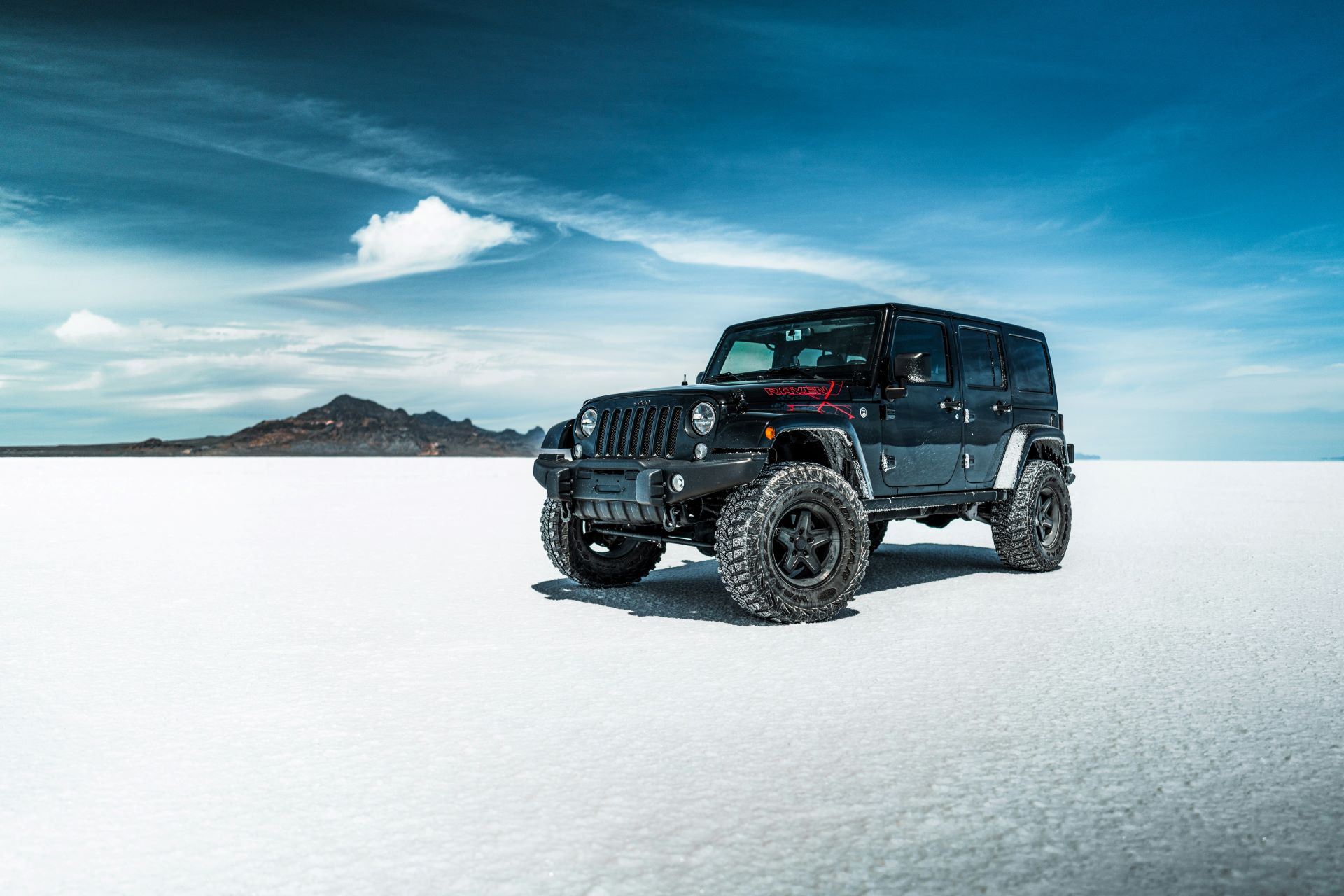
ThatÔÇÖs why brands like MINI and Jeep continue to thriveÔÇönot just because of their product quality but because their messaging feels consistent and real. Whether it's MINIÔÇÖs playful urban narratives or JeepÔÇÖs rugged call to adventure, these stories align with what the product delivers. ThereÔÇÖs no disconnect between the tale being told and the experience being sold.
In the ever-evolving world of automotive marketing, the ability to evoke emotion through authentic storytelling is proving to be one of the most powerful tools in a brandÔÇÖs arsenal. ItÔÇÖs not about the horsepower or the touchscreenÔÇöitÔÇÖs about the human story behind the wheel. As long as emotion drives purchase decisions, stories will remain the fuel that powers desire.
Key Elements of a Successful Automotive Story
To craft compelling narratives, automotive brands must go beyond product features and delve into the emotional and psychological needs of their audience. The most effective marketing strategies follow a structured yet flexible frameworkÔÇöone that aligns storytelling techniques with brand identity and consumer expectations.
A Clear Brand Archetype
Every strong story needs a protagonist, and in the world of automotive, the brand itself often plays that role. To make storytelling coherent and resonant, companies frequently adopt brand archetypesÔÇöuniversal characters rooted in Jungian psychology.
Jeep, for example, embodies ÔÇ£The Explorer,ÔÇØ consistently telling stories of freedom, rugged terrain, and the call of the wild. Meanwhile, Mercedes-Benz leans into ÔÇ£The Ruler,ÔÇØ promising prestige, control, and refined power. These archetypes shape the tone of campaigns and guide everything from visual language to campaign slogans.
When a brand's storytelling aligns with a clear archetype, audiences instinctively understand what it stands forÔÇöcreating a shortcut to trust and emotional connection.
Authenticity Over Aspiration
While aspiration has long been a cornerstone of automotive branding, todayÔÇÖs consumers are increasingly drawn to authenticity. They donÔÇÖt just want to see where a vehicle can take themÔÇöthey want to know why it matters, who it serves, and what it stands for.
This shift is particularly evident in electric and sustainable mobility narratives. Brands like Polestar and Lucid Motors frame their vehicles not only as cutting-edge but as ethical choices. Their marketing doesn't exaggerateÔÇöit informs, educates, and empowers. This transparency appeals to a more conscientious, values-driven buyer and builds credibility over time.
Emotional Anchors
Strong storytelling requires emotional ÔÇ£hooksÔÇØÔÇömoments or themes that resonate deeply with a target audience. In the automotive space, these hooks often revolve around:
By grounding stories in these universal emotions, brands elevate vehicles from functional objects to personal symbols.
Multi-Channel Storytelling: Beyond the 30-Second Spot
While traditional media like TV commercials remain part of the toolkit, modern automotive marketing demands a multi-channel approach to storytellingÔÇöone that is immersive, interactive, and adaptable.
Digital-First Experiences
Web platforms, social media, and apps provide fertile ground for deeper brand narratives. Audi, for instance, has developed digital environments where users can explore new models in virtual showrooms or follow behind-the-scenes documentaries on design philosophy. These touchpoints extend the storytelling arc, letting audiences engage with content on their terms.
Influencers and Real Customer Stories
Authenticity also flourishes through user-generated content and influencer partnerships. Rather than relying solely on high-budget productions, brands like Toyota and Hyundai share real-world stories from driversÔÇöparents on school runs, adventurers tackling new landscapes, or EV converts sharing their first charging experiences.
These personal accounts humanize the automotive brand, bridging the gap between corporate identity and community storytelling.
Immersive Technology
Virtual reality, augmented reality, and interactive configurators are transforming how stories are told. With VR test drives and AR showrooms, storytelling becomes participatory. Rather than watching a story unfold, the customer lives itÔÇöexperiencing how a vehicle looks, feels, and fits into their life before ever stepping into a dealership.
Storytelling That Drives Results
While beautiful narratives can capture attention, their ultimate value lies in driving measurable results. Effective automotive marketing storytelling influences not just brand perception but also bottom-line performance.
Brand Loyalty and Repeat Purchases
Emotionally driven brands enjoy stronger customer retention. Buyers who feel connected to a brand's story are more likely to return for future purchases, recommend it to others, and forgive occasional missteps. This is particularly valuable in the automotive industry, where repeat business and word-of-mouth are major growth drivers.
Higher Perceived Value
A well-crafted story can elevate the perceived value of a vehicle. When a product becomes part of an aspirational lifestyle or a meaningful mission, customers are willing to pay moreÔÇönot just for what the car does, but for what it represents.
Apple has long succeeded in this way with tech; automotive brands are now following suit, building identity-based ecosystems where the car is a gateway to a broader philosophy or experience.
Emotion as the Ultimate Differentiator
In an industry as saturated and sophisticated as automotive, itÔÇÖs not specs or slogans that leave a lasting impressionÔÇöitÔÇÖs stories. Through strategic, emotionally intelligent marketing, brands can connect with consumers on a deeper level, making vehicles more than machinesÔÇöthey become markers of identity, purpose, and possibility.
As technology continues to reshape mobility, and consumer values evolve, one thing remains constant: the human desire for meaning. By mastering the art of storytelling, automotive brands can not only meet this desire but drive itÔÇöturning customers into believers, and vehicles into vessels of emotion.
Breyten Odendaal
Specializing in high-performance automotive advertising and digital marketing solutions, delivering cutting-edge insights and the latest news shaping the automotive industry in South Africa.
More From Advertising

Automotive Digital Ads in South Africa: A Shift
Exploring how South Africa’s automotive advertising evolved from print and broadcast to data-driven, programmatic digital ecosystems.

The Video Shift in Car Buying Decisions in SA
Explore how video content shapes car purchase decisions in South Africa, comparing short-form and long-form strategies for automotive marketers.
Why Automotive Ads Must Think Like E-Commerce
Automotive ads in South Africa need e-commerce style conversion thinking to boost leads, optimise funnels, and improve dealership ROI.