

Designing Click-Winning Thumbnails for Car Content
Date Published
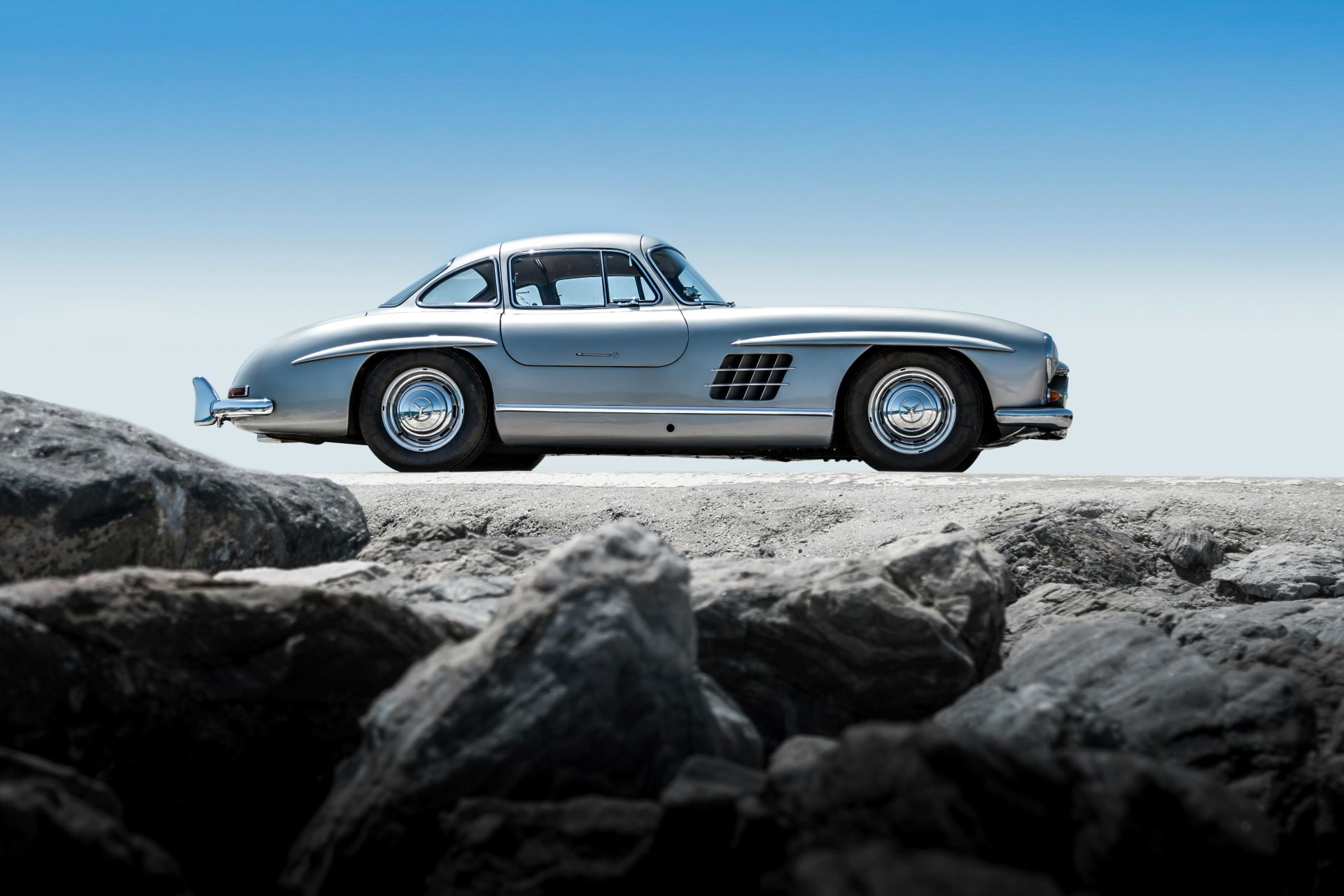
Where the Battle for Attention Really Begins
In automotive marketing, the thumbnail has quietly become the industry’s new first impression—more influential than titles, tags or even a well-researched video script. Across digital platforms, the viewer’s eye is trained to scan rapidly, comparing dozens of visual prompts within seconds. What ultimately compels someone to click on a test drive, a review, a drag race, a dealership spotlight or a brand storytelling film is not the title promising insight or performance, but the small rectangle of visual real estate that conveys mood, intention and value in an instant. In a content ecosystem where car brands, creators and dealerships compete for attention with unprecedented intensity, the thumbnail is no longer decoration. It is strategy. It is psychology. It is the first handshake between brand and audience. And it is often the single determining factor in whether automotive content is watched at all.
This article explores how thumbnails shape viewer behaviour, why they matter more than titles, and how automotive marketers can design stronger, more compelling thumbnail systems built around clarity, emotion and automotive-specific visual logic. Rather than merely listing technical best practices, we will examine the deeper communicative principles behind successful car thumbnails—colour theory, design hierarchy, mechanical storytelling, human psychology and platform-driven viewer expectations. The result is a practical, high-impact guide to crafting thumbnail images that convert curiosity into clicks while reinforcing a recognisable brand identity.
The Thumbnail’s Psychological Edge in Automotive Content
The automotive sector relies heavily on visual persuasion. Cars are emotional products before they are practical ones. Performance, prestige, lifestyle, aspiration—the viewer experiences these qualities first through imagery, not text. Titles might offer context, but thumbnails trigger instinct. A viewer scrolling through YouTube or Instagram Reels is not reading; they are scanning. Their brain is looking for something that stands out, something that feels familiar, something that promises excitement, comparison, conflict or satisfaction.
A strong thumbnail communicates narrative in less than a second. An SUV splashing through mud conveys capability before the word “off-road” appears. A head-on shot of a grille lit by sunset tells a story of luxury without mentioning a badge. A macro image of brake calipers hints at performance, precision, craft and speed even before the viewer sees the model name. The human brain is wired to respond to visual cues in this way. And in the automotive space, these cues are especially powerful because people already associate cars with identity and emotion.
Titles provide detail, but thumbnails ignite emotion. Titles complement a click; thumbnails cause it. This is why many automotive channels see measurable increases in click-through rate when thumbnails are redesigned even if titles remain unchanged. The viewer’s decision to click happens before language is processed. The title becomes meaningful only after the thumbnail has earned the microsecond needed for the viewer to pause, refocus and consider the promise of the video. The thumbnail is the door; the title is the welcome mat.
Why Automotive Thumbnails Are Uniquely Challenging
While thumbnails across all categories share foundational design principles, automotive content presents its own set of complexities. Cars are large, reflective and often shot outdoors, where lighting and weather introduce unpredictable variables. Details that matter—body lines, wheel designs, badges, headlight signatures—can be lost if angles and framing are not deliberate. The automotive audience is also diverse: some viewers care about horsepower, some about comfort, some about price, some about brand loyalty, and some simply enjoy the sensory thrill of cars in motion.
This means thumbnails must cater simultaneously to clarity and emotion. They must show enough of the vehicle for car enthusiasts to immediately recognise model and category, yet they must also create a narrative hook strong enough for casual viewers to stop scrolling. A poorly framed vehicle shot can make even an exciting performance car seem flat and lifeless. Overly busy backgrounds can overwhelm the subject. Colour choices that do not contrast with platform themes, such as YouTube’s white interface or TikTok’s darker accents, can make the thumbnail fade into the feed.
The challenge is heightened by the vast competition. Global brands produce polished content. Independent reviewers shoot cinematic B-roll. Dealerships around the world publish daily walkarounds. Auto journalists, tuners, lifestyle creators, racers and influencers all occupy the same visual space. To stand out, a thumbnail must not only be good; it must be distinctive, immediate and recognisably automotive in a way that is clear even at small sizes.
The Core Principles of Automotive Thumbnail Strategy
Before looking at specific design tactics, it is important to understand the structural principles that underpin effective automotive thumbnails. These principles stay relevant regardless of vehicle category or platform.
The car must be the protagonist
In automotive content, the vehicle is the story. Even when people appear in the thumbnail, the car should remain the primary visual anchor. Viewers are scanning for shapes, silhouettes, badges and design cues they recognise. If the car is too small or partially obscured, the thumbnail becomes generic and loses impact. Strong automotive thumbnails treat the vehicle with the same compositional respect given to human subjects in portrait photography.
Emotional cues outrank informational cues
Viewers respond first to emotional context—excitement, suspense, satisfaction, competition. An SUV on rugged terrain triggers a deeper emotional reaction than a sterile studio shot, even if both images show the same model clearly. For performance content, signs of speed such as motion blur, aggressive angles or racetrack elements increase intrigue. Emotion does not replace clarity, but it leads the viewer into the frame.
Visual simplicity improves recognition
The automotive world is filled with shapes, reflections and textures. Overly complex images can quickly become noisy at thumbnail scale. Strong designs isolate the car using contrast, depth and minimal distractions. This ensures that even when viewed on a small mobile screen, the viewer knows exactly what they are looking at.
Brand consistency builds trust and expectations
Automotive channels and brands that use consistent thumbnail styles—colour palettes, framing, typography, recurring layout elements—acclimate viewers to their visual identity. Over time, viewers click because a thumbnail “looks like” something from a channel or brand they trust. Consistency is especially important for dealerships and content teams who produce high volumes of videos.
Capturing the Right Vehicle Image: The Foundation of Every Thumbnail
Everything begins with the raw image. Automotive thumbnails cannot rely solely on text or graphic overlays; they need strong photography that highlights the vehicle’s identity. This requires intentional shooting with the thumbnail in mind.
A good starting point is selecting angles that instantly communicate the vehicle’s purpose. A three-quarter front angle remains the industry standard because it presents the headlights, grille, side lines and wheel stance simultaneously. This angle conveys attitude and identity with remarkable efficiency. For performance cars, lower camera heights exaggerate aggression and presence. For SUVs, slightly elevated angles emphasise size and capability. For luxury sedans, symmetry and clean reflections reinforce refinement.
Lighting plays an equally significant role. Poor lighting softens design features and reduces visual depth. For thumbnails, contrast is king. Shooting during golden hour creates warm highlights and strong shadows that bring body contours to life. In overcast conditions, reflections become easier to manage, which helps luxury cars appear sleek and polished. Studio-style shots work for detailed explanatory videos but can feel lifeless for content meant to inspire or thrill.
Reflections require special attention. Cars behave like mirrors, and uncontrolled reflections can distract from the vehicle’s form. Photographers shooting for thumbnails must watch for unwanted reflections of trees, buildings or even themselves. A clean, intentional reflection—such as a clear sky along the doors—creates professional polish. A chaotic one reduces clarity.
The goal is not realism but readability. A vehicle image meant for thumbnails should feel slightly exaggerated in clarity, providing hyper-legible cues that allow viewers to identify the car at a glance regardless of screen size.
The Role of Colour: Contrast, Emotion and Automotive Identity
Colour is one of the strongest tools in thumbnail strategy, especially in automotive marketing where colour often signifies performance, heritage or aspirational lifestyle. Thumbnails rely heavily on bold visual contrast, and car colours interact with backgrounds, overlays and platform interfaces in ways that can dramatically influence click-through rate.
Bright colours such as red, yellow and electric blue perform exceptionally well because they stand out against most backgrounds, especially YouTube’s white interface. However, this does not mean every thumbnail should feature a brightly coloured car. Luxury brands often favour shades like black, silver and white to reinforce premium identity. In these cases, the background or graphic elements must provide the needed contrast.
Colour psychology also plays a role. Red evokes performance and urgency—useful for race, comparison or reveal content. Blue suggests trust and stability, often aligning with reviews or long-term ownership content. Green and earthy tones support adventure-oriented SUVs. Black signals sophistication but requires strategic lighting to avoid losing detail. Automotive marketers should use colour not just to catch attention but to cue the type of experience the viewer can expect from the video.
Background colours or gradients can enhance contrast but must be used carefully to avoid overwhelming the car. A subtle gradient behind a performance car can create depth and draw the eye, but should never compete with the vehicle itself. The car, not the background, must remain the anchor.
Human Presence in Thumbnails: Balancing Personality and Vehicle Focus
Many automotive channels incorporate human subjects into thumbnails, typically the host, reviewer or presenter. When used effectively, a human face can increase emotional engagement and build personality-driven loyalty. However, in automotive content, the presence of people must never overshadow the vehicle. The challenge lies in balancing narrative expression with automotive clarity.
Facial expressions convey tone: excitement, shock, satisfaction or confrontation. A wide-eyed reaction can increase intrigue for drag races, challenges or comparisons. A confident expression paired with a luxury vehicle can reinforce authority and trust. Yet the expression must match the video’s premise. Overly exaggerated faces can feel clickbait-ish and erode credibility over time, particularly for automotive brands that rely on expertise.
Placement is crucial. The human subject should occupy a complementary portion of the thumbnail, usually along one side, ensuring the vehicle remains the focal point. This positioning creates a dual narrative: the car as protagonist and the presenter as storyteller. Eye line direction also matters. When the presenter appears to be looking at the car, it subtly encourages viewers to do the same.
Diversity of representation is valuable in automotive content. Women, younger presenters and lifestyle-oriented personalities help broaden audience reach. But the essential rule persists: in automotive thumbnails, people support the narrative; they do not replace it.
Text in Thumbnails: When It Helps and When It Distracts
Text can be a powerful tool in automotive thumbnails, but it must be applied with restraint. Too much text reduces visual clarity, and small text becomes unreadable on mobile screens. The most effective automotive thumbnails use short, punchy words or phrases that reinforce the emotional promise of the video.
Text works best when it clarifies format or conflict. Phrases such as “Drag Race,” “Review,” “Vs,” “Real Test,” “First Look,” or “500km Range?” provide immediate context without requiring the viewer to read the full title. Text that is too literal—like repeating the car’s name—adds no value, especially when the vehicle is already visible.
Typography matters. Automotive thumbnails often adopt bold, condensed typefaces that feel modern and mechanical. These fonts reflect automotive aesthetics without overpowering the image. Colour choices for text must contrast sharply with both the car and background, ensuring legibility at small sizes.
However, not every thumbnail needs text. For prestige content or emotional storytelling, a clean, text-free design can feel more cinematic and premium. In these cases, composition and lighting carry the narrative weight. Text should be used only when it enhances clarity, not when it fills space.

Storytelling Through Composition
A compelling automotive thumbnail does more than show a car—it creates a visual story. Composition determines how the viewer’s eye moves across the frame and what emotional tone the thumbnail conveys.
The rule of thirds is a reliable starting point. Positioning the car slightly off-centre creates a sense of movement or anticipation. When two cars appear—typically in comparison or race content—placing them on opposite sides of the frame enhances tension. For tests or reviews, head-on angles suggest confrontation or judgement, while side profiles feel more relaxed and lifestyle-driven.
Depth is another compositional tool. Foreground elements such as tyres, road textures or reflections create a tactile sense of realism. Background elements, when chosen carefully, provide context: mountains for adventure SUVs, architecture for luxury sedans, racetracks for performance cars. The goal is to build an environment that supports the video’s theme.
Negative space is equally important. A thumbnail with too many elements becomes noisy and loses clarity at smaller sizes. Empty areas around the car allow it to breathe visually, improving readability. This also creates space for text or logos when needed.
Designing for Platform-Specific Behaviour
While core principles remain consistent, thumbnails must adapt to platform-specific user behaviour. YouTube, TikTok, Instagram, Facebook and even dealership websites each have distinct visual ecosystems.
On YouTube, thumbnails appear larger and benefit from narrative clarity. Viewers expect slightly stylised imagery, bold contrasts and recognisable automotive tropes. Desktop users see larger thumbnails, while mobile users see much smaller ones, making readability a priority.
On TikTok and Reels, thumbnails double as cover images for vertical videos. The format is narrower, with central composition performing best. Designs must avoid placing important elements near the top or bottom, where interface overlays may obscure them. Simplicity is paramount; detailed car shots often lose clarity in vertical formats unless tightly cropped.
On Facebook, thumbnails often compete with text posts and ads, requiring stronger colour contrast and more dramatic imagery to stand out. The audience skews older, making clarity and recognisable car branding essential.
Dealership websites require thumbnails that are clean, straightforward and professional. Overly dramatic edits look out of place in a retail context. Studio lighting, simple backgrounds and consistent cropping align better with e-commerce expectations, where accuracy and trust matter more than entertainment.
Using Motion Cues Without Actual Motion
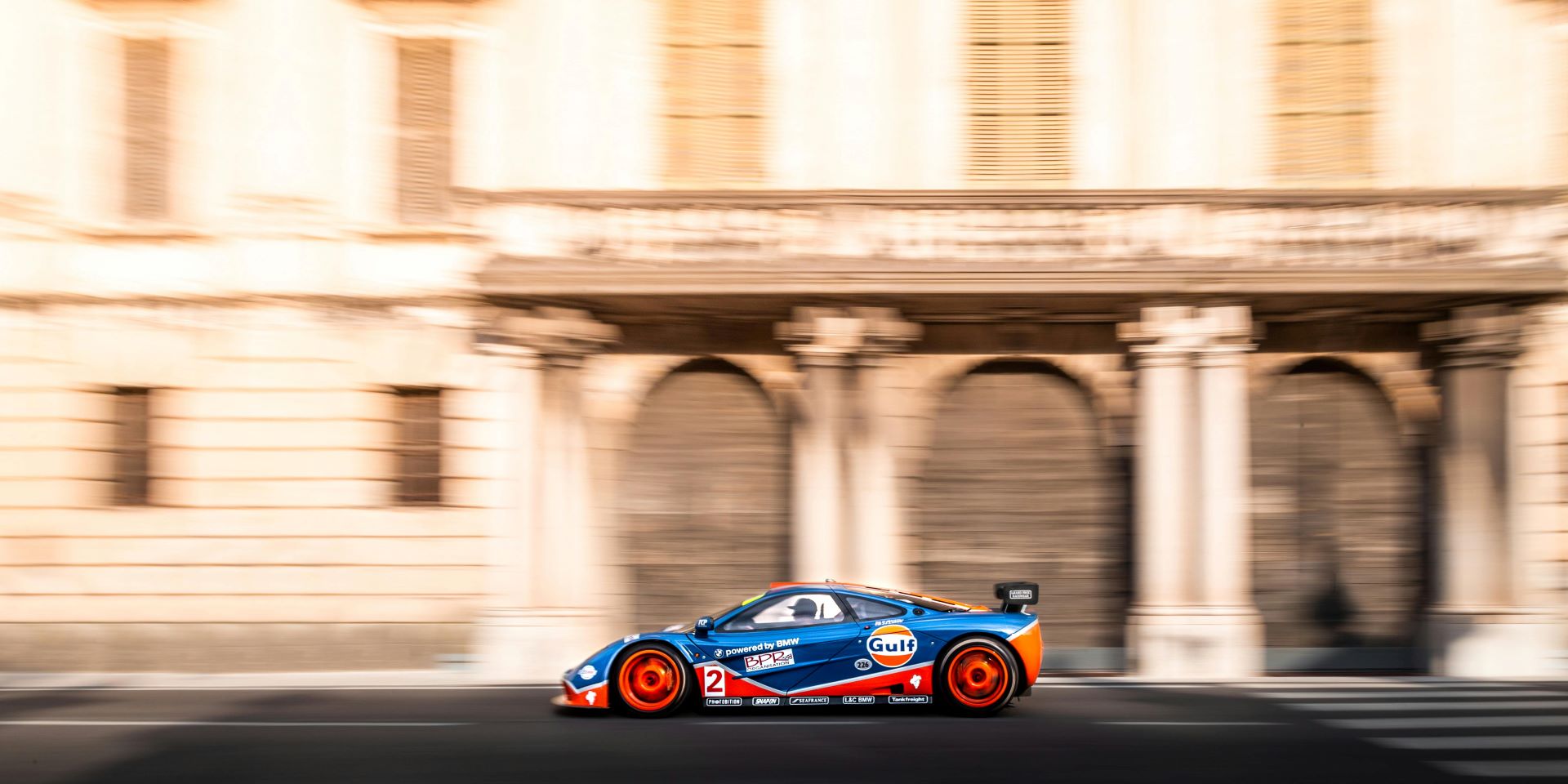
Even static thumbnails can imply motion, an important tactic for automotive content where energy and dynamism matter. Designers achieve this through angled compositions, diagonal lines, blurred backgrounds or tyres turned slightly to suggest direction. Dust clouds, water splashes or road textures can further enhance the feeling of movement.
These cues signal excitement and performance. A performance hatchback leaning slightly forward appears urgent and eager. An SUV with a tilted horizon feels adventurous and rugged. These visual hints subconsciously activate the viewer’s imagination, making the content feel more alive and compelling.
Building a Thumbnail System for Automotive Brands
For brands and creators producing high volumes of automotive content, thumbnail consistency becomes a strategic advantage. A recognisable style builds trust and helps viewers quickly identify content from a familiar source. This reduces friction and increases long-term click-through rates.
A thumbnail system encompasses recurring elements such as colour grading, framing style, font choices, logo placement and subject hierarchy. While each thumbnail should adapt to its specific video, the underlying design language should feel unified. This is especially valuable for dealerships, which benefit from professional consistency across inventory videos, test drives and educational content.
Systematic design also speeds up production. When teams have a clear template or style guide, they can produce thumbnails faster without sacrificing quality. This reduces the guesswork of design and ensures that even new team members maintain the established visual identity.
Avoiding Common Automotive Thumbnail Mistakes
Many automotive thumbnails fail because they overlook fundamental design principles. Oversaturation, excessive contrast, illegible text, poor cropping, distracting reflections and inconsistent branding all weaken a thumbnail’s impact.
One especially common mistake is treating thumbnails as afterthoughts—screenshots pulled from the video at random. While this might work for lifestyle content, automotive marketing demands intentionality. Cars must be lit properly, framed deliberately and edited with restraint.
Another mistake is relying too heavily on visual clichés. Flames, excessive motion blur, random objects superimposed into the frame—these tactics may create temporary spikes in attention but often erode long-term credibility. Viewers can recognise when design leans too far into gimmickry.
Finally, thumbnails fail when they do not accurately represent the video’s content. Misleading thumbnails—showing a car that does not appear in the video, implying a comparison that doesn’t happen, or exaggerating damage or drama—may generate short-term clicks but harm trust. In the automotive space, credibility is currency. Viewers value authenticity and expertise; thumbnails should reflect that.
Testing, Analytics and Iteration
Designing effective automotive thumbnails is not a static skill but an ongoing process. Platforms like YouTube provide click-through rate data that helps marketers understand what resonates with their audience. High-performing thumbnails often reveal patterns: certain angles, colours, layouts or text styles consistently attract more clicks.
Iterative testing is crucial. Changing a thumbnail even weeks after publishing can revive a video’s performance. Automotive marketers should view thumbnails as dynamic assets, not static graphics. A/B testing—where two thumbnail designs are compared—can reveal surprising audience preferences. Sometimes small adjustments, such as increasing brightness or simplifying text, lead to significant increases in engagement.
Better thumbnails not only increase clicks but also improve watch time. When expectations set by the thumbnail align with video content, viewers stay longer. The right thumbnail brings in the right audience.
The Ethical Dimension: Accuracy and Respect for the Viewer
While thumbnails aim to attract clicks, they must also respect the viewer. Automotive audiences value honesty. If the thumbnail exaggerates performance claims or depicts unrealistic scenarios, viewers feel misled. This can especially harm brands that deal with safety, reliability or real-world vehicle testing.
Accuracy does not mean thumbnails must be boring. They can be dramatic, stylish or emotionally charged, but they must remain truthful. The vehicle shown should match the video’s content. The emotional tone should be consistent with what the viewer can expect. Ethical design builds loyalty and long-term engagement, which are more valuable than short-term clicks.
The Future of Automotive Thumbnails
As AI-driven platforms evolve, thumbnails will become even more influential. Automated thumbnail generation is improving, but the subtlety of automotive design requires human judgement. What the future likely holds is a hybrid system: AI producing drafts or analysing viewer behaviour, and human creators refining and curating final designs.
Interactive thumbnails may emerge as platforms experiment with hover animations or dynamic previews. Automotive content is well-suited to this transition, as short-motion cues—headlights flashing, wheels turning, interiors glowing—could provide powerful micro-engagements.
Despite technological shifts, one truth will remain constant: the thumbnail is the gateway to automotive storytelling. Cars will always be emotional objects, and the first image viewers see will continue to shape how they respond.
Crafting the Visual Invitation
Thumbnails determine whether automotive content is discovered, watched and shared. More than titles, more than tags, the thumbnail is the decisive moment where a viewer chooses to engage or scroll past. For automotive marketers, this means the design of each thumbnail is not a minor production task but a central part of strategy—a visual invitation into a world of performance, design, adventure and aspiration.
When crafted with intention, thumbnails communicate clarity, emotion and brand identity in a single glance. They respect the viewer’s time, elevate the content and reinforce the expertise of the creator or brand behind them. Whether you are a dealership producing walkarounds, a reviewer chasing views, an OEM amplifying storytelling or a motorsport content team documenting the thrill of competition, the principles remain the same: make the car the hero, keep the design clean, use emotion as a guide, and test relentlessly.
A thumbnail is small, but its influence is enormous. In the fast-moving world of automotive marketing, it is the make-or-break moment that determines whether your story is ever told.